Ovens are a cornerstone of modern kitchens, providing precision, consistency, and convenience for home cooks and professional chefs alike. The ability to maintain accurate temperatures is crucial for preparing a variety of meals, from delicate pastries to roasted meats. Over time, however, even high-quality ovens may experience temperature deviations due to prolonged use, environmental factors, or wear in internal components. This can result in uneven cooking, overcooked or undercooked dishes, and reduced energy efficiency. Addressing these issues requires a specialized oven temperature calibration service, which ensures that the appliance performs reliably and delivers the desired results consistently.
Temperature calibration is the process of adjusting the heating elements and sensors within an oven to align with the actual temperature settings. Unlike simple cleaning or minor adjustments, this service involves testing the oven with precise instruments and making corrections to ensure accuracy across all cooking modes. Professional calibration not only enhances cooking performance but also extends the lifespan of the appliance by preventing unnecessary stress on its components.
Importance of Accurate Oven Temperature
Accurate oven temperature is essential for several reasons. For home cooks, a reliable temperature ensures that recipes turn out as intended, maintaining both flavor and texture. In professional kitchens, even slight temperature deviations can lead to significant inconsistencies, impacting food quality and customer satisfaction. Beyond culinary considerations, temperature accuracy also contributes to energy efficiency, reducing electricity or gas consumption by ensuring the oven does not overheat or underperform.
In ovens that are not properly calibrated, the thermostat may indicate one temperature while the internal environment is hotter or cooler. This discrepancy can result from sensor drift, aging components, or external factors such as ambient kitchen temperature. Without calibration, the oven may appear functional but deliver inconsistent results, making it difficult for users to achieve the desired cooking outcomes.
Common Causes of Temperature Inaccuracy
Temperature inaccuracies in ovens often occur gradually and may go unnoticed until they cause noticeable cooking issues. One of the main causes is sensor drift, where the temperature sensors no longer provide precise readings. Prolonged exposure to heat, frequent cycles, and residue buildup can affect sensor performance, leading to incorrect temperature readings.
Another common factor is mechanical wear in the heating elements or thermostat mechanisms. Over time, these components may become less responsive or uneven, resulting in hot spots or cold zones within the oven cavity. Environmental conditions, such as high humidity or rapid temperature changes in the kitchen, can also contribute to fluctuations that affect accuracy.

Regular maintenance and professional calibration help address these issues, ensuring the oven maintains consistent performance. Without intervention, small deviations can accumulate, leading to significant errors and affecting both the quality of food and the efficiency of the appliance.
The Calibration Process
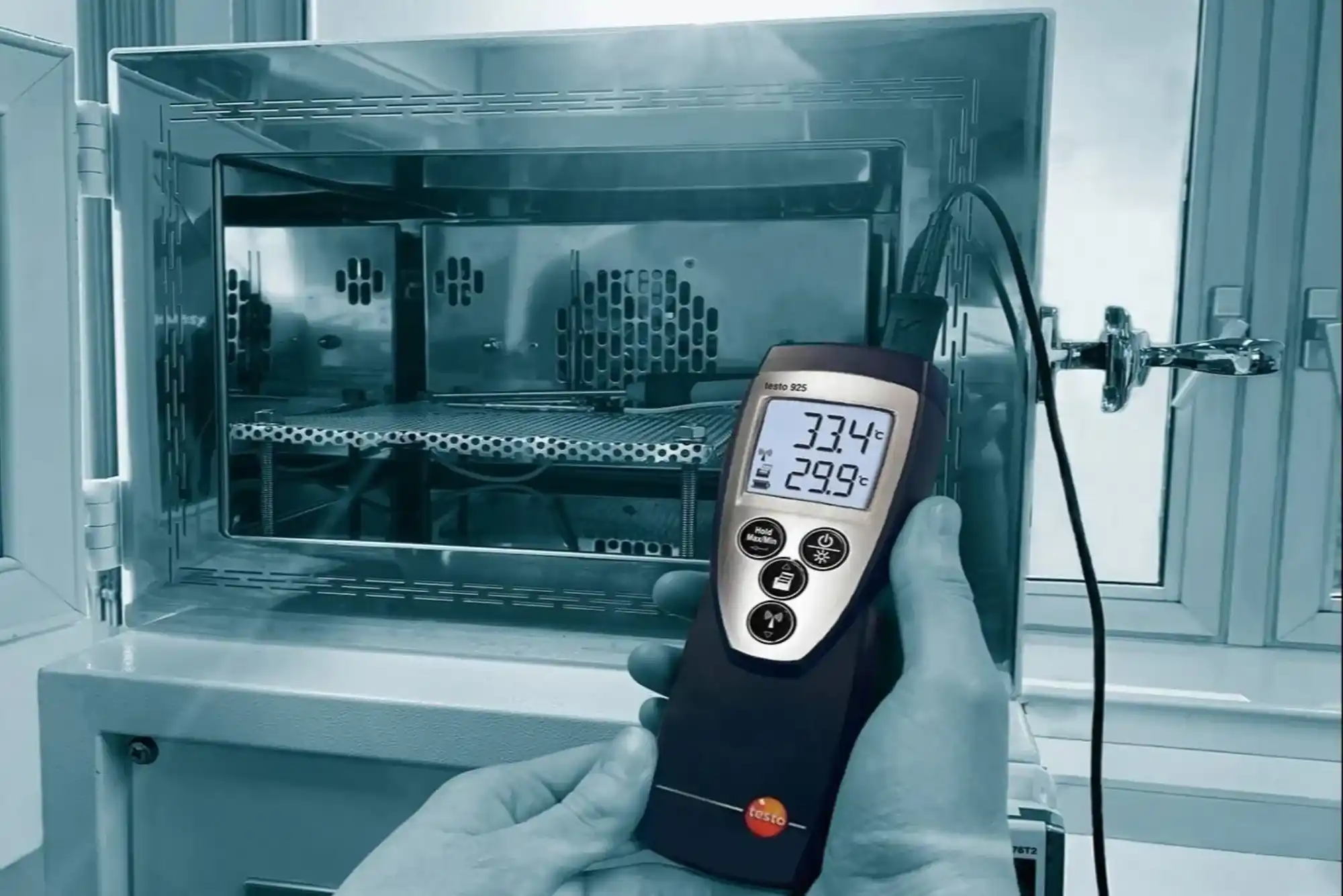
Professional oven temperature calibration involves a systematic approach to identifying and correcting inaccuracies. Initially, technicians measure the actual internal temperature of the oven using precision thermometers or digital sensors. These readings are compared with the temperature indicated on the oven’s control panel to determine any deviations.
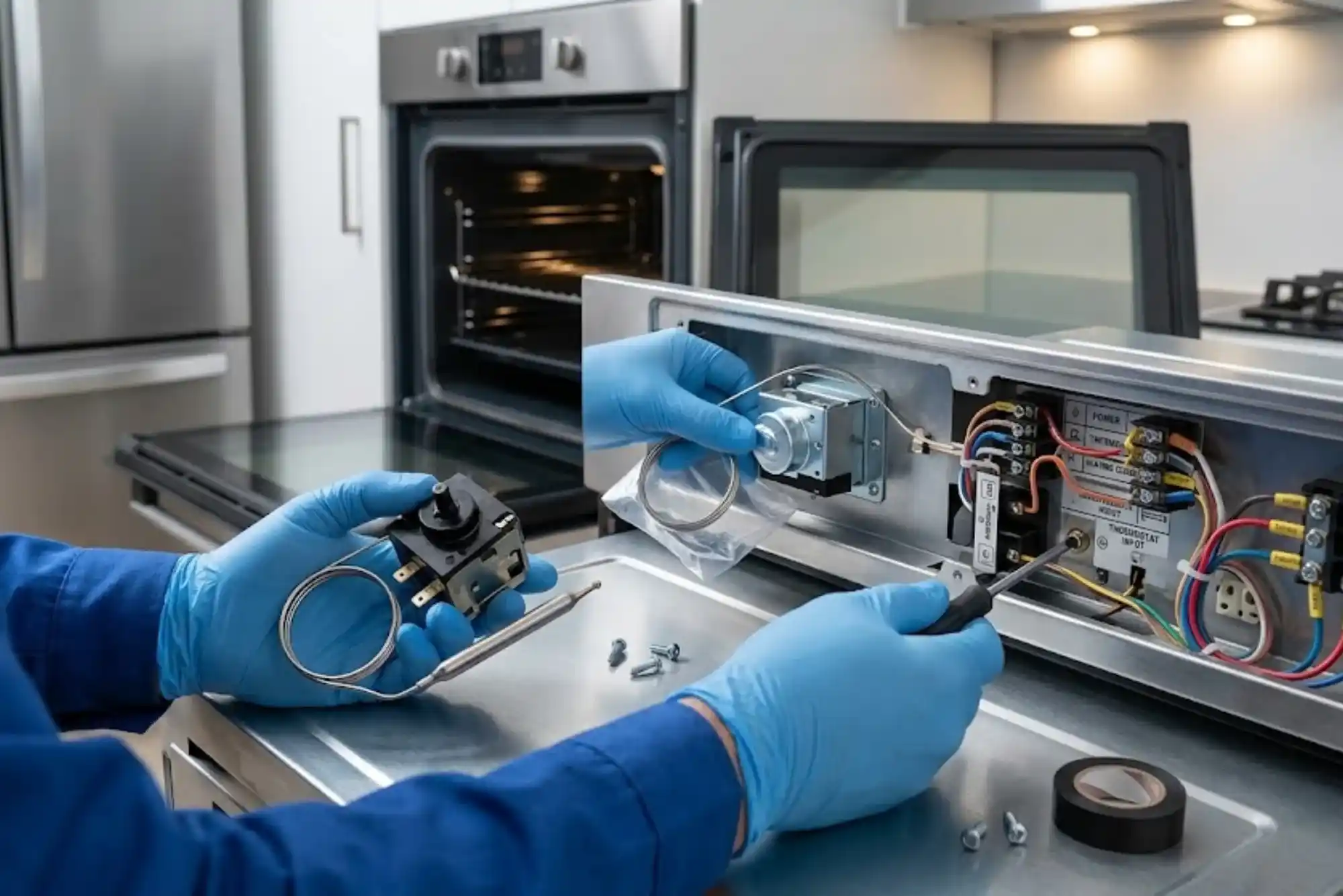
Once discrepancies are identified, adjustments are made to the thermostat, control board, or heating elements. In modern ovens with digital interfaces, calibration may involve reprogramming the control unit to align with measured temperatures. In older models, mechanical adjustments or replacement of worn components may be necessary. After adjustments, the oven is tested across multiple temperature settings and cooking modes to ensure consistency and reliability.
Benefits of Oven Temperature Calibration
There are several significant benefits to having an oven professionally calibrated. Accurate temperature control enhances the quality and consistency of meals, allowing users to achieve the exact results specified in recipes. It also prevents overcooking or undercooking, which can preserve food quality and reduce waste.
Calibration improves energy efficiency by preventing the oven from working harder than necessary. An oven that overheats due to inaccurate readings consumes more power and experiences increased wear, shortening its lifespan. Regular calibration ensures that the appliance operates optimally, delivering both performance and durability over time.
Safety is another important benefit. An oven with inaccurate temperatures may pose fire hazards or increase the risk of burns during operation. Professional calibration ensures that the appliance adheres to safe operating standards, providing peace of mind for users in both domestic and commercial settings.
Frequency of Calibration
The frequency of oven calibration depends on usage, age, and the type of appliance. For heavily used ovens in commercial kitchens, calibration may be required multiple times a year to maintain precise temperature control. Residential ovens typically benefit from annual calibration to ensure continued accuracy, especially if used frequently for baking or cooking at high temperatures.
Regular monitoring and preventive maintenance can help determine when calibration is necessary. Users may notice signs such as uneven cooking, longer cooking times than usual, or burned spots on food. These indicators suggest that the oven may be operating at incorrect temperatures and would benefit from professional calibration services.
Choosing a Professional Calibration Service
Selecting a qualified technician for oven temperature calibration is crucial for achieving accurate and reliable results. Experienced professionals have the tools, training, and knowledge to handle various oven types, from conventional gas and electric ovens to modern convection and smart models.
A reputable service provider will conduct a thorough assessment, identify any underlying issues, and perform calibration safely. This approach ensures that adjustments are precise and sustainable, maintaining oven performance over the long term. Trusted service providers also offer advice on proper usage and maintenance practices to prevent future inaccuracies.
The Role of Maintenance in Temperature Accuracy
Oven calibration is most effective when combined with regular maintenance. Cleaning the interior, removing residue from burners or heating elements, and inspecting door seals contribute to consistent heat distribution. Preventive maintenance reduces the likelihood of sensor drift, element wear, and other factors that can affect temperature accuracy.
In addition, regular maintenance provides an opportunity for technicians to identify potential issues early. This proactive approach minimizes downtime and ensures that the oven continues to operate efficiently and safely, reducing the need for costly repairs or replacements.
Advanced Technologies in Calibration
Modern ovens often incorporate advanced technologies such as digital thermostats, convection fans, and smart controls. While these features enhance cooking performance, they also require precise calibration to function correctly. Digital calibration tools allow technicians to adjust the oven’s control system with a high degree of accuracy, ensuring that temperature readings match actual conditions inside the oven cavity.
Smart ovens may include self-diagnostic functions that assist in detecting temperature deviations, but professional calibration remains essential for correcting errors and confirming that the appliance meets manufacturer specifications. By leveraging advanced tools and techniques, technicians provide calibration services that deliver both reliability and long-term performance.
Benefits for Commercial and Home Kitchens
Professional oven temperature calibration is valuable for both commercial and residential kitchens. In commercial environments, consistent oven performance affects productivity, food quality, and customer satisfaction. Calibration ensures that multiple ovens maintain uniform temperatures, which is critical for high-volume cooking operations.
In residential kitchens, accurate temperatures improve baking and cooking results, reduce energy consumption, and enhance safety. Homeowners who rely on precision cooking for recipes such as soufflés, pastries, and roasted dishes benefit from the reliability provided by calibration.
Common Misconceptions
Some users believe that ovens maintain accurate temperatures indefinitely or that minor deviations are unimportant. In reality, even small errors can accumulate over time, leading to noticeable cooking inconsistencies. Relying on inaccurate temperature settings may result in repeated overcooking, undercooking, and wasted ingredients.
Professional oven calibration addresses these misconceptions by providing precise adjustments and confirming performance across all temperature ranges. Technicians ensure that the appliance operates within manufacturer specifications, giving users confidence in its reliability and efficiency.
Oven temperature calibration service is an essential aspect of maintaining cooking accuracy, efficiency, and safety. Over time, even well-built ovens can experience sensor drift, mechanical wear, or environmental influences that affect temperature control. Professional calibration restores the appliance to precise performance, improving both culinary results and energy efficiency.
Regular maintenance and timely calibration prevent further inaccuracies, reduce wear on components, and extend the lifespan of the oven. Whether for home or commercial use, professional calibration ensures that the appliance performs reliably, delivering consistent results and providing peace of mind.