A refrigerator is one of the most vital appliances in a modern household, providing a constant supply of fresh food and beverages. Despite being designed for long-term use, refrigerators are not immune to mechanical issues, and one of the most common complaints homeowners encounter is unusual motor noise. When a refrigerator motor starts making odd sounds, it can indicate a range of problems, from minor operational quirks to significant mechanical failures. Understanding the causes of these noises, and knowing how to address them, is essential to maintaining the appliance’s performance and avoiding costly replacements. Professionals who specialize in appliance repair are often best equipped to conduct thorough refrigerator motor noise troubleshooting, ensuring the appliance functions efficiently and safely.
Understanding the Role of the Refrigerator Motor
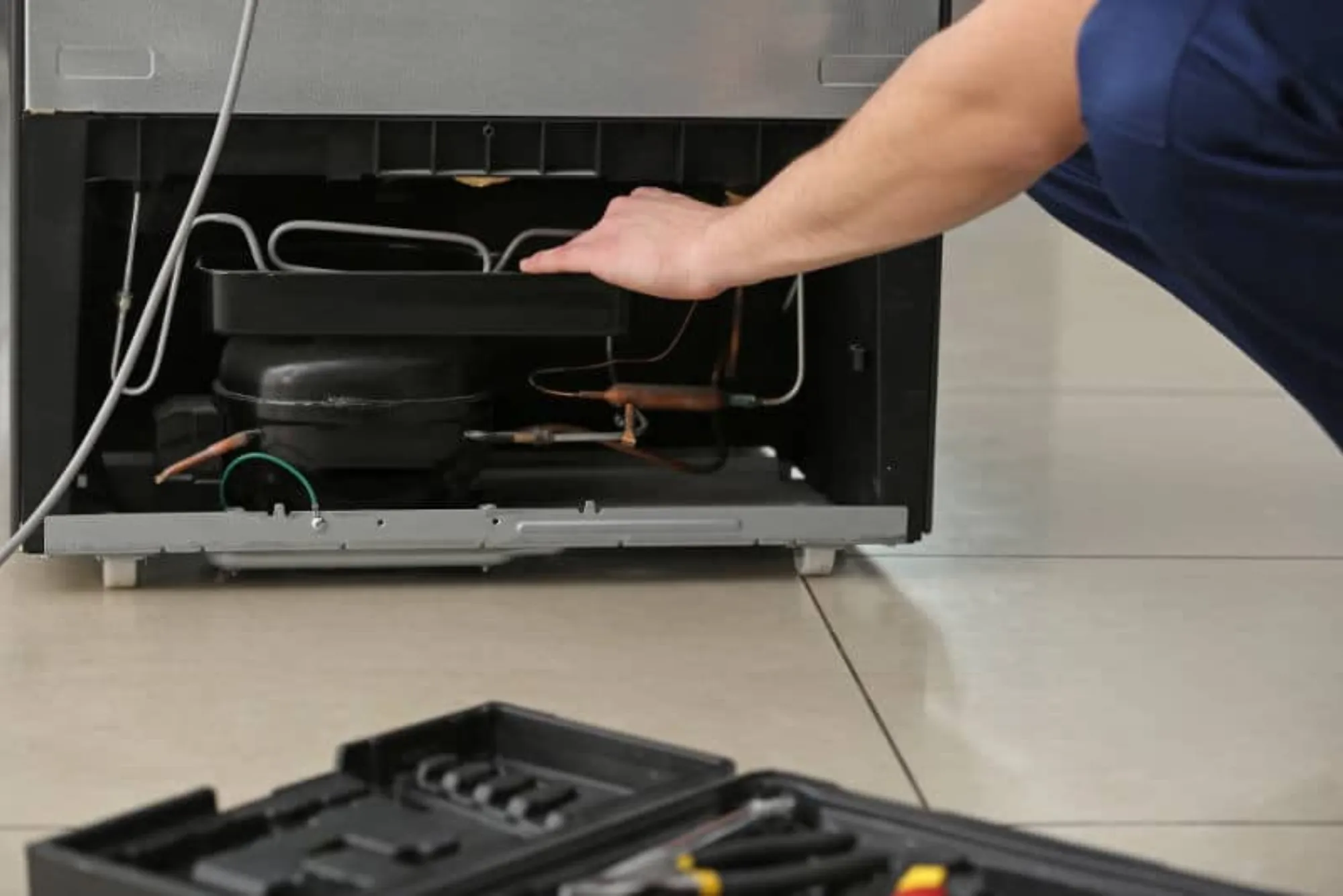
The refrigerator motor, often referred to as the compressor motor, is responsible for circulating refrigerant through the system, maintaining the desired temperature inside the appliance. It works in tandem with other components such as condenser coils, evaporator fans, and thermostats to ensure consistent cooling. Any disruption in its operation can lead to inconsistent temperatures, higher energy consumption, and increased wear on other parts. When the motor produces unusual sounds, it is often a signal that some component of the system is under stress or malfunctioning. Professional refrigerator motor noise troubleshooting involves identifying the exact source of the noise and determining the most effective course of action to restore normal operation.
Common Causes of Refrigerator Motor Noise
There are several reasons a refrigerator motor may start producing noises. Over time, mechanical components such as fan blades, bearings, or the compressor itself can wear down, leading to unusual sounds. Dirt, dust, and debris accumulation can also create resistance or imbalance in moving parts. Electrical issues, such as a failing start relay or capacitor, can cause the motor to struggle during operation, producing a humming, clicking, or rattling noise. Environmental factors, including improper leveling of the refrigerator or placing it too close to walls, can exacerbate vibrations and amplify operational sounds. Understanding these potential causes is a crucial step in effective refrigerator motor noise troubleshooting, helping homeowners decide whether professional repair is necessary.
Identifying the Type of Noise
Different noises can indicate different problems, making it essential to accurately identify the type of sound the refrigerator motor is producing. A continuous humming or buzzing sound might suggest the motor is overworked or that there is an electrical issue such as a failing capacitor. Clicking or ticking noises may indicate the start relay is struggling to engage, while rattling or vibrating sounds could result from loose components, debris caught in the fan, or improper leveling of the appliance. Low-frequency grinding noises often point to worn-out bearings within the compressor. Correctly identifying the nature of the noise allows for targeted refrigerator motor noise troubleshooting, ensuring that the right solution is applied and avoiding unnecessary replacement of components that are still functioning correctly.
Diagnosing Electrical and Mechanical Components
Effective troubleshooting requires examining both the electrical and mechanical aspects of the refrigerator motor. Electrical diagnostics involve checking the voltage supply, start relay, and capacitor, as well as ensuring that all wiring connections are secure and free of corrosion. Mechanical inspection focuses on components that directly interact with the motor, including the compressor, condenser and evaporator fans, and mounting brackets. Any signs of wear, misalignment, or obstruction can contribute to abnormal sounds. By systematically examining these elements, technicians can pinpoint the exact cause of the noise and recommend either repair or replacement, making professional refrigerator motor noise troubleshooting a practical solution for long-term appliance health.
The Importance of Timely Intervention
Delaying attention to a noisy refrigerator motor can have serious consequences. Continuous operation with a malfunctioning motor can strain other components, leading to more extensive damage and potentially higher repair costs. Overheating of the motor can also pose safety risks, including electrical fires or refrigerant leaks. Timely professional intervention not only addresses the immediate noise issue but also helps preserve the overall functionality of the appliance. With thorough refrigerator motor noise troubleshooting, technicians can prevent minor issues from escalating into significant failures, ensuring that the refrigerator continues to operate efficiently for years to come.

How Environmental and Usage Factors Affect Motor Noise
The environment in which a refrigerator operates plays a significant role in its mechanical health. Placing the appliance on an uneven surface, positioning it too close to walls, or blocking ventilation can increase vibrations, causing the motor to work harder and produce more noise. Frequent opening of the door, overloading the refrigerator with heavy items, or storing liquids improperly can also affect internal pressure and strain the motor. In regions with high temperatures, such as Dubai, the refrigerator motor may run longer to maintain optimal cooling, further increasing wear and noise levels. Understanding these factors is an integral part of refrigerator motor noise troubleshooting, allowing homeowners to mitigate environmental causes and maintain appliance performance.
Professional Solutions for Noisy Motors
When noise persists, professional technicians can provide comprehensive solutions. This may include cleaning and lubricating fan blades, tightening loose components, replacing worn bearings, or repairing electrical issues such as failing relays or capacitors. In some cases, the motor itself may need to be replaced if it is beyond repair. Professional refrigerator motor noise troubleshooting ensures that each repair is performed with precision, using high-quality parts and following safety protocols. This approach not only resolves the noise problem but also restores the appliance’s efficiency, reduces energy consumption, and prolongs the lifespan of the refrigerator.
Benefits of Professional Maintenance and Repair
Regular maintenance and timely repair are key to preventing refrigerator motor noise and other mechanical issues. Professional services include detailed inspections, cleaning of condenser coils and fans, verification of electrical connections, and checking refrigerant levels. These preventative measures can reduce wear on the motor and other critical components, ensuring consistent cooling and minimizing operational noise. By investing in expert refrigerator motor noise troubleshooting, homeowners gain peace of mind knowing their appliance is operating safely and efficiently, avoiding unexpected breakdowns and costly emergency repairs.
Choosing the Right Service Provider
Selecting a reliable service provider is crucial for effective refrigerator repair. Experienced technicians offer accurate diagnostics, high-quality replacement parts, and adherence to safety standards. They also provide advice on preventive care to avoid future problems. In a city like Dubai, professional appliance repair services are highly valuable due to the demanding climate and heavy usage of refrigeration units. Choosing a trusted company for refrigerator motor noise troubleshooting ensures timely, effective solutions and protects the long-term health of the appliance.
The Long-Term Impact of Ignoring Motor Noise
A noisy refrigerator motor may seem like a minor annoyance initially, but ignoring the problem can lead to serious consequences. Prolonged operation with a struggling motor can damage the compressor, overheat electrical components, and affect the performance of the cooling system. Food spoilage, increased energy bills, and potential safety hazards are common outcomes of deferred repair. Timely professional intervention not only resolves the noise issue but also preserves the efficiency and reliability of the refrigerator over its expected lifespan.
Final Thoughts on Refrigerator Motor Noise Troubleshooting
Understanding the causes of refrigerator motor noise and knowing how to address them is essential for homeowners who rely on their appliances daily. From worn bearings and faulty electrical components to environmental factors and improper usage, several issues can contribute to unusual sounds. Professional refrigerator motor noise troubleshooting offers a structured and effective approach to resolving these problems. Timely repair ensures optimal performance, energy efficiency, and safety, while extending the appliance’s service life. Investing in expert maintenance and repair is the best way to ensure that your refrigerator remains a dependable part of your home for years to come.