Modern dishwashers have become an essential part of everyday households, providing convenience, efficiency, and sparkling clean dishes at the push of a button. However, the performance of these appliances depends heavily on the quality of water being used.
One of the most common issues that homeowners face is hard water. Though it may appear harmless, hard water significantly impacts dishwasher performance over time, leading to inefficiency, higher maintenance costs, and even premature appliance failure. Understanding the effects of hard water on dishwashers can help homeowners identify solutions that protect their investment and ensure consistently clean results.
What is Hard Water?
Hard water is water that contains a high concentration of dissolved minerals, primarily calcium and magnesium. These minerals are naturally absorbed as water travels through soil and rock before reaching municipal or household supplies. While hard water is safe for consumption, its elevated mineral content creates a series of challenges for plumbing systems and water-dependent appliances, including dishwashers. Over time, these minerals build up and cause scaling, reducing efficiency and performance.
The Connection Between Hard Water and Dishwashers
Dishwashers rely on a balance of hot water, detergents, and rinsing mechanisms to clean dishes effectively. When hard water enters the system, mineral deposits interfere with this process. The heat used to wash and sanitize dishes accelerates the crystallization of calcium and magnesium, which then attach to the dishwasher’s internal parts. This not only compromises cleaning power but also stresses mechanical components, making the appliance work harder than necessary.
Reduced Cleaning Efficiency
One of the earliest and most noticeable impacts of hard water on dishwashers is reduced cleaning efficiency. Instead of leaving dishes spotless, hard water often causes a cloudy film to remain on glassware and cutlery. This is commonly referred to as water spotting. The minerals in hard water react with detergents, preventing them from dissolving fully and breaking down grease or food particles. As a result, dishes may emerge from the dishwasher looking dull or still dirty, requiring additional rinsing or hand-washing.
For households using dishwashers daily, this inefficiency becomes a frustrating routine. Instead of saving time and energy, homeowners end up re-washing dishes or investing in expensive rinse aids to counteract the effects of hard water.

Mineral Buildup and Scaling
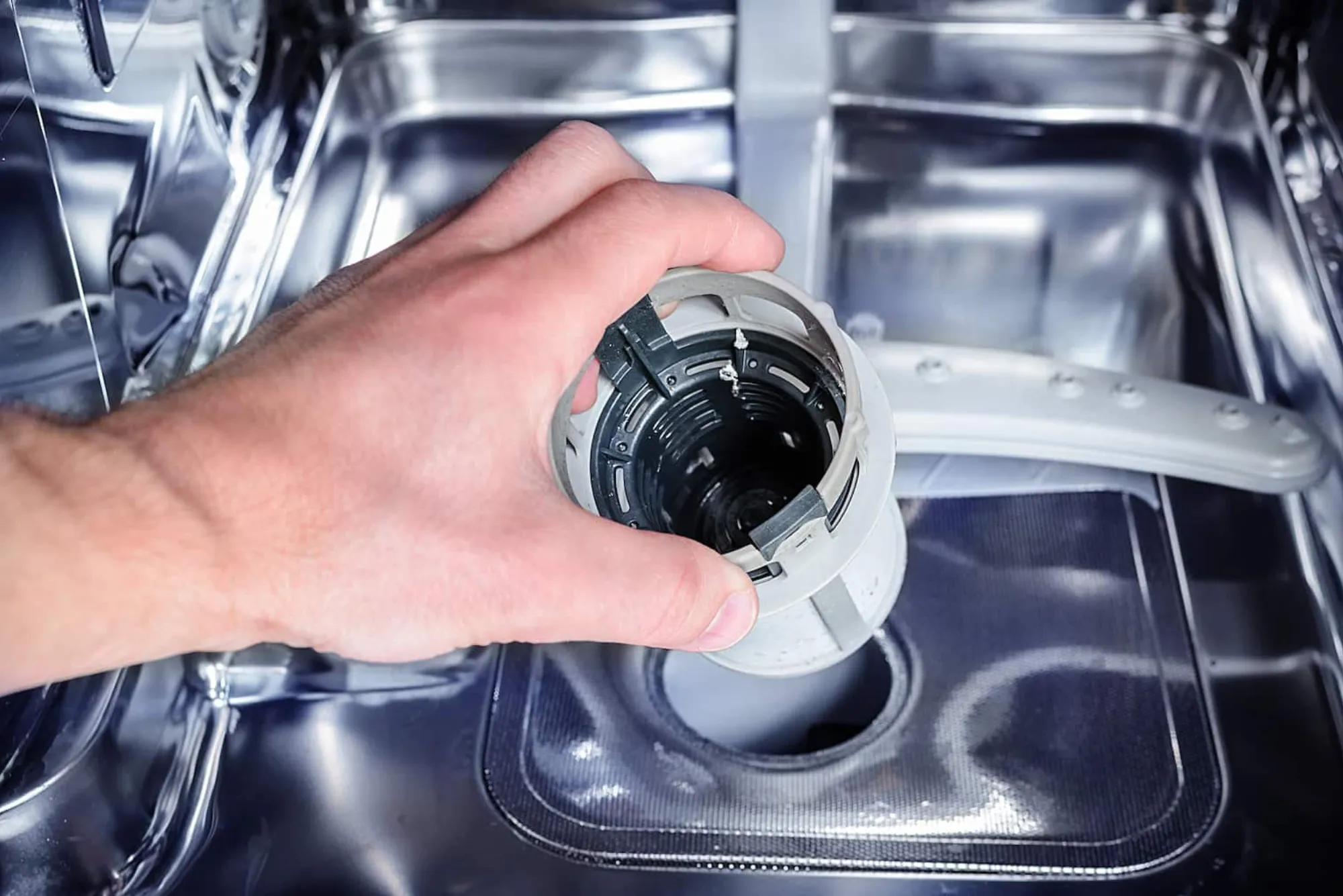
The internal components of a dishwasher, such as the heating element, spray arms, and filters, are especially vulnerable to hard water. Calcium and magnesium naturally crystallize under heat, forming stubborn deposits known as limescale. Over time, this limescale accumulates within the dishwasher’s pipes and mechanisms, reducing water flow and blocking spray nozzles.
Scaling on the heating element is particularly concerning because it reduces the ability of the dishwasher to reach optimal temperatures. Without consistent heat, detergents dissolve less effectively, and bacteria may not be fully eliminated. This leads to hygiene concerns and forces the appliance to work longer cycles, consuming more energy and water.
Increased Detergent Usage
Hard water also affects how detergents perform. Since the minerals bind with cleaning agents, more detergent is often required to achieve acceptable results. Many homeowners unknowingly increase detergent usage, believing it will solve the problem of unclean dishes. Unfortunately, this only leads to residue buildup inside the dishwasher and on dish surfaces. The combination of excess detergent and mineral content forms a chalky layer, further dulling the shine of glassware and reducing overall cleaning effectiveness.
Damage to Dishwasher Components
Over an extended period, the stress of hard water exposure shortens the lifespan of dishwashers. Seals, gaskets, and valves may wear out prematurely due to mineral deposits interfering with normal operation. Spray arms, which are designed to rotate freely and distribute water evenly, can become clogged with scale, limiting their efficiency. Even electronic sensors, responsible for monitoring water levels and cycles, may malfunction when exposed to continuous scaling.
This damage often results in frequent breakdowns and costly repairs. In many cases, dishwashers exposed to hard water fail years earlier than expected, forcing homeowners to consider replacements sooner than anticipated.
Energy and Cost Implications
The impact of hard water is not limited to performance and maintenance; it also has direct financial implications. When limescale coats the heating element, the dishwasher must consume more energy to reach the desired temperature. Longer cycles mean greater electricity and water usage, leading to higher utility bills.
Additionally, the increased need for detergents, rinse aids, and descaling products further raises household expenses. What begins as a minor inconvenience of cloudy dishes eventually transforms into a recurring financial burden that could easily be avoided with preventive measures.
Signs Your Dishwasher is Affected by Hard Water
Many households are unaware that their dishwasher performance issues stem from hard water. Common signs include cloudy or spotted glassware, dishes that feel gritty after washing, white residue inside the dishwasher, slower cycles, and higher energy consumption. These symptoms indicate that mineral buildup is already compromising the appliance’s efficiency.
Long-Term Consequences
If ignored, the long-term consequences of hard water can be severe. Beyond damaging the dishwasher, the minerals may accumulate in household plumbing systems, restricting water flow and increasing the risk of leaks. A poorly functioning dishwasher also undermines hygiene standards, as food residue and bacteria may remain on dishes even after a wash cycle. For families with children or elderly members, this becomes a genuine health concern.
Preventing Hard Water Damage
While hard water itself cannot be eliminated at the source without treatment, its effects on dishwashers can be controlled. Homeowners often install water softeners to reduce mineral content before water reaches appliances. Regular maintenance, such as cleaning filters, descaling the machine, and using dishwasher salts or rinse aids, helps counteract buildup. Manufacturers increasingly recommend these preventive steps to ensure that appliances maintain peak performance despite water quality challenges.
Professional Support for Hard Water Issues
In regions where hard water is common, appliance repair and maintenance services play an essential role. Professionals can diagnose scaling issues, clean internal components, and recommend suitable water treatment solutions. Timely servicing not only restores dishwasher performance but also prevents long-term damage that could lead to replacement costs. Investing in professional maintenance ensures that dishwashers remain reliable, efficient, and hygienic despite the challenges posed by hard water.
The impact of hard water on dishwasher performance is far more significant than many homeowners realize. From reduced cleaning efficiency and higher detergent use to long-term damage and increased costs, hard water silently undermines the value of one of the most convenient household appliances.
Understanding these effects allows homeowners to take proactive steps, whether through regular maintenance, professional servicing, or investing in water treatment solutions. By addressing hard water challenges early, households can preserve the efficiency of their dishwashers, save money, and enjoy the true convenience these appliances are designed to provide.