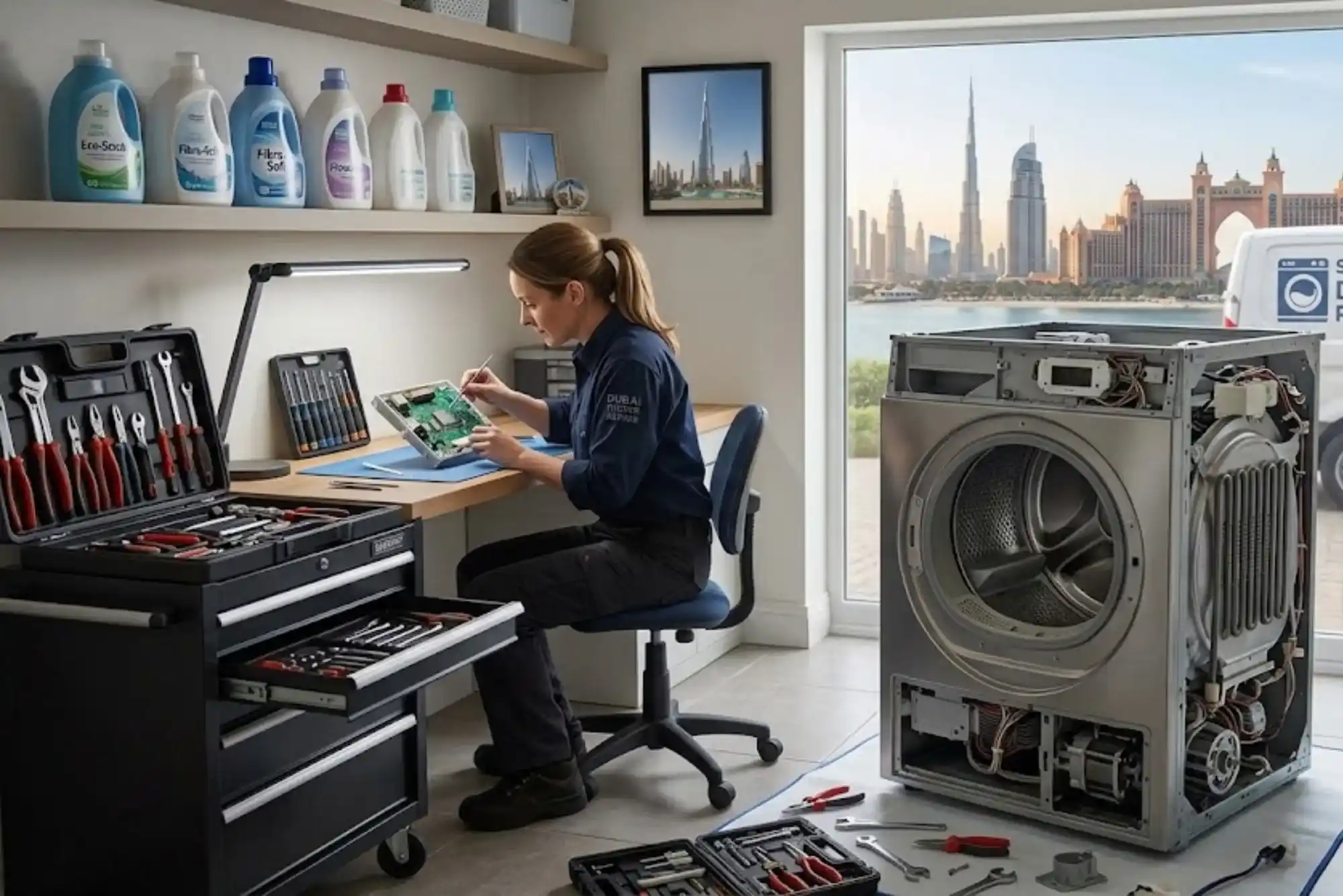
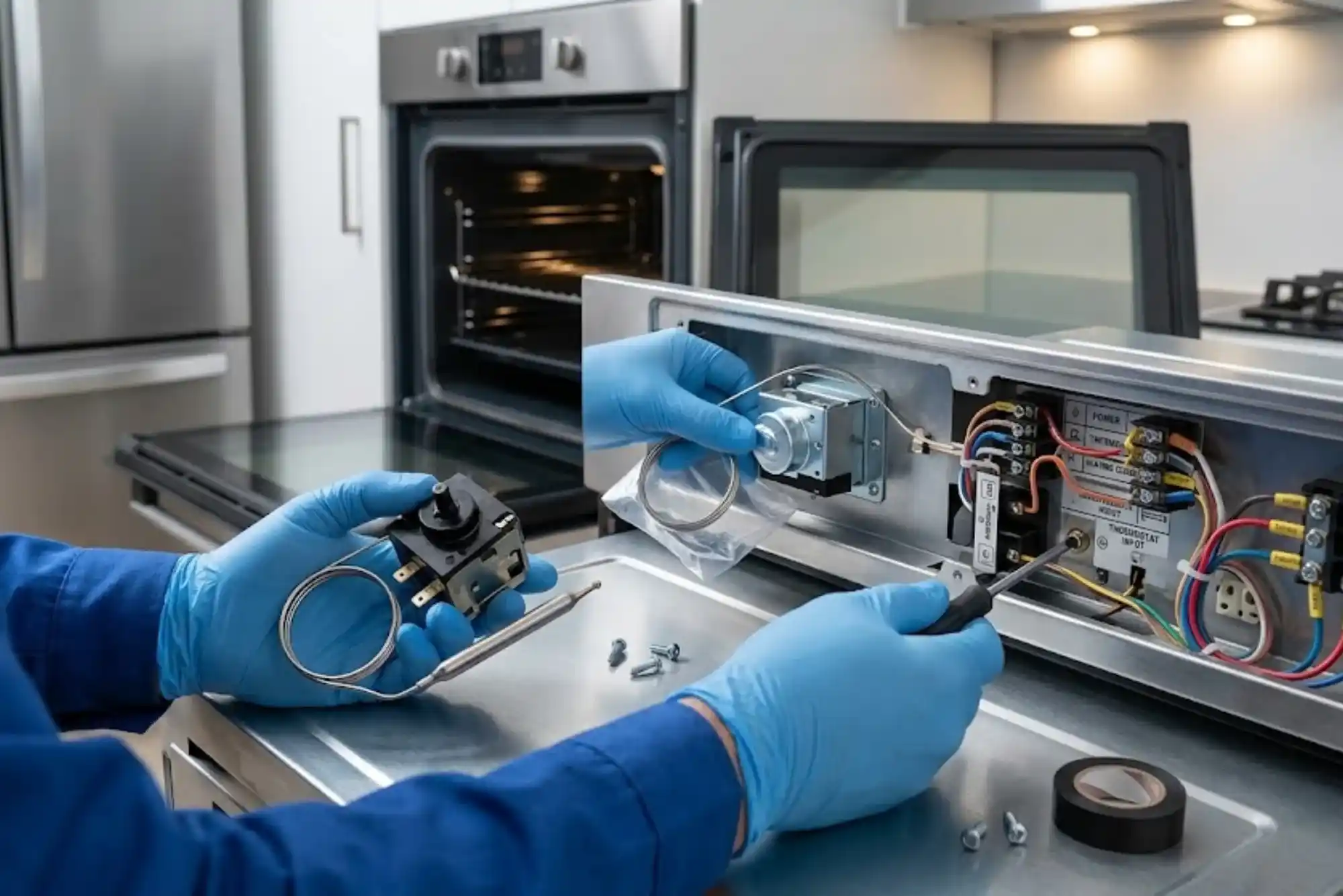
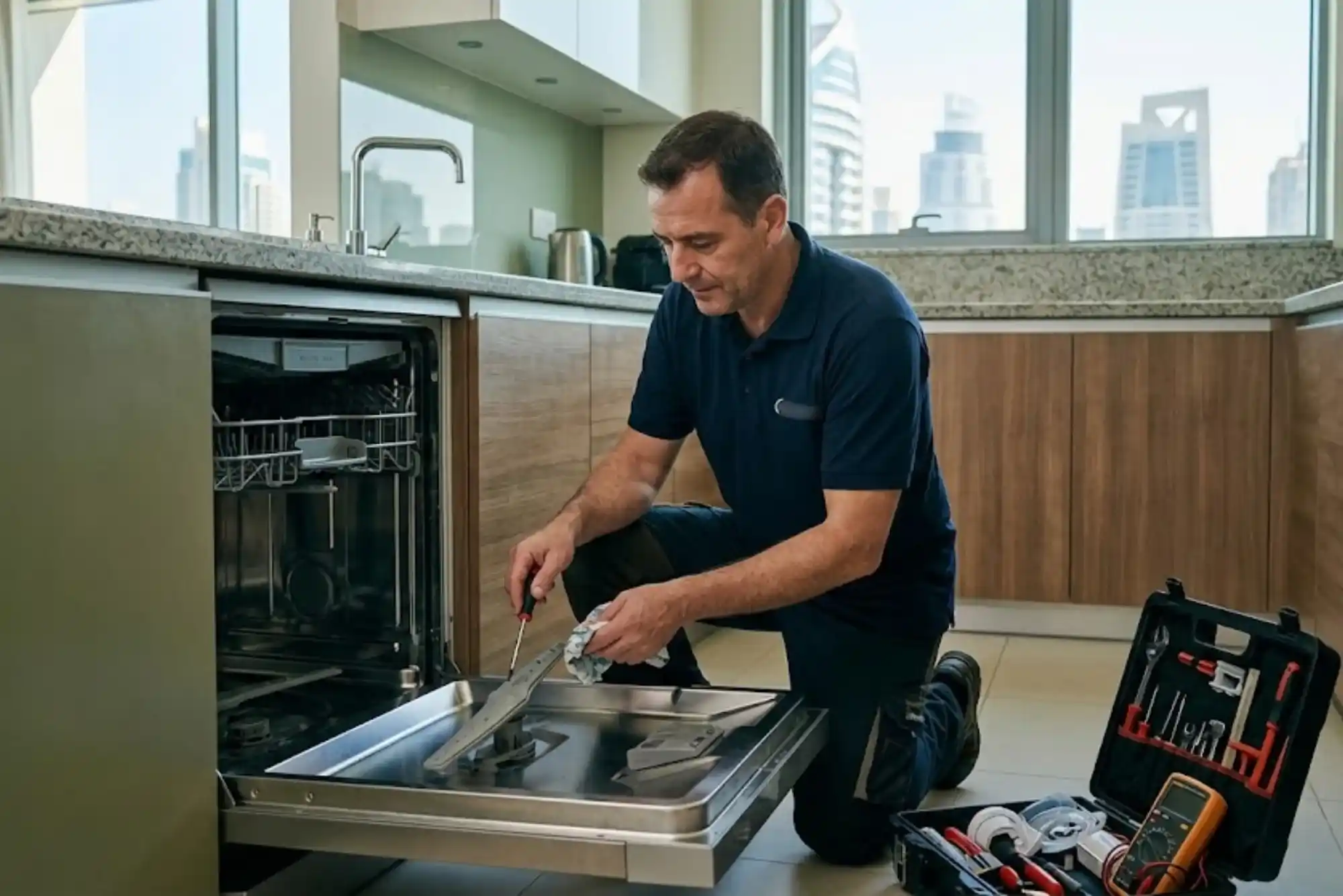
In modern homes, washing machines have become essential appliances that save time, energy, and effort in daily chores. However, one crucial factor often overlooked by homeowners is proper ventilation. Adequate ventilation is not just about comfort or odor control; it plays a major role in the machine’s longevity, efficiency, and safety. Without good ventilation, washing machines—especially front-load models—can become breeding grounds for mold, mildew, and foul smells. This can lead to performance issues and costly repairs over time. Understanding the importance of washing machine ventilation helps homeowners maintain their appliances in peak condition and avoid unnecessary maintenance costs.
Understanding Washing Machine Ventilation
Ventilation refers to the airflow and circulation that helps remove heat, moisture, and damp air produced during the washing and drying cycles. A washing machine generates humidity each time it runs, especially during spin and rinse cycles. This humidity needs to escape to prevent condensation buildup around the appliance and inside the laundry area.
In homes where laundry rooms are enclosed or have limited airflow, moisture can get trapped, creating an ideal environment for mold and bacteria growth. Over time, this moisture affects both the washing machine and the surrounding walls or flooring. Ensuring the machine and the laundry area are properly ventilated allows heat and humidity to disperse naturally, keeping the machine dry and hygienic.
The Role of Ventilation in Washing Machine Performance
A well-ventilated washing machine works more efficiently. Proper airflow helps the motor and internal components stay cool during operation, reducing strain and extending their lifespan. When heat and moisture are trapped, the internal parts can corrode or wear down faster, affecting the performance of the appliance.
Additionally, good ventilation minimizes the buildup of detergent residue and lint inside the drum or vent pipes. Without proper ventilation, this residue stays damp, creating a sticky film that attracts dirt and bacteria. As a result, the machine requires more energy and water to clean clothes effectively. Over time, poor ventilation leads to reduced cleaning performance, increased energy consumption, and potential mechanical issues.
Preventing Mold and Odor Buildup
One of the most common problems caused by poor ventilation is the development of mold and foul odors inside the washing machine. When moisture is trapped inside the drum or around the rubber seals, it becomes the perfect environment for mold and mildew to thrive. This is especially common in front-loading washing machines where the door seal remains wet after use.

Mold growth not only produces unpleasant odors but can also contaminate laundry, leaving clothes smelling musty even after a wash. Proper ventilation helps the machine dry out naturally between uses, reducing the likelihood of mold buildup. Homeowners should also leave the machine door slightly open after every wash to allow air to circulate freely, keeping the drum dry and fresh.
Energy Efficiency and Ventilation
Energy efficiency is another important benefit of good washing machine ventilation. When air circulates properly around and within the appliance, it operates under optimal temperature conditions. This reduces the energy required for each cycle. In contrast, when heat and humidity accumulate, the machine has to work harder to complete washing and drying cycles.
Poor ventilation can also affect the home’s indoor air quality and make laundry areas feel damp or warm, forcing air conditioning systems to work harder. This additional energy use increases overall electricity bills. By improving ventilation, homeowners not only protect their washing machines but also make their homes more energy-efficient and environmentally friendly.
Protecting the Laundry Area and Walls
The impact of poor ventilation extends beyond the appliance itself. When moisture builds up in the laundry area, it can damage the surrounding environment. Excess humidity seeps into walls, ceilings, and flooring, causing paint to peel, wood to warp, and mold to grow in hidden corners. Over time, this can result in costly structural repairs.
A properly ventilated washing machine repair setup, including exhaust vents and adequate airflow, ensures that moisture is released outdoors instead of lingering indoors. It keeps the room dry and prevents damage to both the machine and the surrounding fixtures. Ventilation systems such as exhaust fans or ducted vents play a vital role in maintaining a healthy environment in the laundry room.
Extending the Lifespan of Your Washing Machine
Every homeowner wants their washing machine to last as long as possible. Proper ventilation is one of the simplest yet most effective ways to achieve that. When airflow is unrestricted, components such as the motor, belt, and bearings remain in better condition. Reduced humidity inside the machine prevents corrosion and rust from developing on metal parts.
In contrast, when a washing machine operates in a damp, unventilated environment, moisture can penetrate into the electrical components and shorten their lifespan. The control panel, sensors, and wiring are especially sensitive to humidity. Ensuring your washing machine has good ventilation directly translates into fewer breakdowns and longer-lasting performance.
Health and Hygiene Benefits
The health benefits of maintaining proper washing machine ventilation are often underestimated. A poorly ventilated washing machine can harbor bacteria and allergens that may transfer to your clothes. These bacteria thrive in moist environments, especially when the door seal or detergent drawer remains damp. When such contaminated clothes come in contact with your skin, they can cause irritation or allergic reactions.
Proper ventilation not only prevents microbial growth but also keeps your clothes smelling fresh. A clean and dry washing machine ensures that every laundry cycle produces hygienic, odor-free garments. For families with children or individuals with sensitive skin, maintaining ventilation becomes even more essential for overall health and hygiene.
Common Mistakes Homeowners Make
Many homeowners unknowingly compromise washing machine ventilation. One common mistake is placing the appliance in a tight, enclosed space such as a closet without any airflow. Another issue arises when vent ducts become clogged with lint, restricting air movement. Additionally, sealing the laundry room door to reduce noise or odor can trap humidity inside, making ventilation ineffective.
It’s important to inspect vents regularly and clean them to ensure smooth airflow. The area behind and beneath the washing machine should also remain unobstructed. Homeowners should avoid pushing the machine tightly against the wall, as this blocks air circulation and traps heat.
Tips to Improve Washing Machine Ventilation
Improving washing machine ventilation does not always require expensive equipment. A few simple adjustments can make a big difference. Keeping the laundry area well-ventilated with open windows or exhaust fans helps remove excess humidity. Leaving the door or lid open after every wash allows moisture to evaporate from inside the drum.
For homes with dryers connected to the washing area, using proper vent hoses and ensuring they lead outside helps release hot air effectively. Regular cleaning of lint traps and duct vents is also crucial. If the laundry room is located in a basement or enclosed space, a dehumidifier can help maintain the right level of dryness and prevent mold growth.
The Professional Perspective
Professional appliance technicians always emphasize the importance of ventilation when installing or maintaining a washing machine. Proper setup includes checking the distance between the wall and the appliance, ensuring vent hoses are clear, and confirming that air outlets are functioning correctly.
Experts also recommend regular servicing to detect early signs of ventilation problems, such as musty odors, condensation, or water pooling near the machine. By scheduling professional maintenance, homeowners can ensure that the ventilation system is working efficiently, which extends the life of the washing machine and improves its performance.
The importance of washing machine ventilation cannot be overstated. It is essential for keeping your appliance running efficiently, preventing mold and odor buildup, and maintaining a clean and healthy home environment. Proper ventilation protects both the washing machine and the surrounding space, ensuring long-term reliability and energy efficiency.