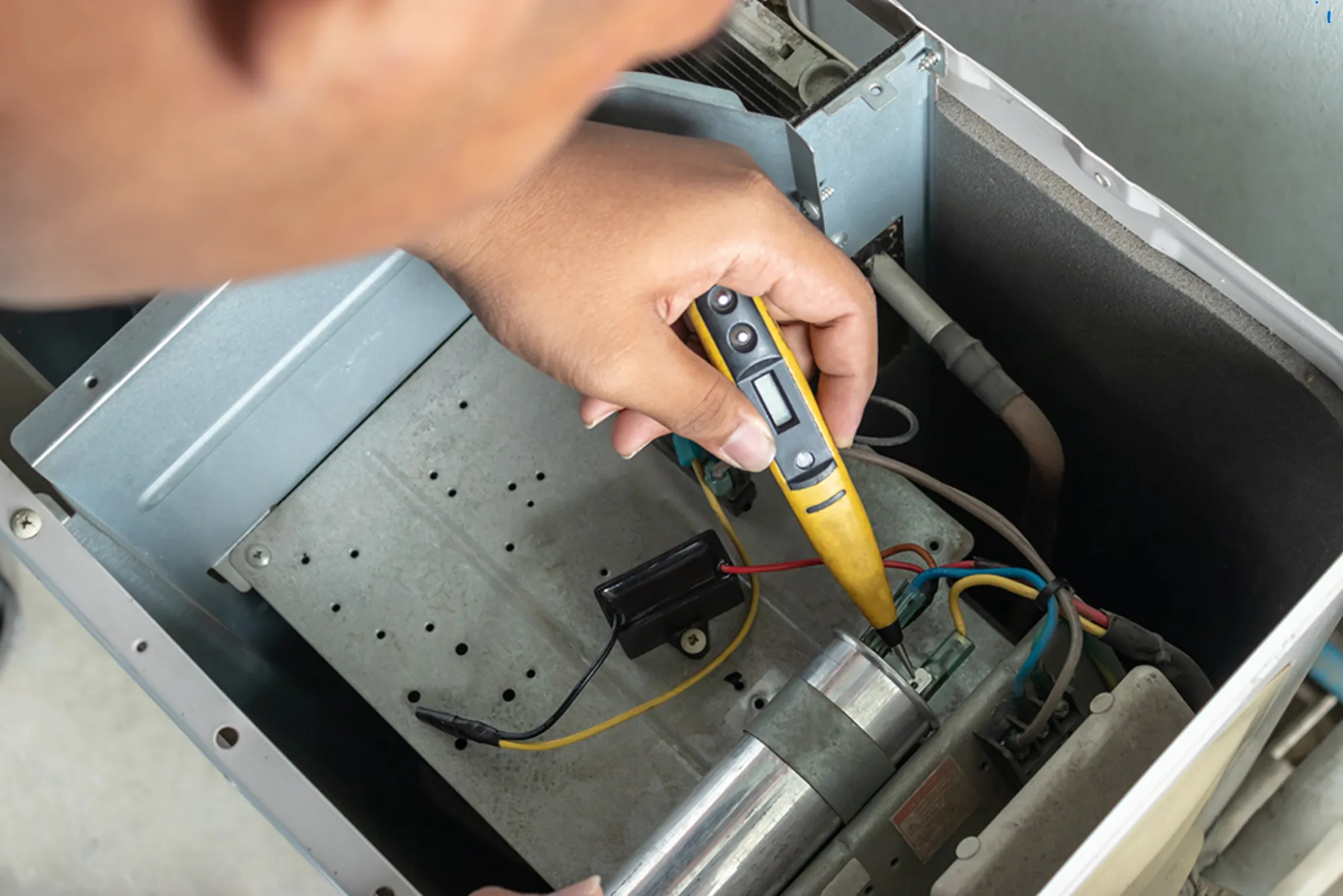
Air conditioning systems are complex machines that rely on multiple electrical components to function efficiently. One of the most essential yet often overlooked parts of these systems is the capacitor. Small in size but powerful in operation, capacitors are responsible for the electrical stability and performance of an air conditioner. Understanding their function, types, and role in everyday cooling operations helps in recognizing how crucial they are to the smooth functioning of any AC system.
What Is a Capacitor and How Does It Work?
A capacitor is an electronic device that stores and releases energy. It is composed of two conductive plates separated by an insulating material. When voltage is applied, it stores electrical energy and releases it as needed to maintain a consistent flow of power. In air conditioning systems, capacitors are used to assist motors in starting and running by providing the necessary voltage boost and stabilizing current flow.
There are generally two types of capacitors in air conditioners: start capacitors and run capacitors. Each plays a different but equally important role in motor operations.
Start Capacitors: Powering the Initial Push
Start capacitors are used during the initial moments when a motor starts. They provide a quick surge of energy to help the compressor or fan motor start turning. This is especially important because motors require a much higher amount of energy to begin moving than they do to continue running.
Once the motor reaches its proper speed, the start capacitor disengages. Though it operates for just a short moment, its job is vital. Without this initial boost, motors may struggle to start or fail altogether, especially in high-demand climates where air conditioners are used continuously.
Run Capacitors: Sustaining Motor Operation
Run capacitors remain connected to the motor throughout its operation. They regulate the electrical flow and ensure the motor receives consistent voltage. This consistent flow helps prevent overheating, reduce energy consumption, and improve the overall efficiency of the system.

Run capacitors are typically found in both the compressor motor and fan motor. Their job is to keep the motor running smoothly, even when the unit is under high load or facing varying voltage levels. The presence of a run capacitor directly affects the lifespan and performance quality of the AC unit.
The Effects of Faulty Capacitors
When a capacitor becomes weak or fails, it can cause several issues in the air conditioning system. These can include difficulty starting the system, poor cooling performance, or unusual noises such as humming or clicking. In severe cases, a failed capacitor can prevent the system from starting altogether.
Signs of capacitor failure often include bulging, leaking, or burnt components. However, these signs are not always externally visible. Electrical testing by a professional technician is the most reliable way to diagnose capacitor problems. Timely detection and replacement are crucial to prevent damage to more expensive parts of the system, such as the compressor.
Capacitor Ratings and System Compatibility
Every capacitor is rated for a specific capacitance value, measured in microfarads (µF), as well as a voltage rating. These specifications are not interchangeable and must match the requirements of the motor or system they are serving. A mismatch can cause inefficient operation, overheating, or even catastrophic failure of the motor or capacitor itself.
When selecting a replacement capacitor, it’s essential to consider not only the voltage and capacitance but also the tolerance and operating temperature range. Technicians must consult system documentation or nameplates on the equipment to ensure compatibility. Capacitors with a wider tolerance range may accommodate slight fluctuations in the power supply, Post Category , which can be especially beneficial in areas with unstable voltage conditions.
How Capacitor Failure Affects Other AC Components
A malfunctioning capacitor doesn’t only affect the motor it supports—it can create a ripple effect that places stress on multiple components in the air conditioning system. For example, if a fan motor fails to start due to a weak capacitor, the system might overheat, which in turn can increase pressure inside the compressor. Over time, this added strain can reduce the lifespan of the entire unit.
In addition, inconsistent power supply caused by a faulty run capacitor can lead to erratic compressor behavior, creating pressure imbalances in the refrigerant cycle. This not only reduces cooling efficiency but also increases the chance of refrigerant leaks or compressor failure. Catching capacitor problems early helps to preserve the system’s balance and protect more expensive parts from damage.
Importance in System Efficiency and Cost Control
Capacitors play a central role in ensuring that an AC system runs efficiently. By managing the electrical flow and reducing strain on the motors, capacitors help the system use energy more effectively. This can result in lower electricity bills and reduced operational costs over time.
On the other hand, a faulty capacitor causes the system to draw more power than necessary, leading to increased energy usage and higher expenses. It can also result in overheating, which may damage other internal components, leading to costly repairs or replacements.
Compressor Protection Through Capacitor Function
The compressor is one of the most vital and expensive components in an air conditioning system. It is responsible for circulating refrigerant and maintaining the cooling cycle. Capacitors protect the compressor by ensuring that it starts and runs with consistent electrical support.
Without the proper functioning of a start or run capacitor, the compressor may struggle to operate efficiently or fail entirely due to irregular voltage supply. Maintaining capacitor health directly contributes to the longevity and reliability of the compressor, which in turn supports the entire AC system.
Maintenance and Testing of Capacitors
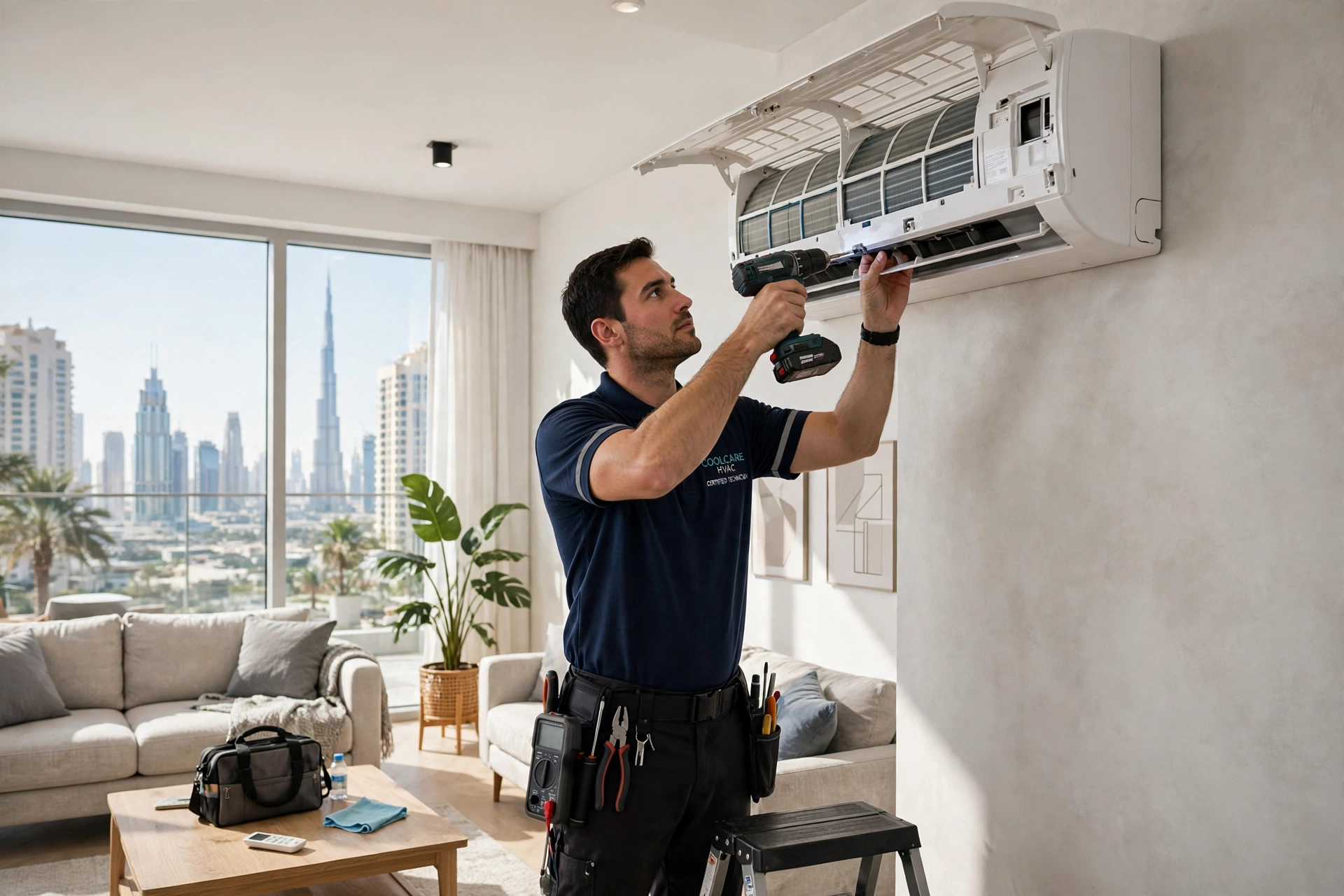
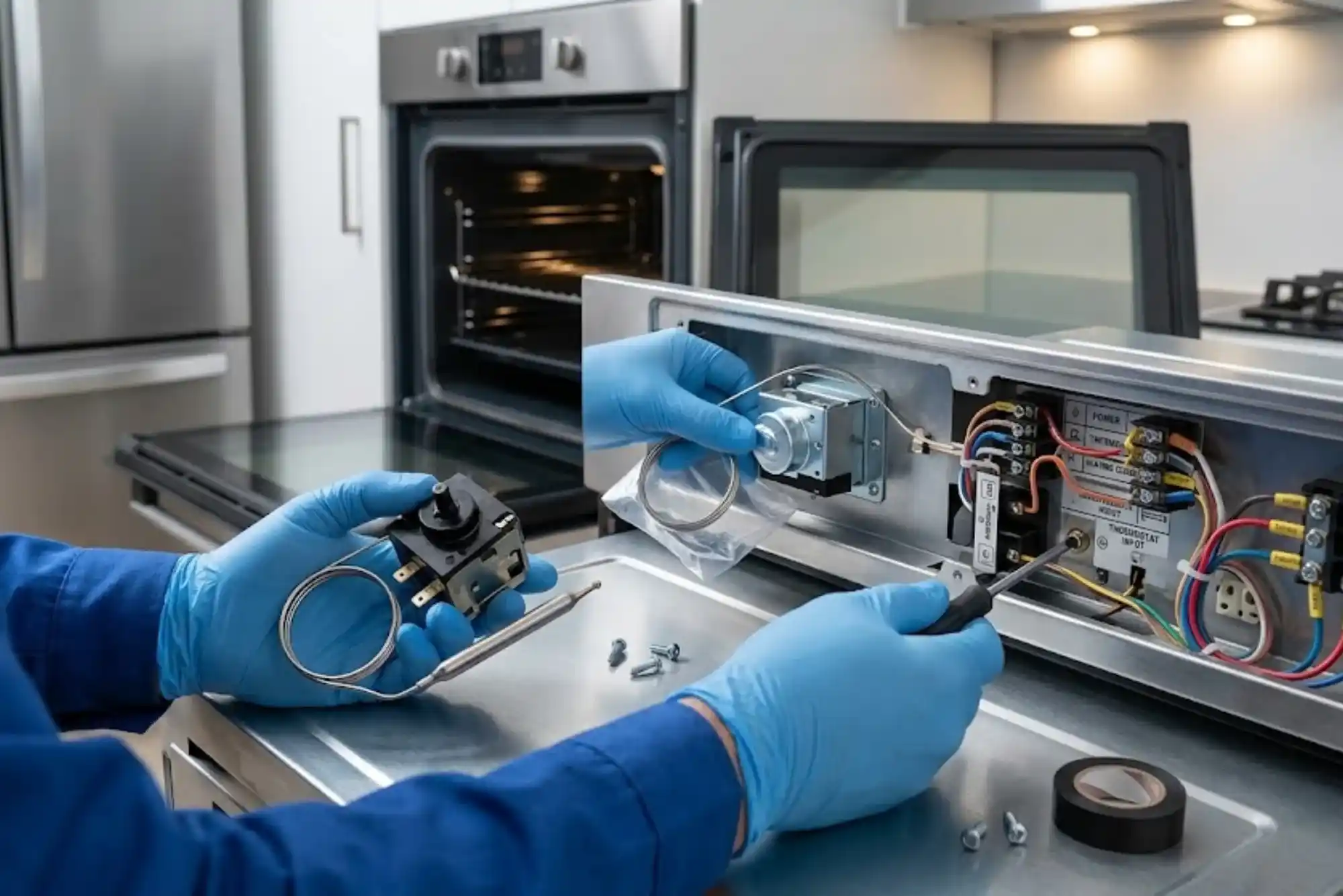
Routine inspection and testing of capacitors should be part of regular air conditioning maintenance. Technicians use specialized tools such as multimeters to test whether a capacitor is still functioning within its intended microfarad rating. If the reading is below the required value, the capacitor should be replaced immediately.
Capacitor testing is often included in pre-season maintenance checks, especially in areas with extreme temperatures where systems are used frequently. During this time, all electrical connections are inspected, capacitors are tested, and any signs of wear are addressed before they cause further issues.
Choosing the Right Replacement Capacitor
When replacing a capacitor, it is essential to match the voltage and capacitance ratings exactly. Using an incorrect replacement can cause system malfunction or lead to damage. High-quality capacitors from trusted brands are preferred, as they offer better durability and resistance to temperature fluctuations and voltage spikes.
Capacitors vary in build quality, and opting for a cheaper model may result in premature failure. Investing in reliable, industry-grade parts ensures long-term stability and reduced maintenance needs.
The Relationship Between Capacitors and Seasonal Performance
Seasonal usage affects how capacitors perform. During hotter months, air conditioning units run more frequently and for longer durations, which increases stress on capacitors. If capacitors are already worn or operating at reduced capacity, the chances of failure during peak usage rise significantly.
To avoid unexpected breakdowns during summer, it is recommended to check capacitors before the start of the season. This preventive approach ensures the AC system runs at peak performance when it is needed the most.
When to Seek Professional Help
If an air conditioning unit fails to start, exhibits strange noises, or shows signs of reduced cooling efficiency, it could be due to a capacitor issue. While replacing a capacitor may seem simple, it involves working with live electrical components and stored energy, which can be hazardous.
Professional technicians are trained to safely discharge capacitors, test their function, and replace them using the correct specifications. It is always advisable to rely on trained experts to handle such tasks to prevent injury or further damage to the system.
A Key Component in Reliable Cooling
Capacitors are small yet essential parts of every air conditioning system. Their role in motor startup, voltage regulation, and system efficiency cannot be overstated. Regular maintenance, timely testing, and proper replacement help ensure that capacitors function effectively, supporting the entire AC system in delivering reliable and efficient cooling.Understanding the role of capacitors allows users and maintenance professionals to recognize their importance and take proactive steps to maintain them. This not only improves system performance but also contributes to energy savings and long-term equipment health.