The modern kitchen is a hub of innovation where technology seamlessly merges with tradition to create appliances that are safer, faster, and more efficient. Among these innovations, stove igniter switches hold a central role in the functionality of gas stoves and cooktops. They might appear as small, almost inconspicuous components, yet they serve as the critical link between energy and fire, between a meal envisioned and one cooked to perfection. Without them, the safety and convenience of modern stoves would be severely compromised. Understanding their role requires exploring their design, mechanism, evolution, and contribution to everyday cooking.
Historical Context and Evolution of Ignition Systems
Cooking with gas is not a modern practice, but how we ignite that gas has changed dramatically over time. Early gas stoves relied on external matches or pilot lights, both of which carried significant risks. Matches introduced the hazard of open flames near gas emissions, while pilot lights wasted energy and could extinguish accidentally, leading to dangerous leaks. The development of stove igniter switches was a turning point.
Initially, ignition relied on mechanical sparking systems. Over time, piezoelectric and electronic igniters emerged, transforming safety and usability. Today, igniter switches are engineered with precise materials and technologies to ensure quick ignition, durability, and safety compliance. They represent the culmination of decades of innovation directed toward making kitchens safer and more efficient.
The Engineering of Stove Igniter Switches
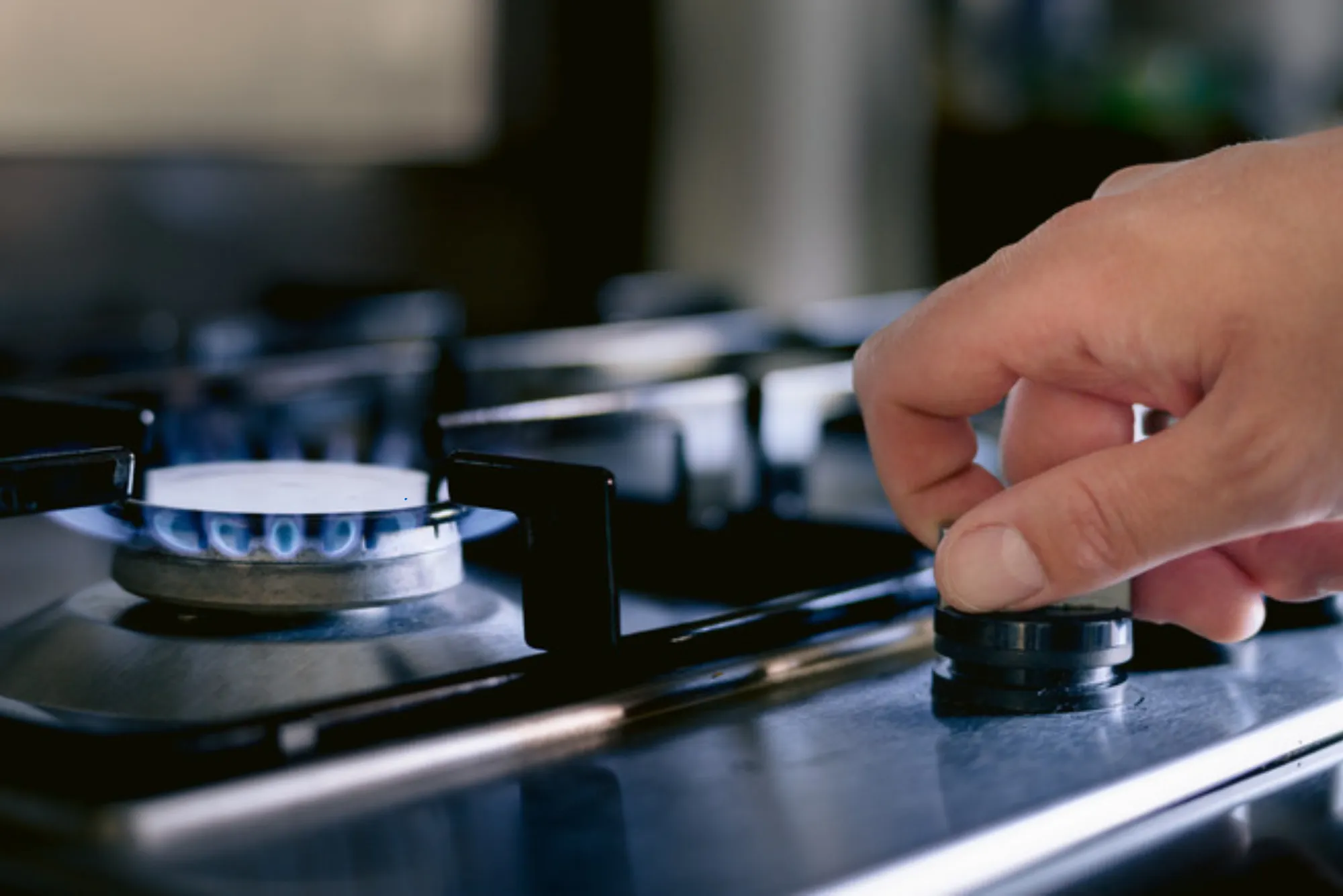
At their core, stove igniter switches are deceptively simple devices. They are designed to initiate the spark that ignites the gas flowing from a burner. However, the engineering behind this simple action is highly complex. An igniter switch must respond instantly to user input, generate adequate voltage for sparking, withstand repeated use, and perform under varying temperatures and conditions.
Electronic igniters work by channeling electrical current through a transformer that steps up voltage to thousands of volts, creating an arc capable of igniting gas. The switch plays a dual role: it initiates this process and ensures current flows only when required. Materials used in igniter switches—such as heat-resistant plastics, ceramics, and conductive alloys—are chosen for their ability to withstand stress and prevent degradation under extreme cooking conditions.
Safety Enhancements Enabled by Igniter Switches
Safety is arguably the most critical dimension of stove igniter switches. By eliminating the need for matches or pilot lights, they reduce risks of accidental burns, wasted gas, and kitchen fires. The switch ensures that ignition occurs only when gas is actively flowing and under the user’s control.

Modern igniter switches are often integrated with flame-sensing technologies. These systems verify that a flame is present after ignition, shutting off the gas if no flame is detected. This additional safeguard demonstrates how stove igniter switches are more than just convenience features—they are essential safety devices that protect homes and families from potential hazards.
Energy Efficiency and Environmental Impact
The role of igniter switches extends beyond immediate safety. They also play an important role in energy efficiency and environmental sustainability. Pilot lights, once common, consumed gas continuously, leading to significant waste. Igniter switches enable on-demand ignition, ensuring gas is only burned when actively cooking.
This seemingly small change translates to a substantial reduction in energy consumption over time. In a world increasingly focused on environmental responsibility, the efficiency of stove igniter switches aligns perfectly with sustainable living goals. They minimize waste, lower utility bills, and reduce household carbon footprints—all while improving the cooking experience.
Integration with Smart Kitchen Technology
The digital transformation of homes has reached kitchens, and igniter switches are not immune to this trend. In smart stoves, igniter switches are often linked to digital sensors, timers, and app-based controls. This integration enables features such as remote ignition, automatic shutoff, and even diagnostic alerts when an igniter switch begins to wear out.
These smart applications enhance both safety and convenience. For example, if a burner fails to ignite, the system can notify the user instantly through a mobile app. In commercial kitchens, smart igniter switches can integrate with building management systems to monitor energy usage and safety compliance across multiple stoves.
Maintenance and Troubleshooting Considerations
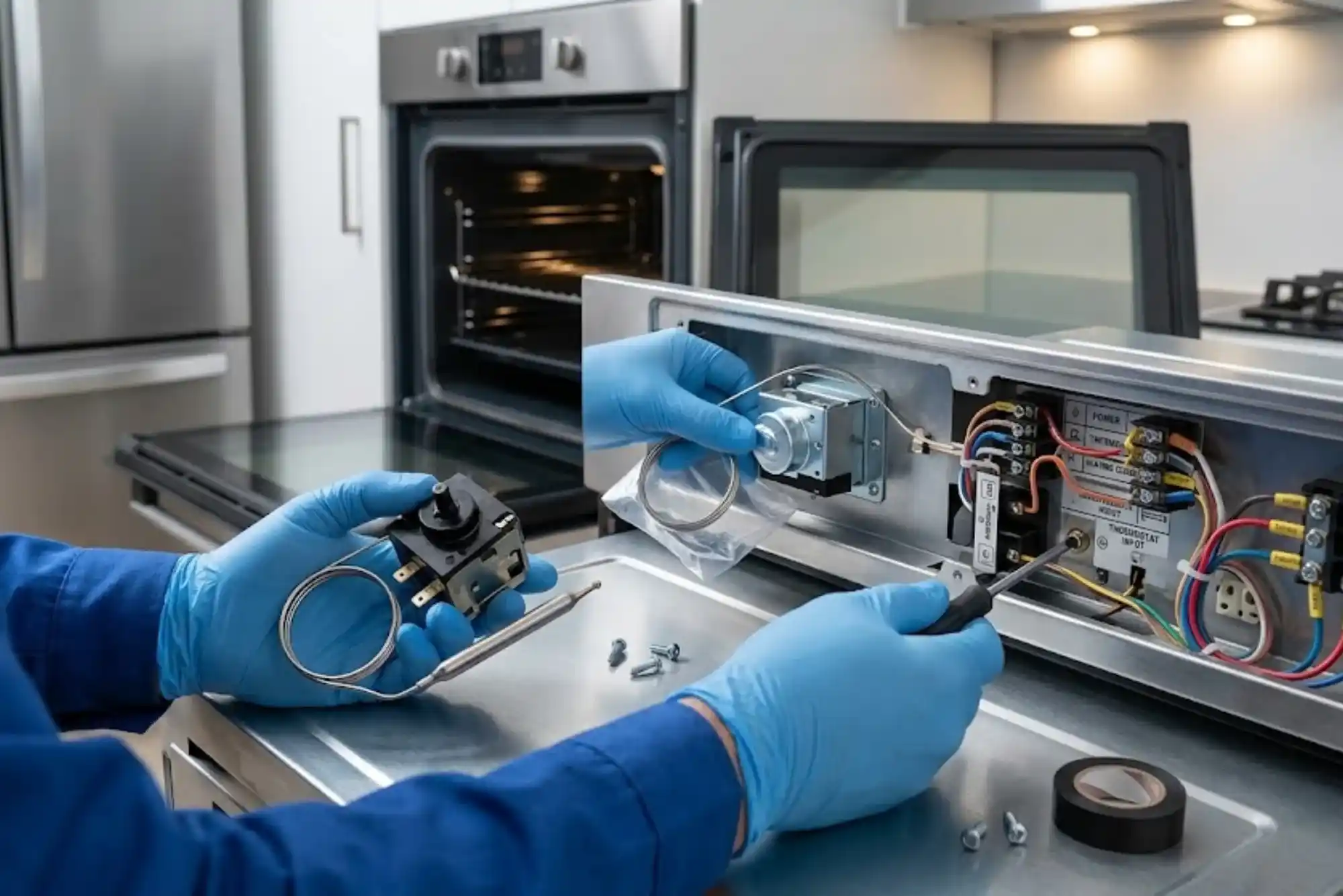
Despite their durability, stove igniter switches are not immune to wear and failure. Common issues include switches that stick, fail to spark, or spark continuously. Such problems often result from grease buildup, worn contacts, or damage to surrounding electrical components.
Regular maintenance, including cleaning the switch area and ensuring proper insulation, is vital for long-term performance. For homeowners, understanding basic troubleshooting can prevent unnecessary service calls. However, more complex failures usually require professional technicians who can safely replace switches and test ignition systems. This balance between user-level care and expert maintenance ensures reliability while preventing hazards.
The Role in Commercial Versus Residential Kitchens
While the principles of igniter switches are universal, their role differs between residential and commercial kitchens. In homes, the focus is on safety, convenience, and ease of use. In restaurants or industrial kitchens, igniter switches must endure much higher usage rates and harsher conditions. They are often engineered for durability, with more robust materials and redundant systems to prevent downtime.
For commercial chefs, the reliability of an igniter switch is critical. Delayed ignition or repeated failures not only slow down operations but can also compromise food quality and safety. As such, the commercial-grade igniter switch is a specialized component designed to meet the rigorous demands of professional cooking environments.
Manufacturing Standards and Global Regulations
Because stove igniter switches directly influence safety, they are subject to strict regulations and quality standards worldwide. Manufacturers must comply with standards such as ISO certifications, UL listings, or CE markings, depending on the region. These standards dictate everything from material quality to electrical resistance, ensuring that switches function consistently under prescribed conditions.
Globalization has also influenced igniter switch manufacturing. Components may be designed in one country, assembled in another, and sold worldwide. Adherence to international standards is therefore essential to guarantee compatibility, reliability, and safety across diverse markets.
The Future of Stove Igniter Switches
Looking ahead, stove igniter switches will continue to evolve alongside broader kitchen technologies. Innovations may include self-diagnosing switches capable of predicting their own failure, switches made from advanced sustainable materials, and designs that further integrate with smart home ecosystems.
As renewable energy gains traction, igniter switches may adapt to stoves powered by biogas or hydrogen, requiring re-engineering to handle different ignition properties. In all scenarios, the fundamental role remains the same: to provide a safe, reliable, and efficient way to ignite fuel in the cooking process.
A Small Component with Immense Impact
Though often overlooked, stove igniter switches embody the intersection of safety, efficiency, and technological progress in modern kitchens. From their historical evolution to their present role in smart homes, these switches demonstrate how even the smallest components can transform everyday life. They are more than simple triggers of fire—they are guardians of safety, enablers of energy efficiency, and pillars of convenience. As kitchen technology advances further, stove igniter switches will remain indispensable, continuing to evolve quietly but significantly at the heart of every meal prepared.