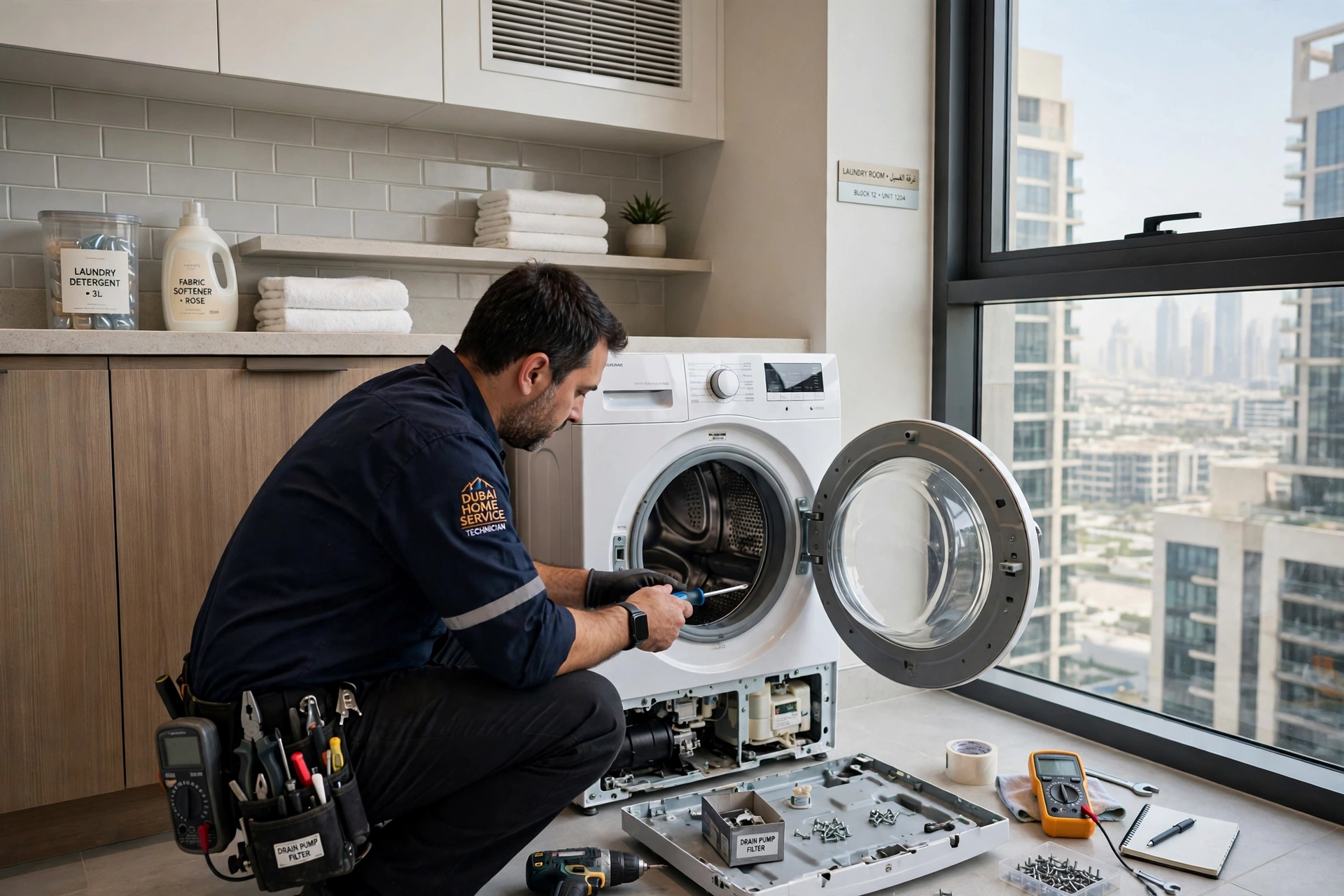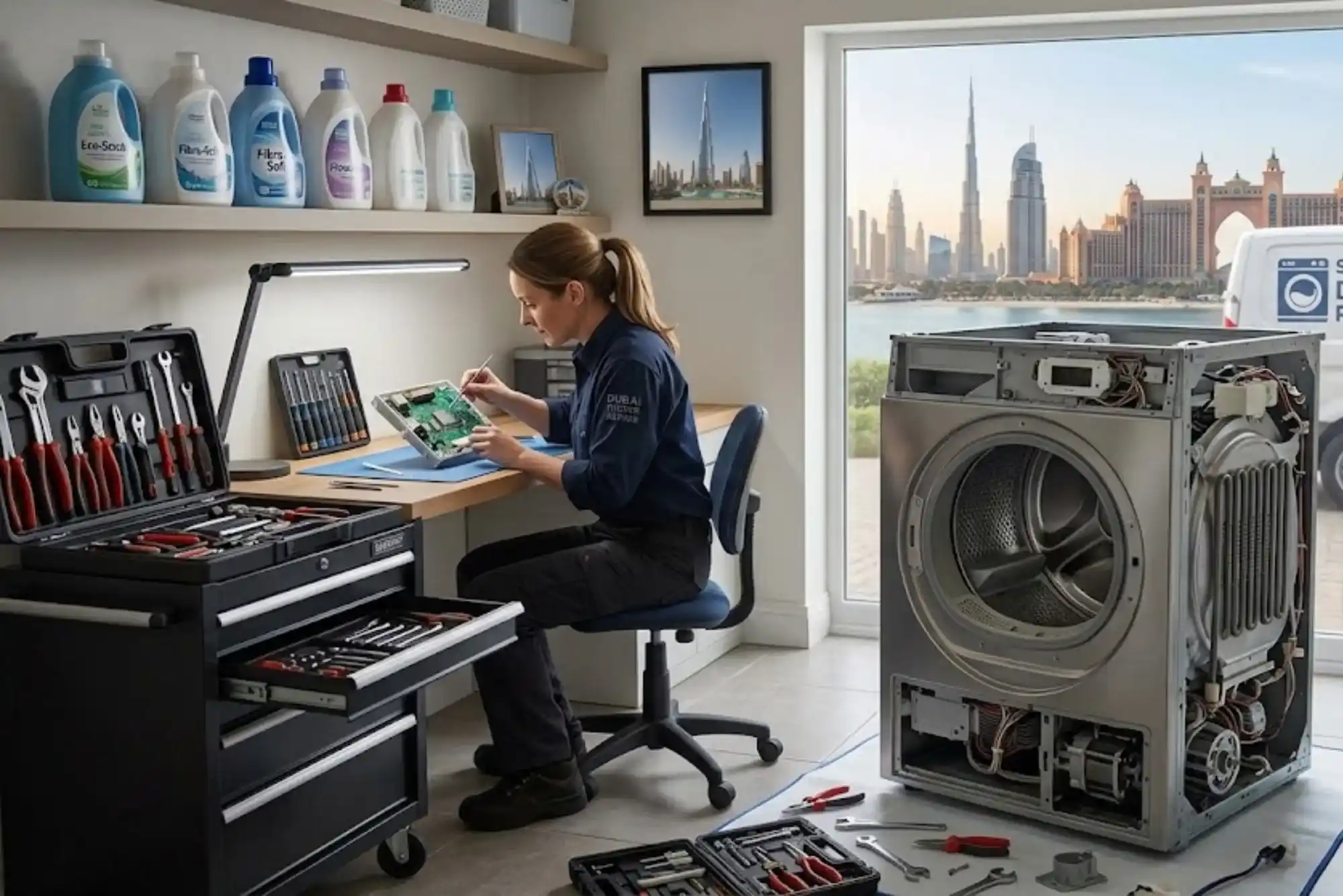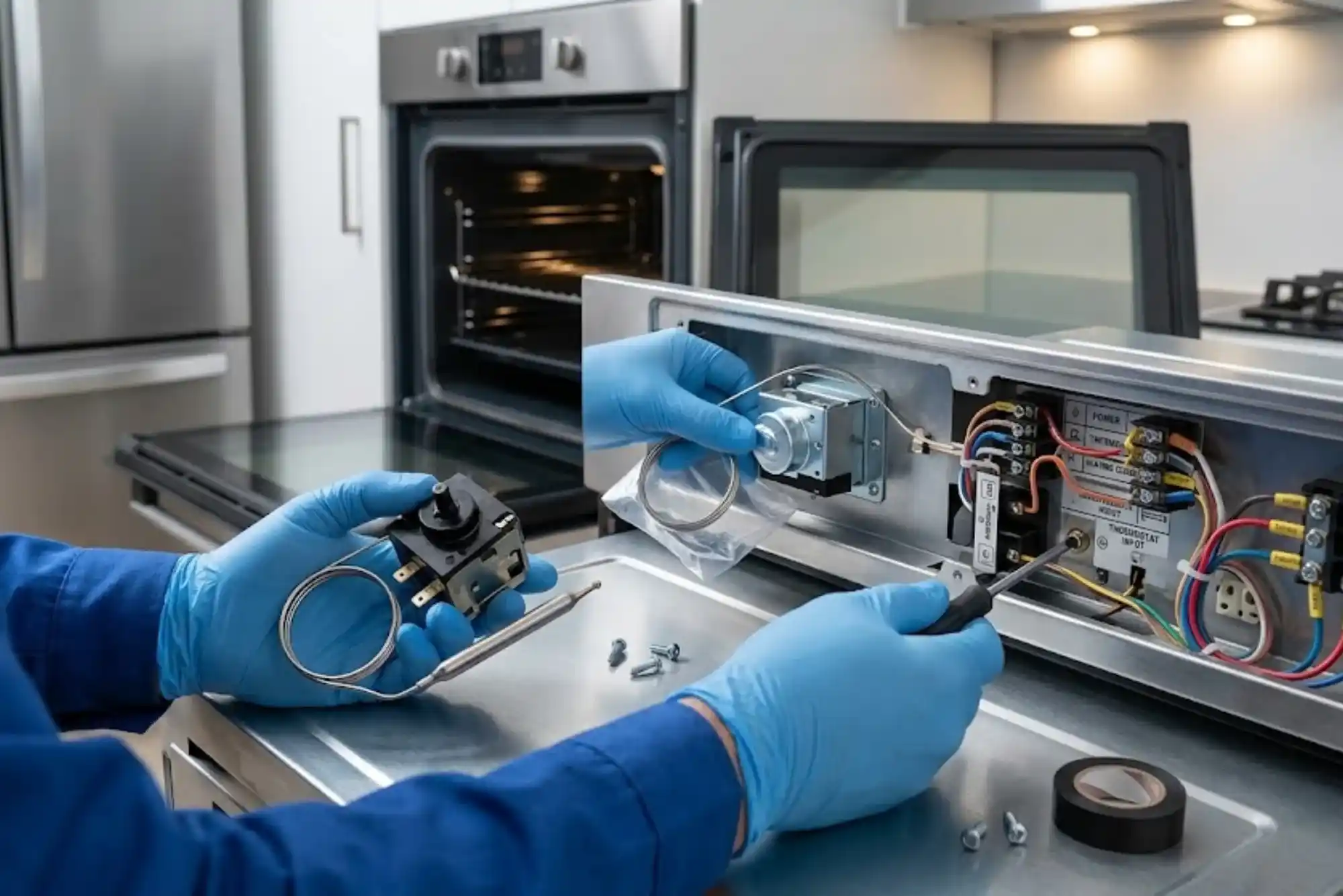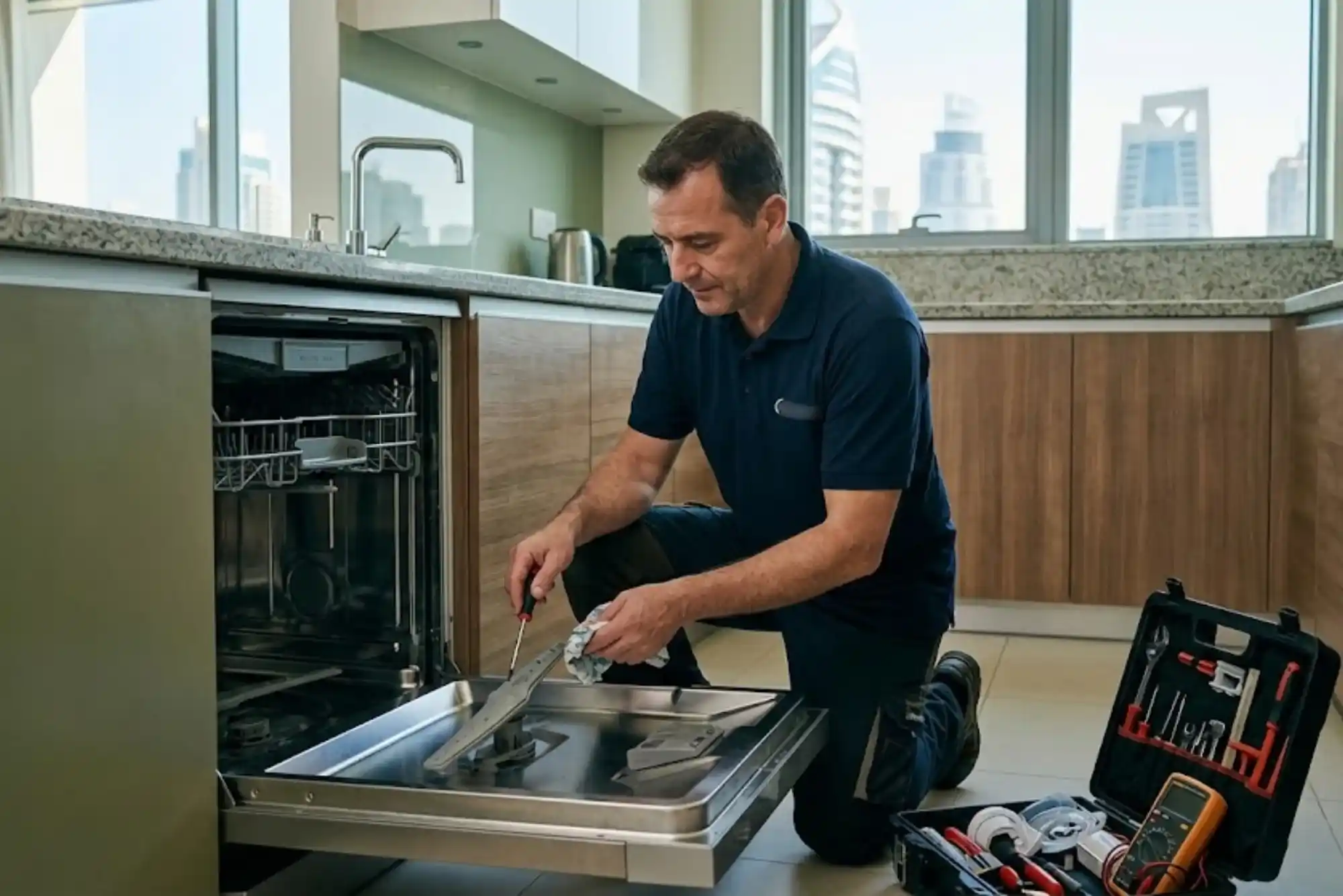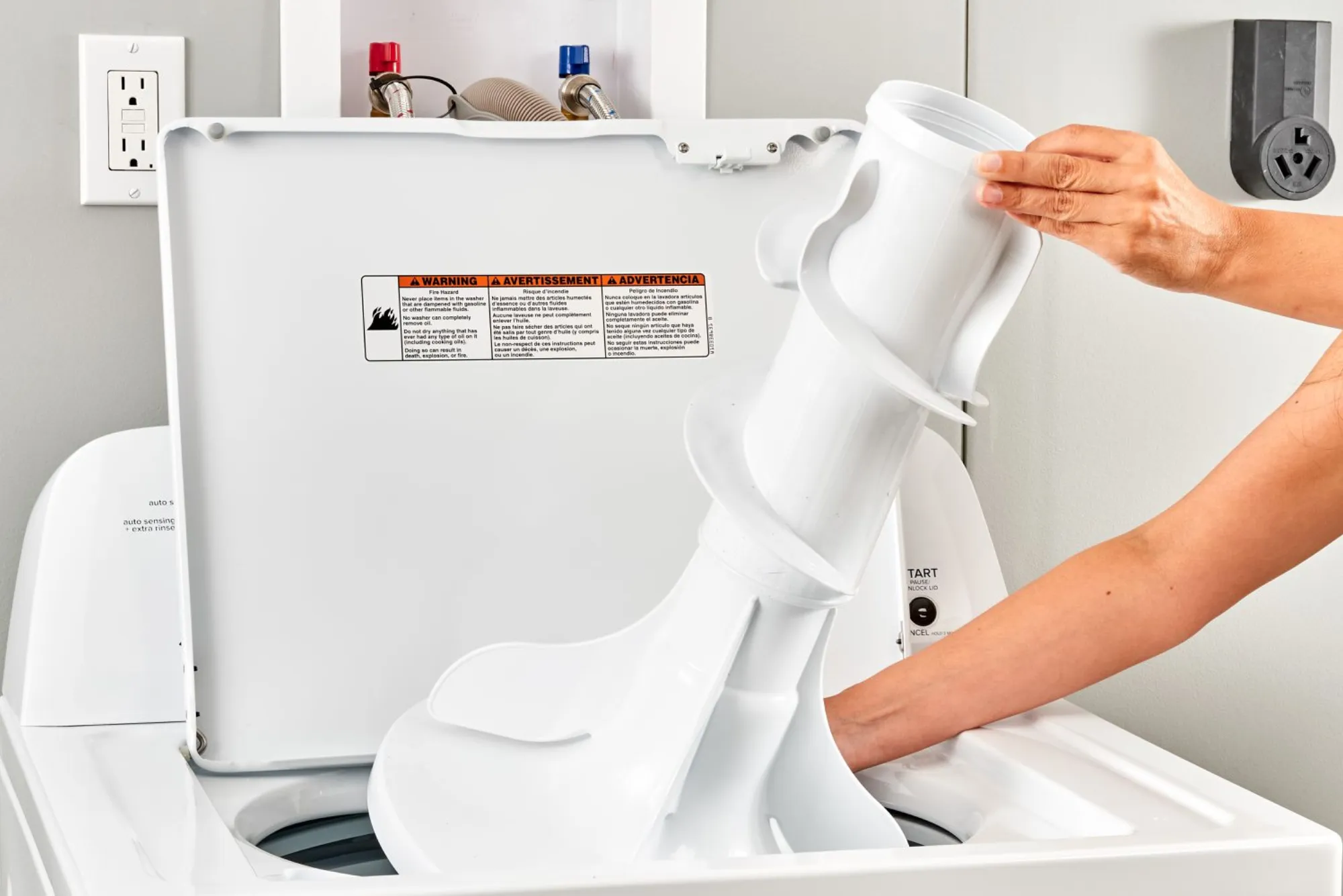
A washing machine is one of the most used appliances in any household, and when it stops working properly, the disruption can quickly become frustrating. Among the many components that keep a washing machine functioning smoothly, the agitator plays a vital role. The agitator is the central spindle inside the drum that moves clothes back and forth during the wash cycle, helping to remove dirt and stains effectively. When the agitator stops working as intended, laundry results can suffer dramatically. Troubleshooting agitator issues is a process that requires understanding how it works, what common problems occur, and what solutions are available.
Understanding the Role of the Agitator
The agitator’s primary function is to create movement that pushes water and detergent through fabrics. This action lifts grime, breaks down residue, and ensures that laundry is evenly exposed to the cleaning solution. In traditional top-loading machines, the agitator has fins or paddles that rotate or oscillate to move clothes around. Without this movement, clothing can clump together, detergents may not dissolve properly, and the wash cycle becomes less effective.
By design, the agitator relies on a system of gears, belts, directional cogs, and sometimes clutches. When even one of these parts begins to fail, the machine may lose the ability to agitate, or the agitator may move inconsistently. This makes it essential to know the symptoms of agitator failure and how to approach repairs.
Common Symptoms of Agitator Malfunctions
Agitator issues often reveal themselves in ways that are hard to ignore. The most frequent sign is a complete lack of movement, where the agitator sits motionless throughout the wash cycle. In other cases, it may move weakly, slipping instead of gripping clothes firmly. Another common symptom is a one-directional spin where the agitator only moves clockwise or counterclockwise but not in the intended oscillating pattern.
Unusual noises also point toward internal trouble. Grinding, rattling, or knocking sounds usually signal broken cogs or a loose internal mechanism. When these sounds occur, continuing to run the machine risks further damage. A final sign is poor cleaning results—if clothes emerge soapy, stained, or twisted into tight knots, the agitator may not be functioning correctly.
Diagnosing Underlying Causes
The causes of agitator problems can be mechanical, electrical, or a mix of both. Mechanical wear is the most common culprit. Over time, plastic components such as directional cogs, often called agitator dogs, become worn and lose grip. Without these parts functioning correctly, the agitator cannot rotate as intended.

Another cause is a damaged drive belt. Many washing machines rely on belts to transfer power from the motor to the agitator. A loose or snapped belt interrupts this power flow. Similarly, the clutch assembly or transmission may wear out, preventing proper torque from reaching the agitator.
In some cases, electrical issues play a role. A faulty motor, damaged wiring, or malfunctioning control board can prevent the agitator from receiving signals to move. Since modern machines rely on electronic commands to initiate cycles, even a small failure in communication can result in a frozen agitator.
The Process of Initial Troubleshooting
The first step in troubleshooting is observation. Watching how the machine behaves during a cycle can offer immediate clues. If the agitator begins moving and then suddenly stops, it may point to slipping parts or belt issues. If it never moves at all, electrical faults or complete gear failure may be to blame.
Next, unplugging the machine and manually testing the agitator for resistance is a safe way to check for damage. A freely spinning agitator with no resistance typically indicates worn cogs, while a stuck agitator may mean internal binding. Listening carefully during operation and smelling for signs of burning rubber can also help narrow down the problem to belts or motors.
Repairing Agitator Dogs and Cogs
One of the most frequent repairs involves replacing worn agitator dogs. These small, inexpensive components grip the teeth of the agitator and allow it to move in one direction before resetting. When they wear down, the agitator may slip or stop altogether.
Repairing them involves removing the fabric softener dispenser and cap to access the bolt holding the agitator in place. Once removed, the top of the agitator can be separated to reveal the cogs. Installing new cogs is straightforward, and doing so restores the agitator’s back-and-forth motion. This is often a beginner-friendly repair, requiring only basic tools.
Addressing Belt and Clutch Problems
When belts are worn or snapped, the machine may produce a humming sound without agitation. Inspecting the underside of the washer usually reveals whether the belt is loose, frayed, or broken. Replacing a belt requires sliding it off the pulleys and installing a new one with proper tension.
Clutch issues are slightly more complex. The clutch helps regulate the connection between the transmission and agitator. Over time, clutch pads wear out, causing slipping. Repair or replacement often requires disassembly of the washing machine cabinet and drum, making it more advanced but achievable with patience.
Transmission and Gearcase Complications
If replacing small parts does not solve the problem, the transmission or gearcase may be at fault. The transmission converts motor power into the correct type of movement for the agitator. When gears inside the transmission strip or seize, the agitator may become stuck or move irregularly.
Transmission repairs are complicated and often require specialized tools. For older machines, it may make financial sense to replace the washer entirely rather than investing in a new transmission. However, for high-quality models, replacing the gearcase can extend the machine’s life significantly.
Electrical Failures and Control Problems
While mechanical issues are common, electrical problems should not be overlooked. A burned-out motor winding or defective capacitor can stop the agitator from turning. Similarly, a damaged wiring harness or faulty control board can interrupt signals between the motor and agitator.
Testing electrical components requires a multimeter to check for continuity and voltage. If the motor fails these tests, replacement is necessary. Control boards are usually replaced rather than repaired, as they are sealed units. These repairs may require professional assistance if the user lacks electrical safety knowledge.
Preventive Measures for Longevity
Preventing agitator issues begins with proper use of the washing machine. Overloading is one of the most common causes of premature wear. When too many clothes are packed into the drum, excess strain is placed on the agitator and transmission. Following the manufacturer’s load recommendations ensures balanced performance.
Using the right type and amount of detergent also helps reduce residue buildup. Residue can harden around moving parts, restricting motion and accelerating wear. Running occasional cleaning cycles with machine-safe cleaners removes hidden grime. Regular inspections for loose belts, leaks, or unusual noises can catch problems early before they escalate.
When to Call a Professional
While many agitator issues can be handled with do-it-yourself repairs, some situations call for professional service. If the machine requires transmission replacement, major electrical diagnosis, or advanced disassembly, an experienced technician ensures safety and efficiency. Additionally, if the cost of parts approaches the cost of a new washer, a professional can provide guidance on whether repair or replacement is the smarter investment.
Balancing Repair and Replacement Decisions
One of the biggest challenges in troubleshooting agitator problems is knowing when to repair versus replace. For newer machines still under warranty, repairs are usually covered, making them the obvious choice. For older machines, especially those more than a decade old, the decision becomes more complicated.
If the machine has multiple issues beyond the agitator—such as leaking seals, weak spin cycles, or rusting tubs—it may be more cost-effective to purchase a new washer with modern efficiency features. However, if the agitator is the only problem, a relatively inexpensive repair can restore full performance for years to come.
Restoring Efficiency and Reliability
The agitator is central to the washing process, and when it fails, the results are immediately noticeable in cleaning quality and machine performance. Troubleshooting requires patience, observation, and a willingness to inspect mechanical and electrical components. In many cases, replacing small parts such as agitator dogs or belts is all that is needed to restore smooth operation.
By maintaining proper use habits and addressing issues promptly, homeowners can significantly extend the lifespan of their washing machines. Whether handled through simple do-it-yourself solutions or with the help of a professional technician, repairing agitator issues ensures reliable laundry performance and prevents unnecessary replacement costs.