What Is SEER and Why It Matters
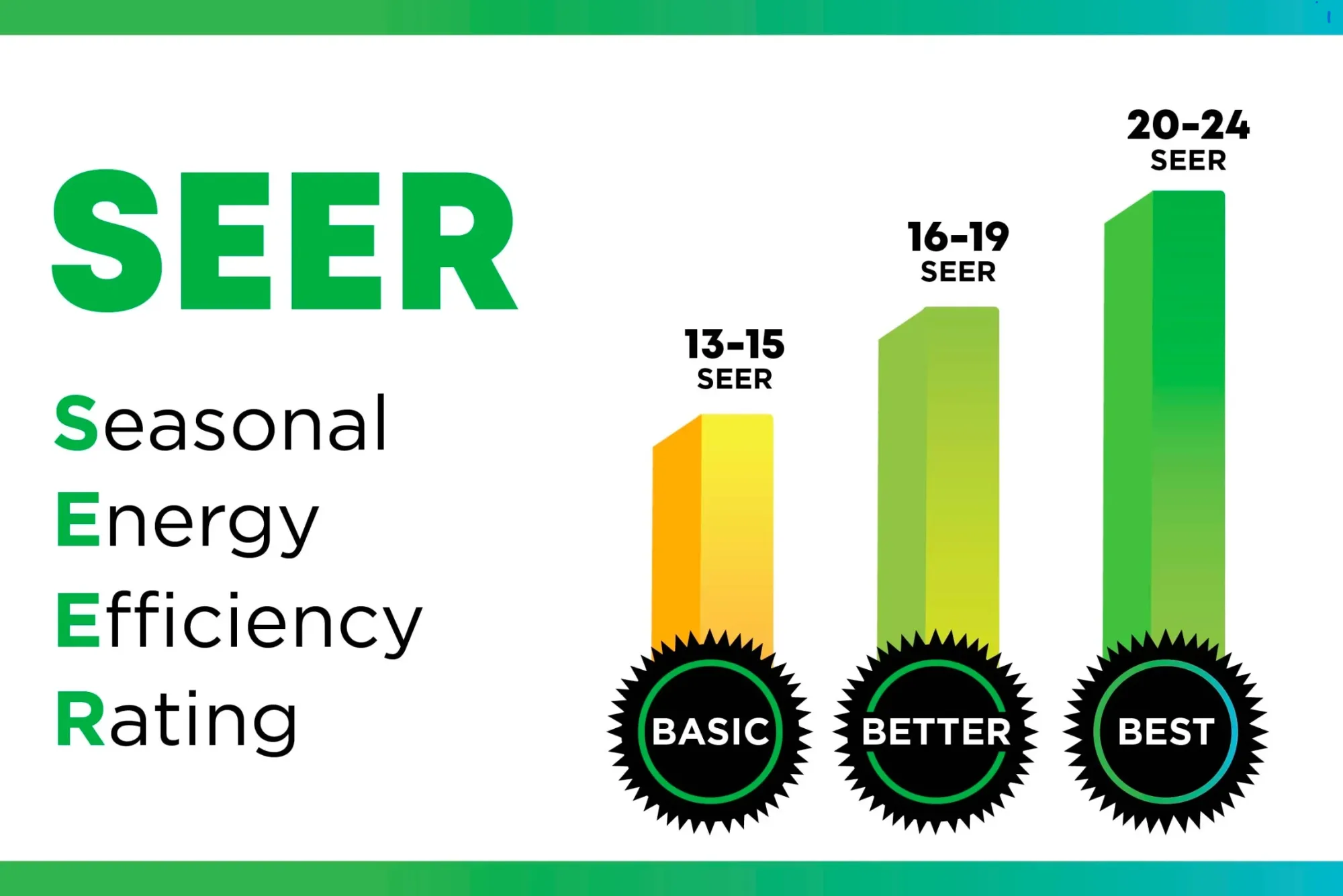
When shopping for a new air conditioner, you’ve likely come across the term SEER rating. SEER stands for Seasonal Energy Efficiency Ratio, and it’s a key factor in determining how efficiently an air conditioning system performs over an entire cooling season. Simply put, SEER measures the amount of cooling your AC unit delivers per unit of energy consumed.
This number can make a significant difference in both your comfort and your electricity bills. The higher the SEER rating, the more energy-efficient the air conditioning unit is. But the SEER rating isn’t just a number—it’s a reflection of how your cooling system will behave in the real world over time, in varying temperatures and conditions.
How SEER Ratings Are Calculated
SEER is calculated by dividing the cooling output (in British Thermal Units or BTUs) during a typical cooling season by the total energy consumed in watt-hours. This calculation is performed under a range of conditions to simulate real-life usage across a full season.
For example, an AC system that produces 60,000 BTUs over the season and uses 5,000 watt-hours of energy will have a SEER rating of 12. This formula helps consumers compare the relative energy efficiency of different systems, just like miles per gallon (MPG) does for vehicles.
SEER Rating vs. Real-World Efficiency
It’s important to understand that SEER represents maximum potential efficiency under ideal conditions. Real-world efficiency can vary depending on factors such as installation quality, ductwork condition, room insulation, climate, and system maintenance.
Even a high-SEER unit can underperform if it’s improperly installed or poorly maintained. That’s why it’s essential to not only focus on the SEER rating but also ensure proper sizing, regular servicing, and optimal system setup for your specific home or office.

Maintenance and Its Role in Preserving SEER Efficiency
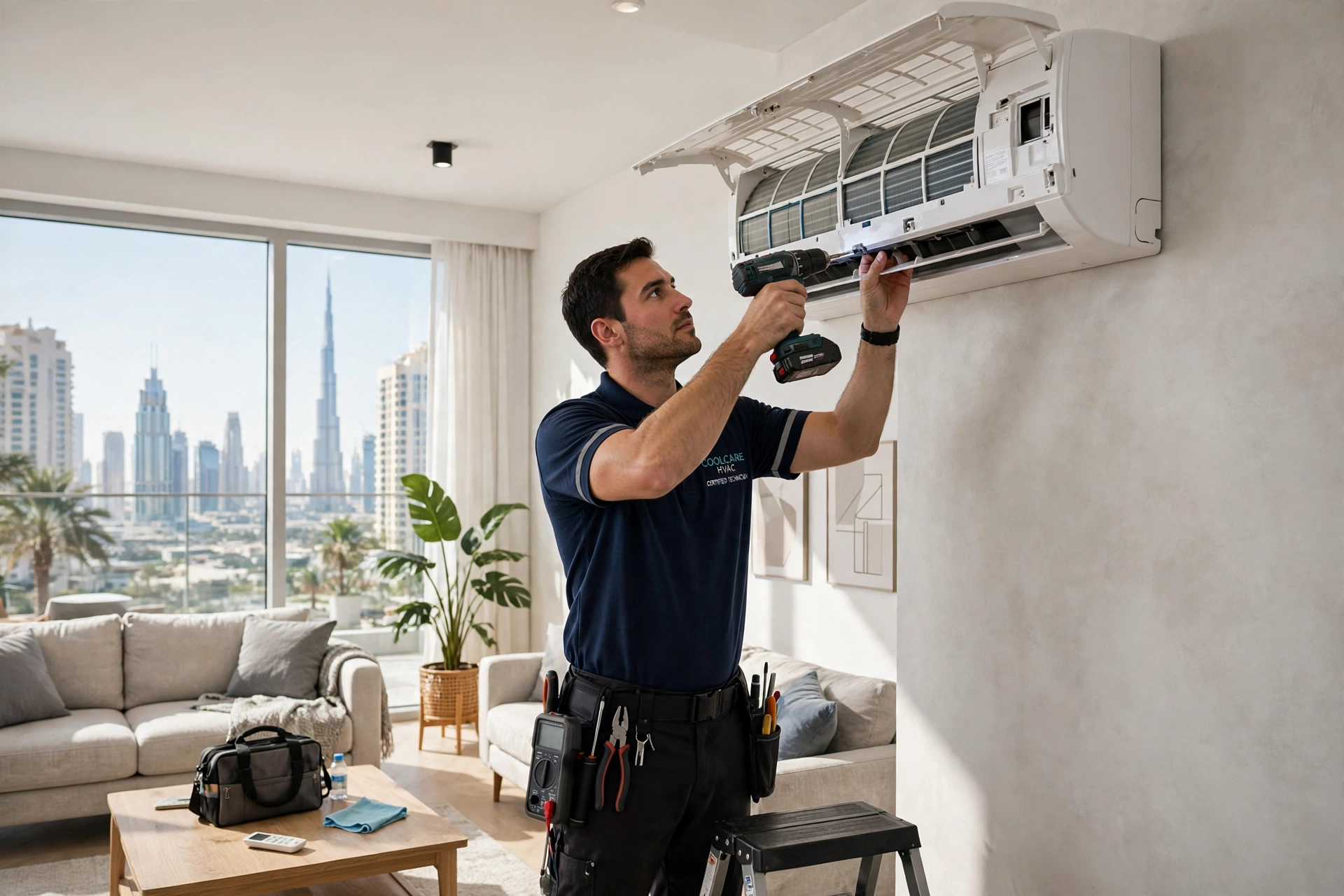
It’s also important to understand that even the most energy-efficient air conditioner can become inefficient if it is not properly maintained. Factors such as dirty filters, blocked vents, leaking ductwork, or low refrigerant levels can all reduce your system’s performance and make the SEER rating irrelevant.
Regular preventive maintenance helps keep your AC unit performing close to its rated SEER efficiency. Annual or bi-annual inspections ensure the coils are clean, components are in working condition, refrigerant levels are correct, and all parts are operating as they should.
In fact, manufacturers recommend scheduled maintenance not only to preserve efficiency but also to honor warranty agreements, which often require proof of professional upkeep.
Does a Higher SEER Rating Mean Better Cooling?
A common misconception is that a higher SEER rating automatically means better cooling power. In reality, SEER has nothing to do with how cold the air feels. All air conditioners are designed to cool air to a desired temperature. The difference is that higher-SEER units achieve this more efficiently, Post Category , using less electricity.
So, two units—one with a SEER of 14 and another with a SEER of 21—might cool your room equally well, but the 21-SEER model will do it while drawing significantly less power, especially over long operating cycles. This results in better overall comfort with lower operating costs.
SEER Ratings and Energy Savings
One of the most tangible benefits of a higher SEER rating is lower energy consumption. Over time, the savings from using a more efficient system can be significant. Consider the following example:
If your current system has a SEER rating of 10 and you upgrade to one with a SEER rating of 16, you can expect to reduce your cooling energy usage by approximately 40%. While the upfront cost of a higher-SEER unit may be greater, the long-term savings on electricity can offset the initial investment within just a few years.
This is especially important in regions with hot, extended summers where cooling costs form a major part of the utility bill.
What Is a Good SEER Rating?
Minimum SEER requirements vary by region. In many places, the minimum SEER rating allowed for new systems is 13 or 14. However, modern units can go up to SEER 25 or even higher.
Here’s a general guide:
- 13–15 SEER: Basic efficiency, usually the most affordable upfront.
- 16–18 SEER: Mid-range efficiency, a good balance between cost and performance.
- 19+ SEER: High-efficiency systems with advanced features and premium energy savings.
Your ideal SEER rating depends on your budget, climate, usage patterns, and how long you plan to stay in your current home. If you’re planning a long-term stay, investing in a higher SEER unit may offer excellent returns through lower energy bills.
SEER and Environmental Impact
Choosing a high-SEER system isn’t just good for your wallet—it’s good for the planet. More efficient systems consume less electricity, which means lower greenhouse gas emissions, especially in regions where electricity is still generated using fossil fuels.
In a world increasingly concerned with energy conservation and carbon footprints, selecting an AC system with a higher SEER rating is one way to reduce your environmental impact.
Features That Improve SEER Performance
High-SEER air conditioning systems often come with additional technologies that contribute to better performance and comfort. These may include:
Variable-speed compressors: Adjust output to match cooling needs, avoiding energy waste.
Smart thermostats: Allow precise control and optimization based on usage patterns.
Advanced airflow management: Features like multi-stage fans and zone control for better comfort and efficiency.
While these features can raise the initial purchase price, they enhance system efficiency, reduce wear and tear, and lead to longer unit lifespan.
SEER Rating and Home Comfort
Apart from saving energy, a higher SEER rating often translates to improved indoor comfort. These systems can better regulate temperature, reduce humidity, and maintain consistent airflow throughout the space.
Older systems with lower SEER ratings may turn on and off frequently, causing temperature swings and uneven cooling. In contrast, newer high-SEER systems operate more smoothly, often at lower, continuous speeds, which keeps your indoor environment stable and comfortable.
Comparing SEER to EER and HSPF
In addition to SEER, you may encounter other ratings like EER (Energy Efficiency Ratio) and HSPF (Heating Seasonal Performance Factor).
EER measures the cooling efficiency of an AC unit at a specific temperature (typically 95°F). It’s a snapshot of how the system performs under peak conditions.
HSPF is relevant for heat pumps and measures their heating efficiency during a season.
While SEER provides a broader view of performance over time, it’s helpful to consider EER and HSPF as part of the overall efficiency picture when selecting a system.
SEER and Smart Energy Incentives
Many governments and energy providers offer rebates or tax credits for installing high-efficiency systems. These programs are designed to encourage the use of appliances that consume less electricity and help reduce peak demand.
When choosing a high-SEER unit, check local energy incentive programs. The savings from rebates or incentives can further reduce your upfront costs and make upgrading to an efficient unit more affordable.
Choosing the Right SEER Rating for Your Needs
There is no one-size-fits-all SEER rating. The right choice depends on several factors:
Climate: In warmer regions, a higher SEER unit will provide greater returns.
Usage: If you use your AC frequently, go for a higher rating.
Budget: Balance between what you can afford now and what you’ll save later.
Home size and insulation: A properly insulated home may not need the highest SEER rating to stay cool.
It’s best to consult a licensed HVAC technician who can assess your specific requirements and recommend the most efficient system for your home or business.
SEER Isn’t Everything—but It’s Important
While SEER is a critical factor in selecting an air conditioning system, it should be part of a holistic approach to energy efficiency. Proper installation, regular maintenance, duct sealing, and smart usage habits also contribute to how much energy your system consumes.
Even a high-SEER unit can become inefficient if filters are clogged, thermostats are poorly calibrated, or airflow is restricted. So, once your system is in place, make maintenance a regular habit to get the most out of your investment.
Final Thoughts on SEER Ratings
Understanding SEER ratings empowers you to make smart decisions when it comes to cooling your home or office. Higher SEER units offer better energy efficiency, lower operating costs, improved indoor comfort, and greater environmental benefits.
Whether you’re replacing an old system or building a new space, evaluating SEER alongside other important factors will help you choose an air conditioning system that suits your lifestyle and long-term goals.
Don’t just chase numbers—focus on the complete performance, installation quality, and aftercare. With the right balance, a well-chosen air conditioner will keep you cool, comfortable, and energy-smart for years to come