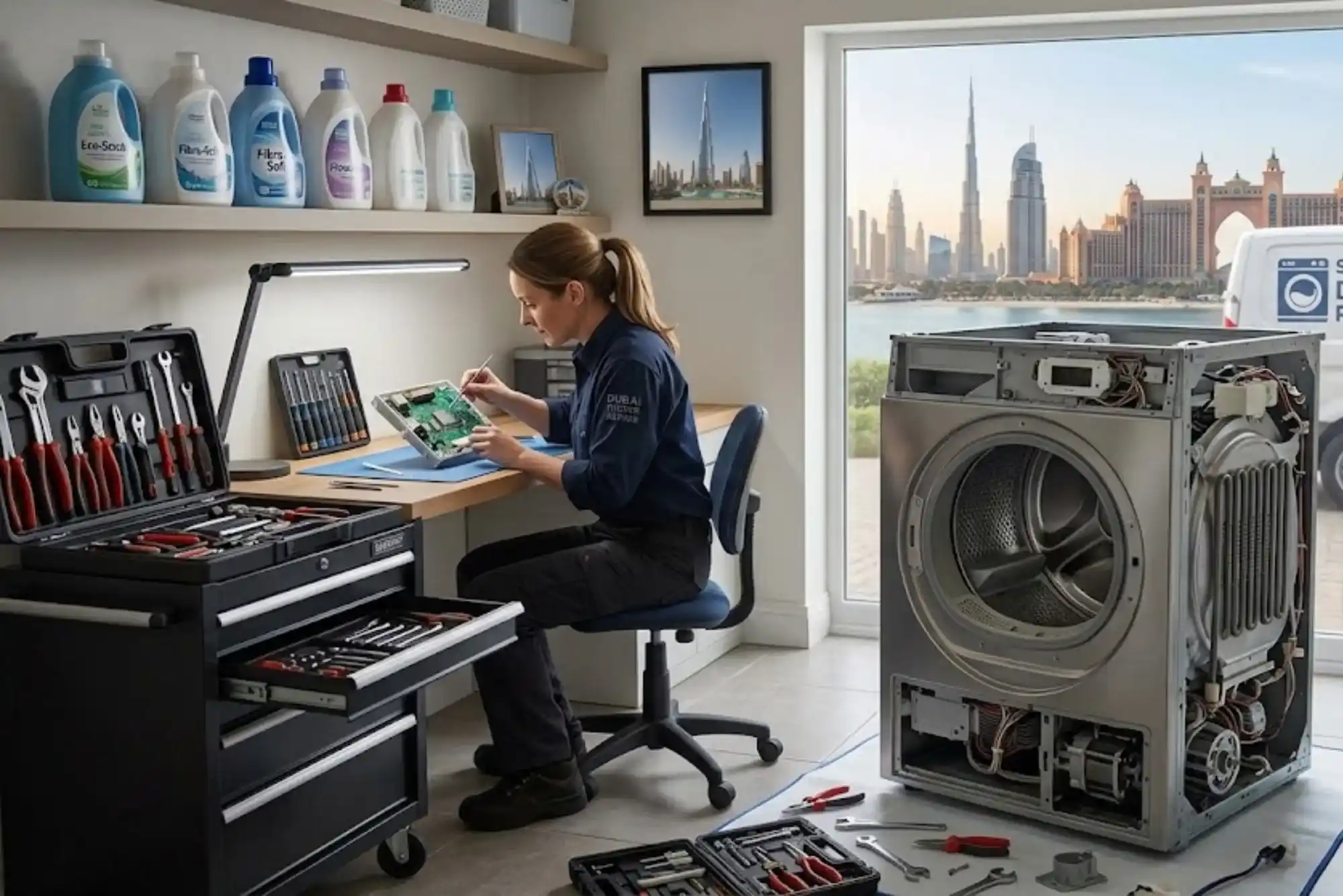
A washing machine is one of the hardest-working appliances in any home. While some operating sounds are completely normal, unusual banging, grinding, squealing, or knocking noises usually indicate that something requires attention. Ignoring these warning signs can turn a minor repair into an expensive replacement. Understanding what causes excessive noise can help homeowners identify problems early and know when professional assistance is necessary.
This guide explains the most common washing machine noise problems, their likely causes, practical troubleshooting steps, and why timely repair services protect both your appliance and your investment.
Why Is Your Washing Machine Making Noise?
Modern washing machines contain numerous moving parts that work together during washing and spinning cycles. As components wear over time, noises become one of the earliest indicators of mechanical problems.
Common sounds include:
- Banging during spin cycles
- Grinding or scraping noises
- Squealing belts
- Clicking sounds
- Knocking inside the drum
- Excessive vibration
- Rattling during operation
Each sound often points toward a specific issue that should be diagnosed before additional damage occurs.
Common Washing Machine Noise Problems and Their Causes
| Noise Type | Possible Cause | Recommended Solution |
|---|---|---|
| Banging | Unbalanced load or worn suspension | Redistribute clothes or replace suspension components |
| Grinding | Worn drum bearings | Professional bearing inspection and replacement |
| Squealing | Loose or worn drive belt | Replace damaged belt |
| Rattling | Loose objects inside drum or pump | Remove foreign objects |
| Knocking | Damaged shock absorbers | Inspect and replace faulty shocks |
| Clicking | Door lock or electrical component | Inspect locking mechanism |
Unbalanced Loads
The simplest cause of loud washing machine noise is an uneven distribution of clothing. Heavy blankets, towels, or bedding may collect on one side of the drum, creating excessive vibration during high-speed spinning.

To prevent this:
- Avoid overloading the washer.
- Mix large and small garments.
- Pause the cycle if severe vibration occurs.
- Redistribute the load evenly.
Worn Suspension Components
Suspension rods and shock absorbers stabilize the drum during operation. As they wear, the washer begins shaking violently, often producing loud banging noises.
If excessive movement continues even with balanced loads, damaged suspension parts may require replacement. Homeowners experiencing severe vibration can learn more about replacing washing machine suspension rods.
Drum Bearing Failure
One of the most serious noise issues comes from worn drum bearings. Bearings allow the drum to rotate smoothly. Over time, moisture, detergent residue, and continuous use cause them to deteriorate.
Symptoms include:
- Grinding sounds
- Metal scraping
- Increasing noise during spin cycles
- Drum movement when pushed by hand
Because bearing replacement involves major disassembly, professional repair is generally recommended.
Loose Objects Inside the Washer
Coins, screws, bra wires, buttons, and other small objects often become trapped inside the drum or drain pump. These objects create rattling or clicking sounds as the drum rotates.
Always check pockets before washing and inspect the drum if unusual noises suddenly appear.
Damaged Drive Belt
A worn or loose drive belt may squeal or chirp during operation. Rubber belts naturally wear after years of use, especially under heavy household loads.
Replacing the belt early prevents additional strain on the motor and transmission.
Motor Problems
If humming or grinding occurs even when the drum isn’t spinning properly, the drive motor may be developing internal faults.
Electrical motor repairs should always be handled by qualified appliance technicians to ensure safe operation.
Drain Pump Noise
During the draining cycle, damaged impellers or debris inside the pump can create grinding or buzzing sounds.
If water also drains slowly, the issue may extend beyond simple noise. Homeowners can review practical advice on washer not draining water solutions to better understand related drainage problems.
When Should You Call a Professional?
Some issues, such as redistributing laundry or removing foreign objects, are simple DIY fixes. However, professional repair becomes necessary when:
- The machine shakes excessively.
- Grinding continues every cycle.
- Water leaks accompany unusual sounds.
- The drum feels loose.
- Burning smells appear.
- The washer stops spinning.
- Error codes repeatedly occur.
Professional technicians have specialized tools to diagnose worn bearings, suspension failures, electrical faults, and motor issues accurately.
Preventive Maintenance for Quiet Operation
Regular maintenance significantly reduces the risk of unexpected noise problems.
Keep the Washer Level
Ensure all four feet firmly contact the floor. An uneven appliance naturally vibrates more during high-speed spinning.
Clean the Drum Regularly
Residue buildup affects performance and may contribute to unusual operating sounds over time.
Inspect Hoses and Connections
Loose hoses sometimes knock against walls or cabinets during operation, creating misleading noise.
Avoid Overloading
Consistently washing oversized loads places unnecessary stress on suspension systems, motors, and bearings.
Schedule Routine Inspections
Preventive servicing helps identify worn components before they fail completely. Professional washing machine repair services can detect developing issues during routine maintenance, helping extend appliance lifespan.
Front Load vs. Top Load Noise
Both washer types produce different operating sounds.
Front Load Washers
- Generally quieter
- Higher spin speeds
- More sensitive to bearing wear
- Require proper leveling
Top Load Washers
- Can produce louder agitation sounds
- Suspension components wear differently
- May become noisy with unbalanced loads
Owners of front-load machines can also explore additional maintenance information through this guide on front-load washing machine repair.
Benefits of Early Repair
Addressing washing machine noise promptly offers several advantages:
- Prevents major mechanical failures
- Reduces repair costs
- Improves washing performance
- Extends appliance lifespan
- Enhances household safety
- Minimizes energy consumption caused by worn components
Choosing a Reliable Washing Machine Repair Service
When selecting an appliance repair provider, consider:
- Experience with multiple washer brands
- Transparent pricing
- Warranty on repairs
- Availability of genuine replacement parts
- Positive customer reviews
- Prompt scheduling
A qualified technician not only repairs the immediate issue but also identifies underlying problems that could lead to future breakdowns.
Final Thoughts
Unusual washing machine noises should never be ignored. Whether the sound comes from worn bearings, damaged suspension systems, loose objects, or drainage components, early diagnosis can prevent expensive repairs and prolong the life of your appliance. Simple maintenance practices combined with timely professional servicing ensure quieter operation, improved efficiency, and dependable laundry performance for years to come.
Related Reading: Home Washing Machine Repair Service
Related Reading: Same Day Washing Machine Repair Service
Related Reading: Dishwasher Noise Problem Repair