In today’s fast-paced world, washing machines are a household necessity. They simplify daily chores, save time, and help maintain a clean living environment. Despite their convenience and reliability, even modern washing machines are prone to occasional issues. One of the most common and concerning problems homeowners face is when the washing machine overload protection is triggered.
This feature, while designed to protect the appliance, can be confusing and frustrating if it keeps activating. Understanding why the overload protection engages, how to troubleshoot it safely, and when to seek professional help is crucial to ensuring the washing machine’s longevity and performance.
Understanding Washing Machine Overload Protection
Modern washing machines are equipped with advanced safety mechanisms. Overload protection is one such system, created to prevent damage to the motor, drum, and other mechanical components. When the machine detects that the load in the drum exceeds its safe operating limits, it halts the operation to avoid potential harm. Depending on the model, the machine may stop mid-cycle, fail to start, or display an error code on the control panel.
The overload protection system serves multiple purposes. It safeguards the motor from overheating, prevents excessive wear and tear on moving parts, and ensures that the washing process remains efficient. While it is an essential safety feature, repeated activation often points to underlying issues that need attention. Understanding the mechanisms of overload protection helps homeowners identify the reasons for activation and take corrective measures before a minor problem becomes a costly repair.
Common Causes of Overload Protection Activation
One of the most frequent reasons for overload protection being triggered is simple overloading. Washing machines are designed with a specific load capacity, usually measured in kilograms. Exceeding this limit can strain the motor and activate the safety system. Heavy items such as thick blankets, rugs, or multiple large towels can easily overload the drum. Even if the drum is not physically full, forcing bulky items into a standard cycle may create stress that the machine cannot handle safely.
Apart from overloading, uneven distribution of laundry inside the drum is another common cause. Clothes that bunch up on one side of the drum create an imbalance during rotation. The machine detects this instability and may trigger overload protection to prevent the motor from working harder than it should. Imbalance issues often become more apparent during the spin cycle, which requires the drum to rotate at high speeds. If the machine senses that the load cannot be balanced safely, it stops automatically to prevent damage.

Mechanical and electrical problems can also lead to repeated activation of overload protection. A motor that is clogged, worn out, or malfunctioning can struggle to rotate the drum effectively, causing the system to trigger. Similarly, faulty sensors, control boards, or wiring issues may send false signals that prompt the machine to stop unexpectedly. Objects stuck in the drum or pump, such as coins, buttons, or small accessories, can also impede proper drum rotation, leading to frequent activation of the overload system.
Recognizing the Signs of Overload Protection Engagement
Being able to identify when the overload protection system is active can prevent further damage and costly repairs. Common signs include the machine stopping unexpectedly during a wash cycle, failure of the drum to rotate, blinking error codes or indicator lights, unusual noises or vibrations, and, in severe cases, excessive heat or burning smells coming from the motor area.
Ignoring these warning signs can worsen the problem. Attempting to restart the machine without addressing the underlying cause may damage the motor or other critical components. Early recognition and intervention are key to maintaining the efficiency and lifespan of the washing machine.
Basic Troubleshooting for Overload Protection Issues
Before contacting a professional, there are several steps homeowners can take to troubleshoot the problem safely. First, ensuring the drum is not overloaded and that laundry is distributed evenly can prevent imbalance-related triggers. Removing any foreign objects from the drum or filter may resolve mechanical obstructions. Placing the washing machine on a flat, stable surface reduces vibration that can activate the system. In some models, following the manufacturer’s instructions to reset the appliance may temporarily resolve minor errors. Additionally, maintaining a stable electrical supply helps the motor operate efficiently and prevents false overload triggers.
While these troubleshooting steps may solve occasional problems, repeated activation of the overload protection system typically signals a deeper issue. Professional assessment is often required to prevent recurring problems and avoid further damage.
The Importance of Professional Washing Machine Repair Service
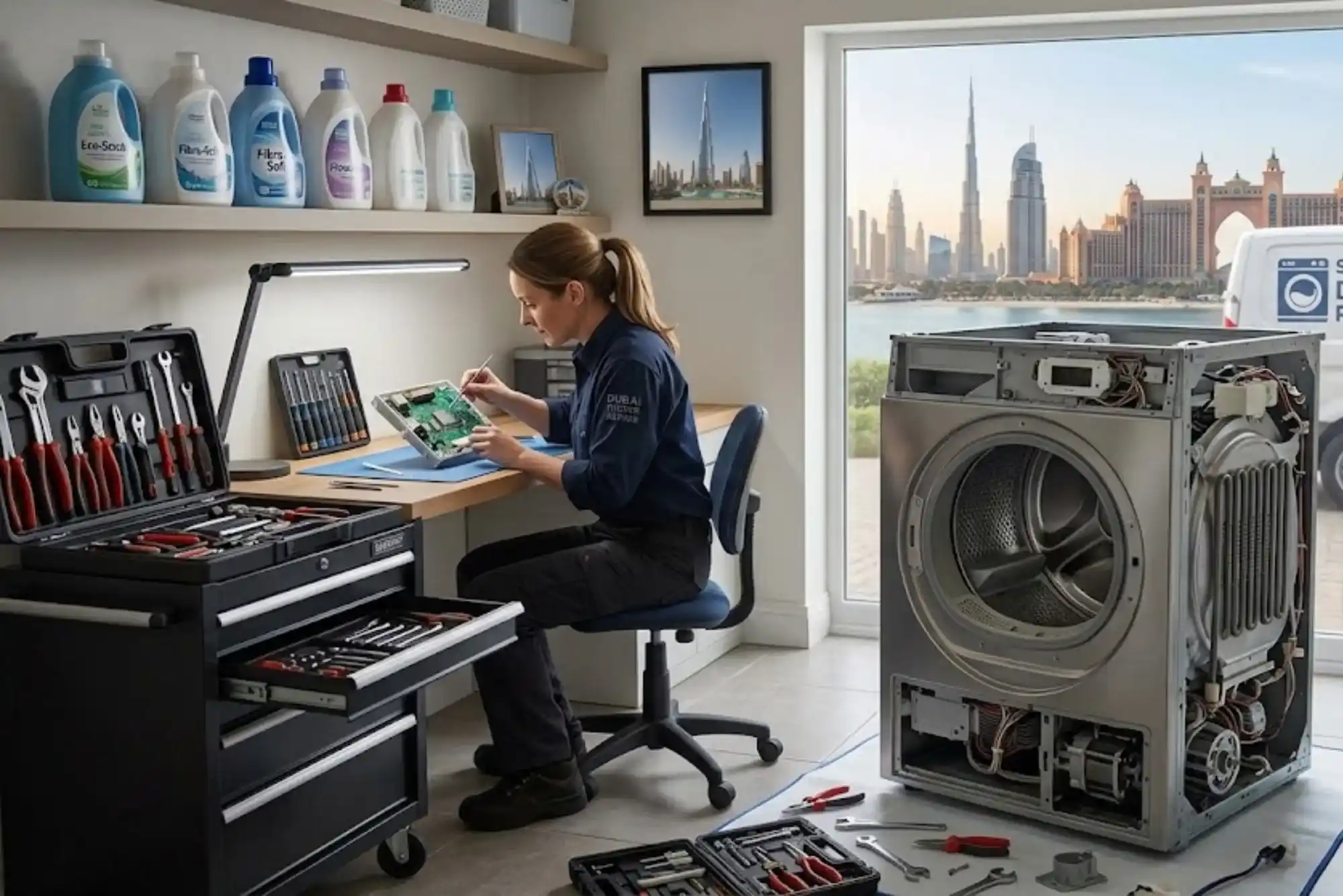
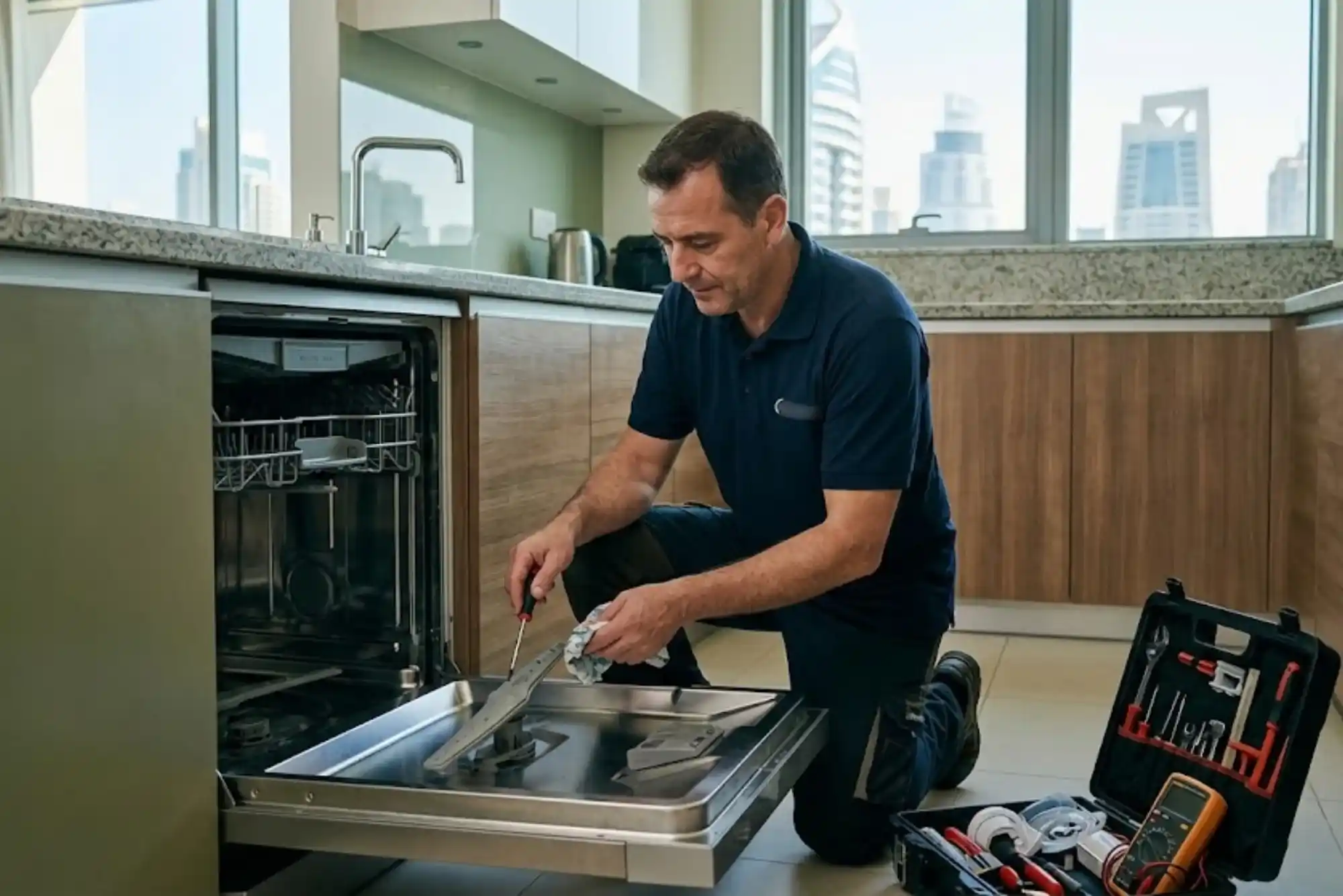
When basic troubleshooting does not resolve the problem, engaging a certified washing machine repair service becomes essential. Professional technicians have the expertise to diagnose and repair complex mechanical and electrical issues safely. They can inspect the motor, drum, sensors, and control boards to identify problems that are not apparent to the untrained eye.
Certified repair services provide several benefits. They ensure that repairs are performed according to safety standards, reduce the risk of recurring problems, and restore the appliance to optimal performance. Attempting complex repairs without proper knowledge can lead to further damage, void warranties, or create potential hazards, especially when dealing with electrical components.
Advanced Causes Requiring Expert Intervention
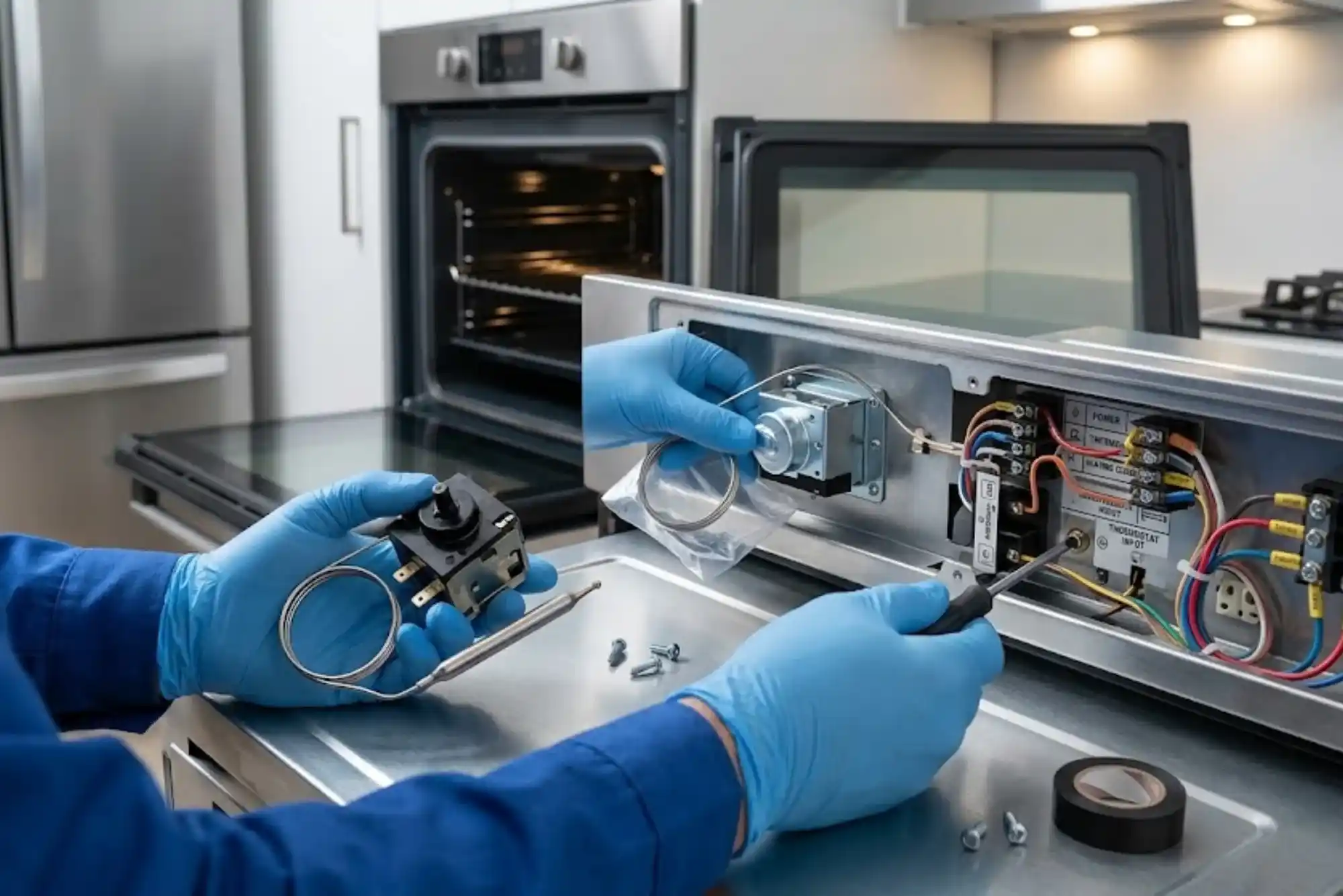
Some underlying issues that trigger overload protection cannot be resolved through basic troubleshooting. Overload sensors may malfunction due to wear or electrical faults, causing repeated false alarms. Motors, particularly in older washing machines, may lose efficiency over time, leading to frequent activation even under normal loads. Modern machines rely heavily on electronic control boards, and malfunctions in these systems can send incorrect overload signals. Only trained professionals can safely diagnose and repair these components, ensuring reliable operation.
Electrical issues such as short circuits, damaged wiring, or voltage fluctuations can also cause the overload protection system to activate. These problems are not only difficult to diagnose without proper equipment but can also pose serious safety risks. A professional repair service ensures that such problems are addressed safely and effectively.
Preventive Measures to Avoid Overload Problems
Preventive maintenance is crucial for keeping washing machines operating smoothly and preventing overload protection issues. Regular cleaning of the drum, filter, and pump removes debris that may interfere with operation. Avoiding overloading the appliance and washing heavy items separately can reduce stress on the motor. Ensuring that the washing machine is level and stable minimizes vibrations that could trigger overload protection.
In addition to regular cleaning and proper use, scheduling periodic inspections by a professional repair service can identify potential problems before they escalate. Regular maintenance not only prevents unexpected breakdowns but also extends the lifespan of the washing machine, keeping it efficient and reliable.
When to Call a Professional Repair Service
Homeowners should seek professional assistance if the overload protection system triggers repeatedly despite following recommended usage guidelines. Unusual noises, vibrations, or smells, failure to reset after basic troubleshooting, or suspected motor or electrical issues all indicate the need for expert intervention. Professional repair services ensure that the root cause of the problem is addressed, restoring the appliance to optimal condition.
Relying on certified technicians provides peace of mind, as they use specialized tools and techniques to repair mechanical and electrical components safely. Investing in professional repair services not only resolves the current problem but also prevents future issues, reducing long-term maintenance costs and protecting the appliance’s longevity.
Understanding the Long-Term Implications
Repeated activation of the washing machine overload protection is more than a temporary inconvenience. It indicates that the appliance is being subjected to conditions that could cause serious damage over time. Ignoring the problem may result in a burnt motor, broken drum suspension, or permanent damage to control boards. Early intervention, whether through careful usage or professional repair, is essential for protecting the appliance and ensuring consistent performance.
Regular monitoring, proper usage, and timely repairs can significantly extend the lifespan of the washing machine. Educating household members about correct loading practices, understanding the appliance’s limitations, and scheduling routine maintenance contribute to smooth, hassle-free laundry operations.
Experiencing the washing machine overload protection triggered warning can be frustrating, but it is an essential safety feature that protects the appliance from serious damage. Understanding the common causes, practicing safe usage, performing basic troubleshooting, and consulting a professional washing machine repair service when necessary are crucial steps to maintain efficiency and longevity.
Proper care, including regular maintenance, even distribution of laundry, and avoiding overloading, ensures that the washing machine operates smoothly. Timely professional intervention addresses underlying issues that cannot be resolved through simple troubleshooting, preventing recurring problems and costly repairs.