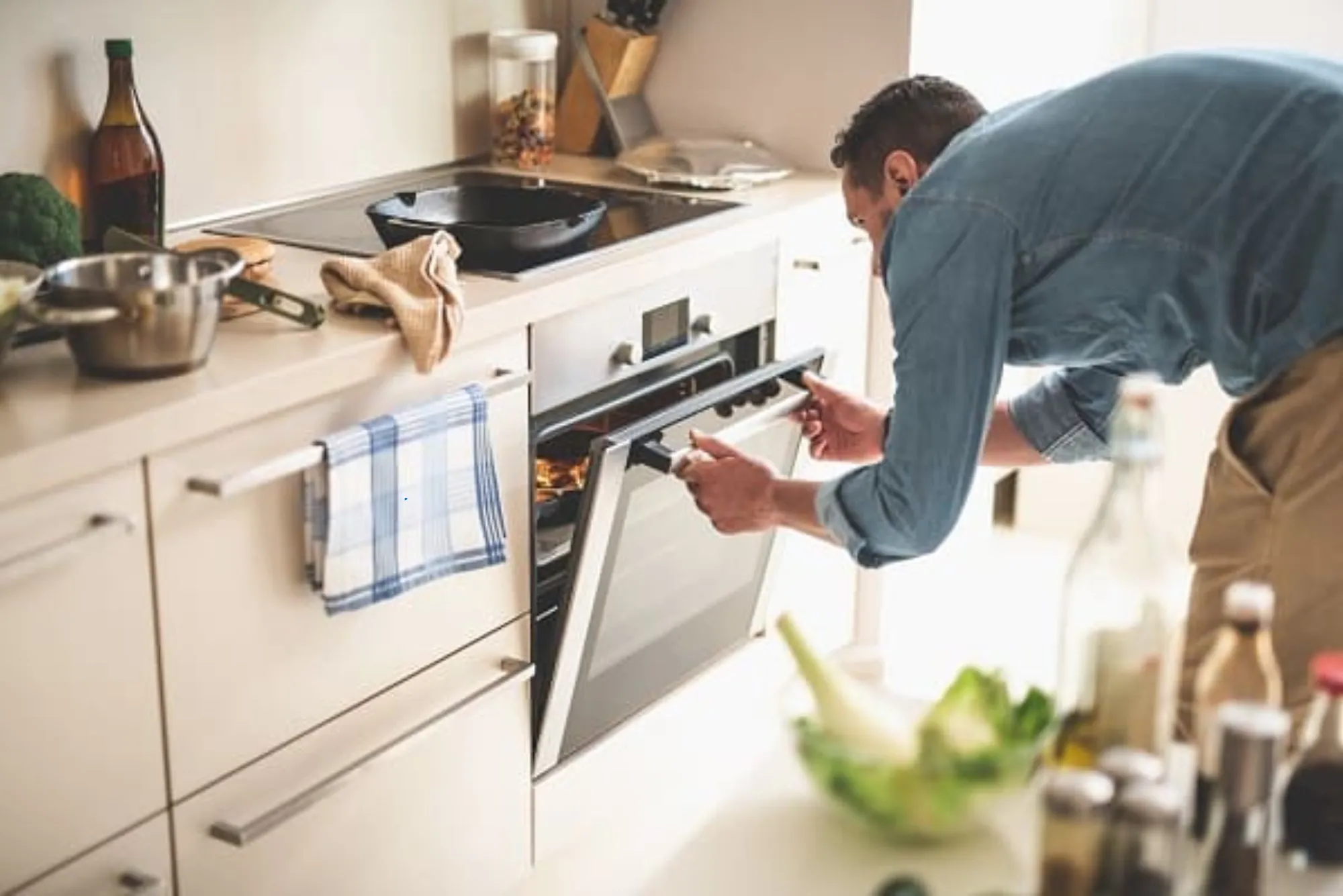
A gas oven is one of the most relied-upon appliances in any modern kitchen. It provides efficient, quick, and consistent cooking that homeowners trust for preparing daily meals. However, when your gas oven suddenly refuses to ignite, it can cause major inconvenience, disrupt cooking routines, and even raise safety concerns. Understanding the possible reasons behind ignition failure is crucial, not only to restore your appliance’s performance but also to ensure household safety. While some causes may seem minor, others require professional diagnosis and repair.
In this detailed guide, we will explore the common reasons why your gas oven won’t ignite, the potential risks associated with the problem, and why professional repair services are essential for restoring full functionality.
The Role of the Ignition System in a Gas Oven
The ignition system is the heart of any gas-powered oven. It is responsible for sparking or heating an element that ignites the flow of natural gas or propane. When this system malfunctions, the oven cannot reach the required cooking temperature, leading to uneven cooking or complete failure to heat.
There are two main types of ignition systems: standing pilot lights and electronic igniters. Modern ovens typically use electronic igniters, which rely on an electrical current to create enough heat to ignite the gas. Both systems, however, can develop issues over time due to wear, debris buildup, or electrical failures.
Common Reasons Why a Gas Oven Fails to Ignite
Several factors can prevent your oven from igniting. While some are related to natural wear and tear, others result from lack of maintenance or component damage.
One of the most common culprits is a faulty igniter. Over time, igniters weaken and may no longer generate sufficient heat or spark to light the gas. In some cases, you might hear a clicking sound or smell gas without ignition, indicating that the igniter is struggling to perform its function.

Another frequent issue is gas flow problems. If the supply valve is partially closed or the gas line is obstructed, the oven may not receive enough fuel to ignite. This situation not only prevents proper functioning but can also be hazardous if gas is leaking into the kitchen.
Electrical faults are also a factor. A blown fuse, faulty wiring, or malfunctioning control board may disrupt the ignition process. Since modern gas ovens often integrate electronic control systems, any small electrical defect can cause the entire oven to stop working.
Finally, dirt and grease buildup inside the burner or igniter assembly can restrict proper gas flow or prevent the igniter from sparking effectively. Regular cleaning and servicing can help prevent this issue,Post Category, but once buildup becomes severe, professional repair is often necessary.
The Risks of a Non-Igniting Gas Oven
When a gas oven does not ignite, many homeowners may attempt repeated attempts to light it or ignore the issue altogether. Both approaches can be dangerous. Unburned gas accumulation can create a hazardous environment, raising the risk of fire or even explosion. Moreover, continuous gas leaks can lead to health issues such as dizziness, headaches, and nausea due to carbon monoxide exposure.
Beyond safety, a non-igniting oven disrupts daily life. Families cannot prepare meals properly, leading to reliance on costly alternatives such as takeout. Over time, this inconvenience can add financial strain in addition to safety concerns.
Why Professional Repair is the Safest Choice
Although DIY solutions are popular, dealing with gas appliances requires specialized knowledge and tools. Attempting to repair a gas oven without proper expertise can worsen the problem or pose serious safety risks. Professional appliance repair technicians are trained to identify the root cause of ignition failure and implement precise solutions.
They conduct detailed inspections of the igniter, gas valve, control systems, and wiring to ensure all components are functioning correctly. If replacement is required, they use manufacturer-approved parts, restoring the oven’s original efficiency. In addition, professionals perform gas leak tests to confirm that the appliance is safe to use after repair.
The Importance of Timely Servicing
Preventive maintenance plays a key role in avoiding ignition problems. Scheduling regular servicing ensures that dirt and grease are removed, components are tested, and early signs of wear are addressed before they lead to breakdowns. This not only extends the life of the oven but also saves money by reducing the need for costly emergency repairs.
For households in busy urban areas, where ovens are used extensively, timely servicing is especially critical. Ignition problems often begin with minor symptoms, such as delayed ignition or uneven heating. Addressing these early signs through professional servicing can prevent complete failure of the oven.
The Repair Process Explained
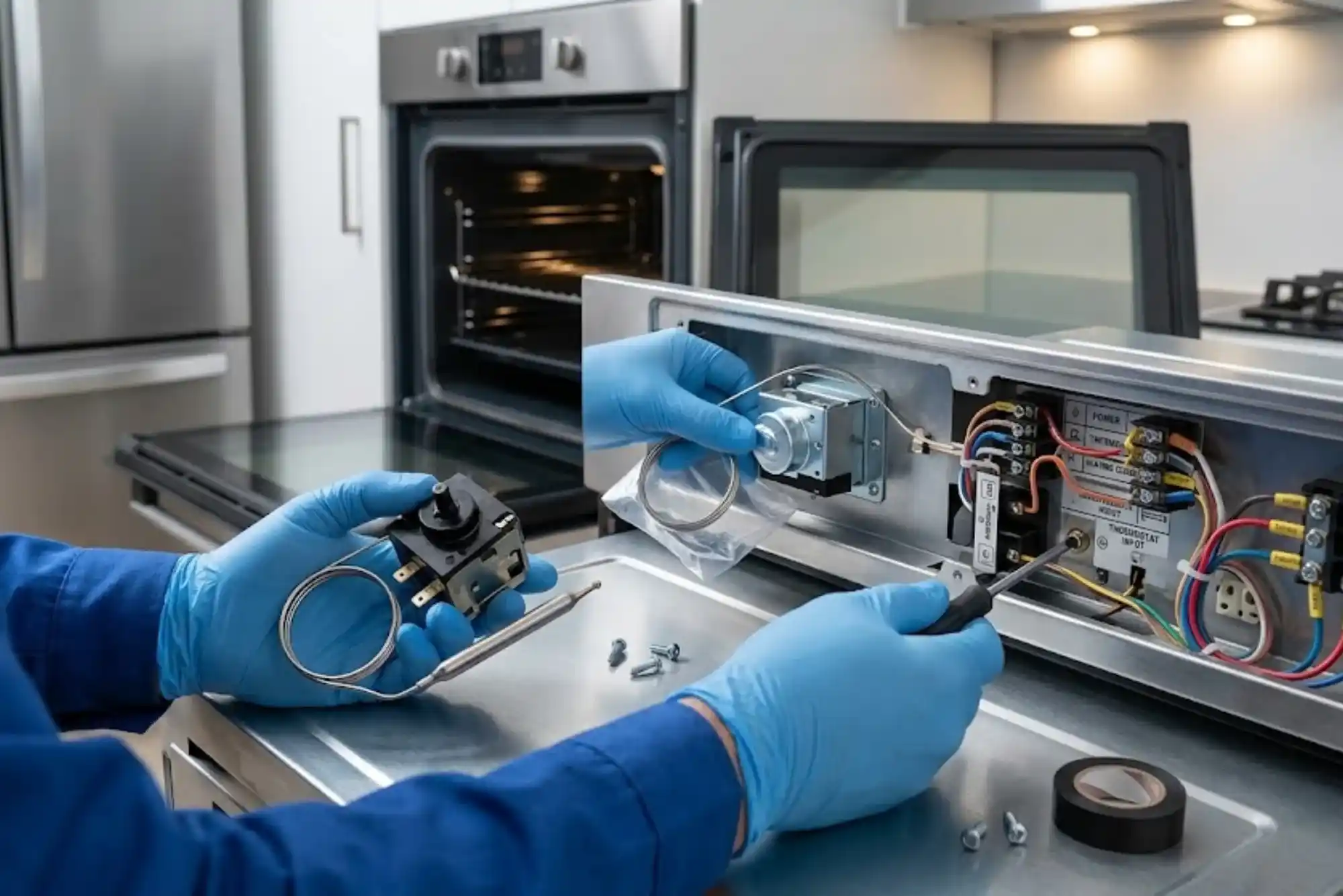
When you call a professional repair service for a non-igniting oven, the process typically begins with a detailed diagnostic check. The technician first confirms whether the gas supply is stable and unobstructed. Next, they test the igniter’s resistance and electrical continuity. If the igniter is weak or cracked, replacement is usually recommended.
The technician may also examine the gas valve and pressure regulators to ensure proper flow. If electrical faults are suspected, the control board and wiring connections are tested for continuity. Throughout the process, safety checks are performed to ensure no gas leaks are present.
Once the root cause is identified, the technician provides a clear explanation of the repair required, including parts and labor. After repair, the oven is tested under normal operating conditions to ensure reliable ignition.
Why Choosing a Trusted Service Provider Matters
Not all repair services are equal. Choosing a trusted and experienced appliance repair company ensures that your oven receives the right attention. Look for providers with certified technicians, transparent pricing, and a reputation for reliability. Professional companies also offer warranties on their work, giving you peace of mind that the repair will last.
A trusted provider will also offer helpful advice on maintaining your oven, from proper cleaning techniques to safe usage practices. This type of customer-focused service not only restores your oven but also prevents future issues.
Long-Term Benefits of Professional Gas Oven Repair
Repairing your gas oven promptly offers several long-term benefits. It restores your ability to prepare meals at home, reducing dependence on expensive alternatives. It also ensures energy efficiency, as a fully functional ignition system uses gas more effectively, lowering utility bills.
Most importantly, it guarantees safety. Properly repaired ovens reduce the risk of gas leaks, carbon monoxide exposure, and fire hazards. In the long run, investing in professional repair and maintenance protects both your appliance and your household.
A gas oven that won’t ignite is more than just an inconvenience—it can be a serious safety concern if left unaddressed. From faulty igniters to gas flow issues and electrical malfunctions, several factors may contribute to the problem. While it may be tempting to attempt a quick fix, professional repair is the safest and most reliable solution.