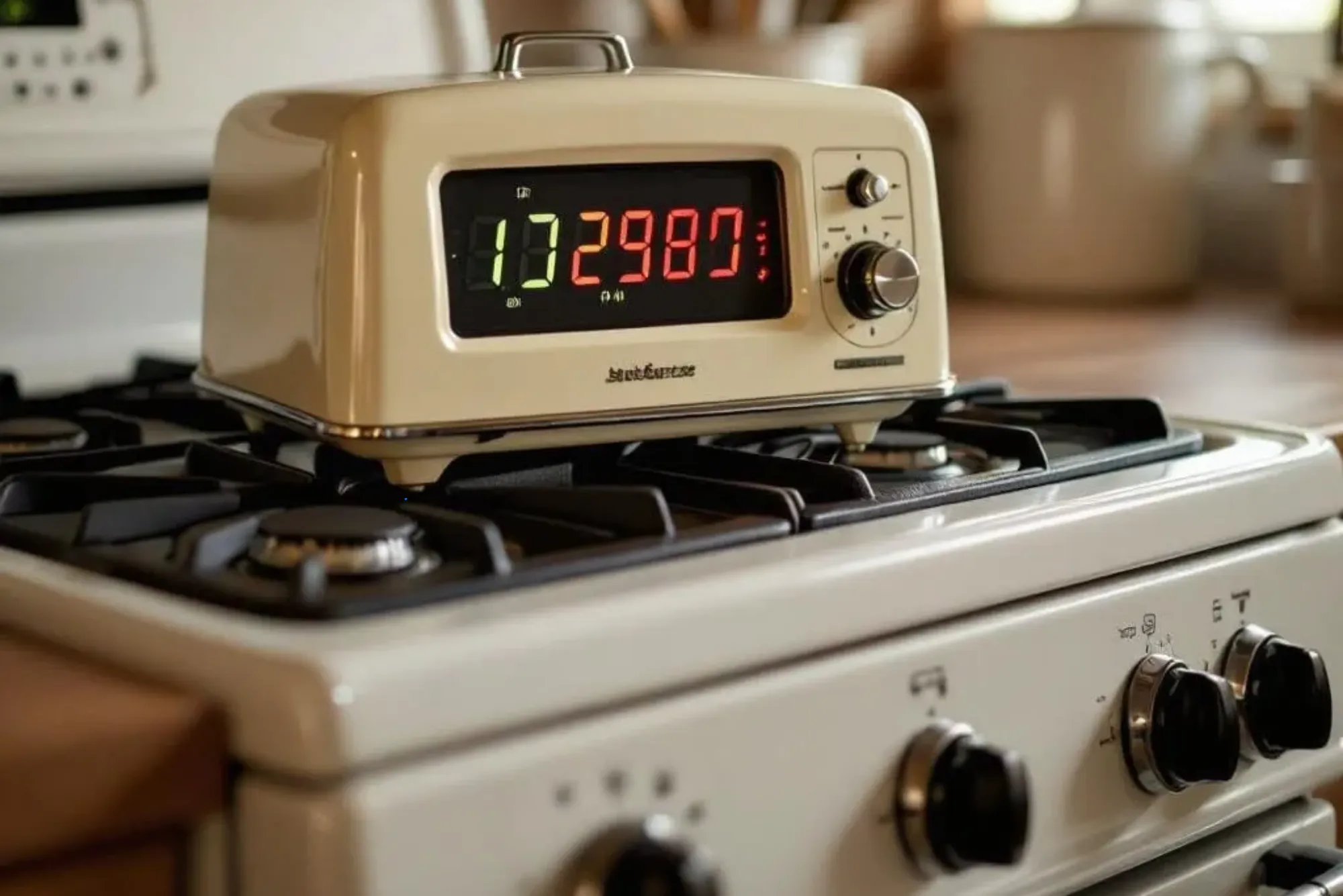
An oven is one of the most reliable appliances in a modern kitchen. It preheats at the touch of a button, bakes with precision, and even helps us time recipes with its built-in clock. Yet, one small but surprisingly common frustration is when the oven clock begins drifting—losing or gaining minutes until it no longer keeps accurate time. While this issue may seem trivial at first, it can create real inconvenience, especially for anyone who relies on that digital clock to manage daily cooking routines.
Understanding why an oven clock fails to keep time involves exploring both the technology behind these displays and the conditions under which they operate. This article takes a deep look at the causes, the hidden science, and the practical solutions available, so you can restore trust in your oven’s timekeeping.
The Role of the Oven Clock in Modern Kitchens
The clock on an oven might appear to be a simple feature, but it plays multiple roles in everyday life. Beyond simply telling the time, it serves as the control hub for timed baking and automatic shutoff features. For many families, the oven clock even becomes the “central household timekeeper,” visible to everyone walking through the kitchen.
Because of this visibility and utility, the reliability of that clock takes on outsized importance. When it starts to drift—even by a few minutes—it can throw off meal timing, confuse other members of the household, and undermine trust in the appliance’s overall dependability.
How Oven Clocks Work
To understand why time drift occurs, it helps to know how oven clocks actually function. Most modern ovens use a quartz crystal oscillator to regulate their digital clock. This technology is the same principle found in wristwatches and alarm clocks.
Quartz oscillators rely on the stable vibration frequency of a quartz crystal when exposed to electricity. That frequency is counted electronically and translated into seconds, minutes, and hours. While quartz is generally accurate, it is not immune to environmental influences. Factors such as temperature, voltage fluctuations, and even circuit board aging can disrupt that precise timing.

Unlike smartphones or internet-connected devices, oven clocks typically do not sync automatically with external time sources. Once set, they rely entirely on their internal oscillator. This makes them more vulnerable to drift over weeks and months if conditions aren’t perfectly stable.
Power Supply Inconsistencies
One of the most common reasons an oven clock loses time is irregularity in the power supply. Even slight voltage fluctuations can alter how the clock’s internal circuits interpret the quartz oscillator’s signals.
In many homes, the kitchen shares circuits with other heavy-duty appliances. When refrigerators, dishwashers, or microwaves draw power suddenly, they can create minor dips or surges in the current. Although these changes are too small to affect most cooking functions, the sensitive timekeeping circuit may experience disruptions that manifest as clock drift.
Prolonged brownouts, brief outages, or even frequent resets caused by breakers tripping can further compound the issue. Each time power is interrupted, the oven clock may revert to zero or lose track of its carefully calibrated timekeeping cycle.
Heat and Environmental Stress
An oven clock is often positioned just above the oven cavity, close to where the highest temperatures are generated. While manufacturers design electronic components to tolerate this environment, prolonged heat exposure can subtly affect their performance.
Excessive heat may cause the quartz crystal oscillator to deviate from its calibrated frequency. Likewise, capacitors and other small components on the circuit board can degrade faster under heat stress. Over months or years, this cumulative impact results in a clock that gradually becomes less accurate.
Humidity and steam also play a role. In kitchens where the oven is frequently used for boiling, roasting, or steaming, moisture can infiltrate the control panel. Even trace amounts of condensation can alter electrical resistance, interfering with clock stability.
Aging Electronics and Component Drift
Like all electronic devices, oven control boards age. Capacitors dry out, solder joints weaken, and resistors drift slightly from their rated values. These small changes may not affect the oven’s ability to heat food, but they can undermine the precise requirements of a timing circuit.
In fact, many technicians note that clock drift is one of the first symptoms of a control board beginning to fail. While the oven may continue working fine otherwise, the unreliability of the time display often signals that more significant malfunctions could follow in the future.
Electromagnetic Interference
The kitchen is a hub of electrical activity, from microwaves and blenders to induction cooktops and Wi-Fi routers. All of these devices generate electromagnetic fields.
Sensitive circuits, like those inside an oven clock, can sometimes pick up interference from nearby appliances. While rare, this “electrical noise” can cause the microprocessor inside the oven to miscount pulses from the quartz oscillator. Over time, that miscounting appears as clock drift.
User Perception vs. Actual Drift
It’s worth noting that sometimes what appears to be a malfunctioning oven clock is actually a matter of human perception. If a clock drifts by only one or two minutes each week, that deviation may go unnoticed initially. But after several months, the cumulative effect could result in a display that seems dramatically inaccurate.
Without routine correction, a minor deviation grows into a major inconvenience. Unlike internet-synced clocks, ovens rely on manual adjustment, so the drift can feel more severe than it really is.
The Role of Software and Firmware
Some ovens today rely not just on hardware oscillators but also on embedded software to manage timing functions. Firmware bugs or glitches in the programming can also lead to timekeeping issues.
In rare cases, manufacturers may issue updates or recalls if a widespread clock problem is discovered after release. However, because ovens are not typically connected to the internet, applying such updates usually requires a service visit.
Troubleshooting and Practical Solutions
When faced with an oven clock that isn’t keeping accurate time, there are a few steps homeowners can consider before calling in professional help. Resetting the oven by unplugging it for several minutes can sometimes recalibrate its electronics. Ensuring that the oven has a stable power supply, ideally with a surge protector, can reduce the risk of voltage-related drift.
Regularly checking and adjusting the time manually is a practical stopgap. If the drift is minor—say, a few minutes per month—this may be acceptable for many households. However, if the clock loses or gains large amounts of time quickly, it may signal deeper issues that require technical repair.
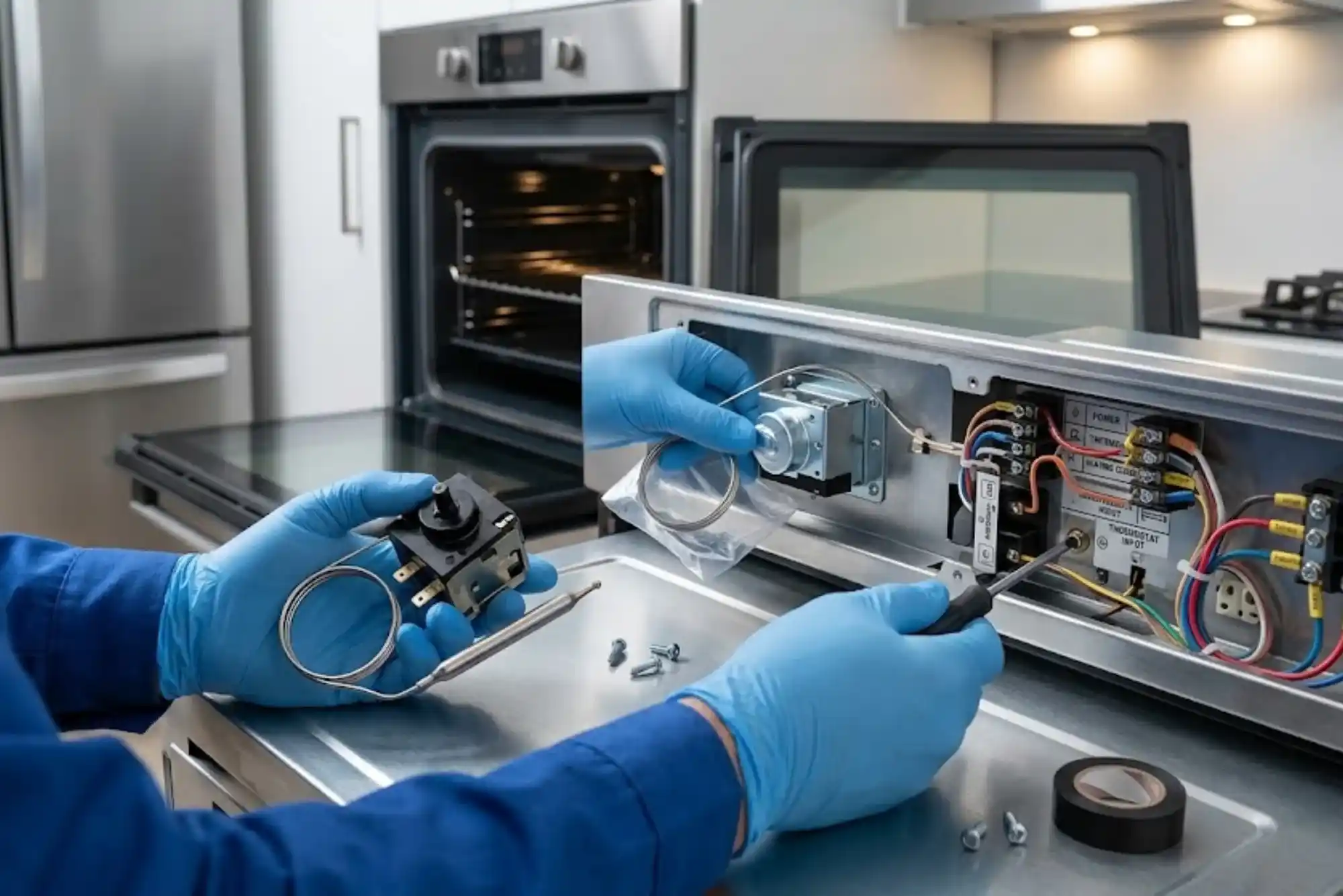
Ultimately, replacing the control board is the most definitive fix when clock drift becomes unmanageable. While this can be costly, it restores the oven to near-new performance. For ovens already reaching the end of their lifespan, some homeowners may find it more cost-effective to upgrade to a new model.
Preventive Practices for Longer Accuracy
Although no oven clock is perfect, certain practices can help extend its accuracy. Positioning the oven in a well-ventilated space minimizes heat buildup around the control panel. Avoiding excessive steam exposure and wiping down the panel regularly can reduce moisture-related damage.
Plugging the oven into a dedicated circuit, when possible, helps shield it from interference caused by other appliances. For households that rely heavily on the oven clock, keeping a secondary kitchen timer or wall clock nearby provides a reliable backup.
When to Call a Professional
If your oven clock loses more than a few minutes per day, or if the timekeeping problem is accompanied by other symptoms such as unresponsive buttons, flickering displays, or failure to heat properly, professional service is strongly recommended. These signs often point to a failing control board that could affect cooking performance in the near future.
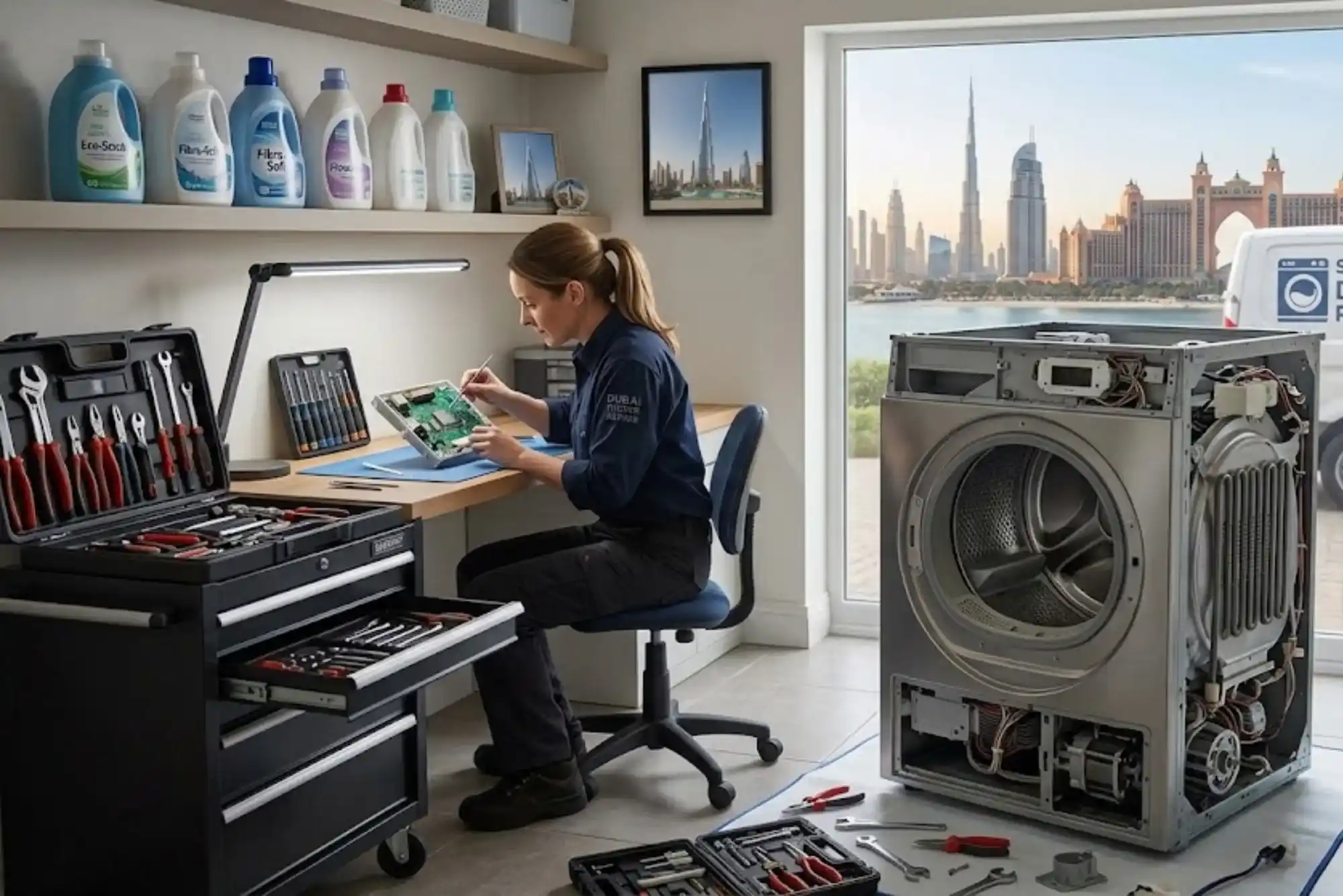
Appliance technicians have the tools to test voltage stability, identify failing capacitors, and recommend whether repair or replacement makes the most sense. Addressing the problem early can prevent more costly failures down the road.
Looking Ahead: Smart Ovens and Automatic Syncing
The future of oven clocks may lie in connectivity. Many newer models already include Wi-Fi integration, allowing the oven to sync its clock with internet time servers. This eliminates the issue of gradual drift altogether, since the display can automatically adjust itself daily.
For homeowners frustrated by inaccurate timekeeping, investing in a smart oven or retrofitting the kitchen with appliances that integrate seamlessly into a digital ecosystem may provide the most permanent solution.
Final Thoughts
An oven clock that doesn’t keep accurate time may seem like a small annoyance, but it reveals a fascinating intersection of technology, environment, and daily life. From voltage fluctuations and heat exposure to the natural aging of electronic components, multiple factors conspire against perfect timekeeping.
Understanding these causes helps demystify the problem and empowers homeowners to choose the best course of action—whether that means making small lifestyle adjustments, scheduling professional service, or upgrading to newer, smarter appliances.
In the end, the oven clock is more than just a display. It’s a reminder of how deeply integrated technology has become in our routines—and how even the simplest functions rely on delicate systems that must be cared for to keep our lives running on time.