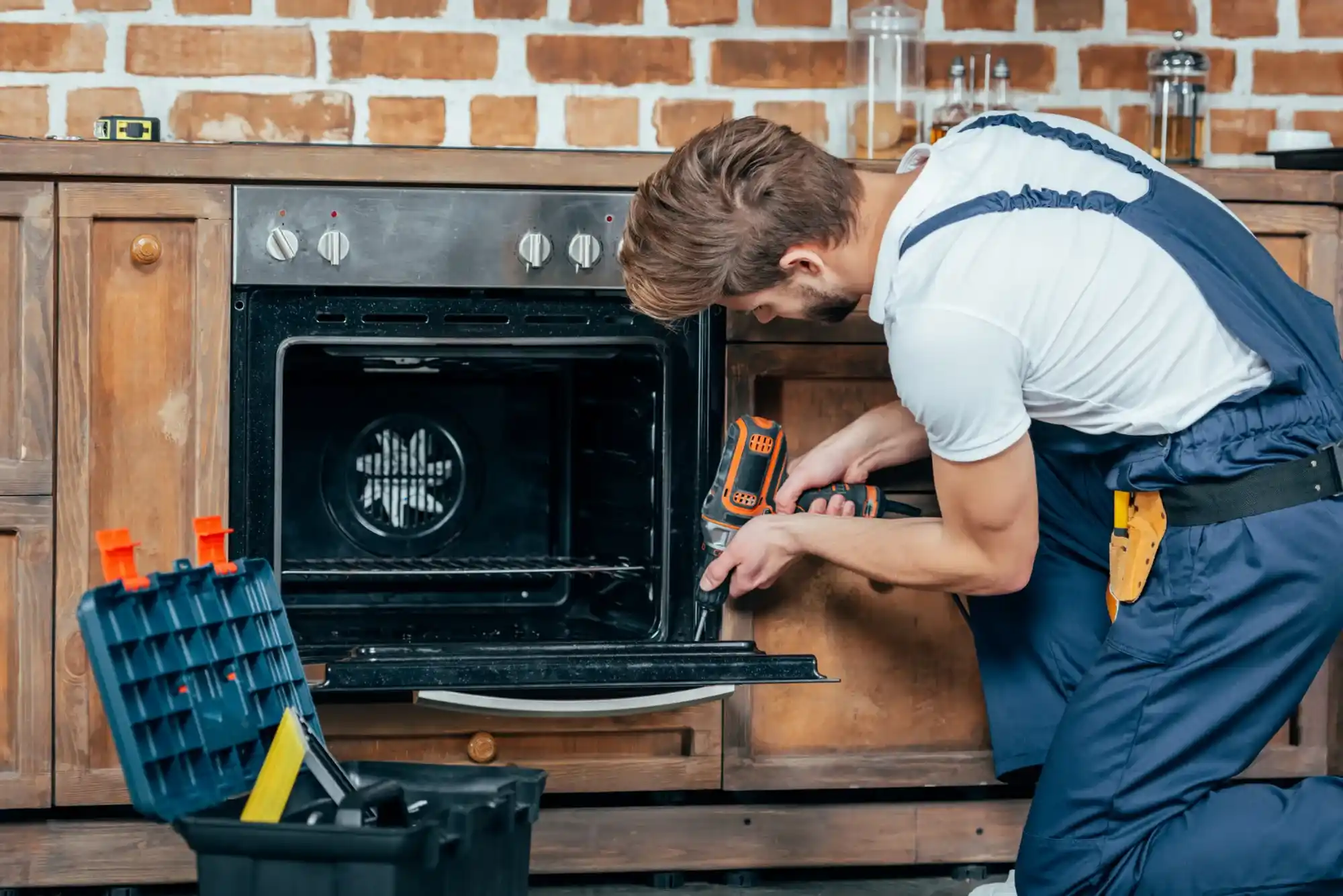
The kitchen is the heart of a home, and few appliances are as central to daily routines as the oven. Whether baking bread, roasting vegetables, or preparing a holiday feast, the oven plays a role in both comfort and celebration. But when something goes wrong—particularly with a part as essential as the door—problems quickly become frustrating. One of the most common issues homeowners encounter is a loose oven door hinge. While it may appear to be a minor inconvenience, this small mechanical fault has far-reaching consequences for performance, energy efficiency, safety, and the overall longevity of your appliance.
A loose hinge changes the way the oven functions. It prevents the door from sealing properly, allowing heat to escape during cooking. This not only lengthens cooking times but also strains the heating elements, forcing them to work harder than designed. Understanding why this happens, how to identify it early, and what it means for your appliance can save time, reduce energy costs, and prevent further damage.
The Function of the Oven Door Hinge
Every oven relies on precise engineering to maintain consistent temperatures inside the cavity. The door hinge may appear to be a simple piece of metal, but it is carefully designed to balance weight, resist heat, and endure thousands of openings and closings. Hinges keep the door aligned with the oven frame, ensuring that the gasket seal compresses evenly against the front edge of the oven box.
When a hinge begins to loosen, even slightly, the door may no longer align correctly. This misalignment is subtle at first—perhaps the door looks slightly uneven or fails to close with its usual firmness. Over time, however, the gap widens, and the consequences compound. At the most basic level, the hinge is not just a moving joint; it is the mechanism that enables the oven to do its job efficiently.
Why Hinges Loosen Over Time
Like any component subject to frequent use, oven door hinges experience wear and tear. Every time you open or close the door, the hinge mechanism absorbs the full weight of the door panel, which can weigh several kilograms. Add to this the repeated exposure to high heat cycles, and it is easy to see why the material eventually fatigues.
Metal components expand under heat and contract as they cool. This cycle, repeated daily, weakens tension springs and creates tiny shifts in alignment. Over months or years,screws and fasteners may loosen slightly, causing the hinge to wobble. In some cases, the springs inside the hinge mechanism lose their strength altogether, preventing the door from pulling shut with the same firmness it once did.

It is not just time and use that contribute to this issue. External factors also play a role. Placing heavy objects on an open oven door, for example, places enormous strain on the hinges. Children climbing onto a lowered door or using it as a step can accelerate wear. In rare cases, manufacturing defects or improper installation may cause premature loosening.
The Impact of a Loose Oven Door Hinge on Cooking
When hinges loosen, the door no longer seals tightly against the oven frame. This has a direct impact on cooking performance. Heat escapes through the gaps, creating fluctuations in the oven’s internal temperature. For recipes requiring precise heat control—like pastries, soufflés, or slow roasts—these fluctuations compromise results.
Baking a loaf of bread, for instance, requires steady, high heat to create the rise and crust. If the oven door does not close fully, the interior cools too quickly, resulting in a dense loaf. Similarly, roasting meat relies on steady convection heat; an unevenly sealed door prolongs cooking times and can leave food undercooked in some areas while overcooked in others.
This inefficiency extends beyond culinary outcomes. Escaping heat forces the oven’s thermostat to register lower-than-expected temperatures, causing the heating element to cycle more frequently. Over time, this unnecessary workload increases energy consumption and contributes to higher utility bills. What appears to be a small mechanical annoyance quickly turns into a source of waste and frustration.
Safety Concerns You Should Not Ignore
A loose oven door hinge is more than just a matter of imperfect cooking—it can create genuine safety risks. The most immediate concern is heat leakage. Escaping hot air raises the external surface temperature of the oven, making it hotter to touch and increasing the risk of burns, especially for children.
Another hazard lies in stability. A weakened hinge may eventually fail to support the full weight of the oven door. In this scenario, the door could drop suddenly, startling the user or causing injury. If heavy cookware is being placed into or removed from the oven at the time, the risk becomes even greater.
There is also the risk of damaging nearby cabinetry. Prolonged heat leakage may discolor or warp adjacent cupboard doors and countertops, particularly in compact kitchens where appliances are closely fitted. Over time, this damage can be costly to repair and may reduce the resale value of a home.
Diagnosing the Problem
Recognizing a loose hinge early can prevent further complications. The signs are usually straightforward: the door may no longer close flush against the frame, it might feel lighter or looser when moved, or it may require extra effort to push fully shut. Sometimes the door will spring back slightly after being closed, indicating that the tension spring inside the hinge is no longer performing correctly.
In many cases, users notice changes in cooking results before they notice mechanical symptoms. If your oven suddenly takes longer to reach temperature, struggles to maintain consistent heat, or produces unevenly cooked food, the hinge should be one of the first components you inspect.
Professional Repair Versus DIY Solutions
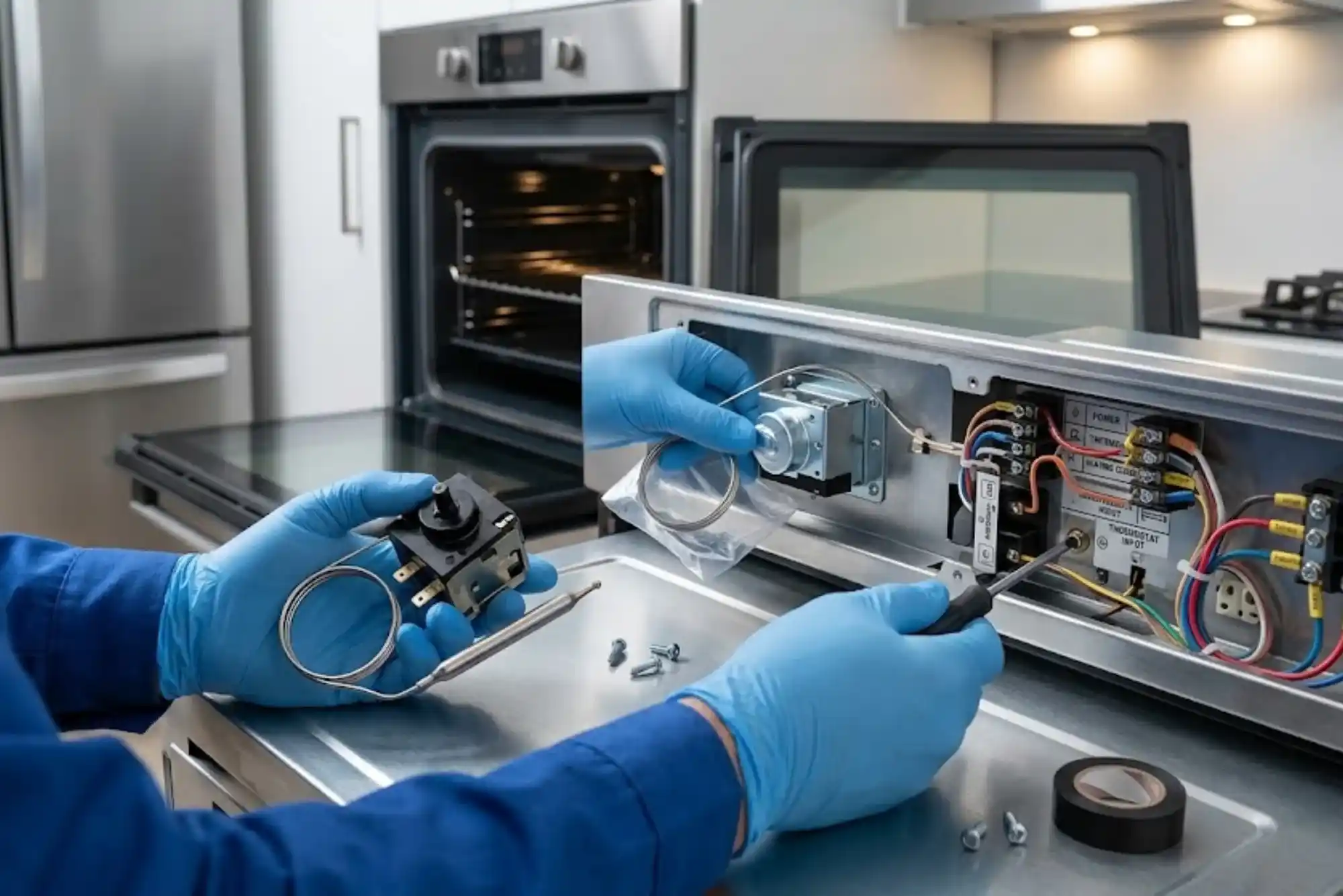
Addressing a loose oven door hinge is not always straightforward. While some issues can be solved by tightening screws or adjusting alignment, more severe cases require replacement of the entire hinge mechanism. Modern ovens often incorporate complex hinge assemblies with built-in springs, making them difficult to repair without specialized tools.
For confident do-it-yourselfers, it may be possible to remove the oven door, inspect the hinges, and either tighten or replace them. However, caution is essential. Oven doors are heavy, and improper handling can cause glass panels to crack or shatter. Additionally, sourcing the correct replacement parts requires knowledge of the specific make and model.
For these reasons, many homeowners choose to rely on professional repair technicians. A professional not only ensures safe handling of the appliance but also identifies any related issues, such as worn gaskets or damaged seals, that may need attention at the same time. While this route incurs a service cost, it typically saves money in the long run by preventing repeated failures and ensuring the oven operates at peak efficiency.
Preventing Future Problems
While no appliance lasts forever, there are steps you can take to minimize wear on oven door hinges and extend their life. The most important measure is to avoid placing heavy items on the open door. Even a short period of excess weight can bend the hinge arms or stretch the tension springs beyond recovery.
Regular cleaning also helps. Food particles, grease, or carbonized debris that build up around the hinge area can interfere with smooth operation, leading to misalignment. Wiping these areas during routine oven cleaning prevents unnecessary stress on the mechanism.
Finally, being attentive to small changes makes a significant difference. If the door begins to feel looser or the seal appears uneven, addressing the problem immediately prevents escalation. A hinge that is tightened or replaced early will protect the heating system, reduce energy waste, and preserve cooking performance.
The Hidden Value of Maintenance
A well-functioning oven door hinge represents more than just mechanical integrity—it reflects the care given to the entire appliance. Neglecting such a small detail has a ripple effect: higher energy bills, disappointing meals, increased safety risks, and ultimately, shortened appliance lifespan. Conversely, recognizing and addressing hinge issues quickly demonstrates an understanding of how interconnected every component is in a modern oven.
Appliances are long-term investments. Treating them with care and attending to minor faults like a loose hinge safeguards that investment and ensures the kitchen continues to serve its role as the centerpiece of daily living.
A loose oven door hinge is easy to dismiss as a minor nuisance, but its implications are far-reaching. It undermines cooking results, wastes energy, poses safety risks, and accelerates wear on the appliance. By understanding why hinges loosen, how to identify the problem early, and the best strategies for repair, homeowners can protect both their appliances and their kitchens.
In the end, the oven door hinge is not merely a small piece of hardware—it is the gatekeeper of heat, efficiency, and safety. Addressing it with the same seriousness as any other appliance repair ensures that your oven continues to perform reliably, delivering the warmth and nourishment that define the heart of every home.