A washing machine is one of the most dependable appliances in any home, designed to simplify life by handling one of the most time-consuming chores — laundry. Yet nothing is more frustrating than when a wash cycle stops unexpectedly in the middle of cleaning your clothes. The water sits still, the drum won’t move, and you’re left wondering what went wrong. Understanding why a washing machine cycle stalls mid-wash requires a closer look at how this complex piece of technology functions and what causes it to break down.
When the wash cycle freezes partway through, it’s often a symptom rather than the root problem. Washing machines depend on a precise combination of mechanical, electrical, and software functions. From sensors that regulate water levels and temperature to motors that control the drum’s spin, every part works in sequence. When one component fails or a communication error occurs between systems, the appliance pauses the cycle as a built-in safety measure.
The Role of the Control System
At the heart of every modern washing machine is a control board — essentially its brain. This system manages every stage of the cycle, sending commands to the motor, pump, and valves. When the control board receives inaccurate signals or loses communication with a component, it interrupts the process to prevent damage or flooding. Software glitches, power fluctuations, or worn electronic circuits can all cause the cycle to freeze mid-wash.
Sometimes, a temporary power disruption during the cycle can confuse the machine’s programming. Resetting the appliance may help, but if the issue repeats, it usually indicates a deeper electrical or mechanical malfunction. Technicians can diagnose these faults using diagnostic tools that read error codes stored within the system.
Mechanical Failures That Cause Stalling
Beyond electronic errors, physical components also play a major role in washing machine performance. A worn-out motor, a jammed pump, or a faulty belt can all interrupt the wash cycle. When the drum motor struggles to rotate due to friction, worn bearings, or tension issues, the control board automatically halts the cycle to prevent overheating. Similarly, when the drain pump becomes blocked by lint, debris, or small clothing items, the machine cannot empty the water. The appliance then pauses to avoid flooding or further damage.
Water level sensors are also a common culprit. These sensors detect the amount of water inside the drum. If they fail to register the correct level, the machine cannot proceed to the rinse or spin stages. Over time, detergent residue or mineral buildup may interfere with sensor accuracy, leading to cycle interruptions.

The Impact of Improper Loading
Washing machines are designed with balance sensors to ensure the drum spins evenly. When clothes are loaded unevenly — such as when heavy towels or blankets are bunched together — the machine detects imbalance and pauses mid-cycle to protect its components. This feature is especially common in high-efficiency front-load washers that spin at higher speeds.
Overloading the drum can also lead to excessive strain on the motor and suspension system. If the machine senses too much resistance, it stops automatically. Proper loading technique, including distributing clothes evenly and avoiding heavy overstuffing, helps reduce unnecessary interruptions.
The Role of Water Flow and Drainage
Every washing cycle depends on a steady water supply and efficient drainage. If the water inlet valve fails or the household water pressure is low, the machine cannot fill the drum as programmed, causing it to pause while waiting for the required level. Similarly, if the drain hose is kinked or the pump filter is clogged, water remains trapped inside, and the machine halts the cycle.
Regular maintenance, such as cleaning filters and checking hoses, can prevent such problems. However, if these symptoms persist, professional inspection becomes essential, as internal valve or pump issues often require replacement.
How Technology Affects Modern Machines
Today’s washing machines are more advanced than ever, equipped with sensors, digital displays, and even smart connectivity. While these innovations improve efficiency, they also make modern appliances more sensitive to voltage fluctuations, humidity, and minor component errors. Unlike older mechanical models, modern washers rely heavily on precise electronic communication. A small software glitch or signal disruption can freeze a cycle instantly.
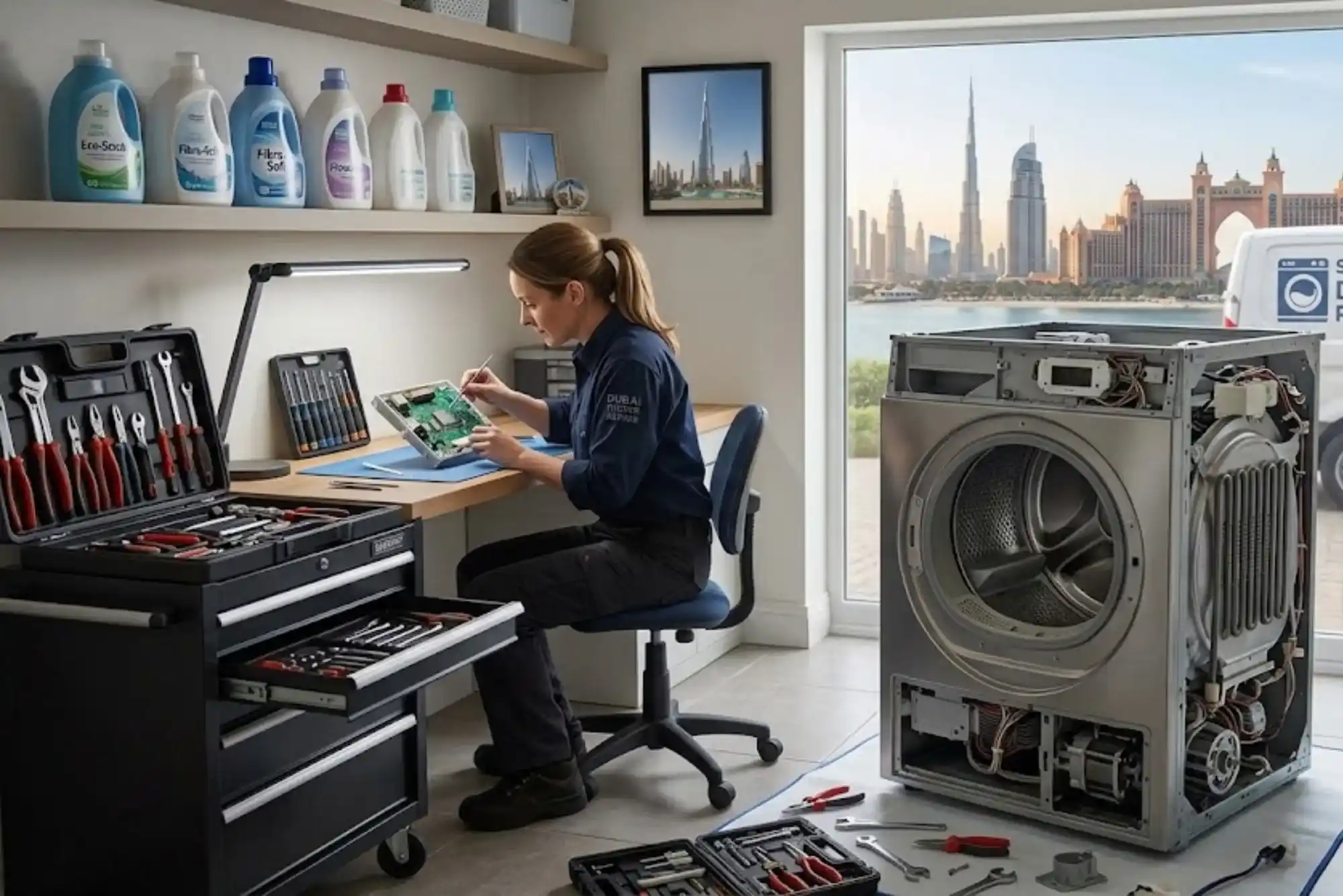
Professional technicians use diagnostic tools to interpret error codes and identify the source of the problem. This ensures repairs are targeted and effective, reducing the risk of recurring faults.
Why Professional Repair Is the Best Solution
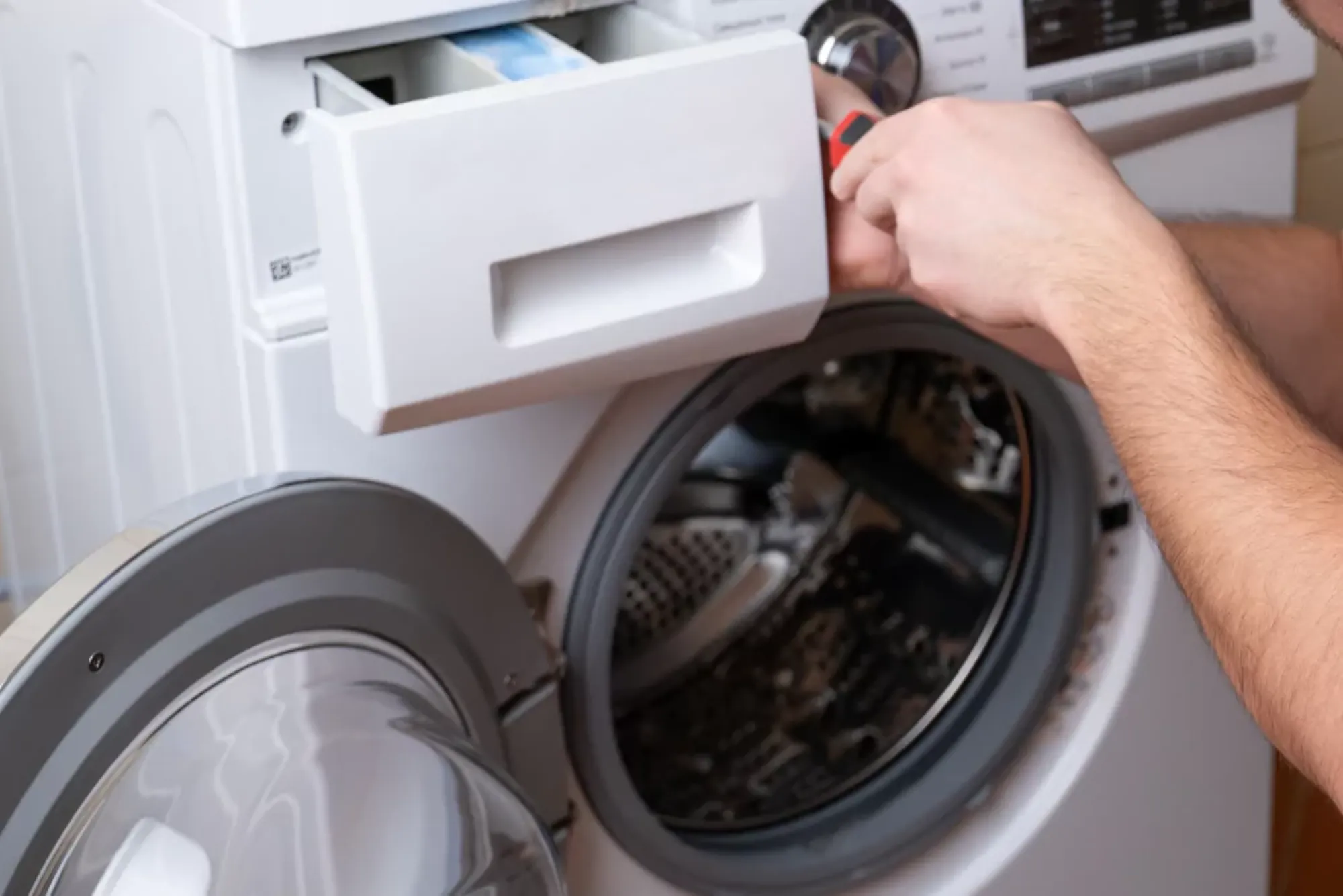
While some homeowners attempt to troubleshoot on their own, washing machines contain electrical and mechanical systems that can be dangerous without the proper tools and expertise. Opening panels or attempting repairs without technical knowledge can lead to shocks, leaks, or even permanent damage.
Professional appliance repair specialists understand how to test components safely and efficiently. They can detect whether the issue lies in the motor, sensors, control board, or water system. More importantly, they can replace faulty parts using original components to restore full functionality. Timely repair not only fixes the problem but also extends the appliance’s lifespan and improves energy efficiency.
Preventing Future Cycle Interruptions
Preventive maintenance is key to ensuring washing machines run smoothly. Simple habits, such as using the right detergent, avoiding overloading, and cleaning the drum regularly, can help maintain optimal performance. Checking water connections and ensuring stable power supply also reduces the risk of interruptions.
Scheduling regular inspections with professional repair services allows small issues to be detected early. Experts can identify worn parts, clean internal components, and update the control system if necessary, ensuring the washing machine continues to perform efficiently.
When to Call for Expert Help
If your washing machine repeatedly stalls mid-wash, makes unusual noises, or displays error codes, it’s time to contact a professional. Continuous interruptions indicate underlying issues that need attention. Technicians can assess whether repairs are cost-effective or if replacement is a better long-term option.
Reliable service ensures peace of mind and protects your investment. Modern washers are designed to last many years, but only when maintained properly and serviced by trained professionals who understand both the technology and mechanics behind them
A washing machine that stops mid-cycle is more than a minor inconvenience — it’s a signal that one of its critical systems needs attention. From electronic control failures to mechanical wear, several factors can cause a stall. Understanding these causes helps homeowners recognize when to seek help rather than attempt risky repairs themselves.
By relying on experienced technicians, you can restore your machine’s reliability, protect its lifespan, and prevent recurring breakdowns. A properly maintained washing machine not only cleans better but also operates more efficiently, ensuring laundry remains one of the simplest tasks in your daily life.