Air conditioners are designed to maintain comfortable indoor temperatures efficiently by running complete cooling cycles. When an AC turns on and off repeatedly in short bursts instead of completing a full cycle, this problem is known as short cycling. Short cycling is more than just an inconvenience—it indicates that the system is under stress, potentially wasting energy and causing wear that can lead to costly repairs. Understanding the root causes of AC short cycling is crucial for homeowners who want to maintain reliable performance, protect their investment, and enjoy uninterrupted comfort during the hottest months of the year.
Short cycling can appear in many forms. Sometimes the AC will start, run for only a few minutes, and shut down before the home is fully cooled. In other cases, the system might cycle rapidly several times per hour, with uneven cooling and noticeable temperature fluctuations throughout the house. This irregular behavior not only increases energy consumption but can also shorten the life of the compressor, which is the heart of the system. By identifying the underlying causes of short cycling and addressing them promptly, homeowners can restore normal operation and prevent long-term damage to their cooling system.
The Role of Thermostat Problems in AC Short Cycling
One of the most common reasons for AC short cycling lies in thermostat issues. The thermostat is the control center that signals the air conditioning system when to start and stop. If it is miscalibrated or installed in an unsuitable location, it can misread the room temperature and cause the system to cycle prematurely. For example, if a thermostat is placed near a window receiving direct sunlight or close to a heat-emitting appliance,What Causes AC Short Cycling?, it may interpret the space as hotter than it really is. This leads to unnecessary cooling cycles that start and stop frequently.
Another scenario occurs when the thermostat itself is malfunctioning internally. Old or damaged wiring, weak batteries, or electronic failures can result in rapid signals to the system, triggering short bursts of activity rather than allowing the unit to complete a proper cycle. Thermostat-related short cycling often presents with noticeable temperature inconsistencies throughout the home. Resolving this issue may involve recalibration, relocating the thermostat to a central interior wall away from heat sources, or replacing a malfunctioning thermostat with a modern programmable or smart model that maintains steady temperature control.
Oversized Air Conditioning Units and Short Cycling
While many homeowners assume that a larger air conditioner means better cooling, an oversized system can create significant operational problems, including short cycling. When an AC unit is too powerful for the space it is designed to cool, it reaches the set temperature too quickly. Instead of running a full cooling cycle, it shuts off prematurely. This rapid cycle repeats whenever the room warms slightly, leading to frequent starts and stops.
The problem with an oversized AC is that it does not run long enough to dehumidify the indoor air effectively. While the space may feel cool temporarily, humidity levels remain high, resulting in a clammy or uncomfortable indoor environment. Additionally, repeated short cycling places excessive strain on the compressor and other components, potentially causing early system failure. Correcting this issue often requires professional evaluation to determine whether the system’s capacity matches the home’s square footage and cooling load. In extreme cases, replacement with a properly sized unit is the most effective solution for long-term comfort and efficiency.

Dirty Air Filters and Restricted Airflow
Airflow is the lifeblood of an air conditioning system, and when airflow becomes restricted, the system struggles to function properly. A clogged or dirty air filter can trigger AC short cycling by impeding the movement of air through the system. Reduced airflow causes the evaporator coil to become too cold, sometimes freezing over, which in turn forces the unit to shut down prematurely to protect itself. Once the ice melts or the temperature stabilizes, the system restarts, beginning the cycle again.
In this scenario, short cycling is both a symptom and a warning. It indicates that the system is under strain, using more energy while delivering less cooling performance. Beyond short cycling,Post Category, restricted airflow can lead to other operational problems, including reduced efficiency and uneven cooling throughout the home. Addressing this problem begins with regular filter inspections and timely replacements. Maintaining unobstructed airflow allows the AC to complete its cycles normally, preventing the stress that leads to frequent system shutdowns.
Refrigerant Issues and the Impact on Cycling
Refrigerant is essential for heat exchange in an air conditioning system. When refrigerant levels drop due to leaks or improper charging, the system cannot effectively absorb and transfer heat. Low refrigerant often causes the evaporator coil to freeze, leading to irregular cycling patterns. Once the coil begins to ice over, the system may shut down briefly, only to restart once the ice melts enough to allow airflow. This pattern creates short cycling that damages both efficiency and system health.
Refrigerant problems are not just a performance issue; they can quickly escalate into costly repairs if not addressed. A compressor forced to operate under low refrigerant conditions may overheat or fail prematurely. Homeowners noticing frequent short cycling combined with weak cooling, hissing sounds near the refrigerant lines, or ice accumulation on the coils should seek professional evaluation immediately. Proper diagnosis involves locating and repairing any leaks, recharging the system with the correct refrigerant, and confirming that pressure levels are within manufacturer specifications.
Electrical Issues and Safety Considerations
Electrical problems are another significant contributor to AC short cycling. Faulty wiring, corroded connectors, weak capacitors, and malfunctioning relays or contactors can all interrupt the normal operation of the system. When the compressor or fan motor fails to receive consistent voltage, the system may shut down abruptly, then restart after a brief pause, creating the pattern of short cycling.
These issues not only reduce efficiency but can also pose safety risks. Loose or damaged wiring can lead to overheating, arcing, or even fire hazards if ignored. Seasonal professional inspections are essential to catch and correct electrical faults before they escalate. By ensuring that all connections are secure and that components such as capacitors and relays are functioning correctly, the risk of short cycling from electrical interruptions is greatly reduced.
Frozen Coils and Their Relationship to Short Cycling
Frozen evaporator coils are both a symptom and a cause of short cycling. When coils freeze, airflow is severely restricted, and the system cannot complete its cooling cycle. The AC will often shut off automatically to prevent damage, then restart after the ice begins to thaw. This irregular operation cycle leads to poor comfort, higher energy bills, and stress on the compressor.
Frozen coils can result from several underlying issues, including low refrigerant, dirty filters, blocked vents, or malfunctioning blower fans. When the evaporator coil temperature drops below the freezing point of moisture in the air, ice accumulation begins. Over time, this ice can expand to block airflow completely. Resolving coil freezing requires both immediate thawing and long-term correction of the root cause. Cleaning filters, restoring airflow, and addressing refrigerant problems are essential steps to break the short cycling pattern and prevent repeat occurrences.
The Role of System Maintenance in Preventing Short Cycling
Preventing AC short cycling largely comes down to consistent maintenance and timely professional inspections. A well-maintained system is far less likely to experience operational irregularities because components are clean, lubricated, and inspected for early signs of failure. Maintenance routines typically include checking and replacing filters, cleaning evaporator and condenser coils, ensuring proper drainage, testing thermostat accuracy, and examining electrical connections.
When maintenance is neglected, minor issues like dirty filters or low refrigerant can escalate into complex problems that trigger short cycling. Annual or seasonal tune-ups allow technicians to identify worn components or developing faults before they cause performance disruptions. A maintenance-focused approach not only prevents short cycling but also extends the overall life of the air conditioning system and reduces long-term operating costs.
The Long-Term Consequences of Ignoring Short Cycling
Short cycling should never be dismissed as a minor inconvenience. Repeated starts and stops place tremendous strain on the compressor, which is one of the most expensive components to replace. Additionally, frequent cycling consumes more electricity because startup phases demand higher energy than steady operation. Over time, the system’s efficiency rating diminishes, utility bills rise, and the likelihood of premature system failure increases.
Another consequence of short cycling is poor indoor comfort. Rapid cycles do not allow sufficient time for humidity removal or even cooling distribution throughout the home. This often leads to rooms that feel cool but clammy or areas with persistent temperature imbalances. Ignoring these issues not only reduces comfort but may also contribute to indoor air quality concerns, especially if frozen coils or moisture buildup leads to mold growth in ducts or air handlers.
Professional Diagnosis and Corrective Action
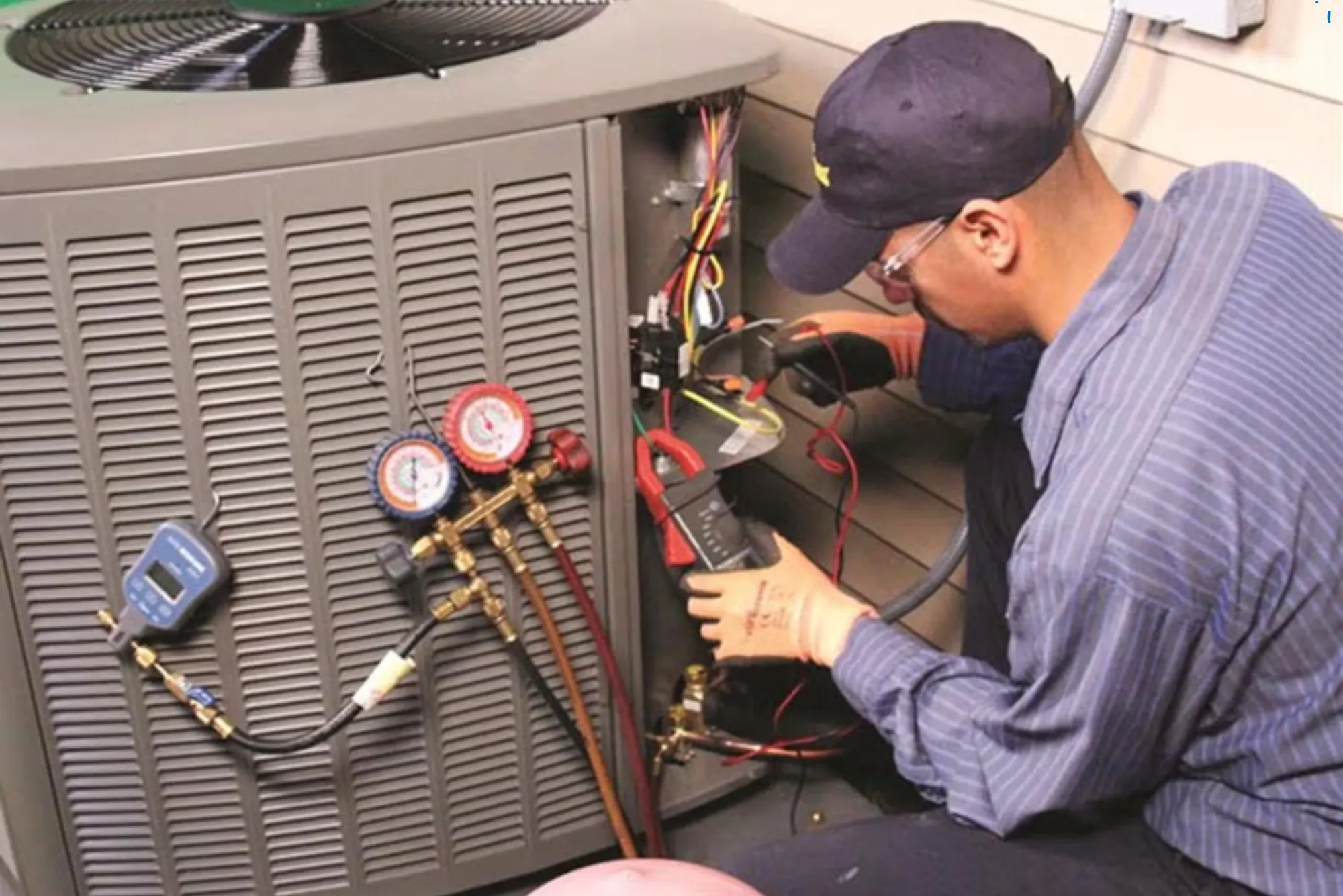
When short cycling occurs, professional evaluation is essential to identify the exact cause. Because the problem may involve multiple components—from thermostats and filters to refrigerant and electrical systems—proper diagnosis requires specialized tools and experience. Technicians can measure system pressures, test electrical continuity, assess airflow, and inspect coil conditions to pinpoint the root of the issue.
Corrective actions vary based on the diagnosis. Some solutions are as simple as replacing a clogged filter or recalibrating a thermostat. Others involve repairing leaks, recharging refrigerant, replacing worn electrical components, or addressing design flaws like oversized units. In all cases, prompt and accurate intervention prevents further damage and restores reliable cooling performance.
Protecting Your AC from Short Cycling
AC short cycling is a warning sign that your cooling system needs attention. Whether caused by thermostat errors, oversized units, clogged filters, low refrigerant, frozen coils, or electrical malfunctions, short cycling reduces efficiency, shortens component life, and disrupts indoor comfort. Ignoring the problem can lead to costly repairs or even complete system failure.
By understanding the underlying causes and committing to proactive maintenance, homeowners can break the cycle of repeated starts and stops. A professional inspection combined with routine care ensures that the air conditioner operates smoothly, cools effectively, and provides peace of mind during the hottest days of the year.