Maintaining a comfortable and energy-efficient home depends heavily on proper airflow. Balanced airflow ensures that every room in your house receives the right amount of conditioned air, eliminating hot and cold spots and reducing strain on your HVAC system. Many homeowners experience uneven temperatures without realizing that the underlying cause is often an unbalanced airflow system. By understanding how to balance your home’s airflow, you can enhance comfort, protect your HVAC system, and lower energy bills.
Understanding the Importance of Airflow Balance
Airflow balance in a home refers to the even distribution of conditioned air to all rooms according to the home’s layout and size. When airflow is balanced, no room is too hot or too cold, and your heating or cooling system operates at peak efficiency. Poor airflow balance can result in uncomfortable temperature variations, increased energy usage, and premature wear on HVAC equipment.
The principle behind airflow balance involves the supply and return ducts of your HVAC system working harmoniously. Supply ducts push conditioned air into rooms, while return ducts pull air back to the system. If one room receives more air than needed and another receives less, the result is a noticeable imbalance. Over time, this imbalance not only affects comfort but also creates extra pressure on the HVAC system.
Signs of Unbalanced Airflow
Homeowners can identify unbalanced airflow through a few clear indicators. Persistent hot or cold spots in certain rooms are the most obvious signs. For example, upstairs bedrooms might feel much warmer in the summer or cooler in the winter compared to ground-floor rooms. Another sign is increased energy bills because your HVAC system works harder to maintain a consistent temperature throughout the home. In addition, some rooms may feel stuffy or have poor air circulation, suggesting that the airflow is not properly distributed.
Excessive dust accumulation in certain rooms or a noisy HVAC system can also indicate airflow problems. If the ductwork is improperly sized or partially blocked, the system may produce whistling or rattling sounds as air struggles to move efficiently. Recognizing these early signs can help you address airflow imbalance before it leads to larger issues like system damage or expensive repairs.
Causes of Airflow Imbalance
Airflow imbalance can result from several factors related to your home’s design, ductwork, or HVAC system. Poorly designed or installed ductwork is one of the most common causes. If ducts are too small, too large, or contain multiple sharp bends, they can restrict air movement and create uneven distribution.

Blocked or closed vents also contribute to poor airflow. While some homeowners close vents in unused rooms to save energy, this can disrupt the pressure balance in the system and force air to travel inefficiently. Dirty air filters further restrict airflow, causing certain rooms to receive less conditioned air.
Other contributing factors include leaky ducts, which allow conditioned air to escape before reaching its destination, and inadequate return ducts that prevent proper circulation. Homes with multiple stories often face airflow issues because hot air rises and cold air sinks, naturally creating temperature imbalances without proper duct adjustments.
The Role of Professional Airflow Testing
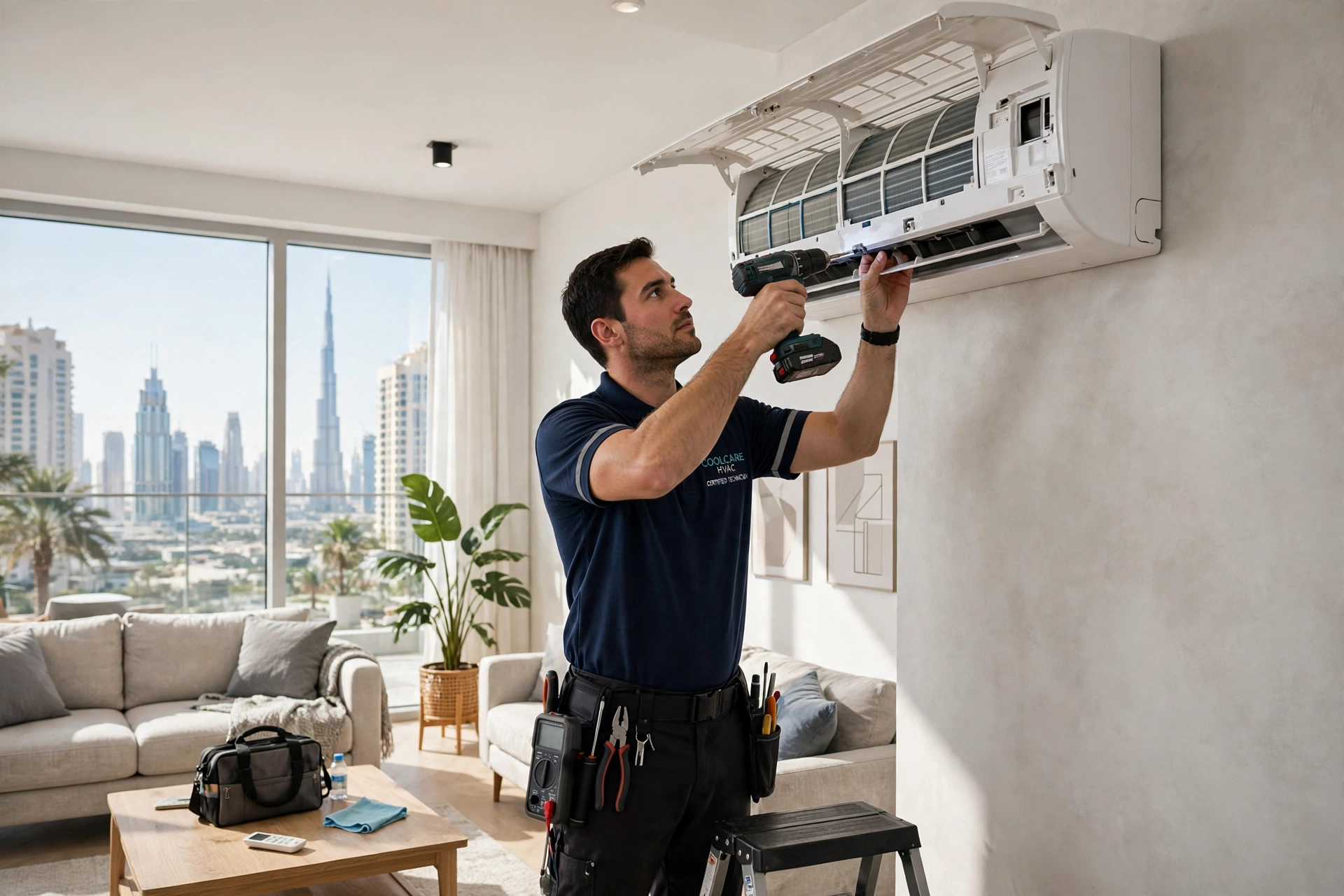
Before attempting to balance airflow, it is essential to determine the current state of your HVAC system. Professional airflow testing involves measuring air pressure and volume in each room using specialized tools. This evaluation can identify problem areas, detect leaks, and confirm whether your ductwork is adequately sized for your home’s needs.
Professional HVAC technicians often use manometers, anemometers, and thermal cameras to track air movement and detect inefficiencies. These measurements allow them to make precise adjustments to dampers, vents, and ductwork, ensuring each room receives the correct airflow. Testing also reveals hidden issues like partially blocked ducts,Post Category, disconnected sections, or improperly sealed joints that impact efficiency.
Steps to Balance Your Home’s Airflow
Achieving balanced airflow involves a combination of cleaning, adjusting, and inspecting various components of your HVAC system. The first step is to ensure your air filters are clean. Dirty filters restrict airflow and prevent conditioned air from traveling freely through the ducts. Replacing or cleaning filters regularly improves circulation and system performance.
The next step is to inspect all supply and return vents in the home. Make sure they are fully open, unobstructed by furniture, and clean from dust buildup. Adjusting vent positions can redirect air to rooms that need it most. In some cases, installing adjustable vent covers can help fine-tune airflow in specific rooms.
Dampers located within the ductwork play a critical role in controlling airflow. By partially opening or closing dampers, technicians can reduce airflow to rooms that receive too much air and increase airflow to rooms that are under-conditioned. Balancing dampers is a precise process that typically requires professional expertise to achieve long-term results.
Sealing duct leaks is another essential step in airflow balancing. Even small leaks can lead to significant energy loss and uneven air distribution. Professional duct sealing, often using mastic sealant or metal tape, ensures that air travels efficiently to each room without escaping into walls or attic spaces.
Improving Airflow with Regular Maintenance
Consistent maintenance is the key to keeping airflow balanced after adjustments have been made. Schedule seasonal HVAC inspections to ensure that the system is running efficiently and that no new issues have developed. Technicians can check fan speeds, motor performance, and duct conditions to prevent future imbalances.
Cleaning the ductwork periodically is also beneficial. Dust, debris, and even mold can accumulate over time, reducing airflow and creating health concerns. Professional duct cleaning enhances indoor air quality and ensures that the system can deliver air without obstructions.
If your home has ceiling fans, using them strategically can also help maintain balanced airflow. Fans help distribute conditioned air more evenly, reducing the load on your HVAC system.
Enhancing Comfort with System Upgrades
In some cases, achieving perfect airflow balance may require upgrades to your HVAC system. Zoning systems are highly effective in multi-story homes or larger properties where temperature differences are difficult to manage. A zoning system allows you to control airflow to specific areas of the home independently, improving comfort and energy efficiency.
Upgrading to a variable-speed blower motor can also enhance airflow balance. These motors adjust their speed based on the system’s needs, allowing for more precise air distribution and quieter operation. Smart thermostats and sensors can further optimize performance by monitoring temperature variations and signaling the system to adjust airflow accordingly.
Energy Efficiency Benefits of Balanced Airflow
Balancing your home’s airflow does more than improve comfort; it directly impacts energy efficiency. When air is distributed evenly, your HVAC system does not have to overcompensate for temperature differences between rooms. This reduced workload translates to lower energy bills and a longer system lifespan.
Efficient airflow also reduces wear and tear on components like blowers and compressors. With less strain on the system, the risk of unexpected breakdowns decreases. By investing in proper airflow management, homeowners can enjoy both immediate comfort and long-term cost savings.
Long-Term Impact on Indoor Air Quality
Balanced airflow plays a significant role in maintaining healthy indoor air quality. Poor airflow can lead to stagnant air, higher humidity levels, and the accumulation of allergens and pollutants in certain rooms. By ensuring that air circulates evenly, contaminants are continuously filtered through the HVAC system, creating a cleaner and healthier living environment.
In homes with unbalanced airflow, some rooms may experience higher levels of dust or unpleasant odors. Correcting these imbalances not only enhances comfort but also supports better respiratory health for all occupants.
Final Thoughts on Achieving Airflow Balance
Balancing your home’s airflow is an essential aspect of maintaining a comfortable, efficient, and healthy living environment. Addressing airflow issues involves inspecting vents, filters, and ductwork, as well as performing professional testing to identify problem areas. Strategic adjustments, combined with regular maintenance and potential system upgrades, can transform the way your home feels year-round.
By ensuring that each room receives the appropriate amount of conditioned air, you enhance comfort, reduce energy costs, and protect your HVAC system from unnecessary strain. A home with balanced airflow is a home where comfort and efficiency go hand in hand, creating an environment that truly feels right in every season.