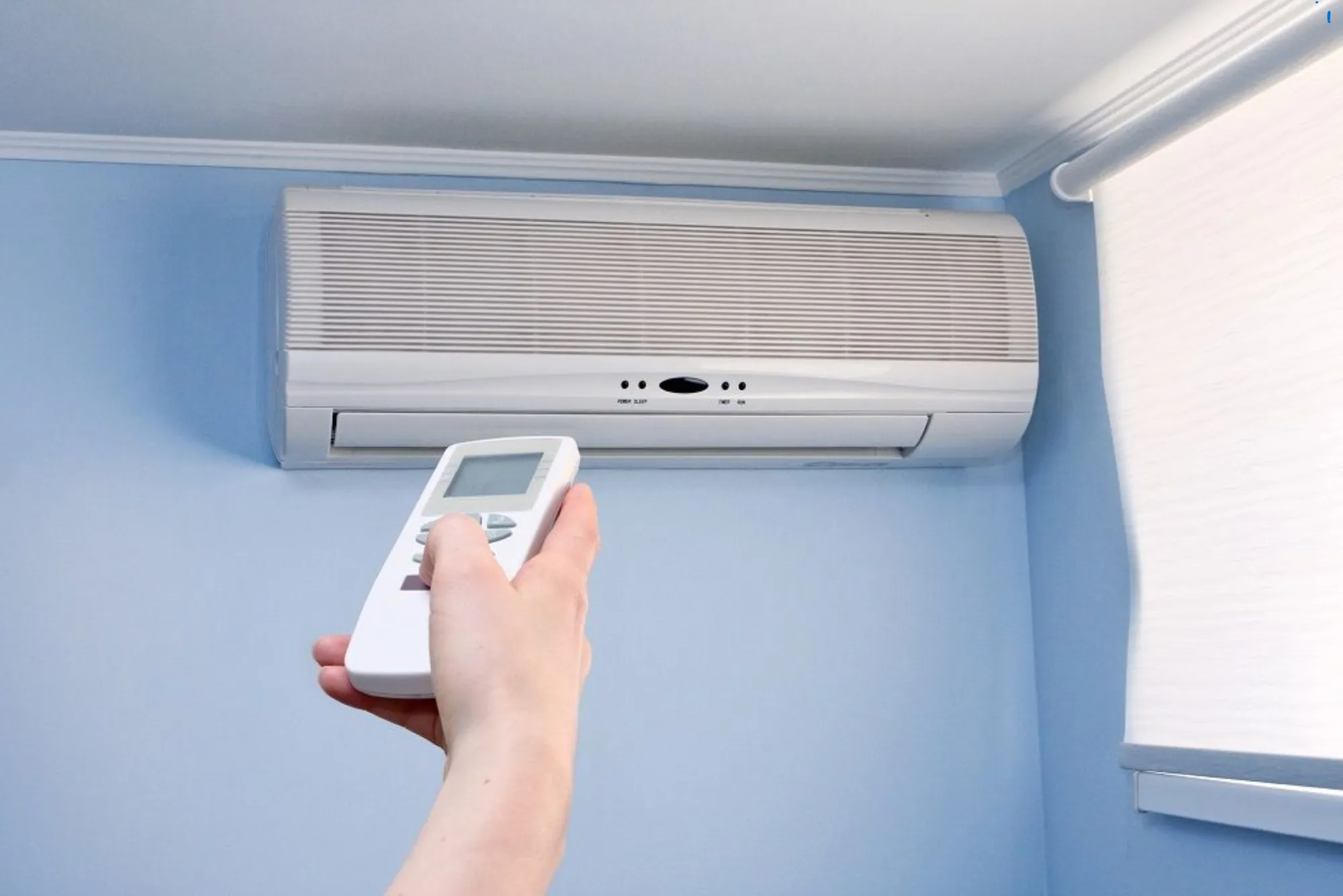
Planning a long vacation is exciting, but it comes with its own checklist of responsibilities—especially when it comes to protecting your home’s vital systems. One of the most critical systems to think about before locking your door and heading out is your air conditioning unit. Many homeowners overlook this, but neglecting your AC during long absences can lead to breakdowns, increased energy costs, or even costly repairs upon return.
As someone who has worked with HVAC systems for years and seen the consequences of neglect firsthand, I can confidently say: preparing your AC for a long vacation is not just optional—it’s essential. In this article, I’ll walk you through everything you need to know about maintaining your air conditioning system while you’re away, based on real-world experience and practical, no-nonsense advice.
Why Your AC Needs Attention Before You Travel
An idle AC system doesn’t necessarily mean it’s not working—it just means it’s running in a way that could be inefficient, wasteful, or even dangerous. Mold buildup, electrical malfunctions, pest infestations, and refrigerant leaks are just some of the problems I’ve encountered when homeowners return from weeks-long trips.
By putting a bit of time and thought into your AC prep, you can save yourself the headache of emergency service calls and unnecessary bills. Think of it as an insurance policy against one of your home’s most expensive and important systems.
Consider the Duration and Climate
The way you maintain your AC before travel largely depends on how long you’ll be away and what climate you live in. If you’re heading out for a few days during mild weather, the concerns are minimal. However, if you’re gone for several weeks during a scorching summer or a humid season, your AC needs serious preparation.
In hot and humid regions, an idle AC can quickly lead to moisture buildup, which encourages mold growth inside the ductwork. Conversely, turning off the AC entirely in extremely hot weather can result in soaring indoor temperatures that affect appliances, electronics, and even structural elements like wooden flooring.

Set the Thermostat Wisely
One of the biggest myths I’ve heard is that you should turn your AC off completely when you’re not home. This may save you some energy short term, but it could also backfire. High indoor temperatures can damage your furniture, walls, and electronics—not to mention lead to the development of mold if moisture is left unmanaged.
Instead, raise your thermostat by a few degrees above your normal comfort level. If you normally keep it at 72°F (22°C), setting it around 78°F (25–26°C) is usually a safe middle ground. This allows your system to run occasionally to manage humidity and prevent overheating, without working too hard.
If you have a smart thermostat, you’re in luck. These systems allow you to monitor and adjust temperatures remotely, and some even offer energy reports that can alert you to irregular usage or faults while you’re away.
Clean or Replace Your Air Filters
Before leaving, always check your air filters. Dirty filters restrict airflow, force your system to work harder, and increase the chances of mechanical issues. A clean filter not only boosts efficiency but also maintains air quality inside the home.
I usually advise homeowners to change filters every 1–3 months depending on use. If you’re not sure, pull it out and hold it up to a light. If light can’t pass through easily, it’s time for a change.
Inspect Drain Lines and Condensate Pans
Water leaks from AC systems are one of the most common service calls I get after someone returns from vacation. In nearly every case, the culprit is a clogged condensate line or an overflowing drain pan.
Before you leave, flush the drain line with a mixture of water and vinegar to clear potential clogs. Also, inspect the pan for any signs of damage or water buildup. If your system has a float switch,AC During Extended Vacations, make sure it’s working—it can shut the system off automatically if a blockage causes water backup.
Close Curtains and Blinds
This might seem like a small detail, but closing your window coverings reduces solar heat gain, which means your AC doesn’t have to work as hard while you’re gone. It also protects your furniture and flooring from UV damage.
Additionally, closed curtains offer a layer of security, preventing outsiders from seeing that the house is unoccupied.
Use Ceiling Fans or Ventilation Options
Running ceiling fans in conjunction with your AC can help circulate air and manage humidity more evenly. If your fans have a reversible switch, set them to rotate counterclockwise for better airflow during summer months.
Alternatively, if you’re in a relatively dry and safe climate, consider opening a few vents or using a whole-house fan system to encourage natural airflow—just be sure your home is secure and weather-proof before choosing this option.
Schedule a Pre-Vacation Inspection
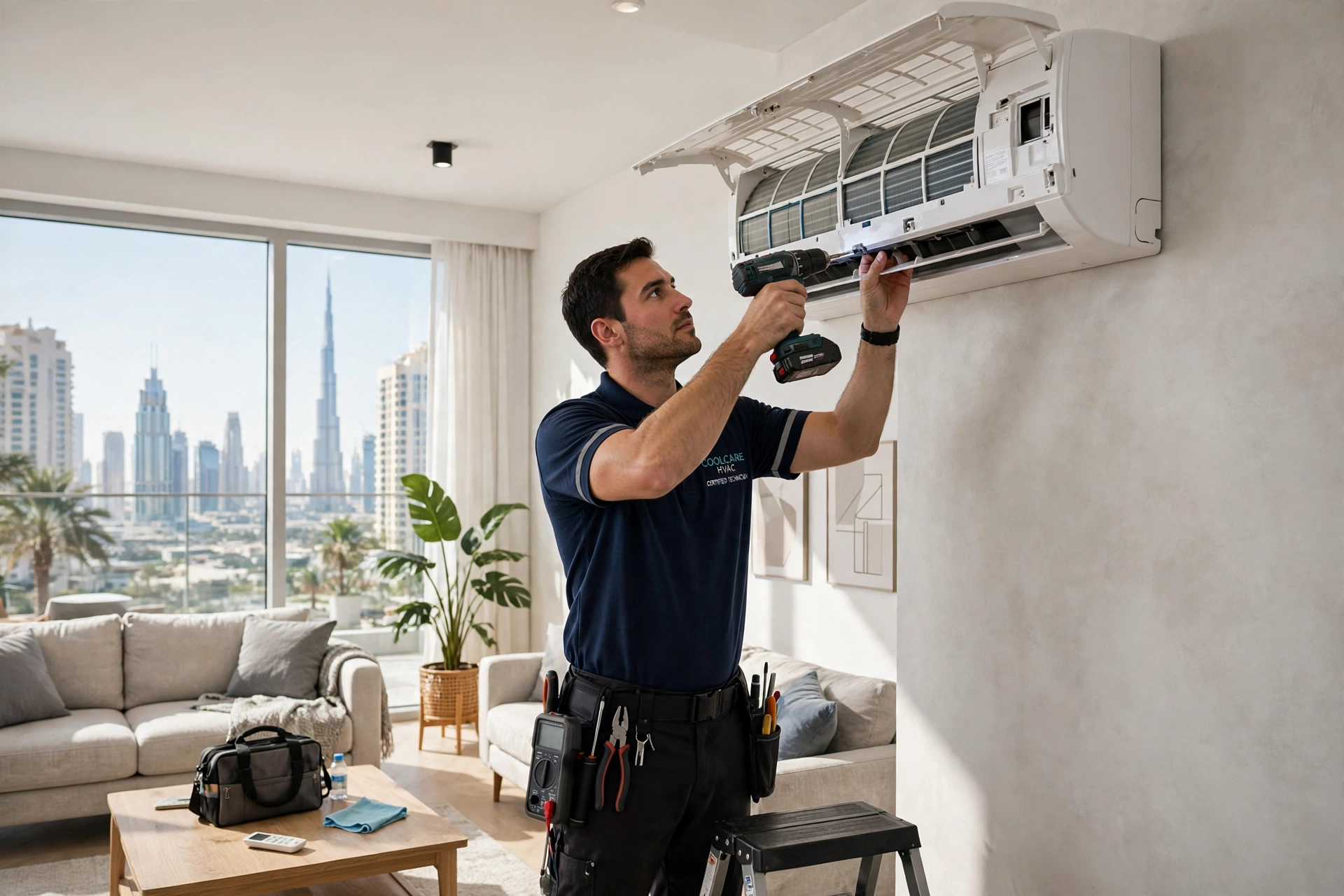
One of the smartest things you can do is schedule a quick maintenance check with a licensed HVAC professional before you go. A 30-minute inspection can uncover worn-out parts, dirty coils, low refrigerant levels, or other hidden issues.
I often advise clients to do this at least a week before travel, so there’s time to handle any minor repairs. It’s always better to catch a small problem early than come back to a disaster after being away for weeks.
Protect Against Power Surges
AC units are vulnerable to power fluctuations, especially during storms. A surge can damage the compressor, capacitor, or motherboard, and that’s not something you want to find out after returning from vacation.
Consider installing a surge protector specifically for your HVAC system. If your area is prone to outages, some people even choose to shut off the unit entirely at the breaker and rely on dehumidifiers or ceiling fans to maintain air quality.
Smart Home Integration for Peace of Mind
If you’re comfortable with technology, integrating your AC system with a smart home hub can offer incredible peace of mind. With apps that monitor indoor temperature, energy use, and humidity levels,Post Category, you can check in remotely to ensure everything’s running smoothly.
Some systems even send alerts if the temperature rises unexpectedly—an early warning that something’s gone wrong.
Avoid Pest Intrusions
Believe it or not, pests love idle systems. Insects, rodents, and even birds sometimes find their way into ductwork or outdoor units, especially if there are existing entry points.
Before you leave, inspect the outdoor unit for signs of nesting or burrowing. Cover the unit with a breathable protective mesh if necessary, but never use plastic tarps, as they trap moisture. Indoors, make sure all vents are clear and all access points are sealed.
Don’t Forget About Return Prep
When you come back from your vacation, don’t just crank the AC back to its usual setting without checking on the system first. Do a quick walkthrough—listen for unusual sounds, check for odors, inspect the thermostat, and monitor how quickly the house cools down. Any delays or odd behavior should be addressed immediately.
If you used a smart thermostat or monitoring app during your trip, review the data to spot any unusual patterns in energy use, which could signal a maintenance issue brewing.
Final Thoughts from Experience
I’ve worked with dozens of homeowners who learned the hard way how much damage can happen to an AC system left unprepared. A flooded drain pan, a mold-infested duct, or a blown capacitor are not the souvenirs you want waiting for you after your dream vacation.
Taking a little time now to prepare your system can save you hundreds—or even thousands—of dollars in repairs later. Plus, it gives you the peace of mind to fully enjoy your trip, knowing your home’s air system is in good shape while you’re away.
Vacation should be about rest and relaxation, not worry and regret. And by following these expert tips, you’re not just caring for your AC—you’re protecting the long-term comfort and value of your entire home.