If you’ve ever caught a musty smell blowing from your air vents or experienced unexplained respiratory discomfort at home, mold in your AC ducts could be the silent culprit. As someone who has worked closely with HVAC systems over the years, I’ve seen firsthand how quickly mold can invade an otherwise clean system, especially in humid environments like Dubai, Florida, or anywhere moisture and poor airflow collide. The frustrating part is that mold isn’t always visible, and by the time you notice the smell or symptoms, the infestation might already be affecting your indoor air quality.
This article aims to provide a clear, practical, and experience-backed guide to help you prevent mold growth in your AC ducts. Whether you’re a homeowner, tenant, or property manager, understanding the root causes, early warning signs, and effective prevention techniques can save you time, money, and potential health issues.
Why Mold Finds a Home in Your AC Ducts
To understand how to prevent mold, we first need to understand why it loves AC ducts in the first place. Mold thrives in damp, dark, and enclosed spaces. Your air conditioning ducts, particularly in central air systems, offer the perfect storm: high humidity, condensation, and limited light. When warm, moist air passes through cooler ductwork or if there’s standing water near the HVAC components like the drip pan or evaporator coils, it creates a breeding ground for mold spores.
Additionally, dust and organic debris—like skin cells, pollen, and pet dander—often collect in ducts over time. This combination of moisture and food source is practically an invitation for mold to settle in.
The Hidden Health Risks of Mold in Ducts
You might think a little mold in the air ducts isn’t a big deal, but over time it can trigger a wide range of health problems. For people with asthma, allergies, or weakened immune systems, exposure to mold spores through the HVAC system can cause serious respiratory issues. Symptoms often include sneezing, itchy eyes, coughing, and headaches—problems that many people chalk up to seasonal allergies or stress.
More concerning is that long-term mold exposure can lead to chronic sinus infections, fatigue, and even neurological symptoms in extreme cases. The bottom line is this: mold in your ducts doesn’t just affect your AC’s efficiency; it impacts your well-being.

Signs Your AC Ducts May Already Have Mold
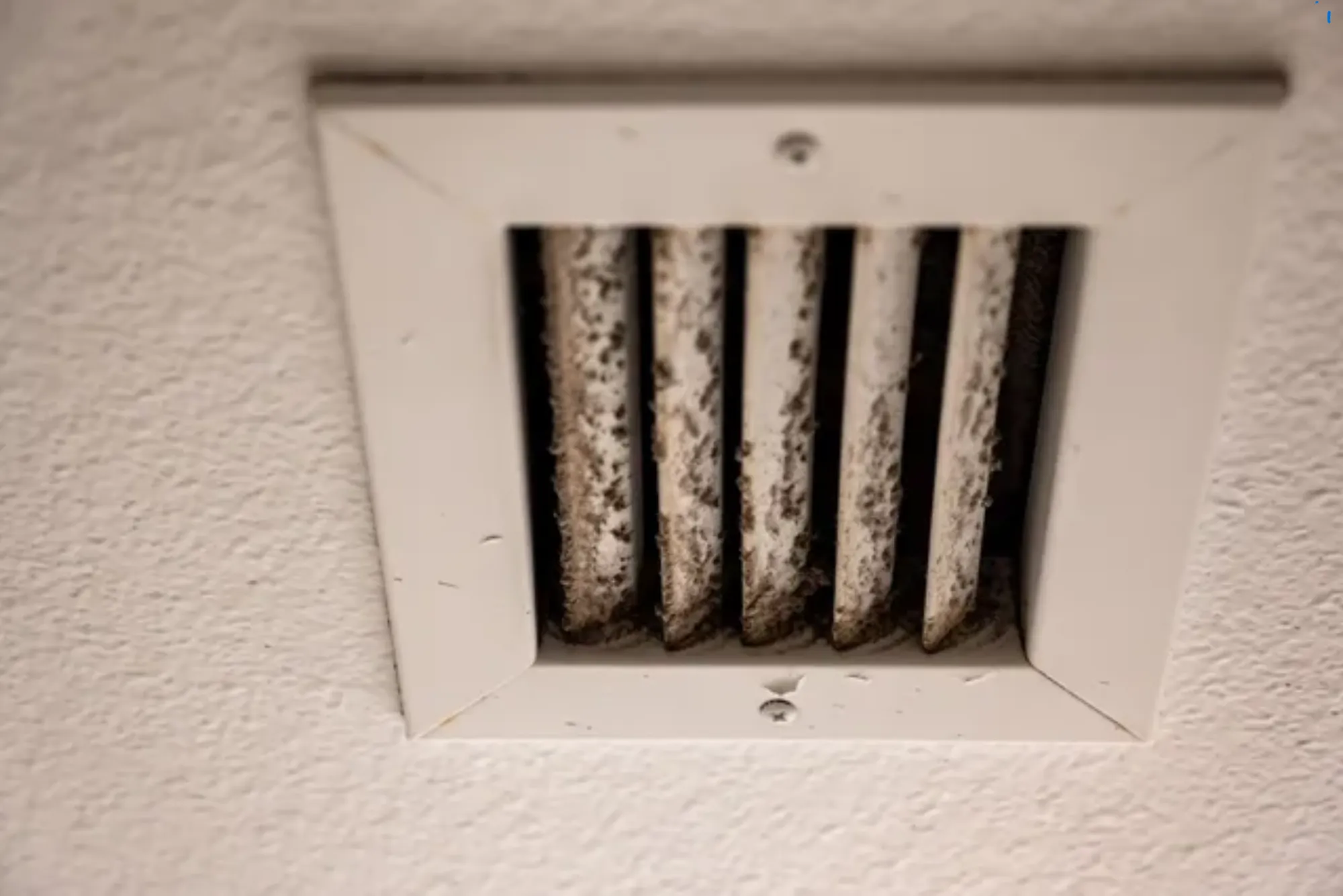
In many homes I’ve inspected, homeowners didn’t realize there was a mold issue until they noticed a persistent musty odor, especially when the AC was running. That’s usually the first red flag. In some cases, you might see visible black, green, or white spots around air vents or inside ductwork if you shine a flashlight in.
Another sign is if people in the home are experiencing unexplained respiratory issues or if you’ve recently dealt with a leak, flood, or high indoor humidity. If you’re not sure, a professional air quality test can determine if there’s a significant mold presence in your HVAC system.
The Role of Humidity Control in Mold Prevention
From personal experience, one of the most effective strategies to prevent mold growth is controlling indoor humidity. Mold generally cannot grow if the relative humidity stays below 60 percent. Ideally, keeping it between 30 and 50 percent will drastically reduce the risk.
You can use a hygrometer (an inexpensive tool you can buy online or in hardware stores) to monitor your indoor humidity. If you live in a humid area or notice frequent condensation around your windows or vents, consider using a dehumidifier—especially during peak summer months.
Additionally, make sure your AC unit itself is appropriately sized for your space. Oversized units tend to short-cycle, meaning they cool the air quickly but don’t run long enough to remove moisture from the air. This results in cool but damp conditions, which is exactly what mold loves.
Regular Maintenance Is Your Best Defense
I’ve been called to service homes where the AC hadn’t been maintained in years, and the ductwork was practically a jungle of mold colonies. Regular maintenance is not just a recommendation—it’s a necessity.
Schedule professional HVAC servicing at least once or twice a year. During these checkups, technicians will clean coils, drain pans, filters, and inspect ductwork for any signs of mold or moisture problems. If you’ve never had your ducts cleaned and your system is over five years old, a professional duct cleaning might be necessary to remove existing mold and debris.
Homeowners can also play a role between maintenance visits. Change your air filters every 30 to 90 days depending on usage and household conditions. A clogged filter not only reduces airflow and efficiency but also traps moisture and particles that contribute to mold growth.
Seal and Insulate Ductwork Properly
One issue that often goes unnoticed is improperly sealed or uninsulated ducts—especially in older buildings. When cold air passes through warm areas, condensation can form on the exterior of the ducts or even inside if air leaks are present.
Sealing all joints and seams in your ductwork with mastic sealant or HVAC tape ensures no moisture-laden air seeps in. Additionally, insulating your ductwork prevents condensation and helps your system operate more efficiently. This small investment pays off in both mold prevention and energy savings.
The Importance of a Clean Drain Pan and Condensate Line
When air conditioners cool your home, they remove moisture from the air, which collects in a drain pan and exits through a condensate line. If either becomes clogged or damaged, water can pool and sit stagnant—again, a perfect mold breeding ground.
I always recommend checking the drain pan monthly during high-usage seasons. Make sure it’s not cracked or overflowing. Pouring a mixture of vinegar and water down the condensate line every few months can also help keep it clear of algae and mold buildup. If you’re not comfortable doing this yourself, most HVAC professionals include it in their routine servicing.
Air Purifiers and UV Lights as Supplemental Tools
In my experience, some homeowners benefit from taking extra measures, especially in mold-prone regions. Installing UV lights within your HVAC system can be a game-changer. These ultraviolet lights target mold spores on the coils and inside ductwork, neutralizing them before they spread. They’re particularly effective when used in tandem with a good air filtration system.
High-efficiency particulate air (HEPA) filters or air purifiers with activated carbon can also trap spores and improve indoor air quality. While these tools don’t replace maintenance and humidity control, they do add an extra layer of protection for sensitive individuals.
Avoiding DIY Mistakes That Can Make Things Worse
While it’s great to be hands-on, I’ve seen many well-meaning homeowners inadvertently worsen mold issues. One common mistake is using bleach to clean vents or ducts. While bleach might kill mold on non-porous surfaces, it doesn’t penetrate porous materials and may actually increase moisture levels, which helps mold regrow.
Also, covering vents to redirect airflow can backfire. Blocking vents changes air pressure and can create cold spots that attract condensation. The best approach is always balanced airflow and using equipment designed for your specific home size and layout.
What to Do If You Already Have Mold in Your Ducts
If you suspect or confirm mold growth, it’s important to act quickly but wisely. Mild surface mold on vents can sometimes be cleaned using a gentle detergent solution and a microfiber cloth. However,Post Category, if the mold is inside the ducts or has spread significantly, it’s time to call a certified mold remediation specialist.
Professionals have the tools and protective gear to clean ductwork thoroughly without releasing spores into your living space. After cleanup, they can also help identify the moisture source so you can address the root cause.
Real-World Example: A Mold Nightmare Turned Success
I once worked with a family in a coastal city who had been battling chronic sinus infections and allergy flare-ups for nearly two years. After several medical visits and home inspections, we traced the issue to mold-infested AC ducts caused by a clogged drain line and poorly insulated attic ductwork. It took a full duct cleaning, resealing the duct system, and installing a UV purifier, but the difference was night and day. Within weeks,Prevent Mold Growth in AC Ducts, their symptoms improved, and their home smelled fresh again. Stories like this highlight the importance of proactive care.
Final Thoughts: Prevention Is Always Better Than Remediation
Mold in your AC ducts isn’t just a maintenance issue—it’s a health and quality-of-life concern. The key takeaway is that preventing mold is far easier, less costly, and less disruptive than dealing with a full-blown infestation.
Stay on top of your AC maintenance, manage humidity, and be alert to early signs like musty smells or water leaks. With a proactive approach and a bit of attention to detail, you can keep your HVAC system clean, efficient, and mold-free for years to come.