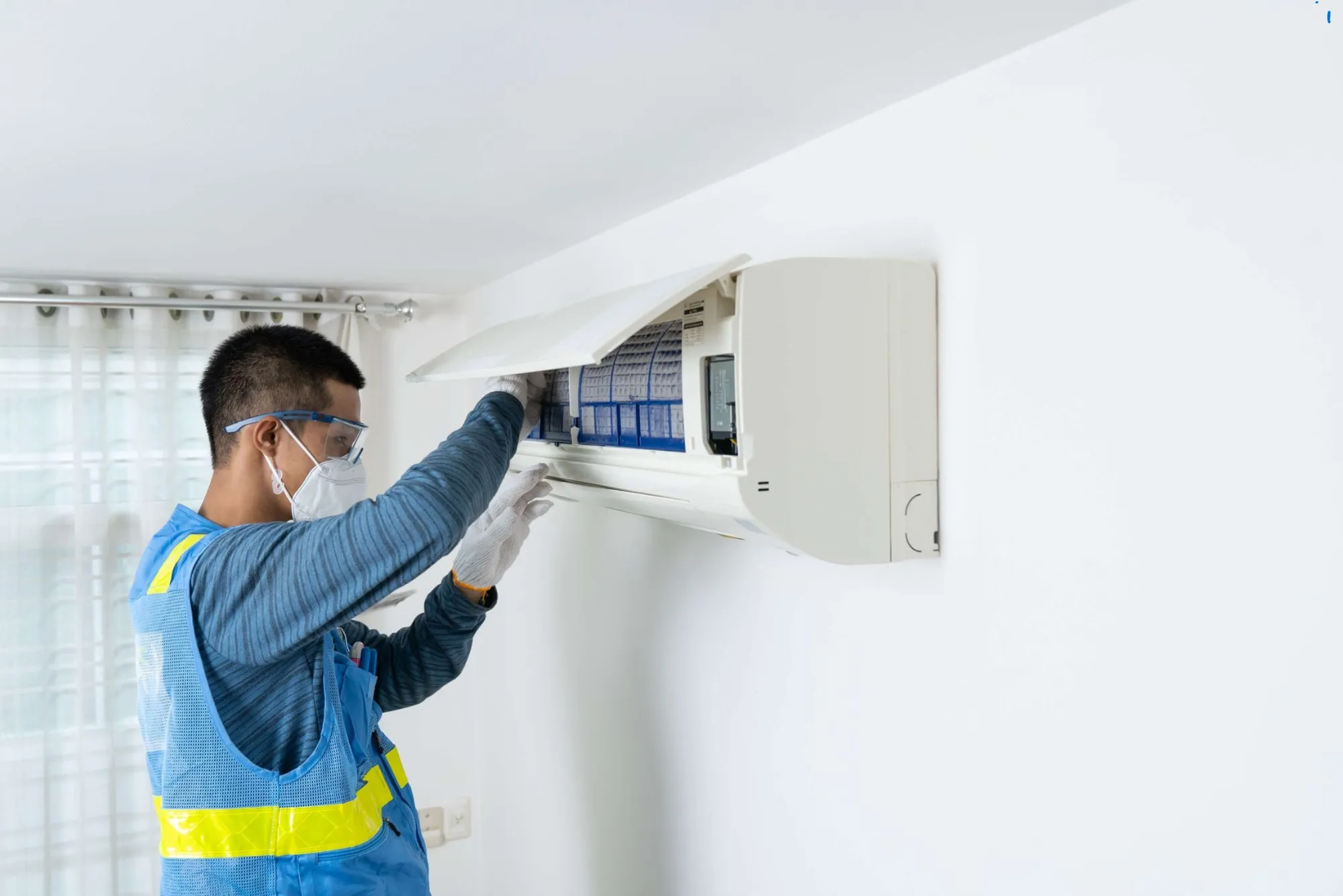
If you’ve ever walked into a room expecting a refreshing blast of cool air but instead felt only a weak, disappointing breeze, you’ve experienced low AC airflow. At first, you might brush it off—maybe the day’s just too hot, or perhaps you assume the system needs a little more time to cool the space. But as someone who has seen countless AC issues up close, I can tell you: low airflow is rarely something that fixes itself. In fact, ignoring it can turn a manageable problem into a full-blown system breakdown.
Air conditioning systems are designed with precision. Every fan blade, duct opening, and filter works in harmony to deliver a specific amount of air per minute into your living spaces. When that airflow drops, even by a small margin, the entire balance of the system is affected. You’re not just losing comfort—you’re inviting mechanical stress, higher energy bills, and potential damage to critical components.
What Low AC Airflow Really Means
Airflow is one of the most important performance indicators in any HVAC system. Your AC relies on a steady stream of air moving over the evaporator coil to absorb heat and humidity from your home. If the airflow is reduced, several things start happening behind the scenes that you can’t see, but will definitely feel later.
The coil can become too cold, causing ice to form. That ice then further blocks airflow, creating a snowball effect—literally and figuratively. The system starts running longer cycles to try to meet the thermostat’s demands, which drives up energy consumption and adds strain to the blower motor and compressor.
From a comfort perspective, low airflow means rooms will cool unevenly. You may notice hot spots, increased humidity, or that “stuffy” feeling even when the AC is technically running. Over time, this can be frustrating enough to tempt you into lowering the thermostat even further—something that won’t solve the problem but will definitely increase your energy bill.
How It Feels in Real Life
I once worked with a family who kept complaining their brand-new AC unit wasn’t keeping the upstairs bedrooms comfortable. The first thing they noticed was a gentle breeze instead of the strong airflow they were used to. They figured maybe it was just an adjustment period, but within a few weeks, Low AC Airflow, they were running the AC almost non-stop and still waking up sweating.

When I checked their system, the problem was obvious: the return air filter was so clogged it looked like it had been there for years. With the airflow restricted, the evaporator coil had iced over. Not only was the unit underperforming, but the compressor was on the verge of failure from the extra strain. Had they waited much longer, they could have been looking at a repair bill in the thousands.
That’s the reality of low airflow—it’s more than an inconvenience; it’s often a warning that something deeper is wrong.
Common Causes Behind Low Airflow
Low airflow doesn’t just happen for one reason. In my experience, it can come from a variety of issues, and sometimes more than one at a time. Dirty filters are the most obvious culprit. If you can’t remember the last time you changed yours, it’s probably overdue.
Then there’s ductwork. Leaks, blockages, or even poor design can cause air to lose speed before it reaches the vents. Sometimes the ducts are crushed in an attic or crawlspace; other times they’re clogged with dust, insulation, or even pests.
Mechanical components can be part of the problem too. A failing blower motor or worn fan belt can’t move air as efficiently as it should. And if your system hasn’t been maintained in years, it’s possible that dirt buildup on the evaporator coil or blower wheel is choking the system from the inside out.
Even your home’s layout and maintenance habits play a role. Closing too many vents in unused rooms may seem like a good idea to save energy, but it can actually increase pressure in the duct system, reducing airflow everywhere.
The point is, low airflow is never “just the way it is.” Something’s causing it, and the longer you wait, the worse it gets.
Why You Should Act Immediately
One of the most damaging effects of low airflow is the risk of freezing the evaporator coil. This is not just an ice problem—it’s a system health problem. Ice blocks airflow even more, forcing the AC to run harder. The compressor, which is one of the most expensive components to replace, ends up overworking. If the problem continues, you could be looking at a complete compressor burnout.
On top of that, low airflow often leads to increased humidity. Your AC is supposed to remove moisture from the air as part of the cooling process. With less air moving over the coil, that dehumidification process suffers. You’ll feel the difference in the form of sticky skin, musty odors, or even mold growth in extreme cases.
From a financial perspective, ignoring low airflow is like leaving a leak in your car’s engine and hoping it goes away. You’ll end up paying more in energy bills because your system is running longer cycles with less output. And when the eventual breakdown comes, it’s going to cost far more than a simple maintenance visit would have.
How to Recognize the Early Warning Signs
Sometimes the signs of low airflow are obvious—like a vent that barely pushes any air. But in other cases, they’re subtle. Uneven cooling between rooms is a big clue. If the thermostat says 72°F but one bedroom feels like a sauna, it could be due to restricted air movement.
Longer cooling cycles are another sign. If your system used to cool the house in 10 minutes but now takes 20 or more, airflow might be the reason. You may also notice the AC running almost constantly on hot days, but the temperature hardly budges.
Noise can also tell you a lot. A whistling sound from vents might mean air is struggling to get through a restricted path, while rattling could indicate duct issues or loose parts in the blower assembly.
The key is to pay attention to changes in your system’s performance and comfort levels. The sooner you spot these differences, the sooner you can address them.
What You Can Do Now
If you suspect low airflow, the first and easiest thing to check is your air filter. Replace it if it’s dirty, and see if that improves performance. It’s surprising how often this alone can solve the problem.
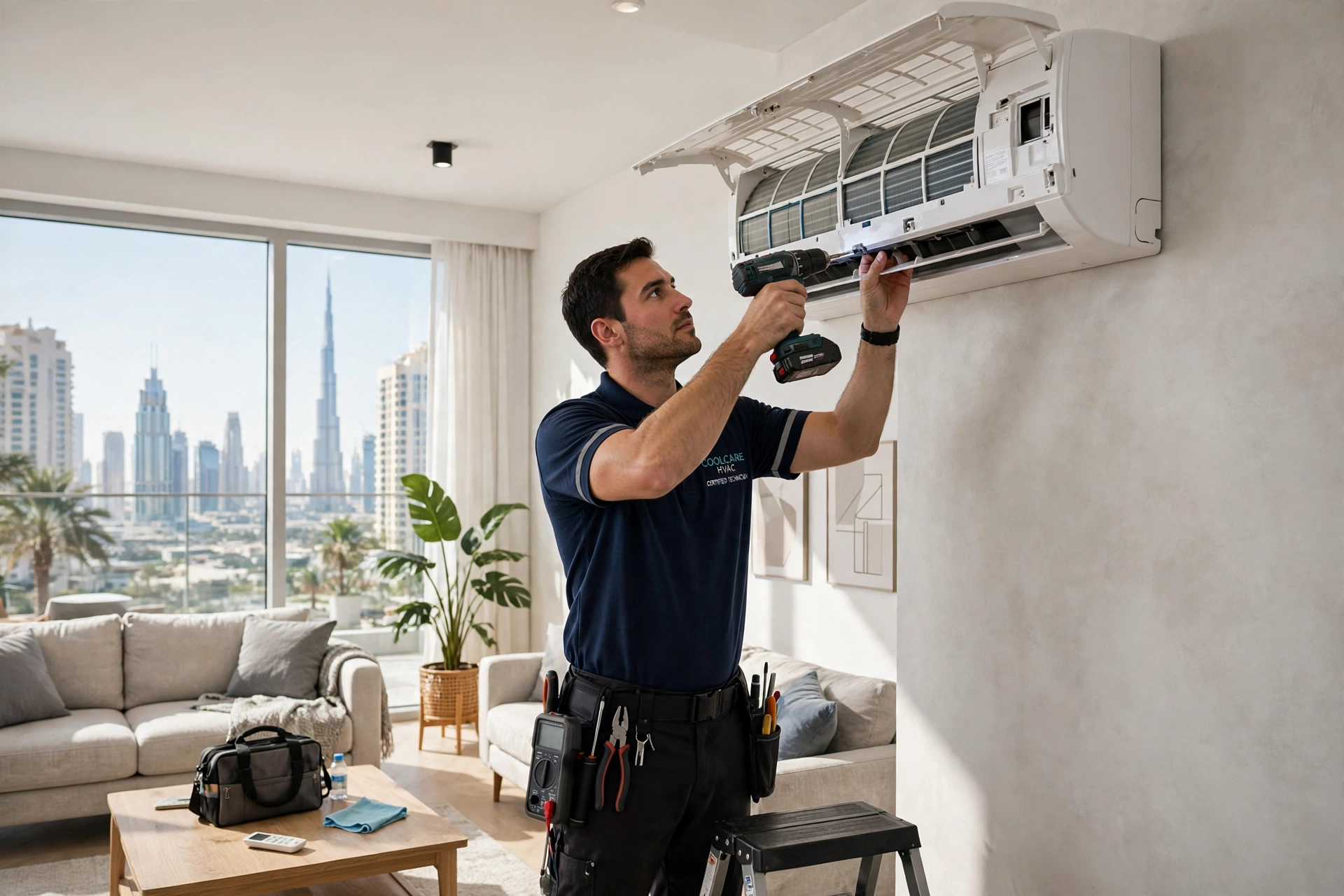
If the filter is fine, it’s worth calling in an HVAC professional to inspect the ductwork, blower motor, and coil. They can measure airflow in cubic feet per minute (CFM) and pinpoint where the restriction is happening. In some cases, cleaning the evaporator coil or repairing duct leaks can bring the system back to peak performance.
For those with older systems, low airflow might also be a sign that it’s time to upgrade. Newer units are more efficient and designed with better airflow capabilities, so if your system is nearing the end of its lifespan, a replacement could be the smarter move financially.
Preventing Low Airflow in the Future
The best way to deal with low airflow is to avoid it in the first place. Regular maintenance is key—this means changing filters on schedule, having your ducts inspected, and scheduling annual tune-ups with a qualified technician.
Keeping vents open and unobstructed helps too. Avoid placing furniture or curtains directly over vents, and resist the urge to close vents in unused rooms. This can create an imbalance in the duct system that actually reduces efficiency.
Also, consider having your ducts professionally cleaned if it’s been years since the last cleaning, Post Category, especially if you’ve noticed a lot of dust buildup in your home.
The Bottom Line
Low AC airflow is not just a minor inconvenience—it’s an early warning that your system is struggling. Ignoring it puts your comfort, your wallet, and your HVAC system’s lifespan at risk. Whether it’s a clogged filter, duct problem, or failing blower motor, the key is to act quickly.
Think of your AC like a car engine: if something feels off, you don’t keep driving and hope for the best. You address the problem before it turns into a costly repair. The same logic applies here. With prompt attention and regular maintenance, you can keep your system running smoothly, your home comfortable, and your energy bills under control.