If you’ve ever loaded your dishwasher, pressed a button, and come back to sparkling clean plates, you might have wondered what magic happens inside. For many of us, a dishwasher is just another kitchen appliance, but when you understand how it works, you not only appreciate it more but can also use it more efficiently. As someone who has seen the insides of more dishwashers than I can count (yes, I’ve even fixed a few), I can tell you that these machines are a lot more clever than they look.
The Basics Behind a Dishwasher
At its core, a dishwasher is essentially a highly specialized robot for cleaning dishes. It uses a combination of hot water, detergent, and mechanical action to scrub away food particles and stains. The magic lies in its ability to automate what would otherwise take you a good chunk of time at the sink. Instead of standing there with a sponge, you load the machine, and it does the heavy lifting—consistently, and often better than handwashing.
Step One: Filling and Heating the Water
When you start a cycle, the dishwasher doesn’t fill completely with water like a washing machine would. Instead, it fills just enough to reach the bottom basin. A water inlet valve opens to let in the right amount, and then a heating element quickly warms it up to an optimal temperature—usually between 120°F and 160°F. This is one reason why your dishwasher is often better at killing bacteria than handwashing, which usually uses cooler water.
Heating isn’t just about sanitizing; it also helps the detergent dissolve more effectively and break down grease faster. This is why using hot water from the start can improve cleaning results, especially if your dishwasher has a “hot start” or “sanitize” feature.
The Power of Spray Arms
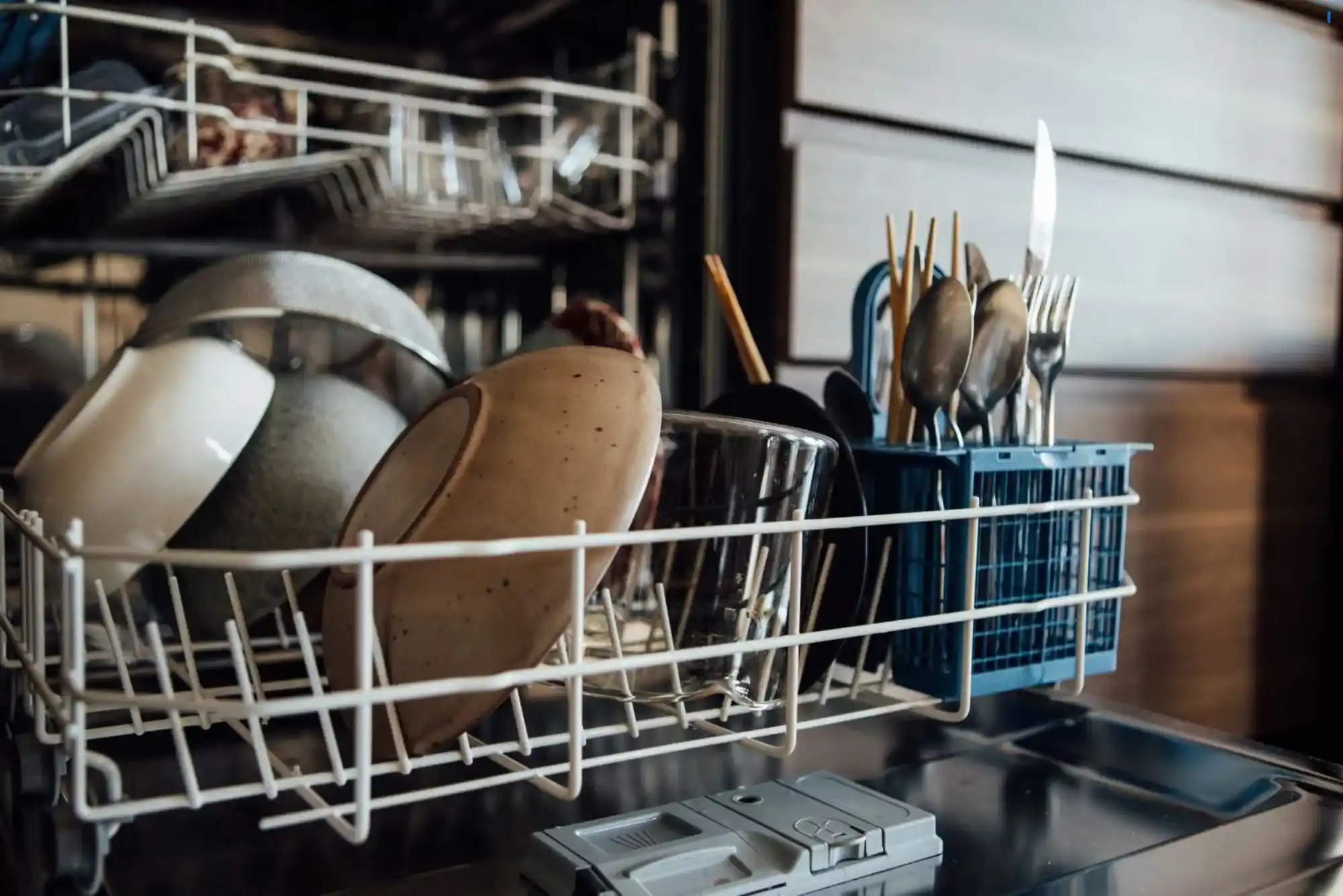
Once the water is heated, it’s time for action. Pumps inside the machine push water through rotating spray arms located at the top, middle, and bottom of the dishwasher. These arms spin and spray water with enough force to loosen food debris, but not so much that your dishes get damaged. The spray pattern is carefully designed to reach every corner, which is why correct loading is key.
Ever notice that some plates come out spotless while others still have residue? That’s often due to blocked spray arm holes or overcrowded racks. I once ran a “half load” in my dishwasher, thinking I was saving water, but because I stacked items too tightly, the spray couldn’t reach certain areas. That was my first lesson in the importance of space for water circulation.

The Role of Detergent and Rinse Aid
When the first spray cycle starts, the detergent dispenser opens, releasing powder, gel, or pods into the hot water stream. The detergent contains surfactants to lift grease, enzymes to break down proteins and starches, and sometimes even bleaching agents to remove stains.
Alongside detergent, rinse aid plays an unsung but crucial role. This liquid reduces the surface tension of water, helping it slide off your dishes rather than forming droplets that leave spots. If you’ve ever wondered why your glasses look cloudy, it might be because your rinse aid reservoir is empty.
Filtering and Recirculating the Water
One of the cleverest features of modern dishwashers is their water efficiency. Instead of continuously filling with new water, most models filter and recirculate it several times during the wash cycle. Food particles are trapped in a filter—sometimes self-cleaning, sometimes manual—while the clean water is sprayed again. This keeps the wash effective without wasting gallons of fresh water.
I recommend checking your filter at least once a month. I’ve seen dishwashers struggling with performance simply because the filter was clogged with pasta bits or lemon seeds. A quick rinse under the tap can make a noticeable difference in cleaning results.
Draining the Dirty Water
After the wash and rinse phases, the pump switches to draining mode, sending the dirty water out through a hose into your sink’s drain or directly into your plumbing. This is why it’s important to keep your kitchen sink drain clear; if the sink is clogged, your dishwasher could back up too.
The Drying Process
Drying can happen in a couple of ways. Some dishwashers use a heating element at the bottom to evaporate water off the dishes, while others rely on condensation drying, where hot dishes cause the water to bead and drip down the cooler stainless-steel walls. Premium models may even use a fan to speed things up.
If you’re looking to save energy, you can skip the heated dry cycle and just crack the door open slightly after the wash is done. The residual heat will finish the job without costing you extra electricity.
Why Understanding This Process Matters
Knowing how your dishwasher works isn’t just trivia—it can help you troubleshoot problems and get better results. For example, if your dishes are coming out dirty, you’ll know to check for blocked spray arms, clogged filters, or low water temperature. If glasses are cloudy, you might need more rinse aid or a descaling treatment.
I once had a client who thought their dishwasher was “broken” because dishes were still wet after the cycle. It turned out they had disabled the heated dry option to save energy, not realizing that air drying takes longer. A quick explanation saved them a repair bill and restored their trust in the machine.
Tips for Getting the Most from Your Dishwasher
While this isn’t a list, I can’t resist sharing a few experience-based pointers. Always scrape large food scraps off dishes before loading, but don’t rinse them completely—detergents work better when there’s something to break down. Load plates so they face the spray arms, and angle bowls so water drains off. Don’t overload, Post Category, and keep plastic items on the top rack to avoid warping from the heating element.
Most importantly, run your dishwasher regularly. Letting it sit idle for weeks can lead to seals drying out and unpleasant odors building up. Even an empty cycle with vinegar once a month can keep it fresh and functioning at its best.
The Takeaway
A dishwasher is more than a convenience—it’s a carefully engineered cleaning system that saves you time, water, and effort. From the precise heating of water to the strategic spraying, filtering, and drying, every stage of the process is designed to give you spotless dishes with minimal input. Once you understand how your dishwasher works, you can make small adjustments that lead to big improvements in performance.
So next time you press that start button, you’ll know exactly what’s happening inside. And maybe, just maybe, you’ll feel a little more appreciation for this hardworking kitchen companion.