A dishwasher is one of the most useful appliances in a modern kitchen, saving time and effort while ensuring your dishes are cleaned thoroughly. However, like any appliance that handles food particles, grease, and water, it requires proper maintenance to perform efficiently. One of the most common causes of poor dishwasher performance is a clogged or partially blocked drain line. Learning how to flush dishwasher drain lines is an essential step for homeowners who want to maintain their appliance’s reliability and extend its lifespan. A blocked drain line not only causes water to pool at the bottom of the dishwasher but also results in unpleasant odors, slow drainage, and, in severe cases, complete malfunction.
Why the Dishwasher Drain Line Matters
The drain line is responsible for carrying dirty water away from the dishwasher during and after each cycle. This line is usually connected to either the kitchen sink drain or the garbage disposal. Over time, food debris, grease, detergent residue, and even hard water minerals can build up inside the hose. When this happens, the flow of water becomes restricted, creating backflow or stagnant water that compromises the dishwasher’s performance. Regularly flushing the dishwasher drain line prevents this buildup and ensures smooth water drainage. More importantly, it helps you avoid costly repairs and service calls.
Signs That Indicate the Drain Line Needs Flushing
Before diving into the process of flushing, it is important to understand the warning signs that suggest your dishwasher drain line is becoming clogged. Slow drainage after cycles, water pooling at the bottom of the machine, gurgling sounds from the drain area, and persistent foul odors are all common indicators. You might also notice that dishes come out less clean than usual, as dirty water may remain trapped inside the machine. These issues are usually not related to the dishwasher’s cleaning ability but rather to poor water disposal caused by a blocked line.
Preparing to Flush the Dishwasher Drain Line
Flushing the drain line requires some preparation to make sure the process goes smoothly and safely. First, ensure that the dishwasher is turned off and unplugged to avoid any electrical hazards. If your dishwasher is hardwired, you can switch off the power from the circuit breaker. Next, turn off the water supply to prevent leaks during the process. It is also wise to have a towel or shallow container nearby to catch any residual water that might spill out when disconnecting hoses. Having the proper tools on hand, such as pliers and a screwdriver, will also make the job easier.
Accessing the Drain Hose
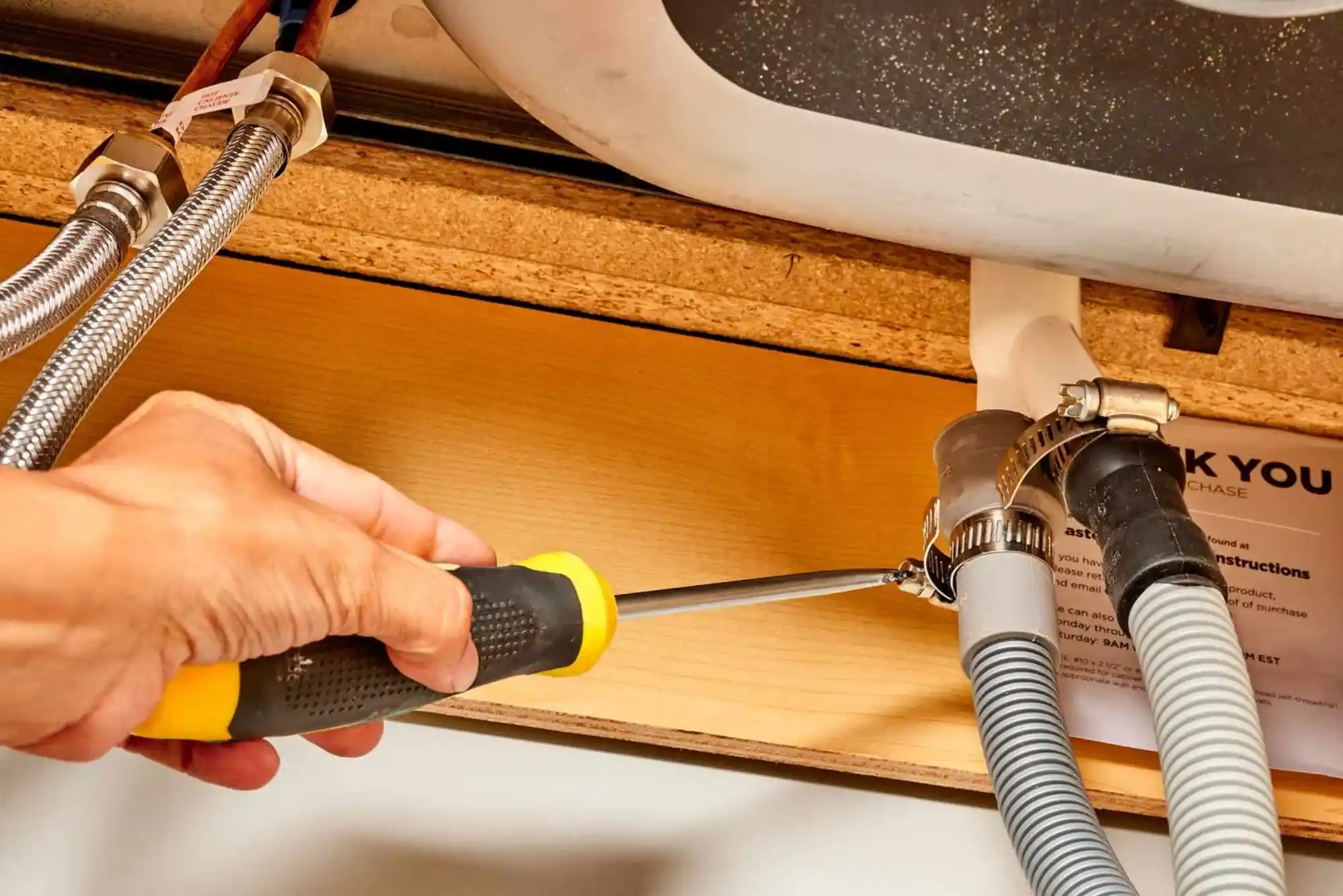
To flush the drain line, you will need access to the hose that connects the dishwasher to the kitchen drain system. This hose is usually located beneath the sink, running from the back of the dishwasher to the garbage disposal or directly into the drainpipe. Gently disconnecting the hose from its connection point allows you to examine it for visible blockages. In many cases, food particles and grease buildup are located at the ends of the hose, making them relatively easy to clean. However, blockages deeper inside the line may require a more thorough flushing method.
Flushing the Drain Line
Once the drain hose is disconnected, it can be flushed using clean water and gentle pressure. A simple method is to run warm water through the hose to dislodge debris. If water does not pass freely, the blockage may be more severe, requiring additional effort. For stubborn clogs, a plumber’s snake or a straightened wire coat hanger can be carefully inserted into the hose to break apart and remove the debris. After clearing the obstruction, flushing the hose again with water ensures that any loose particles are completely removed. Some homeowners also choose to use a mild vinegar solution to rinse the hose, which helps break down grease and deodorize the line.
Cleaning the Dishwasher Filter and Drain Area
While flushing the hose is critical, it is equally important to inspect and clean the dishwasher’s internal filter and drain area. Most dishwashers are equipped with a removable filter at the bottom of the tub, which collects large food particles to prevent them from entering the drain line. If this filter becomes clogged, it can restrict water flow and contribute to drain line blockages. Rinsing the filter under warm running water and scrubbing it with a soft brush ensures that it remains free of buildup. Cleaning the area around the drain inside the dishwasher also prevents particles from reentering the hose.
Reconnecting the Drain Line
After flushing and cleaning, reconnecting the hose properly is essential to avoid leaks. Ensure the hose is secured tightly at both ends, whether attached to the garbage disposal or directly to the sink drain. It is also a good practice to check the condition of the hose clamp and replace it if it appears worn out. Once everything is reconnected, restore power and water supply to the dishwasher and run a short test cycle. If water drains smoothly and no leaks are visible, the flushing process has been successful.
Preventing Future Clogs in Dishwasher Drain Lines
Although flushing a dishwasher drain line is an effective solution for existing blockages, prevention is always better than repair. To reduce the risk of clogs, scrape food particles from dishes before loading them into the dishwasher. Avoid disposing of grease, oils, or coffee grounds in the sink, as these can solidify and create blockages inside the hose. Running hot water in the sink before starting a dishwasher cycle can also help wash away any grease buildup in the drain system. Additionally, scheduling regular maintenance, such as monthly vinegar rinses, keeps the drain line clear and odor-free.
When to Seek Professional Help
In some cases, flushing the drain line may not fully resolve the issue. If your dishwasher continues to have poor drainage even after cleaning, there could be a deeper clog in the household plumbing system. Alternatively, the dishwasher’s pump or internal components might be malfunctioning. At this point, contacting a professional appliance repair service is the best option. Technicians have the right tools and expertise to identify the problem quickly and provide long-lasting solutions. Timely intervention by professionals prevents further damage and extends the life of your dishwasher.
The Benefits of Proper Maintenance
Maintaining your dishwasher’s drain line through regular flushing not only improves performance but also enhances energy efficiency. When water drains properly, the appliance does not need to work harder to complete its cycle, reducing wear and tear on its internal components. This means fewer breakdowns and lower repair costs over time. A well-maintained dishwasher also contributes to better hygiene in your kitchen, as it eliminates the risk of bacteria buildup caused by stagnant water and food residue. By investing a small amount of time into maintenance, you can enjoy years of reliable service from your dishwasher.
Final Thoughts
Understanding how to flush dishwasher drain lines is a valuable skill for any homeowner. While the process may seem intimidating at first, with the right preparation and care it can be performed safely and effectively. Regular flushing, combined with preventative practices, ensures that your dishwasher continues to operate at peak performance. Whether you handle it yourself or call in a professional when needed, keeping your drain lines clear protects your investment and maintains the convenience that a dishwasher brings to your daily life.