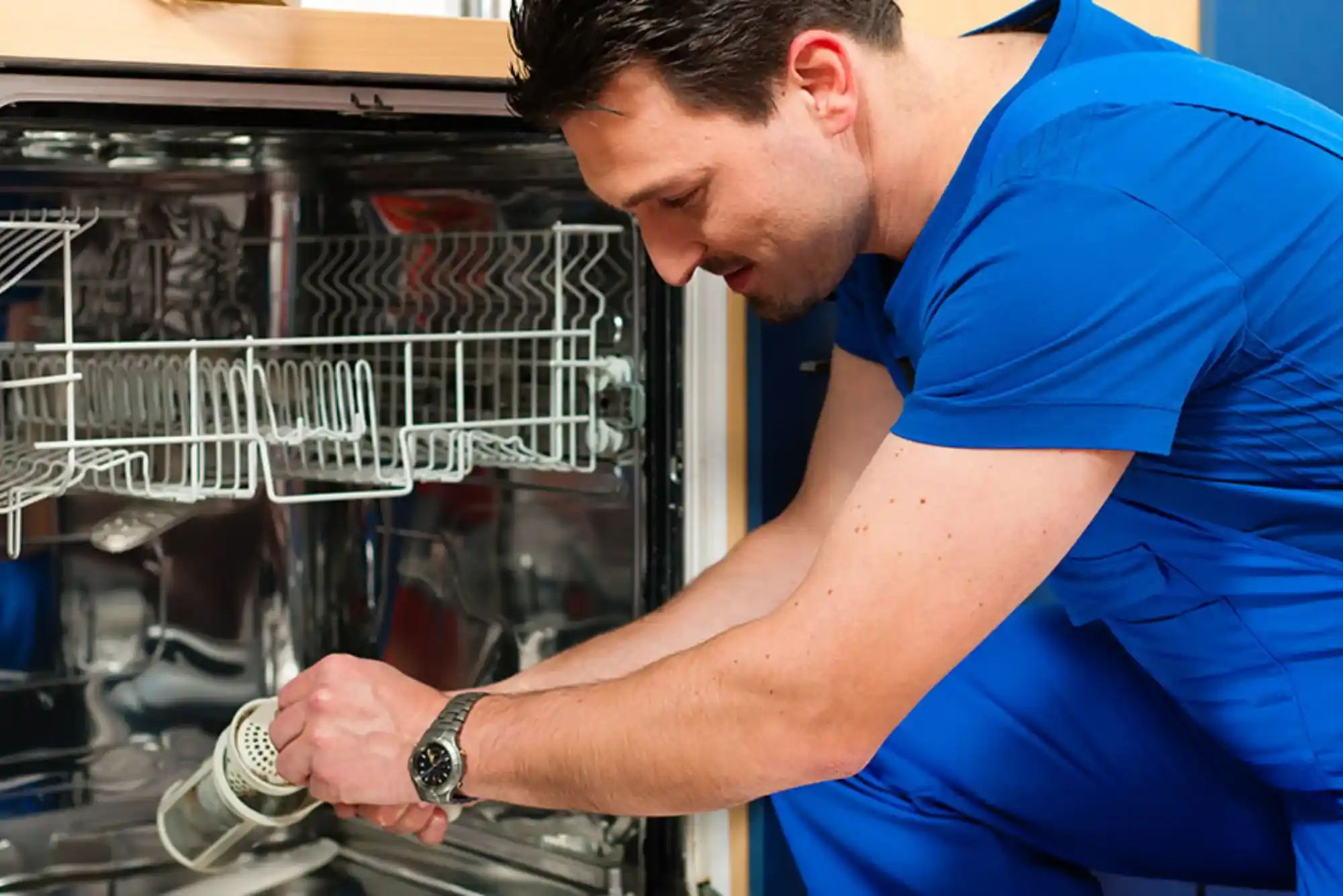
Modern dishwashers are built with advanced technology to make kitchen life easier, faster, and more efficient. At the heart of these innovations lies the electronic control system, the central unit that manages washing cycles, water levels, heating, and drainage. While these electronic systems bring convenience, they also introduce new challenges when failures occur. When a dishwasher’s electronic control board or its related components malfunction, the appliance may stop working entirely or show symptoms that confuse many homeowners. Understanding how to troubleshoot these electronic control failures is essential, whether you are a homeowner trying to identify the problem or a technician aiming to offer reliable service.
Understanding the Role of the Electronic Control System
The electronic control system in a dishwasher functions as the brain of the appliance. It receives signals from sensors and sends commands to various parts such as pumps, motors, and heaters. Every cycle, from pre-rinse to drying, is managed through these control modules. If this central system fails, the dishwasher loses its ability to function properly. In many cases, the appliance may still turn on but fail to start a cycle, get stuck mid-cycle, or display error codes. Because of its critical role, any failure in this system needs careful troubleshooting to avoid long-term damage or costly repairs.
Common Signs of Electronic Control Failures
One of the first steps in troubleshooting is recognizing the signs that point specifically to electronic control problems. Homeowners often confuse these issues with basic mechanical malfunctions, which can delay proper diagnosis. Symptoms typically include the dishwasher failing to respond to commands, random beeping sounds, flashing lights, or cycles that stop unexpectedly. Sometimes the machine may not power on at all, even when plugged in, which is often a strong indicator of a failed control board. In other cases, the dishwasher may partially operate, for example, filling with water but failing to drain or heat, because the control system is unable to communicate with those components.
Causes of Control System Failures
Electronic failures in dishwashers can stem from various sources. Power surges are a leading cause, especially in regions where voltage fluctuations are common. A sudden surge can burn out delicate circuitry inside the control board. Moisture intrusion is another factor since dishwashers operate in humid environments where steam can affect wiring or sensors. Over time, normal wear and tear, exposure to heat, or manufacturing defects can also compromise electronic components. Improper installation, such as incorrect grounding or wiring, increases the risk of failure as well. By understanding these causes, troubleshooting becomes more targeted and efficient.
Diagnosing the Problem Step by Step
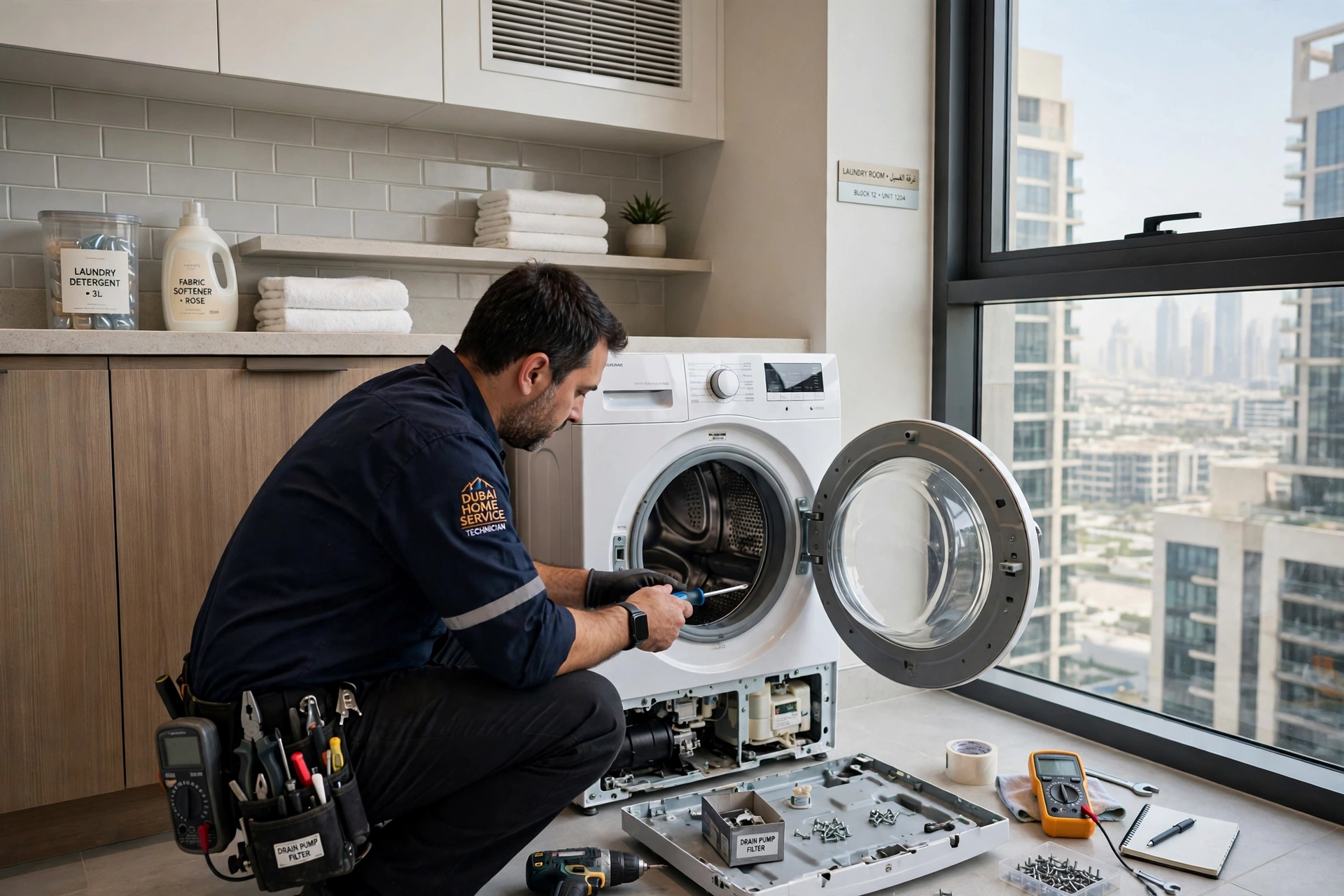
Diagnosing electronic issues requires both observation and technical knowledge. The first step is always checking the power supply. Many dishwashers appear to have control failures when the real issue is a tripped circuit breaker or a loose power connection. Once power has been confirmed, attention shifts to the control board and user interface. Testing for voltage at various points with a multimeter helps determine whether the board is receiving and sending signals correctly. Some models display error codes that indicate specific failures in the electronic system, which makes diagnosis easier. In cases where no codes appear, technicians often rely on systematic elimination by testing relays, switches, and connections one by one.
The Role of Professional Tools and Equipment
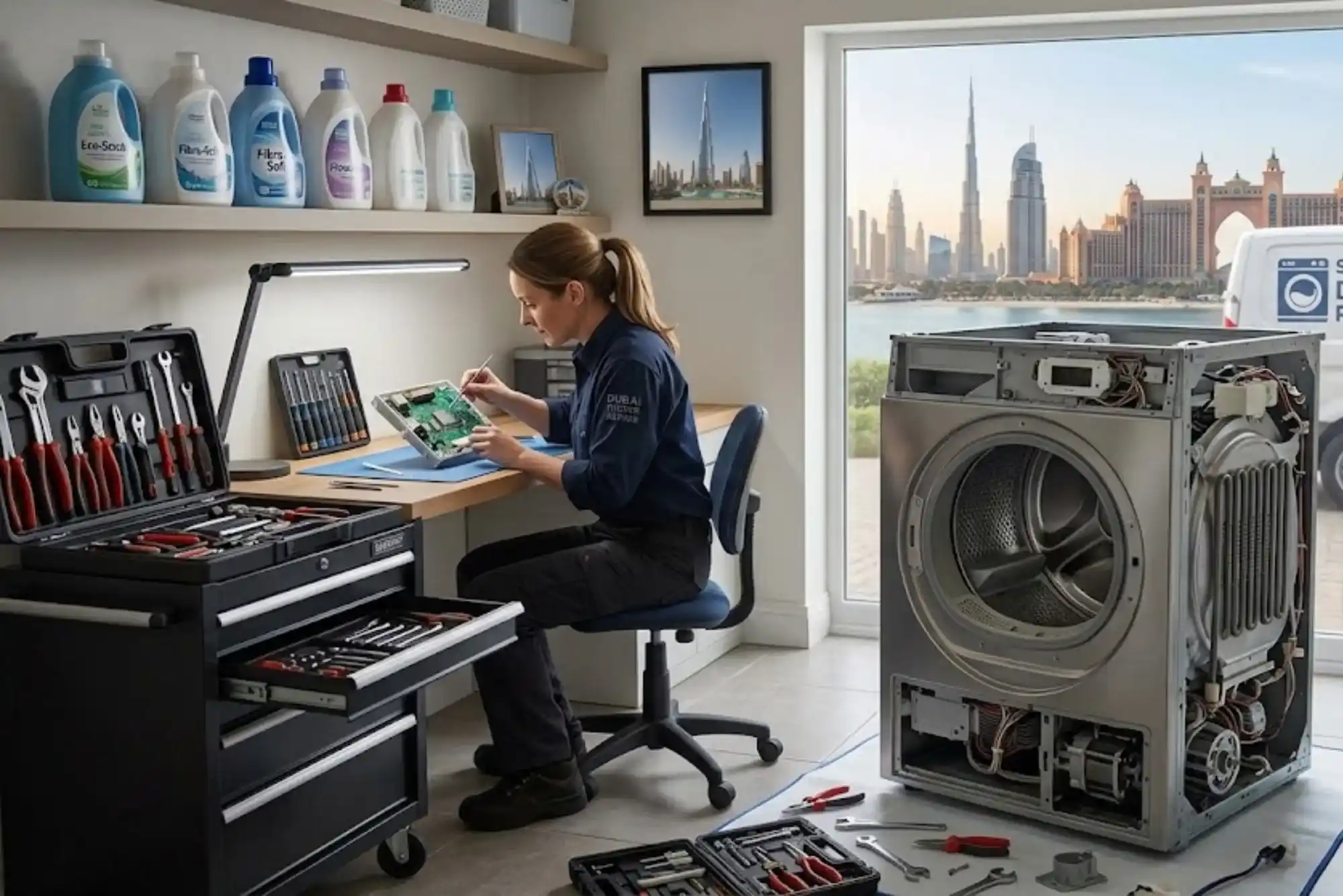
While some basic troubleshooting can be done at home, deeper analysis of electronic control failures requires professional-grade tools. Multimeters, continuity testers, and diagnostic software are crucial in identifying where signals are being lost. Advanced dishwashers from premium brands may also require manufacturer-specific tools to read fault codes or reset the control system. Attempting to fix these complex boards without the right tools can make the problem worse, so in many cases, calling a professional is the safest route. However, understanding the process equips homeowners with the knowledge to explain the issue clearly when consulting a repair technician.

Repair Versus Replacement of the Control Board
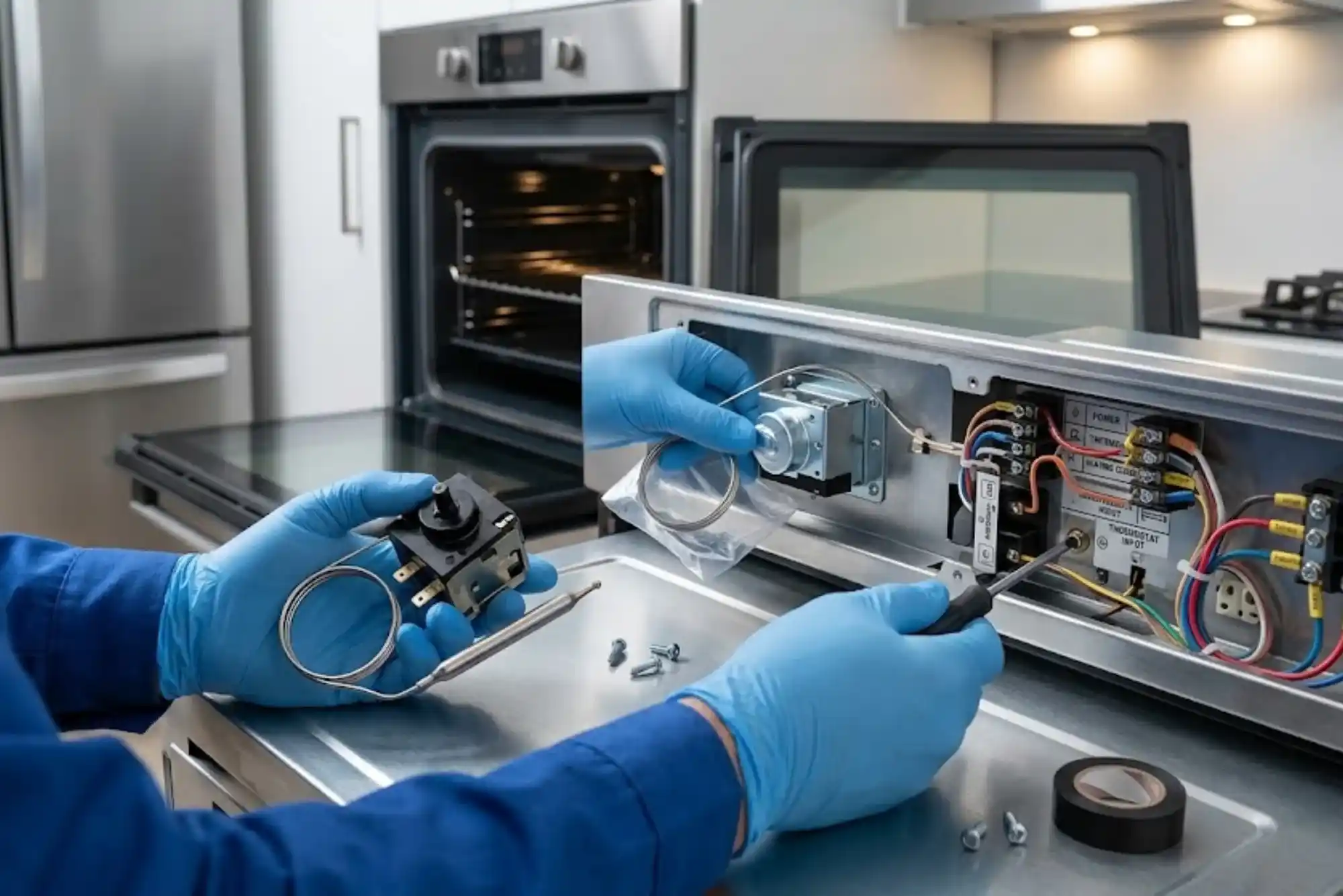
A major decision during troubleshooting is whether the control board should be repaired or replaced. In older models, replacing the board may be more practical because the cost of repair could exceed the appliance’s value. On the other hand, newer and high-end dishwashers often have expensive control boards, making repair a more appealing option. Repair typically involves replacing burnt-out resistors, capacitors, or relays, but this work must be performed by an experienced technician. It is also important to verify whether the root cause of the failure was external, such as a power surge, so that the new or repaired board does not suffer the same fate.
Preventive Measures to Avoid Electronic Failures
Preventing dishwasher electronic control failures is far easier and less costly than repairing them. Using a surge protector can safeguard the sensitive electronics from sudden voltage spikes. Regular maintenance, such as keeping the appliance clean and ensuring proper ventilation, reduces the risk of overheating. Inspecting seals and gaskets helps prevent moisture from seeping into sensitive electrical parts. Following the manufacturer’s installation and operating instructions ensures that the control system is not exposed to unnecessary stress. By adopting these preventive measures, homeowners can significantly extend the life of their dishwasher’s electronic system.
The Importance of Professional Service
Although basic troubleshooting can point towards an electronic control failure, only a trained professional can confirm the diagnosis and perform safe repairs. Dishwasher control systems are complex and require an understanding of electrical circuits, wiring diagrams, and software integration. Professionals not only replace or repair faulty boards but also test the entire system to ensure the problem does not recur. Moreover, reputable service providers use genuine replacement parts that guarantee durability and compatibility. Attempting do-it-yourself repairs on such sensitive systems often leads to additional problems, so seeking expert help is strongly recommended.
When Troubleshooting Leads to Replacement
Sometimes troubleshooting confirms that the control system has suffered irreversible damage. In such cases, replacing the entire unit may be the best option, especially for older dishwashers where multiple components are likely to fail soon. Modern dishwashers come with more reliable and energy-efficient electronic systems, meaning that investing in a new appliance could save both repair costs and energy bills over time. Before making this decision, however, it is wise to consult with a repair professional who can give an honest assessment of whether repair or replacement is the most cost-effective option.
Dishwasher electronic control failures can be frustrating, but they are not impossible to manage when approached methodically. Understanding the role of the control system, recognizing the symptoms of failure, and learning the steps of diagnosis are essential for effective troubleshooting. While some basic checks can be performed by homeowners, advanced repair work should always be handled by professionals equipped with the right tools and expertise. Preventive measures such as using surge protectors and performing routine maintenance go a long way in avoiding costly failures. Ultimately, addressing electronic control issues quickly and correctly not only restores the efficiency of your dishwasher but also extends the life of the appliance, ensuring years of dependable performance.