A dishwasher is one of the most convenient appliances in any modern kitchen, designed to save time, water, and effort in maintaining spotless dishes. However, like any household appliance, a dishwasher requires regular maintenance to ensure its performance remains reliable. One of the most critical components that often gets overlooked is the drain pump. When the dishwasher drain pump becomes clogged or dirty, it can lead to drainage problems, unpleasant odors, and even appliance breakdowns. Understanding how to clean a dishwasher drain pump not only improves the efficiency of the machine but also extends its service life.
Cleaning the drain pump may sound like a task for professionals, but with the right guidance, homeowners can manage it effectively. The process is straightforward when performed carefully, and knowing when and how to clean this essential part can make a big difference in preventing costly repairs. This article explains in detail the role of the drain pump, common problems associated with it, the step-by-step cleaning process, and why professional servicing may sometimes be the best option.
Importance of the Dishwasher Drain Pump
The dishwasher drain pump is responsible for removing dirty water from the dishwasher after each wash cycle. It works in coordination with filters and hoses to expel wastewater, ensuring that the next cleaning cycle starts with fresh water. When food particles, grease, or foreign objects accumulate inside the pump, the water flow becomes restricted. This can result in standing water at the bottom of the machine, foul smells, or incomplete cleaning cycles.
Without a properly functioning pump, even the most advanced dishwasher cannot perform its task efficiently. The pump acts like the heart of the appliance’s drainage system, and just like any mechanical part, it requires care to stay in top working condition.
Signs the Drain Pump Needs Cleaning
One of the first indicators of a clogged or dirty drain pump is water pooling at the base of the dishwasher. If you open the machine after a completed cycle and find standing water, it is a strong signal that something is obstructing the pump or drain path. Additionally, you might notice a persistent unpleasant odor, which is caused by trapped food debris and stagnant water. Another sign is unusual noises during the draining cycle, such as grinding or humming sounds, which often indicate that something is stuck in the pump impeller.
If your dishwasher takes longer than usual to complete a cycle or fails to remove all water, the pump is likely struggling with debris buildup. Regular maintenance prevents these issues from escalating into expensive repairs or complete pump failure.

Preparing for Cleaning the Drain Pump
Before attempting to clean the dishwasher drain pump, safety should be the priority. Always disconnect the appliance from its power source, either by unplugging it or switching off the circuit breaker. This precaution prevents accidental electrical shocks while handling internal components. It is also advisable to shut off the water supply to the dishwasher to avoid leaks or flooding during the process.
Having the necessary tools on hand makes the job easier. A screwdriver, a pair of pliers, a sponge, and warm soapy water are typically sufficient for most dishwasher models. In some cases, a small brush or an old toothbrush can be useful for scrubbing away stubborn debris. Keeping a towel nearby helps in wiping away any water that may spill when accessing the pump area.
Steps to Access and Clean the Dishwasher Drain Pump
To begin, remove the lower rack of the dishwasher to gain access to the bottom interior. The drain pump is usually located beneath the filter assembly. Start by lifting out the bottom filter and rinsing it under warm water. Food particles often gather in this area and cleaning the filter first ensures that debris does not re-enter the pump after servicing.
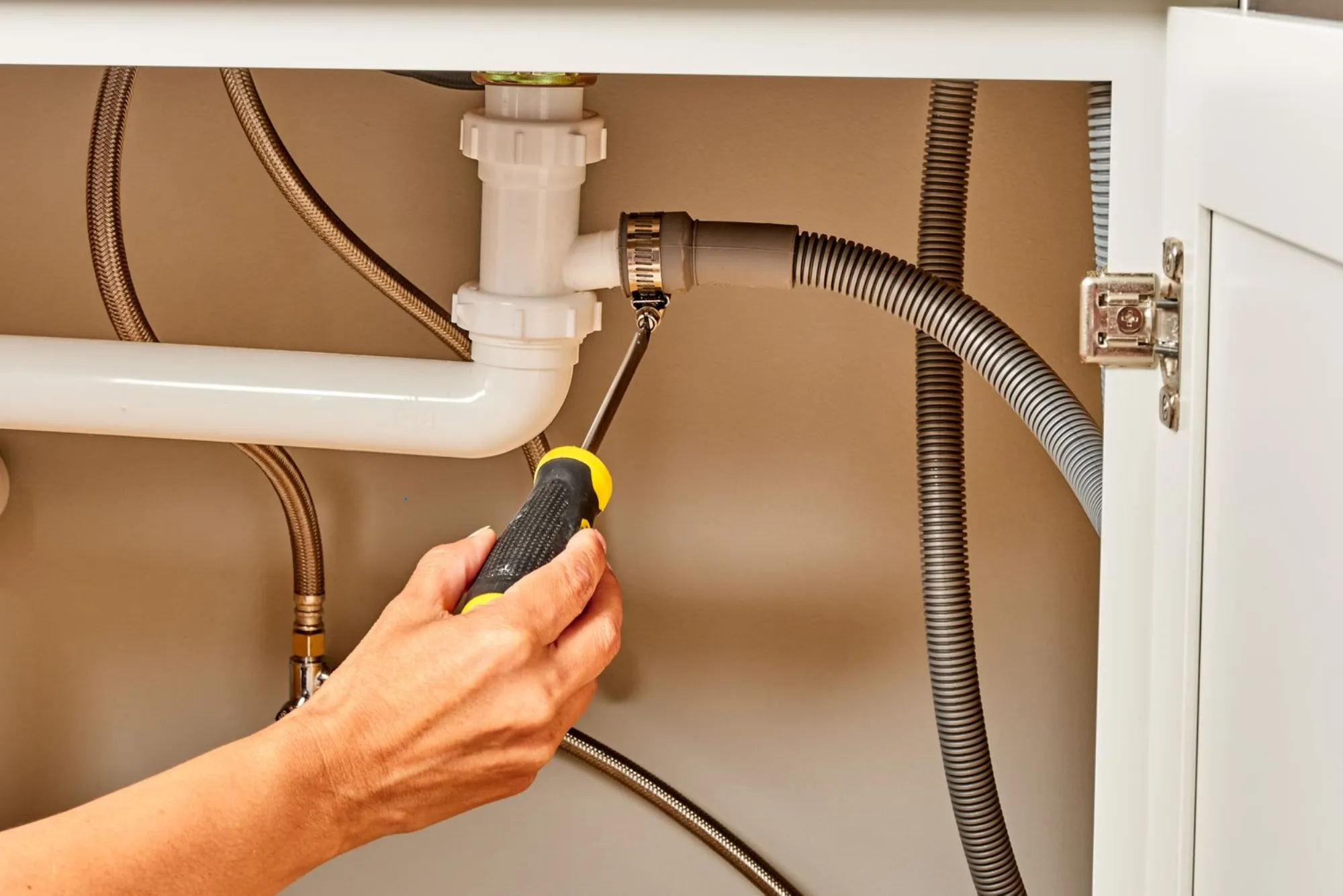
Next, locate the pump cover, which is typically secured with screws or clips. Use the screwdriver to carefully open the cover, exposing the pump impeller. This is the part of the pump that rotates to push water out. Any obstruction here can severely affect performance. Carefully inspect the impeller and remove any trapped food particles, glass shards, or grease buildup. Using a soft brush dipped in warm soapy water helps remove stubborn residue without damaging the pump.
Once the impeller is clean, rinse the entire area with a small amount of warm water. Make sure no debris remains, as even a small object can obstruct the pump’s movement. After cleaning, reassemble the pump cover, replace the filter, and return the lower rack to its position. Plug the dishwasher back in and run a short rinse cycle to ensure that water drains freely and no leaks are present.
Common Mistakes to Avoid
While cleaning a dishwasher drain pump is not overly complicated, there are common mistakes that homeowners should avoid. Using sharp objects to scrape debris can damage the impeller or pump housing, leading to permanent malfunction. It is also a mistake to ignore the filter system, as cleaning only the pump without addressing the filter often leads to recurring blockages. Skipping regular maintenance is another error that results in more frequent breakdowns and expensive repairs.
Trying to forcefully remove the pump without understanding its locking mechanism can cause damage to internal components. Always follow the specific instructions in your dishwasher’s user manual if available, as pump designs can vary between models and manufacturers.
Benefits of Regular Drain Pump Cleaning
Keeping the dishwasher drain pump clean offers multiple benefits. Firstly, it ensures proper drainage, preventing standing water and foul odors. Secondly, it enhances the cleaning efficiency of the dishwasher, leaving dishes spotless without residues. Regular cleaning also reduces strain on the pump motor, which prolongs the lifespan of the appliance.
From a cost-saving perspective, routine maintenance prevents the need for emergency repairs or pump replacements, which can be expensive. A well-maintained dishwasher also consumes less energy and water, making it an eco-friendly choice for households that care about sustainability.
When to Call a Professional
While many homeowners are comfortable handling basic cleaning, there are situations where professional help becomes necessary. If cleaning the pump does not resolve drainage issues, the problem may lie deeper in the drainage hose, motor, or electronic components of the dishwasher. Professional technicians have the tools and expertise to diagnose these issues and provide reliable solutions.
Additionally, if your dishwasher is still under warranty, attempting extensive DIY repairs may void coverage. In such cases, it is best to rely on authorized service centers to handle pump-related problems. For older dishwashers that experience frequent blockages despite regular cleaning, professional inspection can determine whether it is more cost-effective to repair or replace the appliance.
Long-Term Maintenance Tips
After cleaning the drain pump, adopting preventive habits ensures it stays clear longer. Scraping off large food scraps before loading dishes significantly reduces the risk of clogs. Running a dishwasher cleaner once a month helps dissolve grease and mineral buildup inside the machine, including the pump. Always ensure the dishwasher is installed level to promote proper water flow and drainage.
Avoid overloading the dishwasher, as excessive items can block water spray and increase debris entering the pump. Checking the filter regularly and cleaning it as needed complements pump maintenance and keeps the entire system working smoothly.
The dishwasher drain pump is a vital component that directly affects the performance of the appliance. Regular cleaning ensures that it continues to function effectively, preventing clogs, odors, and costly breakdowns. While the process may seem daunting at first, with proper preparation and careful steps, homeowners can clean the pump themselves and maintain their appliance’s efficiency.
However, recognizing when professional assistance is needed is equally important. By balancing DIY care with timely servicing, you can enjoy the convenience of a fully functional dishwasher for years. A little effort in maintenance goes a long way in extending the lifespan of this essential kitchen appliance, saving both time and money in the long run.