How to Repair a Dishwasher Soap Dispenser
The dishwasher has become one of the most important kitchen appliances, making daily chores much easier and saving countless hours of manual scrubbing. However, when a key component like the soap dispenser stops working, the machine’s performance declines sharply. The soap dispenser plays a central role in ensuring that detergent is released at the correct time during the wash cycle. If it malfunctions, your dishes may come out dirty, greasy, or streaked with detergent residue. Understanding how to repair a dishwasher soap dispenser can save you from costly replacements and keep your appliance functioning smoothly.
In this article, we will explore in detail the role of the dishwasher soap dispenser, the most common causes of failure, how to diagnose the problem, and step-by-step repair techniques. Whether you are a homeowner looking for a quick DIY fix or simply want to understand the issue before calling a technician, this comprehensive guide will help you.
The Role of the Dishwasher Soap Dispenser
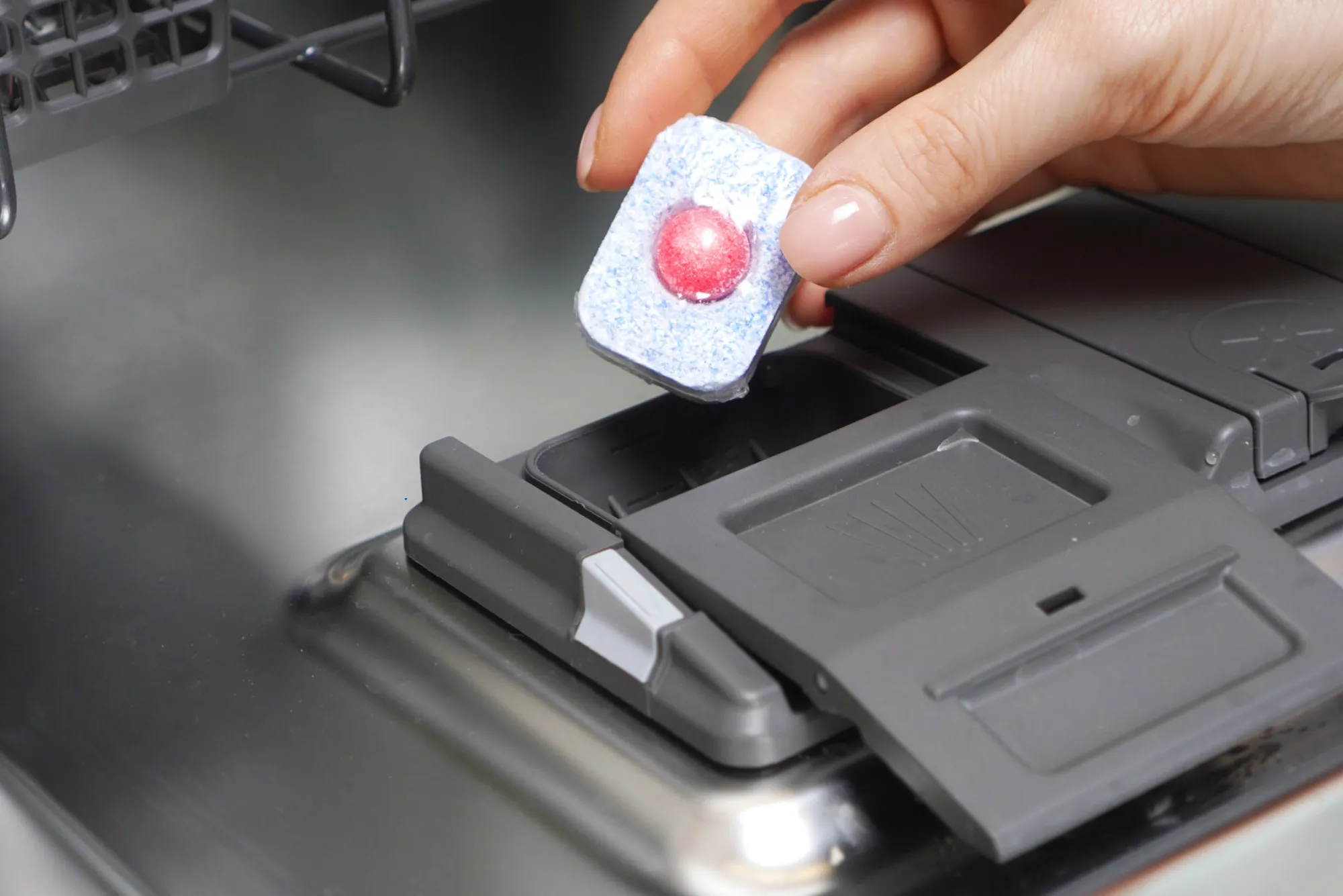
The dishwasher soap dispenser is designed to hold and release detergent and, in many cases, a rinse aid at the right stage of the wash cycle. At the beginning of the cycle, the dispenser door remains closed. As the cycle progresses and the water reaches the correct temperature, the control system signals the latch to release, allowing detergent to mix with hot water. This ensures that soap is distributed evenly, breaking down grease and food particles for effective cleaning.
A faulty dispenser can cause incomplete washing, leaving dishes with stains, greasy patches, or hardened soap residue. Since the dispenser directly affects cleaning performance, addressing the problem promptly is essential.
Common Reasons for Soap Dispenser Malfunction
Several issues can cause the dispenser to stop functioning properly. One of the most common reasons is a broken or jammed latch. If the latch cannot release, the door remains closed throughout the cycle. Another frequent cause is detergent buildup, where hardened soap prevents the dispenser from opening or closing smoothly.
Electrical problems are also worth considering. Since most modern dishwashers operate electronically, the dispenser is usually controlled by a timer or control board. If the electronic signal fails, the latch will not release at the correct time. Additionally, issues with the wax motor or solenoid—components that trigger the latch—can prevent the dispenser from opening.

Sometimes, the problem is mechanical rather than technical. For example, a spray arm that is misaligned can block the dispenser door, stopping it from opening. A damaged spring in the latch mechanism can also interfere with proper function. Identifying the exact cause requires careful inspection.
Diagnosing the Problem
Before attempting repairs, it is important to diagnose the exact issue. Start by observing your dishwasher’s cycle. If the detergent remains in the dispenser after the wash cycle ends, the door likely did not open at all. On the other hand, if the detergent is partially dissolved but spread unevenly, the dispenser may have opened too late or only partially.
Inspect the dispenser door closely. Look for visible cracks, broken latches, or soap buildup around the hinge area. Try manually opening and closing the door to check for resistance. If the door does not snap shut properly, the latch may need replacement.
Next, check the spray arms to make sure they are not obstructing the door. Run a cycle without detergent and watch to see if the dispenser opens. If it doesn’t, the issue is likely electrical or mechanical inside the dishwasher. In that case, more detailed troubleshooting of the solenoid, wax motor, or timer may be required.
Steps to Repair a Dishwasher Soap Dispenser
Repairing the dispenser depends on the underlying cause. If the problem is soap buildup, cleaning may be enough. Use warm water and a soft brush to remove hardened detergent from the dispenser and surrounding areas. Avoid using sharp tools that might damage the plastic.
For latch-related problems, you may need to replace the dispenser assembly. This usually involves removing the inner door panel of the dishwasher, disconnecting the dispenser, and installing a new one. Always disconnect power before attempting this repair to avoid electrical hazards.
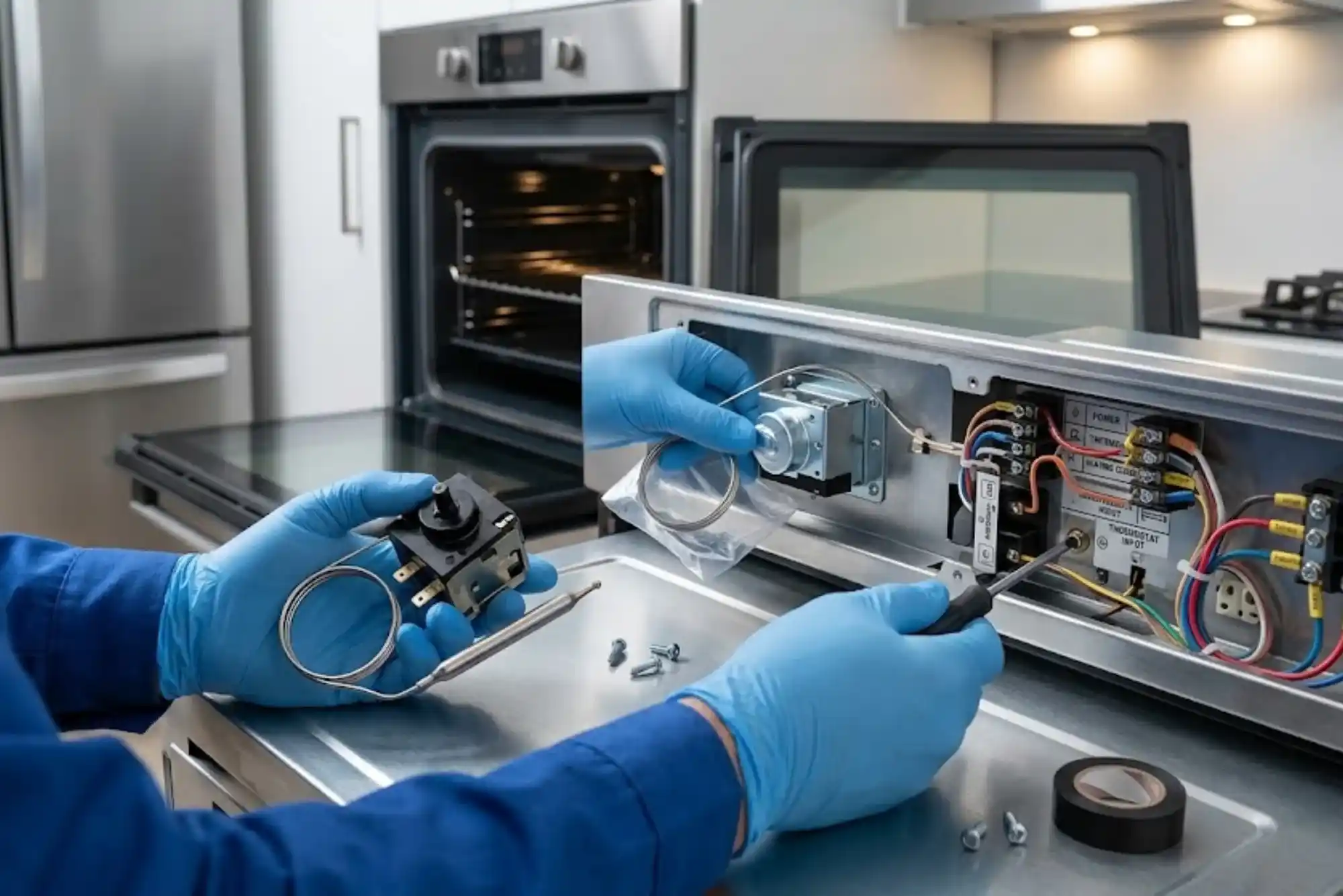
If the wax motor or solenoid has failed, replacement is the only option. These parts are relatively inexpensive but require careful installation. After removing the inner door panel, you can disconnect the wiring harness from the motor or solenoid and install the new part. Reassembly should be done carefully to ensure that wires and seals are properly positioned.
In cases where the electronic control board is faulty, professional assistance is usually recommended. The control board is the most complex part of the dishwasher and mishandling it can cause more extensive damage.
Preventing Future Soap Dispenser Problems
Once your dishwasher soap dispenser has been repaired, taking preventive measures will extend its life. Always use the correct type and amount of detergent recommended by the manufacturer. Overfilling the dispenser can lead to buildup and mechanical strain on the latch.
Regular cleaning of the dispenser is also important. Wipe away residue after every few cycles to prevent hardened soap from accumulating. Checking that spray arms rotate freely and do not block the dispenser is another simple preventive step.
Running occasional cleaning cycles with dishwasher cleaners can also help keep internal components free of buildup, ensuring the dispenser works effectively.
When to Call a Professional
While many soap dispenser issues can be solved with basic cleaning or part replacement, some problems require a professional technician. If the control board, wiring, or advanced components are involved, professional diagnosis ensures safe and reliable repair. Additionally, if your dishwasher is under warranty, attempting DIY repairs could void coverage. In such cases, contacting the manufacturer’s service center or a certified technician is the best option.
The Cost of Repair
Repair costs vary depending on the part that needs replacement. A simple latch or spring repair may cost very little, especially if you do it yourself. Replacing a wax motor or solenoid is moderately priced, while a full dispenser replacement or control board repair can be more expensive. In some cases, the cost of repair may approach the price of a new dishwasher, making replacement a more practical option.
The dishwasher soap dispenser may be a small part of the appliance, but it plays a vital role in ensuring dishes come out sparkling clean. When it malfunctions, the entire washing process suffers. By understanding how to diagnose and repair common dispenser problems, you can restore your dishwasher’s performance without unnecessary expense.
Cleaning and preventive maintenance are often enough to solve minor issues, while latch, solenoid, or wax motor problems may require part replacement. In more complex cases, seeking professional assistance is the safest approach.