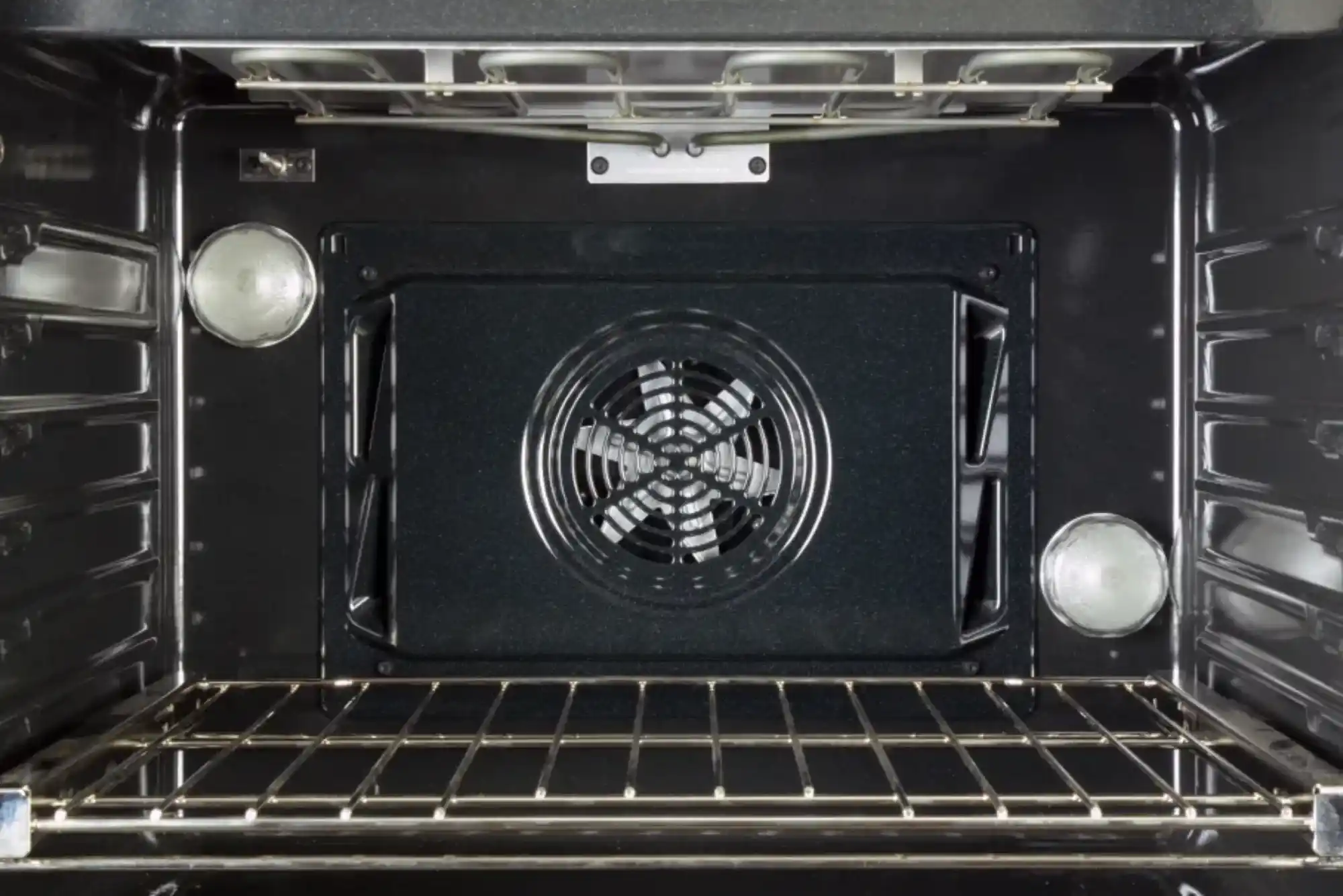
When you rely on your oven for daily cooking, the convection setting often becomes the most trusted feature. Unlike traditional ovens that rely solely on radiant heat, convection ovens use a built-in fan to circulate hot air evenly across the cavity. This airflow ensures faster cooking, consistent temperatures, and crispier results. However, if the convection fan stops working, the entire performance of the appliance is affected. Food may come out undercooked in some areas, overcooked in others, or take much longer to finish baking or roasting. Understanding why your convection fan isn’t working is the first step toward restoring your oven’s efficiency and avoiding further damage.
The Importance of the Convection Fan in Modern Ovens
The convection fan is one of the most vital components of a modern oven. Its primary purpose is to keep hot air moving, which eliminates cold spots inside the cavity. Without this circulation, heat distribution becomes uneven, forcing you to rotate pans, extend cooking times, or accept inconsistent results. The fan also allows you to cook at slightly lower temperatures while achieving better outcomes, making it energy-efficient and convenient.
When the fan fails, the oven technically still heats up, but the quality of cooking is compromised. In some cases, the oven might also show error codes or make unusual noises, signaling deeper mechanical or electrical issues. Whether you are preparing baked goods, roasting meats, or simply reheating leftovers, a malfunctioning convection fan can quickly disrupt your kitchen routine.
Common Reasons a Convection Fan Stops Working
There are multiple causes behind convection fan failure, ranging from mechanical wear to electrical malfunctions. Over time, the fan motor can weaken, wiring connections may burn out, or obstructions inside the oven can restrict the fan’s movement. In other situations, a faulty control board might fail to send power to the fan, preventing it from running at all. Heat and grease buildup inside the oven can also strain the fan blades, reducing their efficiency or even causing them to seize.
Another frequent issue arises when the fan is working, but at reduced speed, leading to inadequate air circulation. This can be caused by a partially failing motor, a damaged capacitor, or improper voltage supply. Some ovens also feature safety switches that disable the fan under specific conditions, such as an overheated cavity or a malfunctioning thermostat. Any of these problems require careful diagnosis before repair.
Symptoms of a Faulty Convection Fan
The first noticeable sign of a failing convection fan is uneven cooking. If your cakes collapse in the center, roasts are browned only on one side, or baked goods require multiple temperature adjustments, chances are the fan isn’t working properly. You might also hear grinding, squealing, or rattling noises when the oven is in use, indicating that the fan blades or motor bearings are worn. In more severe cases, the fan may not spin at all, leaving the oven operating only in standard bake mode.

Another symptom is unusually long preheating times. Since the fan assists with distributing heat evenly, its absence forces the oven to work harder, prolonging the cooking process. If your appliance displays an error code, it may be pointing directly to the fan or associated electrical components. These warning signs should not be ignored, as continued use of a malfunctioning convection system can lead to further internal damage.
How a Malfunctioning Fan Affects Cooking
The cooking process depends heavily on air circulation. Without a functional fan, you may notice that baked goods are dense instead of fluffy, pastries fail to rise properly, and meats do not achieve the desired crisp texture. Hot spots within the oven cavity make it impossible to achieve consistent results across multiple racks. In professional kitchens, this can lead to wasted ingredients and dissatisfied customers. At home, it causes frustration, wasted energy, and unreliable meal preparation.
Moreover, when the fan is not functioning, the oven often consumes more electricity. The heating elements must remain active longer to achieve the same results, leading to higher utility bills. In gas ovens, a faulty convection system may even result in incomplete combustion, which poses safety risks if not addressed.
Diagnosing the Problem Professionally
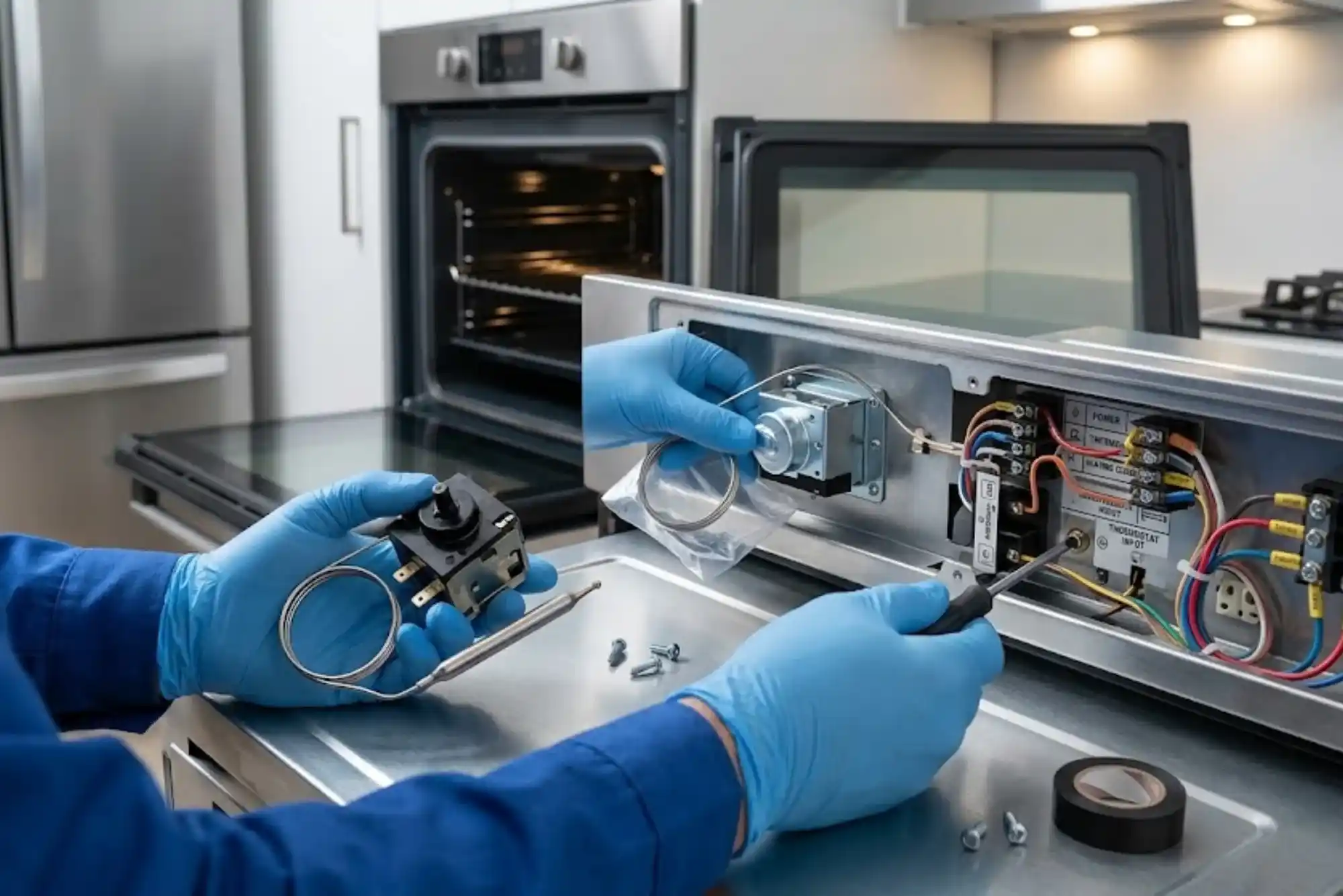
While some oven issues can be resolved with simple cleaning or resetting, convection fan failure typically requires professional diagnosis. A trained technician will inspect the motor, blades, wiring, and control board to pinpoint the exact cause. They may use specialized tools to test voltage supply, measure resistance in the motor windings, and ensure that the thermostat is signaling the fan correctly.
Attempting to dismantle the oven yourself can be risky. The appliance operates on high voltage, and internal components can store electricity even when unplugged. Mishandling these parts could lead to personal injury or permanent damage to the oven. Therefore, when you notice persistent fan issues, the safest approach is to book an appliance repair service.
Repair or Replacement: Which Is Better?
In many cases, replacing the convection fan motor or blades restores the oven to peak condition. However, if the oven is older and the cost of parts is high, you might consider whether a full replacement is more economical. Professional repair services can guide you in making this decision, offering cost estimates and explaining the lifespan you can expect from each option.
If your oven is still under warranty, repair is often covered at little to no cost. On the other hand, if the appliance has seen many years of use and has other emerging issues, upgrading to a newer model may be more practical. Either way, addressing the convection fan problem quickly prevents it from escalating into a larger breakdown.
Preventing Convection Fan Problems
Regular maintenance goes a long way in keeping your oven running smoothly. Cleaning the oven interior reduces grease buildup, which can clog the fan blades. Avoid overloading the oven, as excessive weight and trapped food debris can strain the fan motor. Scheduling annual professional maintenance also helps detect early signs of wear, ensuring the fan remains reliable.
Using your oven according to the manufacturer’s instructions also prevents unnecessary strain. For instance, running the fan continuously at maximum temperature can reduce its lifespan. Giving the oven adequate ventilation in your kitchen setup helps prevent overheating, which protects both the fan and the electronic controls.
When to Call a Professional Appliance Repair Service
If your convection fan stops working altogether, makes unusual noises, or shows signs of slowed performance, it is time to call an appliance repair service. Expert technicians have the experience and equipment to diagnose the problem accurately and carry out safe, effective repairs. By relying on professionals, you avoid unnecessary trial and error, saving both time and money.
Professional services also ensure that genuine replacement parts are used, protecting the overall reliability of your oven. They can also advise on whether continued repairs are worthwhile or if an upgrade is the smarter choice. With the right repair support, you can restore your oven’s performance and return to hassle-free cooking.
A convection oven is designed to deliver consistent, efficient cooking results, but when the fan stops working, the experience quickly deteriorates. From uneven baking to extended cooking times, the effects of a malfunctioning fan are noticeable in every dish. While the reasons behind the failure may vary—ranging from worn motors to electrical faults—the solution almost always requires professional attention.
Addressing the issue promptly not only restores your oven’s performance but also extends its lifespan and keeps your household safe. Whether your appliance needs a minor repair, a motor replacement, or full servicing, taking action ensures that your convection oven remains a reliable part of your kitchen. Instead of struggling with inconsistent results, trust an expert repair service to bring back the efficiency and convenience you expect.