Cooking is both an art and a science, and one of the most crucial factors in achieving consistent results is accurate oven temperature. Many homeowners assume that when they set their oven to 350°F, the appliance automatically heats to that exact temperature. In reality, ovens often have slight variations, and over time, these differences can grow larger, leading to undercooked or overcooked meals. This is where oven temperature offsets become essential. Understanding how to adjust them not only enhances your cooking experience but also prolongs the efficiency of your appliance.
Understanding Oven Temperature Offsets
Oven temperature offsets refer to the difference between the temperature you select on your oven’s control panel and the actual internal temperature inside the cavity. For example, if you set the oven to 350°F but the thermometer reads 365°F, the offset is +15 degrees. This misalignment can occur due to wear and tear of heating elements, sensor issues, or natural calibration drift that happens with frequent use.
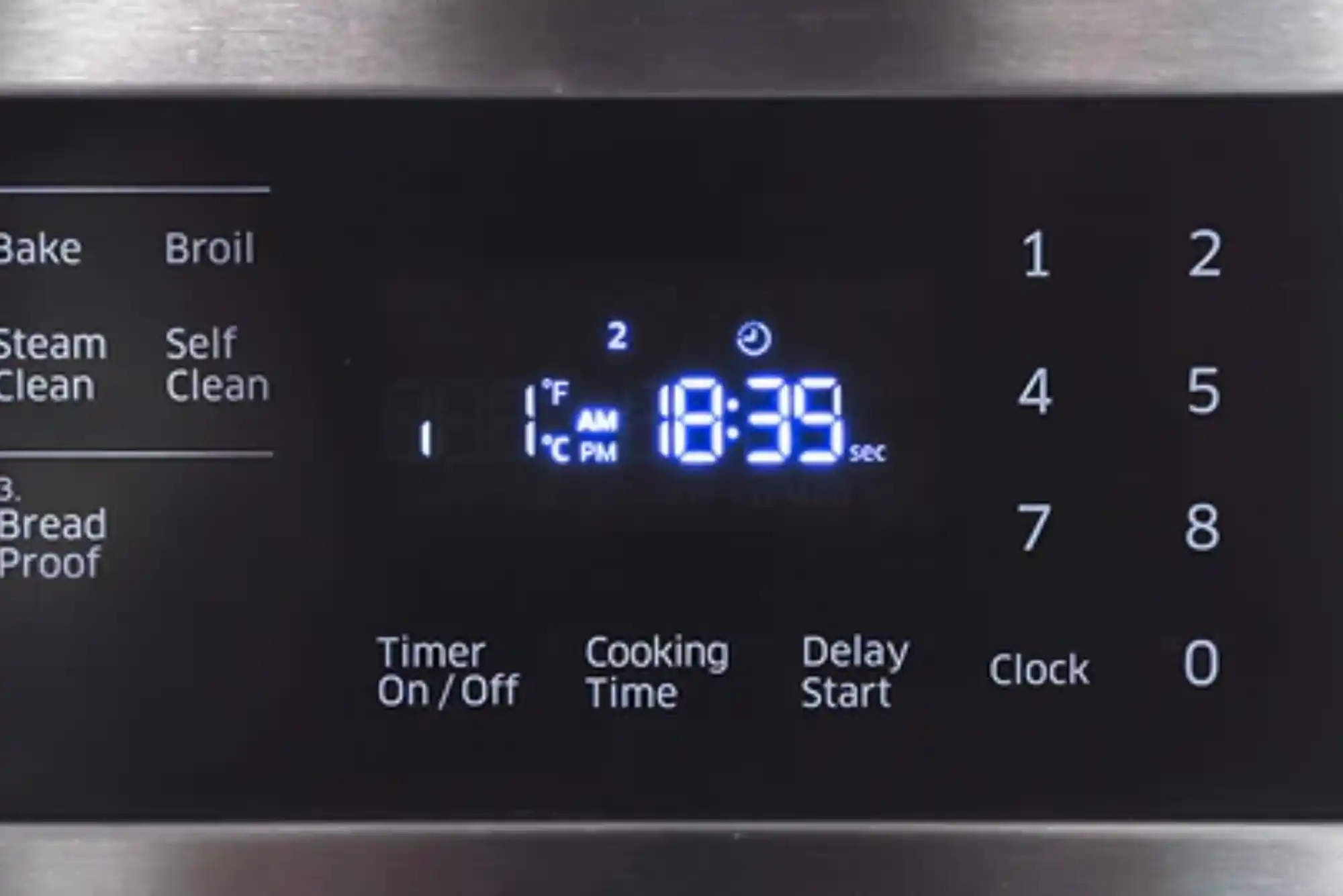
Modern ovens often include a built-in feature to adjust these offsets, allowing you to recalibrate the control panel to align with actual readings. If ignored, even a small offset can impact your baking and roasting results, making precise adjustment an important part of oven maintenance.
Why Accurate Oven Temperature Matters
Accurate oven temperatures are vital for achieving predictable and safe cooking results. Baking in particular relies heavily on exact temperatures, as slight differences can change the texture, rise, and flavor of baked goods. A cake baked at too low a temperature may collapse in the middle, while a casserole cooked at too high a temperature may burn on the outside while staying raw inside.
For professional kitchens and home bakers alike, maintaining consistent heat is essential. Beyond quality, safety is another reason to ensure proper calibration. Undercooked poultry or meat poses health risks, while overheating may lead to wasted energy and damaged cookware.
Signs That Your Oven Temperature Needs Adjustment
Most people suspect their oven temperature is off when recipes do not turn out as expected. If cookies consistently burn before the timer goes off or if chicken takes longer than usual to cook, these could be signs of an inaccurate oven thermostat. Using an oven-safe thermometer is the most reliable way to test for accuracy. Place the thermometer inside the oven, set it to a common temperature like 350°F, and compare the actual reading. If the difference is more than 10–15 degrees, an adjustment is recommended.

How Temperature Offsets Are Adjusted
Adjusting oven temperature offsets can vary depending on whether you own a mechanical or digital oven. In older ovens with manual dials, adjustments usually require mechanical tweaking, often by accessing screws behind the temperature knob. With modern ovens, the process is more straightforward thanks to digital controls. Most units allow you to access a calibration or settings mode where you can manually increase or decrease the offset in small increments, usually in five-degree steps.
For example, if your oven is consistently 20 degrees cooler than the set temperature, you can adjust the offset to +20 so that when you select 350°F, the oven compensates and heats up to the correct temperature. Manufacturers often provide instructions in the user manual for this process, but professional assistance may be needed if the adjustments do not correct the problem.
Professional Calibration vs. DIY Adjustment
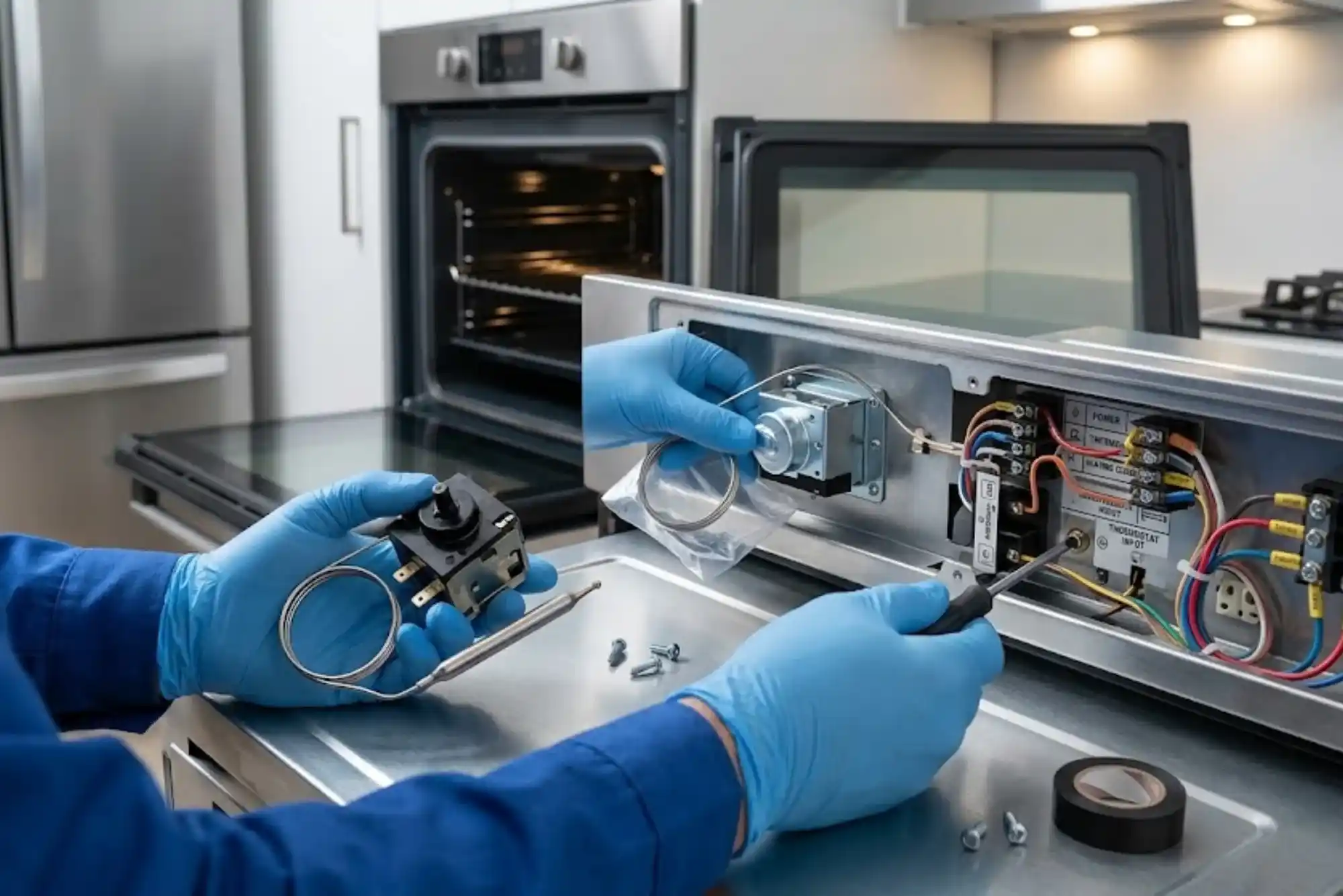
While many homeowners attempt DIY recalibration, professional calibration ensures long-term accuracy. Appliance repair specialists use advanced tools like digital thermometers and diagnostic software to measure heat consistency across different oven zones. Sometimes, what appears to be a simple offset problem may actually result from faulty sensors, malfunctioning heating elements, or wiring issues.
A professional technician not only adjusts the offset but also inspects the entire oven system to ensure safety and performance. This is particularly important for electric ovens with complex electronic boards or gas ovens that require precise ignition and heating controls.
Common Mistakes When Adjusting Offsets
It is important to approach temperature adjustment carefully, as overcorrecting can create new problems. Increasing the offset too much may cause the oven to run excessively hot, leading to burnt food and potential damage. Another mistake is relying on inaccurate thermometers. Using low-quality or miscalibrated thermometers can give false readings, resulting in incorrect adjustments.
Additionally, some users assume that once adjusted, the oven will stay accurate indefinitely. In reality, regular usage, wear on components, and environmental factors such as humidity can cause temperatures to drift again over time. Periodic testing and recalibration ensure ongoing accuracy.
The Role of Oven Sensors in Temperature Accuracy
Modern ovens rely on sensors to regulate internal temperatures. These sensors send signals to the control board, which then activates the heating elements as needed. If a sensor malfunctions, the oven may not heat correctly regardless of offset adjustments. In such cases, recalibrating offsets may provide temporary relief, but sensor replacement is often required for a permanent fix.
Professional technicians can test sensors using multimeters to measure electrical resistance. A faulty reading indicates the need for replacement, which restores proper communication between the oven and its control system.
Energy Efficiency and Cost Savings
Maintaining accurate oven temperatures is not just about cooking results; it also impacts energy efficiency. An oven that overheats consumes more electricity or gas than necessary, raising utility bills. Conversely, an underheating oven prolongs cooking times, also wasting energy. By keeping your oven calibrated, you not only protect your food but also save on energy costs over the long term.
This efficiency also extends the life of your appliance. Heating elements that are forced to work harder due to miscalibration wear out faster, leading to costly replacements. Regular adjustment of offsets helps balance performance and longevity.
When to Call for Professional Oven Repair
If recalibration does not solve the issue or if you notice other symptoms such as uneven heating, unusual noises, or electrical faults, it is time to call for professional oven repair. Experts can identify whether the problem lies in the thermostat, heating elements, or control board. For homeowners who cook frequently, scheduling preventive maintenance ensures peace of mind and reduces unexpected breakdowns.
Learning how to adjust oven temperature offsets is an important skill for homeowners who value precise cooking results. While minor adjustments can often be handled through your oven’s settings, professional inspection guarantees long-term accuracy and safety. By keeping your oven properly calibrated, you not only achieve delicious meals but also save energy, reduce wear on components, and maintain the appliance in top working condition.