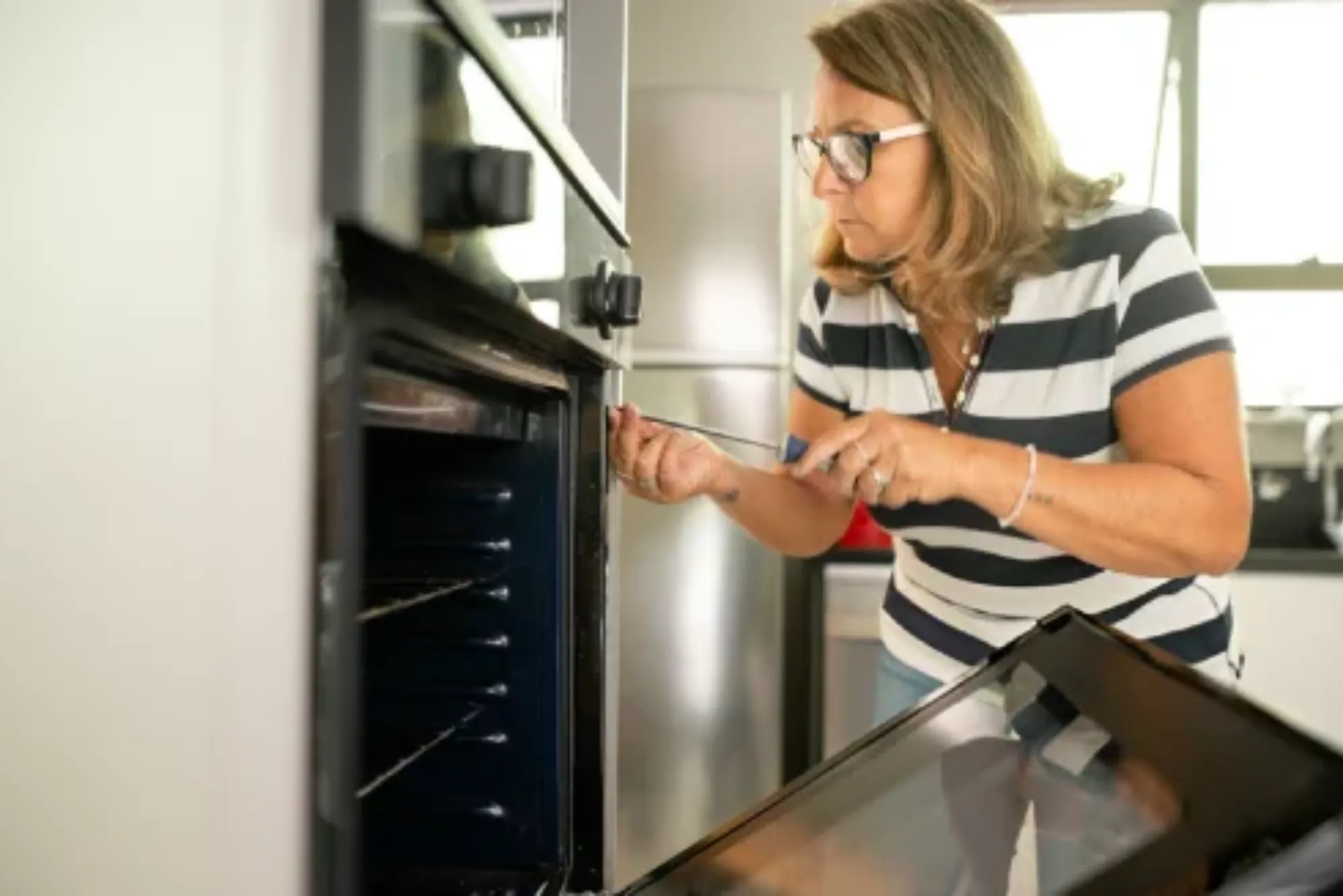
A self-cleaning oven is designed to make life easier by saving time and effort in the kitchen. Instead of scrubbing baked-on grease and stubborn food particles by hand, the oven’s self-clean cycle uses extremely high heat to burn away residue, leaving behind only a fine ash that can be wiped away. However, many homeowners encounter a frustrating problem: the oven refuses to start or complete its self-cleaning function. When an oven won’t self-clean, it is both inconvenient and concerning, especially if the appliance is relatively new or regularly maintained. Understanding why this happens and how to address it effectively is the key to restoring your oven’s performance.
Understanding the Self-Clean Function
Before troubleshooting, it is important to understand how the self-clean feature works. During the cycle, the oven locks itself and heats up to temperatures that can exceed 900°F (480°C). This extreme heat reduces grease, spills, and food remnants into ash. Safety mechanisms such as door locks, temperature sensors, and timers are critical components that allow the cycle to run smoothly. If any of these systems fail or become disrupted, the oven may stop functioning properly. Knowing this background makes it easier to identify potential reasons for a self-clean failure.
Common Causes of Self-Clean Malfunctions
When an oven does not self-clean, the underlying issue can range from a simple user error to a technical malfunction. Sometimes, the problem lies in something as minor as forgetting to close the oven door completely, while in other cases, it may be linked to a faulty heating element or damaged control panel. Electrical interruptions, safety lock issues, and temperature sensor malfunctions are also frequent culprits. Regardless of the cause, proper diagnosis is essential because forcing the oven to operate under faulty conditions could create further damage or even pose a fire hazard.
Checking the Basics Before Repair
The first step when dealing with a non-functioning self-clean cycle is to ensure all basic requirements are met. The oven must be completely closed, the racks should be removed if the manual recommends it, and the power supply must be stable. In many homes, ovens are connected to dedicated electrical circuits. If the breaker trips during the cycle, the process will stop abruptly. Resetting the circuit and attempting the self-clean again may sometimes resolve the issue. Additionally, owners should verify that the oven door latch is functioning properly, because the system will not activate if the door is not securely locked.
Problems with the Door Lock Mechanism
One of the most common reasons an oven will not self-clean is a malfunctioning door lock. Because the cycle operates at extremely high heat, the appliance is designed not to start unless the door is fully secured. If the lock is stuck, loose, or broken, the oven’s control system will prevent the self-clean function from engaging. In some cases, debris or grease buildup may interfere with the latch mechanism. Cleaning the area carefully and testing the lock manually may fix the problem. If the latch is physically damaged, replacement by a technician may be necessary.
Heating Element and Temperature Sensor Issues
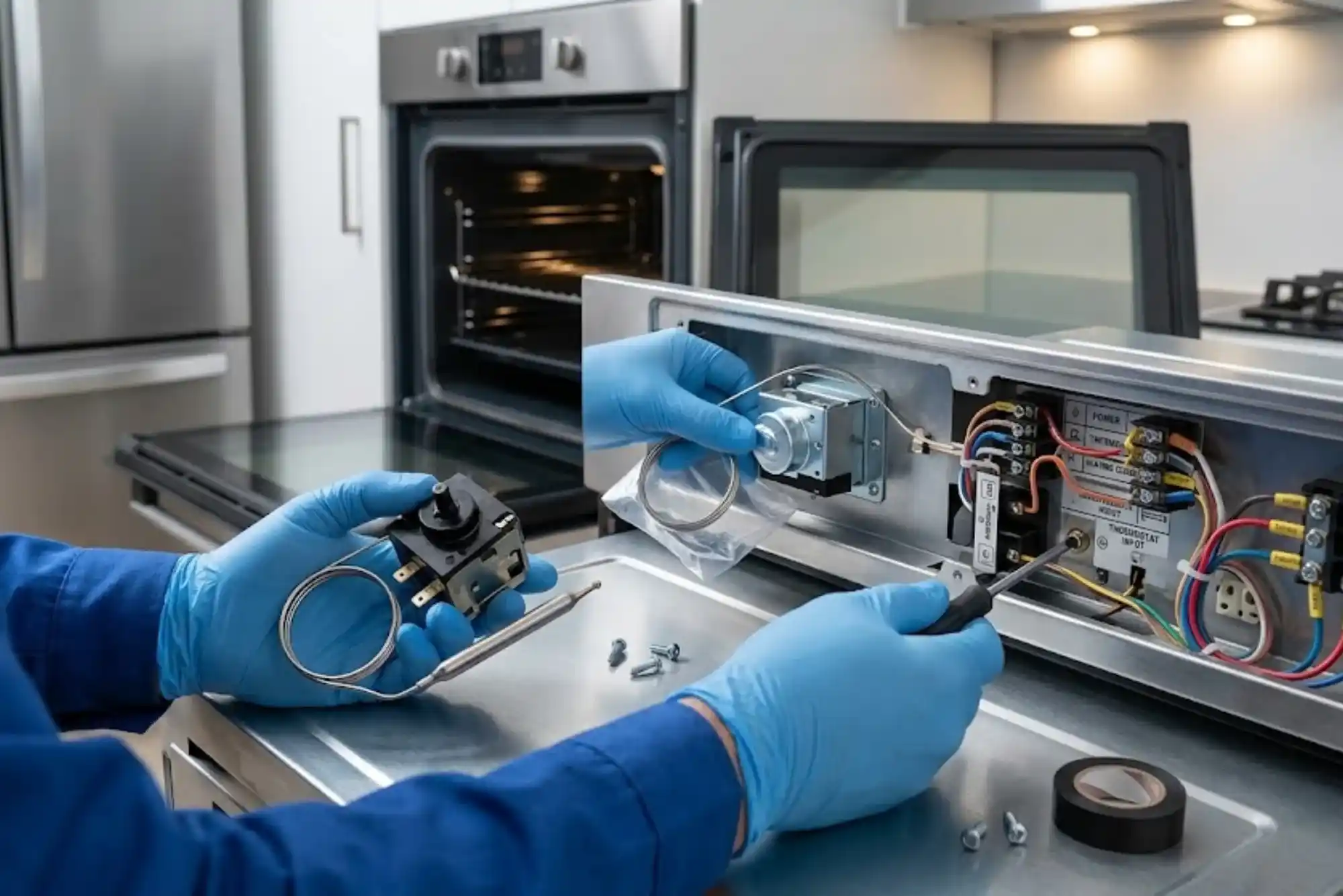
The oven’s ability to reach and sustain very high temperatures is critical for the self-clean process. A failing heating element may still allow the oven to bake or broil at regular cooking temperatures, but it may not generate enough heat for cleaning mode. Similarly, if the temperature sensor is defective or sending incorrect signals to the control board, the oven may not activate the cycle. Diagnosing these issues typically requires testing with specialized tools, which is why many homeowners turn to professional repair services for assistance.

Control Board and Electrical Faults
Modern ovens rely heavily on electronic control boards to regulate functions. If the board is damaged, short-circuited, or malfunctioning, the self-clean mode may not initiate. Signs of control board problems include unresponsive buttons, error codes, or failure of multiple oven functions at once. Resetting the oven by unplugging it or switching off the breaker for a few minutes can sometimes restore temporary functionality. However, recurring problems often indicate that the control board requires repair or replacement.
Safety Concerns During Self-Clean
It is worth noting that self-cleaning cycles can place significant stress on an oven. The extreme heat may affect wiring, insulation, and even surrounding kitchen cabinets if not properly ventilated. For this reason, some manufacturers recommend using the self-clean feature sparingly. If your oven repeatedly fails to start or complete the cycle, forcing it to run without addressing the underlying cause could result in permanent damage. Professional assessment ensures that repairs are made safely and effectively, protecting both the appliance and your household.
When to Call a Professional Appliance Repair Service
While some issues like checking the power supply or ensuring the door is fully closed can be handled by the user, most problems involving self-clean functionality require professional expertise. An experienced appliance technician can inspect the oven’s internal components, run electrical diagnostics, and replace faulty parts. Choosing a reputable repair service also ensures that manufacturer-approved replacement components are used, which maintains both the safety and warranty of the appliance. Homeowners who attempt complex repairs without training risk damaging the oven further or creating electrical hazards.
Preventing Future Self-Clean Problems
Regular maintenance is the best way to reduce the risk of self-clean malfunctions. Cleaning spills immediately after cooking, inspecting door seals, and ensuring vents are not blocked help the oven operate efficiently. It is also advisable to run the self-clean function periodically, rather than waiting until heavy buildup has accumulated. This reduces strain on the heating system and prevents clogs in the locking mechanism. For busy households, scheduling annual professional servicing keeps the oven in optimal condition, reducing the chance of unexpected breakdowns.
Alternative Cleaning Methods
In situations where the self-clean function is unreliable or not recommended, manual cleaning methods can be effective alternatives. Non-abrasive cleaners, baking soda solutions, and steam cleaning cycles (available on some modern ovens) provide safe and gentle ways to remove grime. While these methods require more effort than the automated feature, they protect the oven from the stress of extreme heat and may extend the lifespan of the appliance. Some homeowners even prefer manual cleaning because it reduces odors and smoke often associated with the self-cleaning cycle.
Final Thoughts
An oven that refuses to self-clean can disrupt kitchen routines and cause unnecessary stress. However, understanding the potential reasons behind the malfunction makes it easier to address the problem. From basic checks like securing the door and verifying power supply to more advanced concerns involving heating elements, sensors, or control boards, each issue requires careful evaluation. In many cases, professional appliance repair services provide the safest and most reliable solution, ensuring the oven is restored to full functionality without risk. With proper care, timely maintenance, and informed decisions, homeowners can keep their ovens running smoothly and enjoy the convenience of a clean, efficient kitchen.