Understanding How Electric Stoves Generate Heat
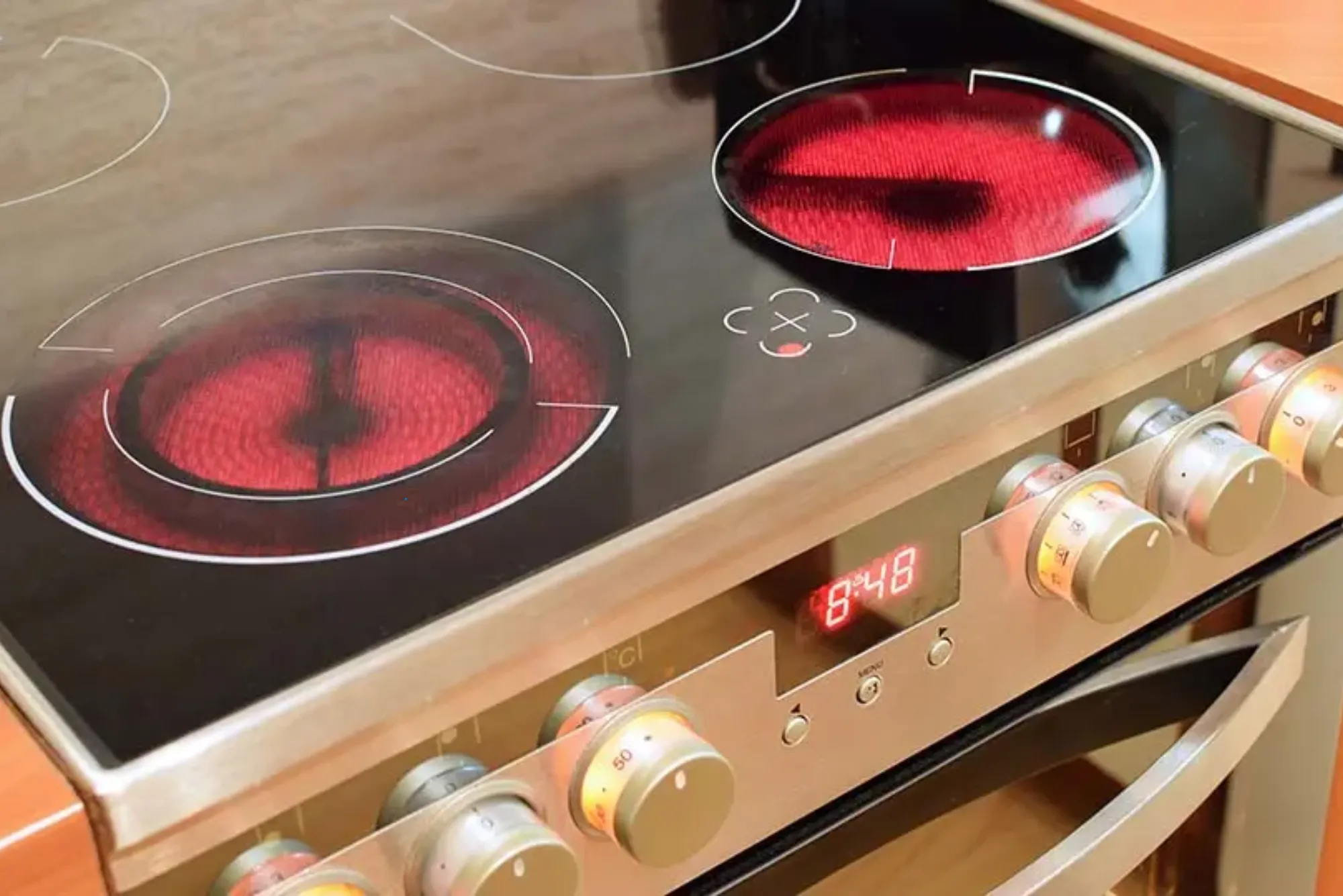
Electric stoves rely on a combination of electrical current, resistive heating elements, and temperature controls to cook food efficiently. When functioning correctly, current flows through the coils or glass-top heating elements, generating heat that transfers directly to pots and pans. If the stove fails to heat up, this process is interrupted somewhere along the line. Understanding the inner mechanics is crucial, as it helps homeowners identify potential problems without jumping to unnecessary replacements.
The heating system of an electric stove typically includes several essential parts: the surface element, the wiring connections, the temperature control switch, and the power supply. A fault in any of these areas can result in a stove that powers on but does not get hot, or one that remains completely unresponsive. Unlike gas stoves, which depend on visible flames, electric stoves rely entirely on the invisible and steady flow of electricity. This makes diagnosing heating issues both straightforward in some cases and complex in others, depending on the failure point.
Power Supply Issues and Electrical Flow Problems
One of the most common reasons an electric stove fails to heat up involves the power supply itself. Since these appliances require a dedicated 220-volt circuit, even a slight disruption can prevent proper heating. A tripped circuit breaker or blown fuse often causes the stove to appear operational—lights or displays may function—yet the burners remain cold. In some instances, only one side of the power supply delivers current, which can leave half of the stove unusable.
Loose electrical connections also contribute to heating failures. Over time, the constant expansion and contraction of wires caused by heat cycles can weaken connections inside the outlet or terminal block of the stove. When this happens, the heating elements do not receive the consistent power they require, leading to ineffective or complete lack of heating. For homeowners, ensuring that the appliance is firmly connected to a properly functioning outlet is the first step before considering more advanced repairs.
Surface Elements and Their Susceptibility to Damage
The heating coils or smooth-top radiant elements on an electric stove are directly responsible for producing heat. These elements are made from high-resistance materials designed to withstand extreme temperatures repeatedly. However, like all components subjected to wear and tear, they can burn out. A broken coil or damaged radiant element prevents electrical flow from completing its circuit, rendering the stove cold no matter how high the setting is.
Visually, some defects in surface elements are obvious. Burn marks, cracks, or breaks in the coil may indicate failure. Glass-top elements may display dark spots or uneven heating areas. Yet not all issues are visible. In some cases, internal breaks in the element’s wiring can stop it from working even though the surface looks intact. Testing with a multimeter is the most reliable way to confirm whether an element needs replacement.

The Role of Infinite Switches and Controls
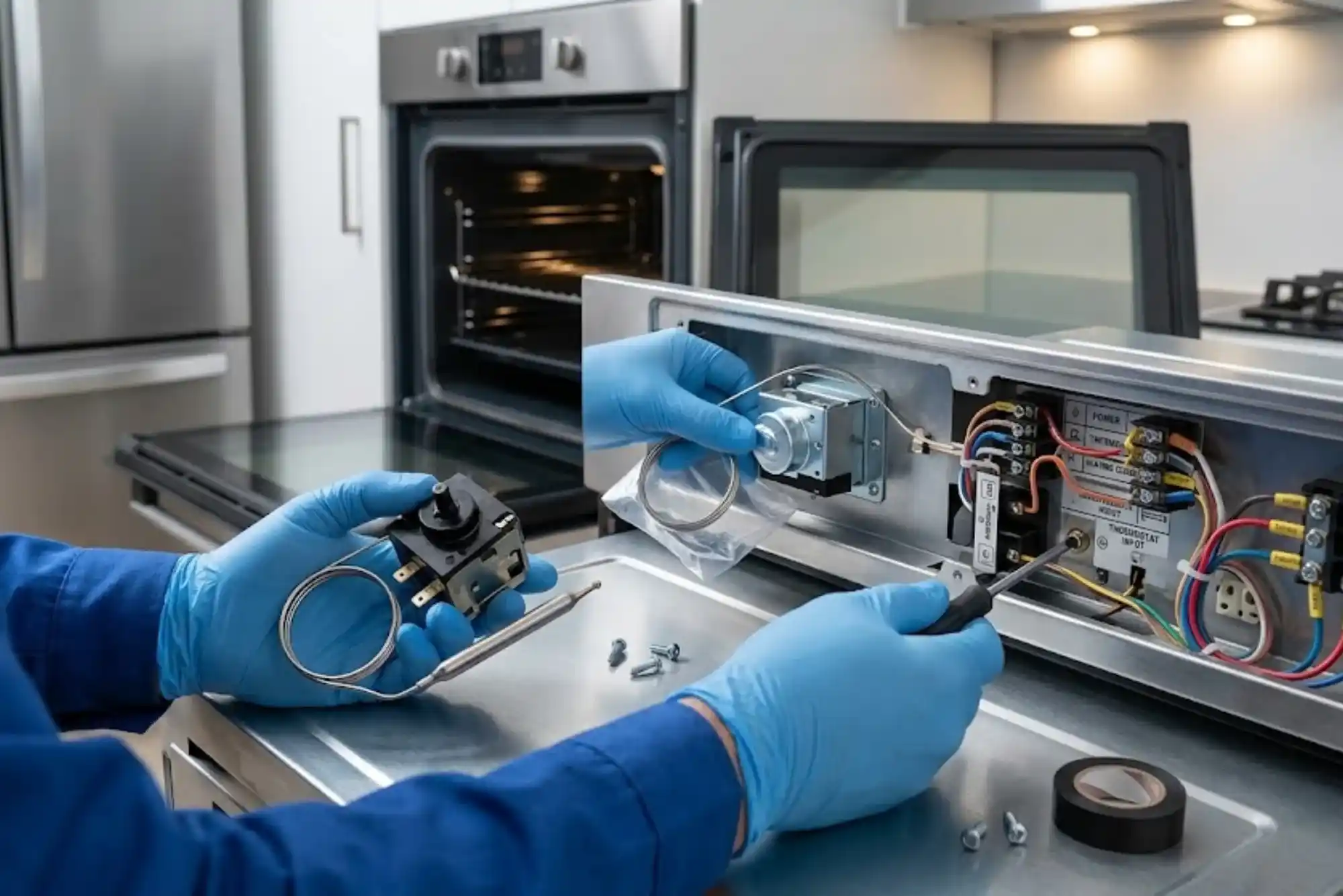
When you turn the knob on an electric stove, the command passes through what is called an infinite switch. This switch regulates how much power flows to the surface element, controlling the temperature you cook with. If the infinite switch fails, no electricity will reach the burner, regardless of the setting chosen. This often results in a burner that stays cold even when the indicator light suggests it should be heating.
Infinite switch malfunctions are relatively common after years of frequent use. Signs of failure may include clicking sounds, unresponsive burners, or inconsistent heating where the burner only works intermittently. Replacing an infinite switch requires disassembling the control panel and carefully reconnecting wires, a task best performed with proper safety precautions. For many homeowners, professional service ensures the switch is replaced correctly and safely.
Wiring Defects and Internal Appliance Failures
Beyond the external elements and switches, the stove also contains internal wiring that connects all the components together. Heat, vibration, and age can degrade insulation, creating shorts or open circuits that prevent current from reaching the burners. Wiring problems can be especially challenging because they often occur deep within the appliance, invisible without removing panels.
For example, a faulty terminal block—where the main power cord connects to the stove—can burn or melt due to high electrical loads. Similarly, wiring harnesses inside the stovetop can wear out from repeated heating cycles. Any of these issues can stop the stove from heating even when all other parts appear functional. In extreme cases, wiring defects may pose fire hazards, making immediate inspection and repair essential when heating problems arise.
The Oven Component and Shared Heating Problems
In many electric stoves, the cooktop and oven share electrical systems. This means a fault in one part of the appliance can sometimes affect the other. For instance, if the oven’s heating element or temperature sensor malfunctions, it can interfere with overall power distribution. Homeowners may notice both the oven and the stove burners failing to heat properly.
The bake and broil elements inside the oven function much like surface elements. They can burn out after extensive use, leaving the oven unable to reach cooking temperatures. While these failures are not always linked directly to the cooktop, they highlight how interconnected the entire system is. Troubleshooting should therefore consider both the surface burners and the oven compartment when diagnosing heat-related issues.
Safety Devices and Thermal Cutoffs
Modern electric stoves include built-in safety devices designed to prevent overheating. Thermal fuses or cutoffs monitor temperature levels and shut down the heating elements if conditions become unsafe. While these devices protect the appliance and the household, they can also fail in ways that stop the stove from heating entirely.
A blown thermal fuse usually results in a complete lack of heat, even though the stove still powers on. Replacing these safety devices requires identifying the correct part and ensuring the underlying cause of overheating is resolved. Simply swapping the fuse without addressing the reason it tripped may lead to repeated failures. Understanding the protective role of these components helps homeowners avoid frustration when troubleshooting.
Troubleshooting Before Calling a Technician
When faced with an electric stove that will not heat up, a few initial steps can save time and money. First, confirming that the circuit breaker has not tripped ensures full power reaches the appliance. Next, testing the surface elements by swapping them between burners can quickly identify if one coil is defective. Cleaning debris or checking for visible damage around the terminals may also reveal simple causes.
However, troubleshooting should always be done with caution. Because electric stoves operate on high-voltage circuits, improper handling poses risks of shock or fire. For those without electrical experience, basic visual checks may be the safest limit. Attempting in-depth repairs without the right tools or knowledge often leads to more costly damage.
When Professional Repair Becomes Necessary
Not all stove problems are suitable for do-it-yourself solutions. If power supply checks, surface element swaps, and visible inspections fail to restore heating, professional service is the next step. Technicians possess the expertise to test infinite switches, internal wiring, and safety fuses accurately. They can also replace parts using manufacturer-approved components, ensuring the stove returns to safe operation.
Additionally, hiring a professional may be more cost-effective in the long run. While purchasing replacement parts individually might seem cheaper, repeated trial-and-error can exceed the cost of a single service visit. Technicians also identify root causes rather than symptoms, preventing ongoing frustration for homeowners.
Preventive Maintenance and Long-Term Reliability
Preventing heating issues begins with routine maintenance. Regularly cleaning burners, checking connections for corrosion, and ensuring the stove remains level all contribute to smooth performance. Avoiding heavy impacts on glass cooktops reduces the risk of cracked elements, while keeping pans centered helps distribute heat evenly.
Electrical inspections performed periodically by professionals can catch early signs of wiring wear or thermal cutoff weakness. By addressing these problems before complete failure, homeowners enjoy longer appliance lifespans and fewer disruptive breakdowns. Investing in surge protection for kitchen appliances also minimizes damage from sudden power spikes.
A Systematic Approach to Stove Heating Problems
When an electric stove refuses to heat up, frustration is inevitable. Yet with a systematic approach, the underlying cause can usually be identified. From power supply interruptions and damaged surface elements to faulty switches, wiring defects, and safety device failures, the range of potential problems is broad but manageable.
By understanding how each part of the stove contributes to generating heat, homeowners are better equipped to recognize when simple checks are sufficient and when professional assistance is necessary. Ultimately, addressing heating failures promptly not only restores cooking convenience but also ensures household safety. Regular maintenance, combined with timely repairs, guarantees that the electric stove remains a reliable centerpiece of the modern kitchen.