A kitchen is often called the heart of a home, and the stove is the very center of that heart. Yet, for all the meals and memories it helps create, the stove also takes on the heavy burden of grease, spills, and stains. The most overlooked part of this appliance is often the grates. These cast-iron or porcelain-coated supports are designed to hold pots and pans, but they absorb the brunt of heat, oil, and food splatters. Over time, if they are not properly cleaned and maintained, stove grates lose their efficiency, develop stubborn buildup, and even affect the flavor of your cooking.
Caring for stove grates may seem like a tedious task, but with the right approach it becomes a routine part of keeping your kitchen healthy, functional, and visually appealing. Learning how to clean and maintain stove grates is not just about appearance—it is about safety, energy efficiency, and preserving the longevity of your appliance.
Understanding Why Stove Grates Need Extra Care
Stove grates are usually made of heavy-duty materials, most commonly cast iron, sometimes coated with enamel or porcelain to improve durability. These materials are excellent for distributing heat and supporting cookware, but they also trap food particles, grease, and moisture. Unlike flat stovetop surfaces, the uneven shape of grates means small crevices can easily collect buildup. If ignored, this accumulation does more than look unpleasant. It can create smoke during cooking, release unpleasant odors, and even cause corrosion that weakens the grate’s structure.
Another important reason for keeping grates clean is safety. Excess residue can ignite when exposed to high heat, posing a fire hazard. Even if flames do not develop, dirty grates can cause uneven cooking because pots and pans will not sit level. By giving stove grates the attention they deserve, you protect not only your appliance but also the quality of your meals.
Preparing the Stove Before Cleaning
Before diving into the cleaning process, preparation is essential. The first step is to ensure that the stove is completely turned off and the grates are cool to the touch. Attempting to clean hot grates risks burns and can also damage cleaning materials. Removing the grates from the stovetop allows you to examine their condition closely and prevents cleaning agents from dripping onto burners or electrical components.
At this stage, a simple wipe with a dry cloth removes loose crumbs and surface particles. While it may be tempting to rush into scrubbing, this initial step prevents unnecessary scratching and helps cleaning solutions work more effectively. Preparation also includes choosing the right environment for cleaning. A deep sink, laundry basin, or bathtub lined with an old towel provides enough space to soak large grates without scratching your fixtures.

Using Soaking Methods for Stubborn Buildup
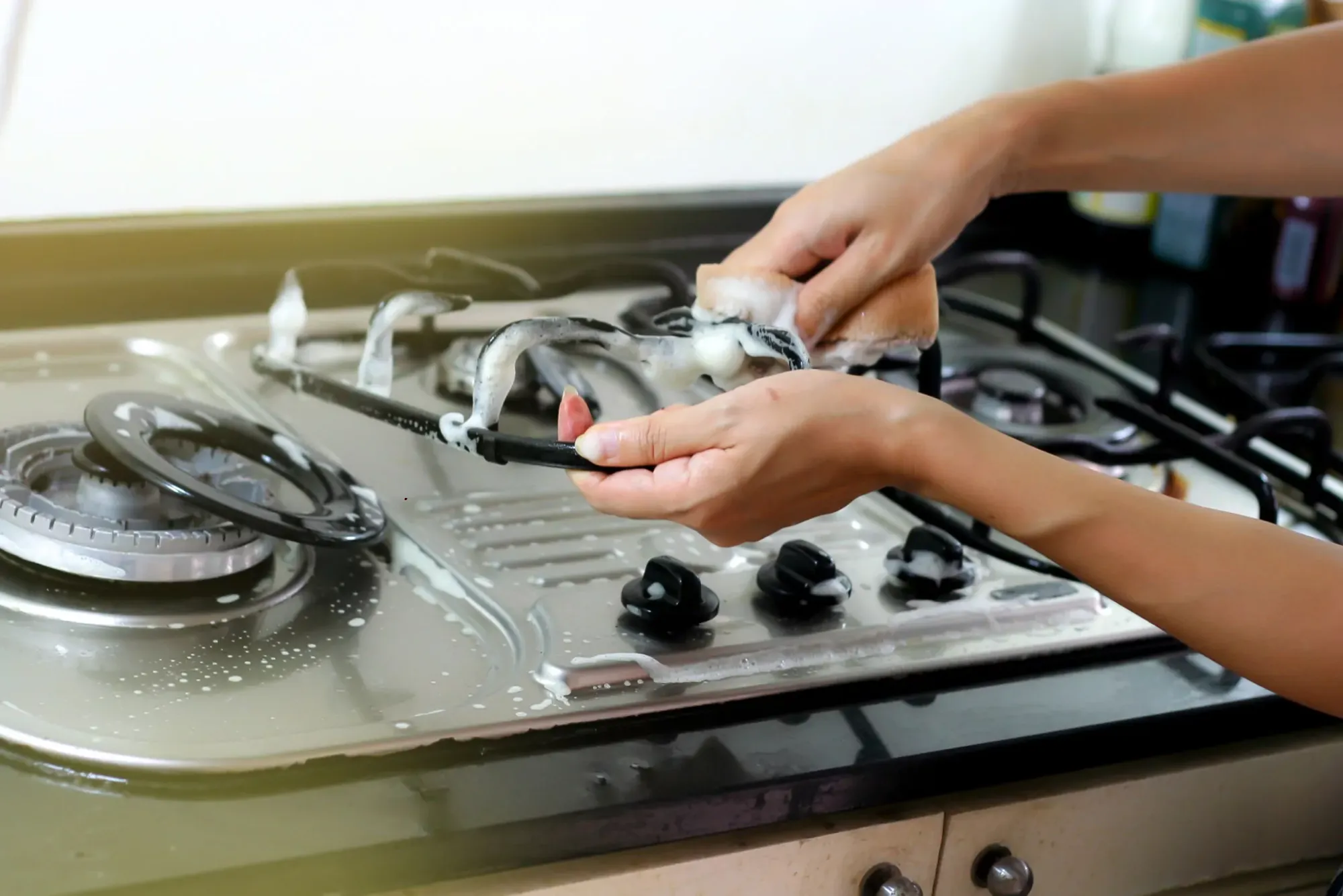
One of the most effective ways to loosen grime is through soaking. Warm water combined with a mild dish detergent creates a simple yet powerful solution. Submerging the grates for thirty minutes or longer softens baked-on food and makes scrubbing less aggressive. For heavier grease, adding a small amount of baking soda to the soak increases its degreasing power without introducing harsh chemicals.
Some homeowners turn to ammonia as a heavy-duty option. Placing stove grates in a sealed bag with a small amount of ammonia overnight helps dissolve particularly stubborn residues. However, this method requires proper ventilation and protective gloves to ensure safety. Regardless of the soaking solution chosen, the goal is always the same: to break down residue before any manual scrubbing begins, reducing wear on the surface of the grates.
Gentle Scrubbing for Effective Cleaning
Once softened, grime can be removed using non-abrasive tools. A nylon scrub brush, sponge, or soft-bristled pad works well to dislodge grease without scratching enamel coatings. Cast iron grates without a coating are more durable, but even these benefit from gentler scrubbing methods to preserve their finish. Harsh steel wool or metal brushes can strip protective layers, leaving the grate vulnerable to rust.
Circular motions combined with steady pressure are usually enough to lift residue. In cases where buildup lingers, a paste made of baking soda and water offers additional scrubbing power. Applied to the affected area and left for several minutes, this natural cleaner reacts with grease and food particles, making them easier to remove. Patience is key—multiple gentle passes will always achieve better long-term results than one aggressive attempt.
Drying Techniques to Prevent Rust
Cleaning does not end with rinsing. Moisture is the enemy of stove grates, particularly those made of cast iron. Even a small amount of water left on the surface can cause rust spots to form quickly. To prevent this, thorough drying is essential. A clean towel should be used to wipe away surface moisture immediately after rinsing.
For complete assurance, grates can be placed in a warm oven for fifteen minutes. This method drives out hidden moisture from crevices and provides an extra layer of protection. Once dry, lightly coating the grates with a thin film of vegetable oil helps restore shine and adds a barrier against rust. This finishing touch mimics the seasoning process used for cast iron cookware, enhancing durability while keeping the grates looking polished.
Maintaining Stove Grates Between Deep Cleans
While deep cleaning is necessary on a regular basis, everyday maintenance reduces how often heavy scrubbing is required. After each use, allowing the grates to cool before wiping them with a damp cloth removes fresh splatters before they harden. If something boils over or spills directly onto the grate, addressing it immediately prevents sticky buildup.
Another useful habit is to avoid using excessively high flames unless necessary. Flames that reach beyond the base of pots and pans deposit soot on the grates, which not only looks unsightly but also makes future cleaning more difficult. Simple adjustments in daily cooking practices can significantly extend the time between labor-intensive cleaning sessions.
Avoiding Common Cleaning Mistakes
In the effort to restore stove grates, certain mistakes can cause more harm than good. One common error is soaking porcelain-coated grates in extremely harsh chemicals. While these may remove stains quickly, they can erode the coating, leading to chips and cracks that expose the underlying metal. Another mistake is neglecting to rinse thoroughly after using baking soda or other cleaners. Residue left behind can emit odors when heated and interfere with cooking.
Equally important is avoiding dishwasher cleaning. Although dishwashers may seem convenient, the high heat and strong detergents can damage both cast iron and coated grates. Manual cleaning remains the safest and most effective method. Recognizing these pitfalls ensures that the effort put into cleaning produces results that last, without compromising the quality of the grates.
Long-Term Care for Stove Grates
True maintenance goes beyond cleaning. Proper storage and handling also play roles in preserving stove grates. When moving them for cleaning or repair, setting them on a soft surface prevents chips and scratches. During seasonal deep cleans, inspecting for signs of wear such as cracks, thinning enamel, or uneven surfaces helps catch problems early. Replacing worn grates before they fail completely prevents damage to burners and reduces cooking hazards.
For cast iron grates, occasional re-seasoning with oil ensures they maintain their non-stick qualities and resist rust. This process, borrowed from cast iron skillets, requires heating the grate after applying a thin layer of oil so that the surface absorbs the protective coating. Such care routines may feel small, but they collectively extend the life of the appliance and ensure it continues functioning as intended.
The Connection Between Clean Grates and Kitchen Health
The benefits of clean stove grates extend beyond the appliance itself. Kitchens are environments where cleanliness directly affects health and safety. Grease left on stove grates can attract pests, while food residue may harbor bacteria. Keeping grates spotless contributes to an overall sanitary cooking environment, reducing the risk of contamination.
Additionally, the visual impact of clean grates cannot be understated. Shiny, well-maintained stove components make the kitchen feel more inviting and reflect pride in the space. Guests notice details, and a polished stove becomes a subtle indicator of care and hospitality. More importantly, families benefit daily from a space that feels fresh and well-kept.
Making Grate Care a Kitchen Habit
Learning how to clean and maintain stove grates is ultimately about creating a healthier, more efficient, and more enjoyable cooking environment. From soaking away stubborn buildup to applying protective oils, each step contributes to the long-term functionality of the stove. With consistent care, grates remain free of rust, buildup, and unpleasant odors, while also improving the taste and quality of meals.
What once seemed like a chore becomes part of the rhythm of kitchen life, turning maintenance into a habit rather than a burden. By dedicating time to this essential task, you preserve not only the grates themselves but also the central role the stove plays in bringing people together through food. In every way, clean stove grates are a reflection of a well-loved kitchen.