A modern kitchen relies on many small yet essential details, and stove knobs are among the most overlooked. These seemingly simple controls are at the center of cooking convenience and safety. When they work as intended, knobs turn smoothly, offering effortless regulation of heat. When they become stiff, however, the problem can cause daily frustration and even pose safety risks. Understanding why stove knobs become difficult to turn requires looking deeper into design, usage, and maintenance.
The Everyday Mechanics of Stove Knobs
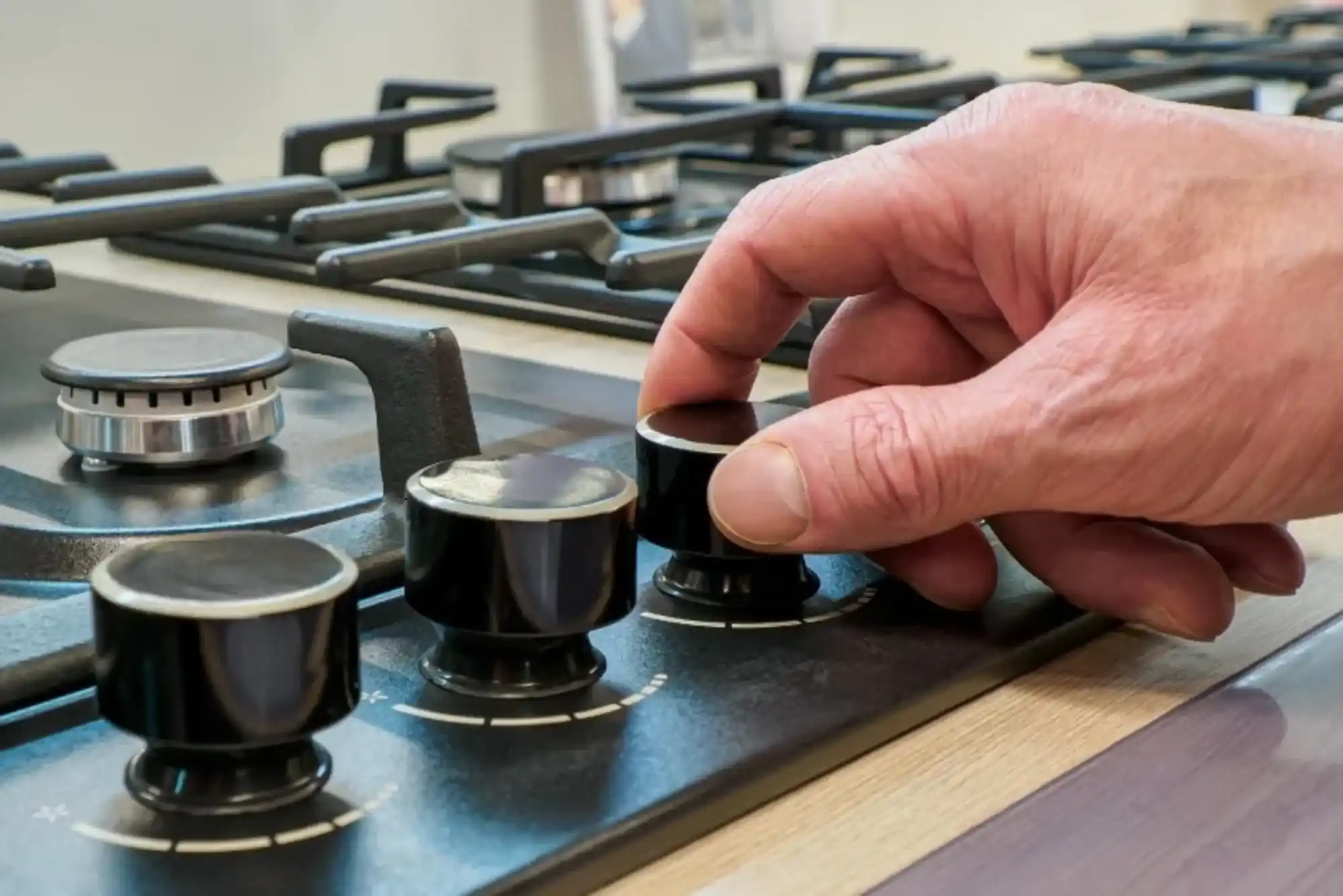
Stove knobs connect to control valves that regulate gas flow or adjust electric heating elements. These knobs are designed to be intuitive, giving users precise control with minimal effort. Inside, however, they interact with components that must endure heat, grease, and repeated movement. Over time, exposure to cooking byproducts and environmental conditions alters the way these mechanisms behave.
The stiffness you feel when turning a knob is not simply a matter of wear and tear. It is often a symptom of underlying conditions that range from simple dirt accumulation to deeper mechanical issues within the control valve itself. While many users dismiss the stiffness as a minor inconvenience, it reflects real mechanical resistance that should not be ignored.
The Role of Heat and Residue
One of the most common causes of stiff stove knobs is the accumulation of heat and residue. Cooking often generates grease, moisture, and microscopic food particles that travel beyond the cooking surface. Over weeks and months, these materials can work their way beneath the knobs and settle around the control stems.
Grease is particularly problematic because it becomes sticky as it cools and hardens. This sticky residue creates friction where smooth rotation is expected. Combined with the heat from the stove, which can expand and contract components, the buildup creates a kind of mechanical glue. The result is a knob that resists movement, forcing the user to apply more pressure each time.
Material Fatigue and Wear
Another key factor in stiff stove knobs is material fatigue. The knobs themselves are often made of durable plastic or metal alloys, but the stems and internal fittings endure the stress of constant turning. Over time, friction wears down smooth surfaces, especially when contaminants are present.

If the inner sleeve or stem becomes roughened, the turning action loses its original fluidity. In some cases, micro-cracks form in the plastic housing or knob casing. These imperfections may seem insignificant, yet they interfere with alignment and lead to tighter turning. Unlike dirt accumulation, which can often be cleaned away, material wear requires replacement of the affected parts.
Moisture and Corrosion
For gas stoves, corrosion is another hidden culprit. Moisture from boiling pots, simmering sauces, or even steam cleaning can infiltrate the space beneath the knobs. Once inside, it reacts with metal components, leading to oxidation. Corrosion roughens the surfaces of control stems and makes movement increasingly stiff.
Corroded stems not only resist turning but can also compromise the safety of the valve. In extreme cases, corrosion prevents the knob from fully closing, leaving small leaks of gas. This possibility underlines why stiffness should never be dismissed as a trivial inconvenience.
Design Limitations and Manufacturing Variability
Not all stove knobs are created equal. Differences in brand, model, and production quality affect long-term performance. Some knobs are designed with tight tolerances to prevent accidental movement, but these tolerances can become liabilities when minor debris enters the system.
Budget appliances may also rely on lower-cost plastics or thinner metal components, which are more susceptible to wear. Conversely, premium models sometimes include more complex mechanisms that are sensitive to dirt and grease buildup. In either case, the outcome is the same: stiffness that impairs usability.
User Habits and Everyday Mistakes
How a stove is used plays a surprisingly large role in the lifespan of its knobs. Many people, often unknowingly, apply excessive force when turning. Instead of stopping at the natural resistance point, they push harder, which stresses the stem and housing. Over time, this habit leads to misalignment and accelerated wear.
Cleaning practices also contribute. Some users remove knobs and soak them in water without drying thoroughly before reattaching. Others clean aggressively with harsh chemicals that degrade lubricants and plastics. These habits, though well-intentioned, hasten the onset of stiffness and may even void manufacturer warranties.
The Consequences of Ignoring Stiff Knobs
Stiff stove knobs are not merely an inconvenience; they signal that something is interfering with the intended mechanical function. Continuing to use them without addressing the issue creates several risks.
Firstly, applying excessive force to stiff knobs can break them entirely, leaving you unable to control heat levels. For gas stoves, this can mean an inability to fully shut off gas flow. Secondly, increased resistance in control valves can strain other internal parts, creating a domino effect of failures.
Finally, ignoring stiffness can reduce cooking precision. When heat adjustments are difficult to make, food may cook unevenly, leading to poor results. What begins as a minor annoyance can ultimately compromise both safety and the quality of your cooking.
Practical Approaches to Restoring Smooth Function
Addressing stiff stove knobs begins with identifying the source of the problem. If the issue is residue buildup, careful cleaning usually resolves it. Removing the knobs and washing them with mild soap and warm water, followed by complete drying, often restores smoother operation.
For deeper cleaning, a small brush or compressed air can help dislodge debris from around the stems. In some cases, applying a light, heat-resistant lubricant to the control shaft may restore smooth motion. However, this step must be approached carefully, as the wrong type of lubricant can worsen the problem or create fire hazards.
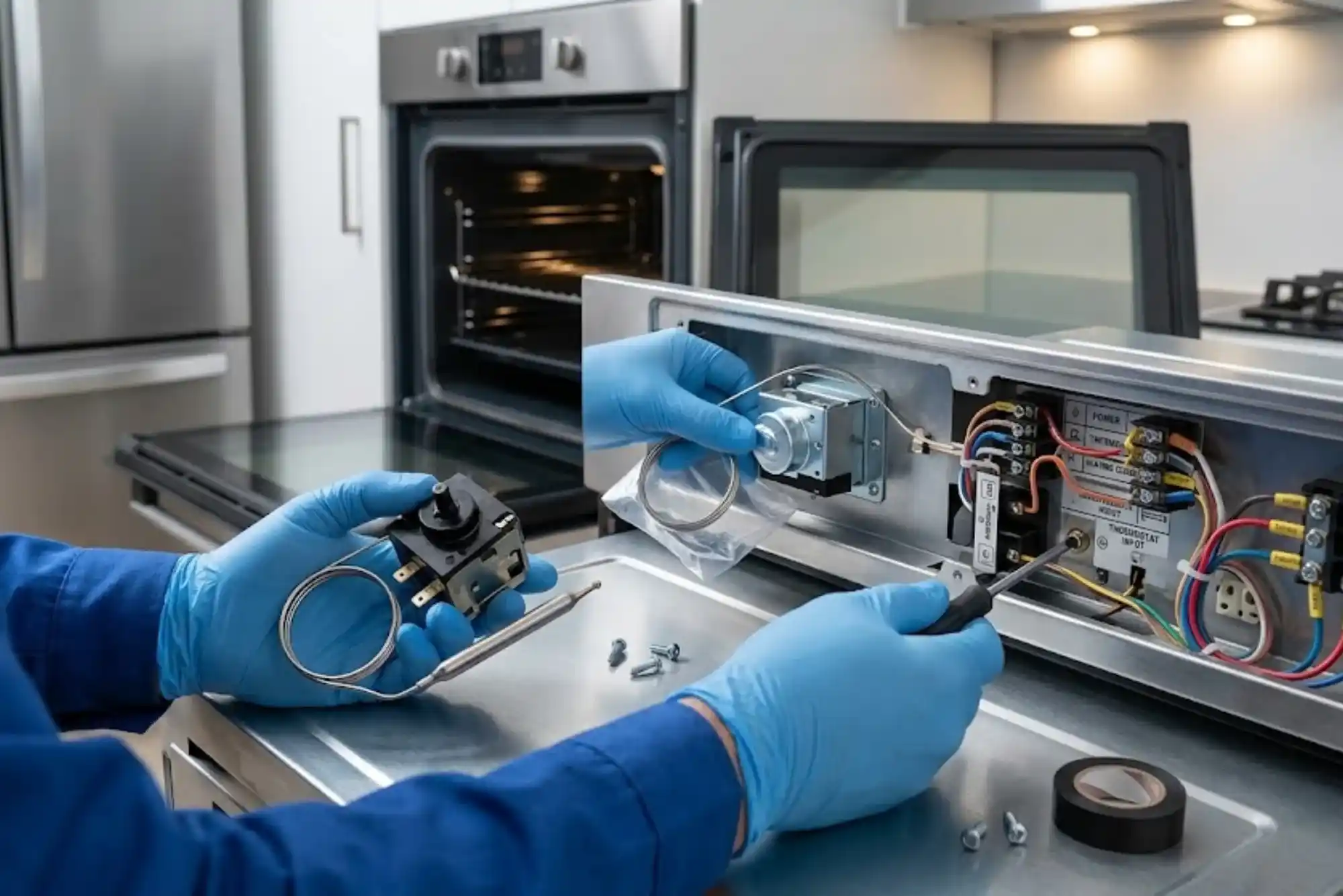
When stiffness results from material wear or corrosion, replacement is the only reliable solution. Manufacturers often sell replacement knobs and stems, and these can be installed with basic tools. For internal valve damage, professional repair is recommended, as the risk of gas leaks makes DIY attempts unsafe.
Preventive Maintenance and Long-Term Care
Preventing stiffness is often easier than repairing it. Regular cleaning routines that include removing and washing knobs keep grease and residue from accumulating. Avoiding harsh chemicals and ensuring all parts are completely dry before reassembly also prolongs smooth operation.
Another preventive measure is moderating how much force is used when turning knobs. Gentle, deliberate movements reduce stress on the stem and valve, extending their lifespan. For households where multiple people use the stove, setting shared guidelines for handling knobs may prevent premature wear.
Finally, periodic inspection of stove components—especially in gas ranges—helps identify corrosion early. Detecting changes in resistance before they become severe allows for timely maintenance, reducing the risk of larger failures.
When to Call a Professional
While many cases of stiff knobs can be resolved through simple cleaning, there are situations where professional intervention is essential. If stiffness persists after cleaning and lubrication, the issue likely lies within the control valve. At this stage, attempting DIY repairs may create hazards.
Gas stoves, in particular, require certified technicians for internal valve repair or replacement. A professional not only restores smooth knob operation but also tests for leaks and ensures the stove meets safety standards. Electric stoves also benefit from expert attention when stiffness indicates underlying electrical or structural issues.
The Broader Importance of Small Details
Stiff stove knobs may seem like a small problem in the grand scheme of kitchen maintenance, yet they illustrate a broader principle: minor inconveniences often point to hidden risks. A knob that resists turning is a signal that the stove’s design, materials, or usage conditions need attention.
By taking such signals seriously, users not only restore everyday convenience but also protect themselves from hazards. The act of resolving stiffness becomes part of a culture of care—one that values both safety and performance in the kitchen.
Stove knobs are humble components, yet their role in the kitchen is critical. When they become stiff, the reasons may include residue buildup, material wear, corrosion, design limitations, or user habits. What starts as a small inconvenience can escalate into safety concerns and reduced cooking performance.
Addressing the issue requires understanding both the mechanics of stove knobs and the environment in which they operate. Cleaning, lubrication, careful use, and timely replacement ensure that knobs remain smooth and reliable. In more serious cases, professional repair restores not only function but peace of mind.
Ultimately, caring for your stove knobs reflects a larger truth: in the kitchen, as in life, it is often the smallest details that make the biggest difference.