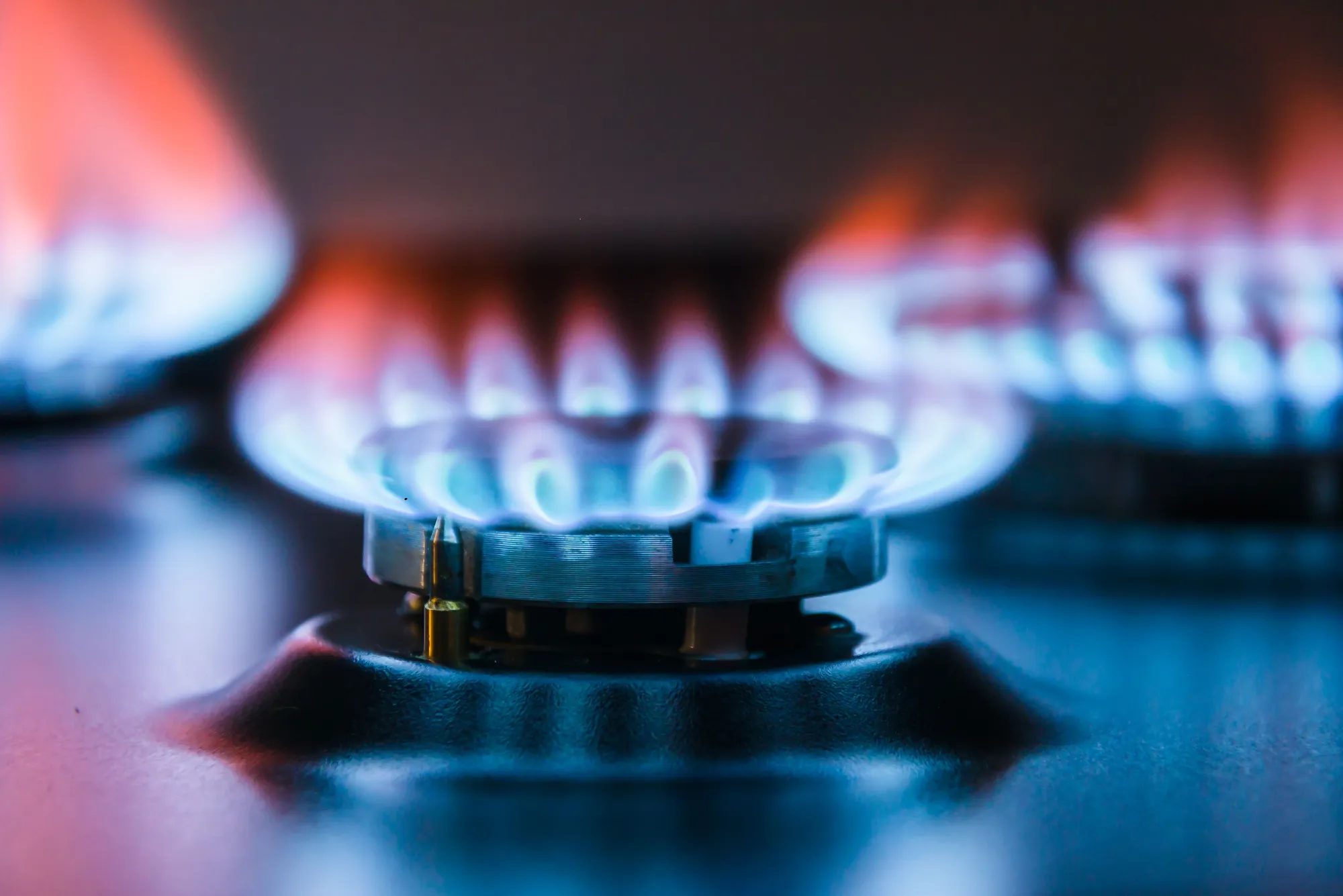
For most households, the stove is one of the most relied-upon appliances. It provides the means to prepare meals, boil water, and sustain daily routines. When functioning properly, its ignition system produces a small spark that safely lights the burner flame. However, when sparks become excessive or continuous, the appliance no longer feels reliable but rather hazardous. Understanding why this happens and what to do about it is essential for both safety and convenience.
Excessive sparking is not a minor nuisance. It can signal electrical faults, ignition system wear, or even hidden moisture affecting components. The sound of rapid clicking and the sight of constant sparks often raise alarm. This guide explores the reasons behind it, the risks of ignoring it, and the most practical solutions to restore your stove’s proper function.
How the Stove Ignition System Works
To appreciate why sparking becomes excessive, it helps to understand how modern stove ignition systems operate. Gas stoves with electric ignition rely on a component called the spark module. When the burner knob is turned, gas is released and the module sends voltage to the igniter. The igniter then generates a small electrical arc, visible as a spark, that lights the gas. Once the flame catches, the sparking should stop automatically.
In an ideal situation, sparking occurs only during the ignition phase. The process is quick, efficient, and controlled. But when components wear down, circuits fail, or environmental conditions interfere, the spark may continue longer than intended, or appear at random times. This not only wastes energy but also increases the risk of gas buildup and electrical hazards.
Moisture as a Hidden Culprit in Spark Issues
One of the most common but often overlooked reasons for excessive sparking is moisture. Kitchens are humid environments, and cooking itself can release steam, grease, and liquid spills. If liquid seeps into the burner knobs or the igniter, it can disrupt the normal circuit, tricking the system into sparking continuously.
For example, after boiling pasta or simmering soup, condensation may form and drip into the ignition area. Even after the surface appears dry, the moisture trapped inside can linger for hours. This is why many homeowners notice prolonged clicking sounds after cleaning the stove or spilling water. Although usually temporary, repeated exposure to moisture can corrode electrical contacts and make the problem more persistent.

Electrical Faults Behind Continuous Sparks
Excessive sparking may also arise from deeper electrical faults. The spark module itself is an electronic device, and like any component, it can fail with age. A faulty module may misinterpret signals, sending power to the igniters even when not required. Similarly, damaged wiring or loose connections can create irregular surges that trigger sparks unpredictably.
These faults can be subtle at first, appearing only when certain burners are used or when the stove is under heavy load. Over time, however, the issue typically worsens. Because the ignition system is tied directly to the household electrical supply, ignoring these faults poses a significant safety risk. Electrical shorts, overheating, and accidental arcing can all result from prolonged neglect.
Worn or Misaligned Igniters
Igniters themselves are subject to wear. Over time, the electrode tips that produce sparks may become dirty, greasy, or physically misaligned. A worn igniter may struggle to produce a consistent arc, causing the spark system to work harder and longer. In some cases, the igniter may continue clicking even after a flame has been established, simply because it cannot detect that ignition has occurred.
Misalignment is another factor. If the igniter is not positioned close enough to the gas stream, the flame might not light quickly, leading to continuous sparks until ignition finally happens. These issues, while often simple to correct, can frustrate homeowners who are unsure why their relatively new stove begins to behave unpredictably.
The Role of Residue and Kitchen Debris
Residue build-up is a frequent contributor to sparking problems. Daily cooking releases grease, food particles, and oils that can accumulate around burners and ignition points. Over time, this build-up acts as insulation, preventing sparks from reaching the gas effectively. As a result, the spark mechanism may fire repeatedly, struggling to achieve ignition.
Residue can also bridge gaps between electrical components, causing current leakage. What seems like harmless dirt can actually create conductive paths, triggering unnecessary sparks. Regular cleaning helps, but using too much water or harsh chemicals may introduce moisture that worsens the problem. Striking a balance between cleanliness and careful maintenance is key.
Why Continuous Sparking Should Not Be Ignored
The sound of constant clicking may be annoying, but the dangers extend beyond noise. Each spark is a small electrical discharge, and when uncontrolled, it increases wear on components. More critically, prolonged sparking while gas is being released raises the risk of accidental ignition or even small flare-ups.
If sparking occurs when no burner is in use, it signals a serious malfunction. Such situations can result in wasted electricity, overheating of internal components, and in rare cases, electrical fires. This is why it is important not to dismiss sparking as merely a minor inconvenience. The costs of repair or replacement are far less than the risks of inaction.
Diagnosing the Problem Safely
When faced with excessive sparking, homeowners often attempt quick fixes. While some steps, such as wiping away visible moisture, can help, more involved diagnosis requires caution. Turning off the power supply to the stove before inspection is essential. Checking igniters for dirt, ensuring burners are dry, and observing whether sparking occurs across all burners or only specific ones can provide clues.
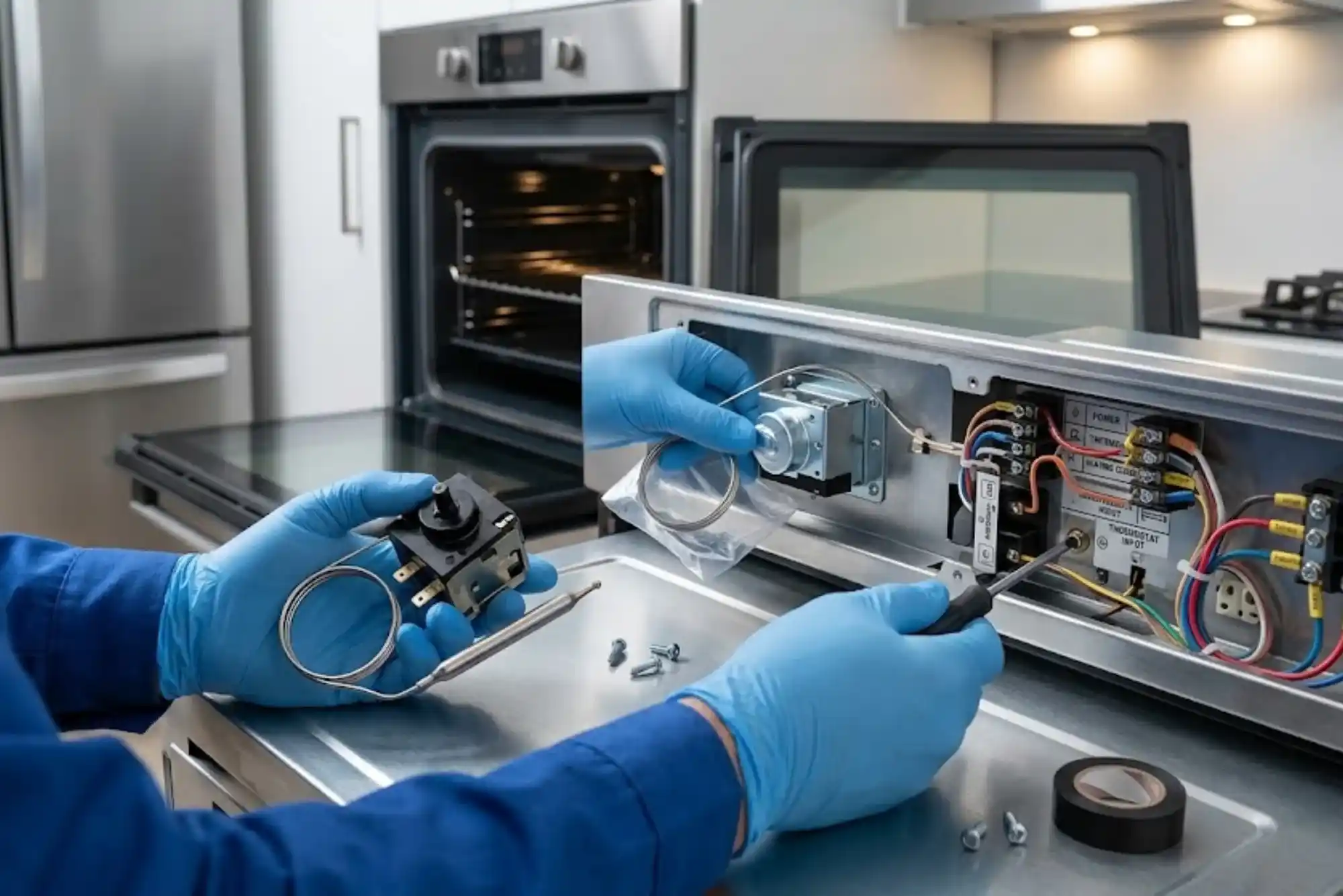
However, because the ignition system involves live voltage and gas supply, a professional technician is best equipped to perform detailed testing. They can measure continuity, inspect modules, and determine whether replacement parts are necessary. Attempting complex repairs without training can result in electrical shock or gas leaks, both of which are far more dangerous than the initial problem.
Preventive Measures to Reduce Excessive Sparks
Prevention is often simpler than repair. To minimize sparking issues, avoid excessive use of water when cleaning the stove. Instead, use lightly damp cloths and ensure burners are completely dry before reassembly. After spills, dry the area promptly and allow air circulation to prevent moisture from lingering inside.
Routine cleaning of igniters with a dry brush or cotton swab can keep residue from building up. Inspecting burner caps and ensuring they sit correctly reduces misalignment issues. For households in humid climates, running ventilation fans can also help limit condensation that may otherwise reach electrical components. These proactive steps extend the life of the ignition system and reduce unexpected malfunctions.
When Replacement Becomes Necessary
Despite preventive care, some ignition components eventually wear out. Spark modules, igniters, and wiring have finite lifespans. When repeated repairs or cleaning fail to resolve the issue, replacement is often the most practical solution. Fortunately, many modern stoves are designed with modular parts that technicians can swap out efficiently.
Investing in professional replacement not only restores proper function but also ensures safety. Technicians can recalibrate ignition systems, align burners, and confirm that the stove operates within safe electrical parameters. Although replacement carries a cost, it is an investment in reliability, efficiency, and peace of mind.
The Balance Between DIY and Professional Help
Homeowners naturally want to save on repair costs, but with stoves, the margin for error is narrow. While basic cleaning and drying are safe tasks, anything involving electrical components or gas lines should be left to certified professionals. The cost of a service call is negligible compared to the potential consequences of a mishandled repair.
Professionals bring not only expertise but also tools to test voltage, continuity, and gas flow safely. They can identify whether the issue lies in the igniter, the spark module, or even broader wiring problems. This diagnostic precision is difficult to achieve with guesswork and home tools, making expert intervention the best course for persistent issues.
The Long-Term Perspective on Appliance Care
Excessive sparking should be understood not only as an isolated inconvenience but also as a signal of appliance health. Like any machine, stoves require maintenance and occasional part replacement. By addressing sparking promptly, homeowners extend the life of the appliance, improve energy efficiency, and ensure safe operation.
Viewing the stove as a long-term investment shifts the perspective from frustration to responsibility. Just as cars need tune-ups, stoves benefit from regular inspection and care. Ignoring warning signs only accelerates wear and increases eventual repair costs. Proactive attention, on the other hand, ensures reliable performance for years.
Restoring Safety and Reliability
A stove that sparks excessively is more than just a noisy inconvenience. It reflects underlying issues that range from simple moisture intrusion to complex electrical faults. While some problems can be addressed through careful cleaning and drying, others demand professional repair or part replacement.
The key is to recognize sparking as a warning signal, not a background noise to be tolerated. By addressing it early, homeowners protect themselves from safety risks, extend the life of their appliances, and restore confidence in the reliability of one of the most essential tools in daily life. A properly functioning stove should ignite with a single spark—quick, efficient, and safe—and when it does, the entire kitchen runs more smoothly.