The modern kitchen has evolved into more than just a place where meals are prepared. It is now the central hub of a household, balancing function, design, safety, and sustainability. Among the many components that influence how well a kitchen performs, stove ventilation systems are often overlooked. At the core of this system lies the grease filter, a seemingly simple part that plays a pivotal role in stove efficiency, safety, and long-term durability. While it may appear insignificant, the grease filter directly impacts airflow, heat management, and the overall cooking experience. Understanding its role provides valuable insight for homeowners, appliance manufacturers, and even those committed to sustainable kitchen design.
Grease Filters and Their Function
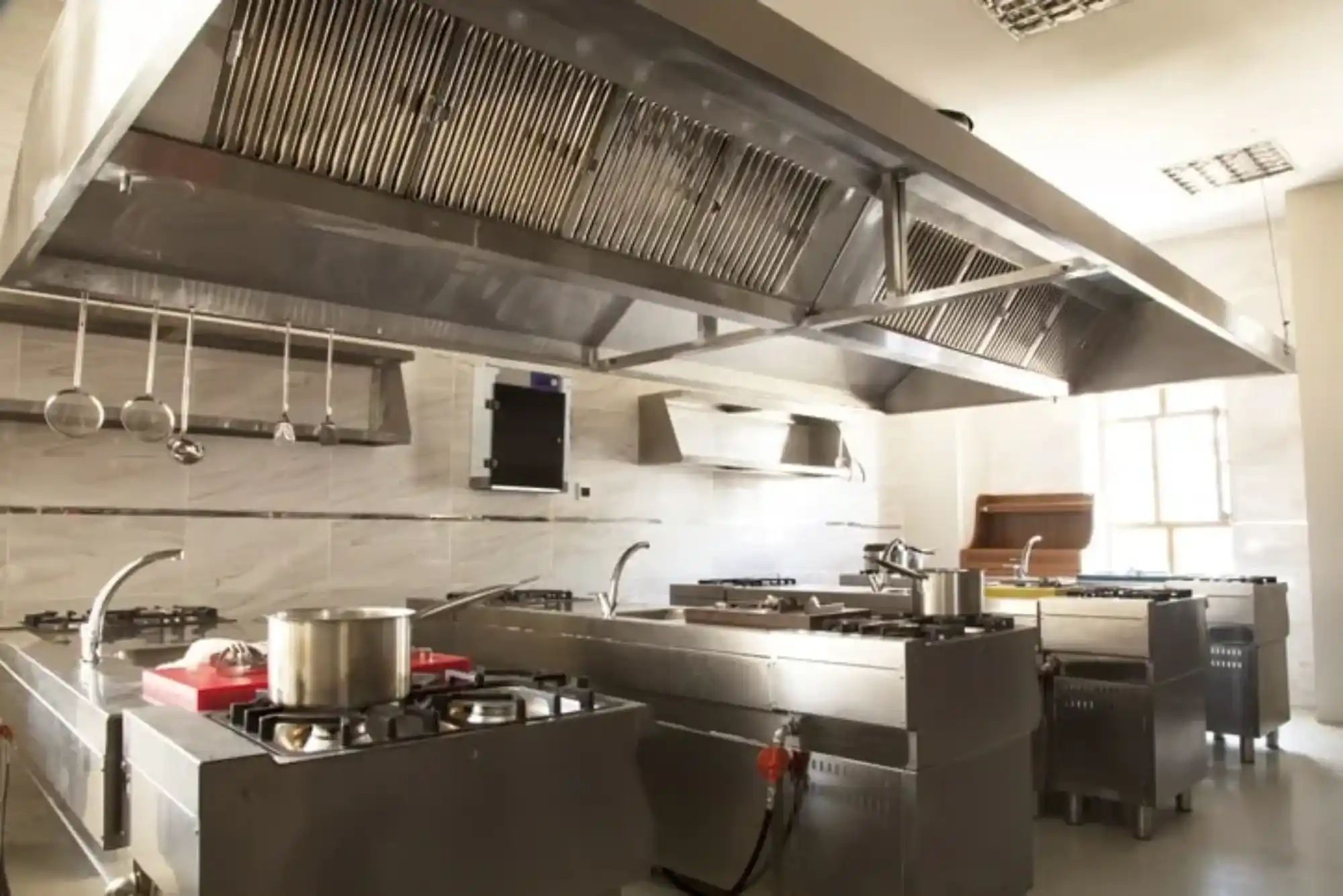
Grease filters are usually installed inside range hoods or stove ventilation systems to trap airborne grease particles generated during cooking. When oils and fats vaporize under heat, they are carried upward with hot air and moisture. Without a barrier, these vapors settle on cabinets, walls, and appliances, gradually building up into sticky, flammable residues. Grease filters intercept these particles, allowing cleaner air to circulate while preventing the accumulation of hazardous deposits.
The filter is not just a passive accessory—it is designed to regulate airflow, balance suction, and maintain steady ventilation. When functioning correctly, it ensures that the stove performs at its peak efficiency, keeping combustion consistent and reducing the risk of overheating or poor air circulation.
The Link Between Airflow and Stove Efficiency
The stove’s efficiency largely depends on steady airflow. When air is drawn properly through the ventilation system, cooking fumes, heat, and moisture are removed effectively. A clogged or poorly designed grease filter restricts airflow, forcing the ventilation system to work harder. This inefficiency not only increases energy consumption but also undermines stove performance.
For gas stoves, restricted airflow can affect combustion, sometimes leading to uneven flames or incomplete burning. In electric or induction stoves, trapped heat may impact surrounding surfaces or compromise safety sensors. Clean and well-maintained grease filters, on the other hand, promote unobstructed ventilation. This translates to stable temperatures, quicker cooking times, and a balanced kitchen environment where appliances function as intended.
Energy Consumption and Cost Implications
A stove’s performance cannot be separated from its energy profile. When grease filters become clogged, ventilation fans require more power to pull air through obstructed passages. This hidden energy cost accumulates over time. In households where cooking is frequent, the additional strain can lead to higher utility bills and shorten the lifespan of ventilation equipment.

Regular filter maintenance or timely replacement ensures that airflow remains unobstructed, reducing fan workload. By keeping the ventilation system efficient, the stove requires less compensatory energy, resulting in measurable savings over months and years. For environmentally conscious households, this also means a smaller carbon footprint, reinforcing sustainability goals while preserving kitchen performance.
Indoor Air Quality and Health Considerations
Beyond stove performance and efficiency, grease filters serve a crucial role in maintaining indoor air quality. Cooking releases particulate matter, volatile organic compounds, and odors that can linger in poorly ventilated spaces. Grease particles suspended in the air can contribute to respiratory irritation, trigger allergies, or worsen conditions like asthma.
A properly functioning grease filter captures much of this airborne contamination before it disperses into the kitchen and living areas. By supporting cleaner airflow, the filter reduces long-term exposure to harmful particles. Families benefit not just from better cooking environments but also from healthier indoor living conditions.
Fire Safety and Risk Prevention
Grease accumulation is one of the most common fire hazards in kitchens. Without effective filters, vaporized oils adhere to ductwork, fans, and surfaces near the stove. Over time, these residues become highly combustible. A single spark, flare-up, or excessive heat source can ignite the deposits, spreading flames rapidly through the ventilation system.
Grease filters significantly reduce this risk by capturing oil particles before they can settle on vulnerable surfaces. While they do not eliminate the hazard entirely, they minimize the volume of grease reaching sensitive areas, thus lowering the likelihood of accidental fires. For households and commercial kitchens alike, this protective function is indispensable.
Durability of Stove and Ventilation Systems
The longevity of a stove and its ventilation system is directly tied to how well grease is managed. When filters are neglected, grease seeps into the fan motors and ducts, leading to premature wear and damage. Over time, components may require costly repairs or replacement.
Well-maintained filters act as the first line of defense, protecting delicate mechanisms from corrosive grease buildup. They preserve the smooth operation of the ventilation fan, safeguard ductwork, and prevent unnecessary strain on stove components. This proactive maintenance extends the lifespan of appliances, making grease filters an essential investment for long-term reliability.
Material Design and Efficiency of Filters
Not all grease filters are created equal. Their effectiveness depends on material composition, structure, and design. Aluminum mesh filters, for instance, are lightweight and commonly used in residential kitchens, while baffle filters—often made of stainless steel—are favored in commercial settings for their durability and efficiency. Charcoal filters, though primarily designed for odor absorption, also complement grease management in ductless systems.
The efficiency of a filter also depends on its ability to balance airflow and particle capture. A filter that traps too much may restrict airflow, while one that prioritizes airflow may allow excess grease to pass through. The best designs achieve harmony, ensuring both safety and stove performance.
Maintenance Practices for Optimal Performance
The impact of grease filters is ultimately determined by how well they are maintained. A clean filter enables free airflow, effective grease capture, and reliable stove performance. When filters are neglected, all these benefits diminish.
Most manufacturers recommend cleaning mesh filters every few weeks, depending on cooking frequency. Stainless steel baffle filters may require less frequent cleaning but benefit from routine checks. Some modern systems even include filter-cleaning alerts to prompt users at the right time. Consistency in these practices ensures that the stove performs optimally, free from unnecessary strain.
Grease Filters in the Context of Modern Kitchen Trends
Today’s kitchens are shaped by design innovation, health-conscious living, and environmental responsibility. As open-plan kitchens become more common, managing odors, smoke, and grease is more critical than ever. The role of grease filters aligns perfectly with these modern priorities.
Smart appliances now integrate monitoring systems that evaluate air quality and alert users when filters require cleaning or replacement. Energy-efficient models emphasize better airflow management to reduce costs and emissions. The evolution of grease filters, once overlooked, is now central to the design of sustainable, high-performing kitchens.
Small Component, Big Impact
The grease filter may seem like an unremarkable detail in a stove’s overall design, yet its role is far-reaching. From maintaining airflow and energy efficiency to protecting health, safety, and appliance longevity, it influences nearly every aspect of stove performance. A clogged or neglected filter undermines kitchen functionality, while a clean, well-designed one enhances it.
In the broader picture, grease filters symbolize how small details can dictate big outcomes. They remind us that true kitchen efficiency lies not just in advanced stove technologies but in the integration of simple, practical components that ensure performance remains consistent over time. For homeowners and kitchen professionals alike, giving proper attention to grease filters is an investment in safety, sustainability, and the overall cooking experience.