When a washing machine refuses to drain, frustration quickly follows. Wet clothes pile up, the drum remains filled with water, and the laundry routine grinds to a halt. While this may seem like a situation that calls for immediate professional help, the truth is that many drainage issues have straightforward causes and practical solutions. Understanding how the drainage system in your washer works, identifying possible culprits, and applying the right fix can save time, money, and stress.
In this article, we will explore the causes behind a washing machine not draining, methods to resolve the problem, and preventive measures to keep it from recurring. From clogged filters to malfunctioning pumps, each aspect will be examined in detail so that you have the confidence to troubleshoot effectively.
Understanding the Washing Machine Drainage System
Before diving into solutions, it’s important to grasp how a washing machine drains water. At the end of a wash or rinse cycle, the machine activates a drain pump. This pump pushes water out of the drum through a hose and into the household drainage system. Along the way, lint filters, valves, and seals work together to prevent clogs and backflow. If any part of this chain is blocked, damaged, or misaligned, water may remain in the drum.
A malfunction here doesn’t always mean a catastrophic failure. In fact, small obstructions like lint buildup or a misplaced sock in the hose are among the most common culprits. Having this foundation of knowledge makes it easier to approach the problem systematically.
Common Causes of Drainage Failure
A washer that won’t drain can be experiencing mechanical, electrical, or user-related issues. The most frequent cause is a simple clog in the filter or drain hose. Over time, lint, fabric fibers, coins, or other small items left in pockets can accumulate and block the water’s pathway.
Another possibility is a problem with the drain pump itself. Pumps have moving parts that can wear out, and if the impeller inside becomes jammed or broken, water will not be expelled. Electrical issues, such as a faulty control board or wiring defect, may prevent the pump from receiving the signal to start.

Incorrect installation or placement of the drain hose can also be to blame. If the hose is bent, kinked, or placed at the wrong height, water may back up into the drum. Even detergent misuse, such as using too much or the wrong kind, can cause excessive suds that interfere with draining.
Steps to Diagnose the Problem
When approaching a washer that will not drain, diagnosis comes first. Start by turning off and unplugging the machine to ensure safety. Once that is done, check the drum manually. If small objects like hairpins, coins, or fabric pieces are visible, remove them immediately.
Next, examine the drain hose at the back of the washer. If it looks twisted or compressed against a wall, straighten it. Detach the hose carefully to inspect inside for blockages. A clogged hose is one of the simplest fixes, and clearing it often restores full function.
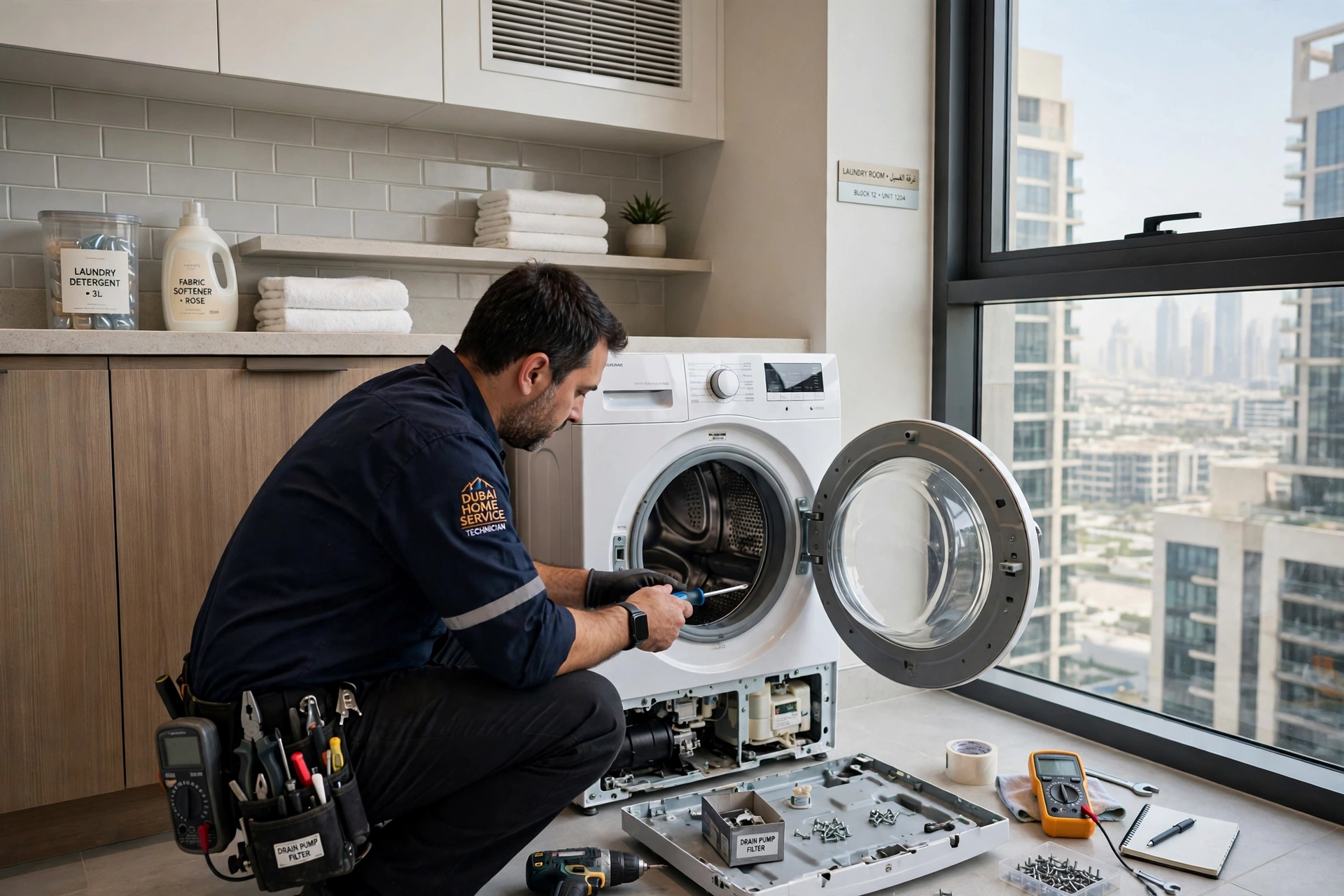
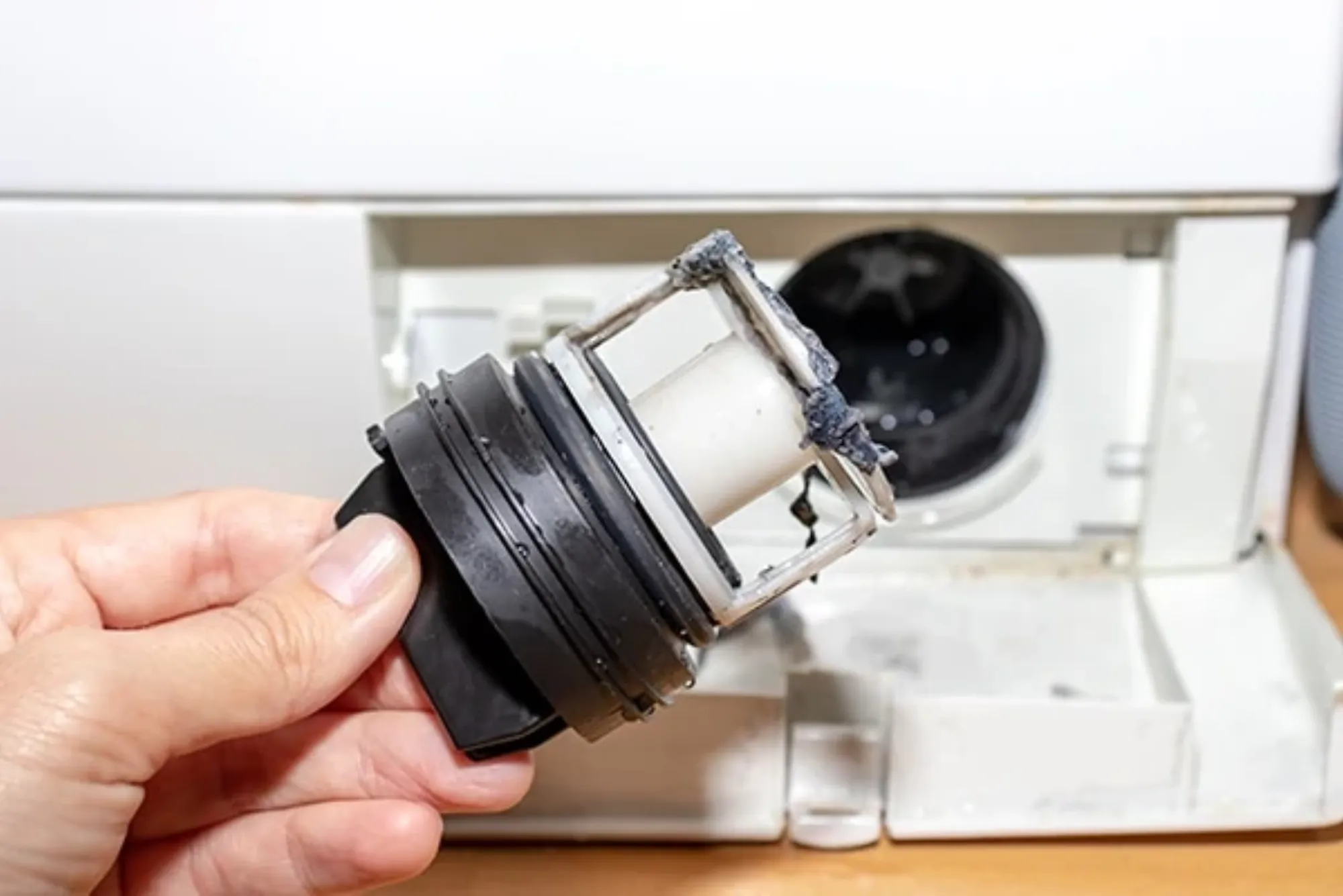
If the hose appears clear, move on to the filter or drain trap. Many machines have an accessible filter at the front bottom panel. Unscrewing it can reveal a surprising collection of lint, fabric, or foreign objects. Cleaning this component may solve the issue without further intervention.
Finally, listen for the drain pump during the cycle. A humming noise without water movement suggests the pump is running but blocked, while complete silence indicates a power or motor problem.
Fixing Clogged Drain Hoses and Filters
The most frequent and most fixable issue is a clogged hose or filter. Start by placing a towel and a shallow container under the filter compartment to catch water. Slowly open the filter, allowing excess water to drain out. Remove any debris inside, then rinse the filter under warm water before replacing it.
For hoses, a garden hose or long flexible brush can be used to push through clogs. Flush with water until flow is restored. Always ensure that the hose is securely reattached and positioned at the correct height, typically 18 to 30 inches above the floor, to allow gravity and the pump to work effectively.
This simple maintenance can resolve most drainage problems and should be performed regularly even when the washer appears to function normally.
Addressing Pump Malfunctions
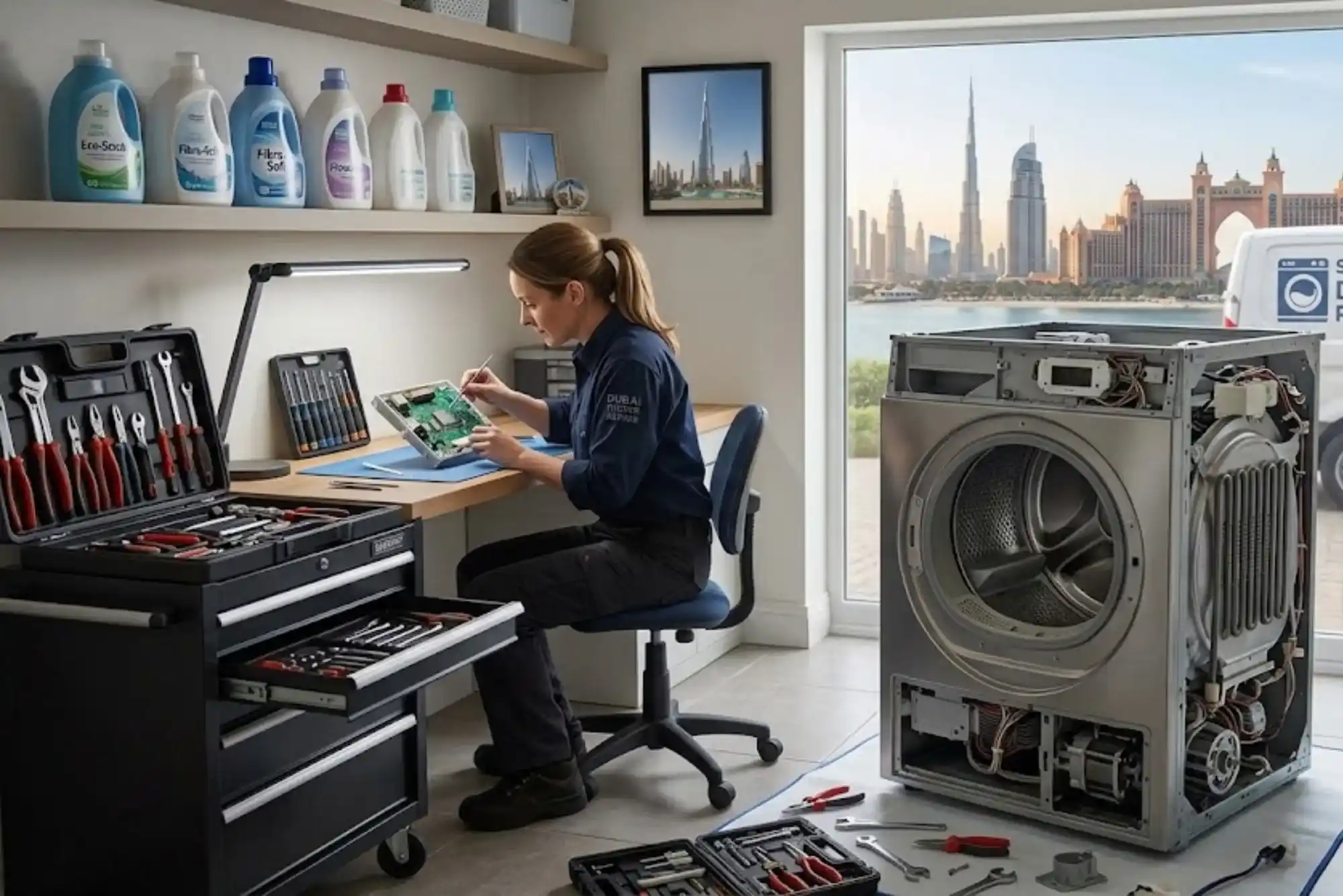
If the clog is not the issue, the pump itself may be at fault. Pumps can fail mechanically, with worn-out impellers, or electrically, with damaged wiring. Replacing a pump requires accessing the interior of the washer, which can be more complex depending on the brand and model.
For top-loading washers, the pump is often located at the bottom near the motor, while front-loaders may place it behind the lower panel. Once accessed, inspect the pump for broken blades or signs of wear. If debris is jammed inside, carefully remove it and test the pump again. If the pump is physically damaged or silent during operation, replacement is likely necessary.
While replacing a pump can be done at home with basic tools, many homeowners prefer to leave this to a technician due to the electrical connections involved.
Handling Electrical and Control Issues
Sometimes, the problem lies not in the plumbing but in the electronics. A control board that fails to send the signal to the pump will prevent draining even if the pump is functional. Wiring damage, often caused by age or moisture exposure, may also interrupt the circuit.
Troubleshooting these components requires a multimeter to check for continuity and voltage. If you are comfortable with electrical testing, you can verify whether power is reaching the pump when it should. If not, the control board or wiring may need replacement.
Because these repairs involve complex circuitry, it’s usually best to consult a professional unless you have experience in appliance repair.
When the Drain Hose Installation Causes Trouble
It may come as a surprise, but improper installation of the drain hose is a frequent reason for drainage problems. If the hose is too low, water can siphon back into the machine. If it’s too high, the pump may not have the strength to push water out. Additionally, sharp bends or kinks can restrict flow.
Checking installation guidelines in the machine’s manual is a straightforward step. Correcting hose placement is one of the easiest fixes and requires no special tools or parts.
Preventive Maintenance to Avoid Future Issues
While fixing the problem restores convenience, preventing it from recurring saves long-term effort. Simple habits go a long way in keeping a washing machine in good condition. Empty pockets before washing clothes to avoid coins, tissues, and small objects entering the system. Clean the filter every month to keep it free of lint and residue.
Using the right amount of detergent is also critical. High-efficiency machines are particularly sensitive to excess soap, which can create suds that linger in the pump and hose. Follow manufacturer recommendations for detergent type and quantity.
Running a cleaning cycle with hot water and a washing machine cleaner once a month also helps remove buildup from hoses and drums.
When to Call a Professional
Although many drainage issues can be handled at home, there are times when professional intervention is wise. If electrical issues are suspected, or if replacing the pump is beyond your comfort zone, calling a technician avoids risk and ensures the repair is done correctly.
Persistent problems even after cleaning filters and hoses also indicate a deeper fault, possibly in the machine’s control system. Investing in a professional diagnosis may prevent repeated breakdowns.
A washing machine that won’t drain can disrupt household routines, but it doesn’t always mean costly repairs or replacement. By understanding how the system works, checking for common issues like clogs, and applying straightforward fixes, most homeowners can restore function with minimal effort.