A washing machine is one of the most reliable appliances in modern homes, simplifying laundry and saving valuable time. But when it stops draining water properly, it can cause major inconvenience. A faulty drain pump is often the main culprit. Replacing the washing machine drain pump may sound like a complex technical task, but with the right understanding and professional guidance, it can be managed safely and effectively.
Drain pumps are essential for the proper functioning of a washing machine. They remove water from the drum at the end of each cycle and ensure that the machine is ready for the next wash. When the pump fails, water may remain in the tub, causing unpleasant odors, incomplete wash cycles, and even electrical damage if moisture reaches internal components. Understanding how this part works, identifying the symptoms of failure, and replacing it correctly can restore your machine’s performance and extend its lifespan.
Understanding the Role of the Drain Pump
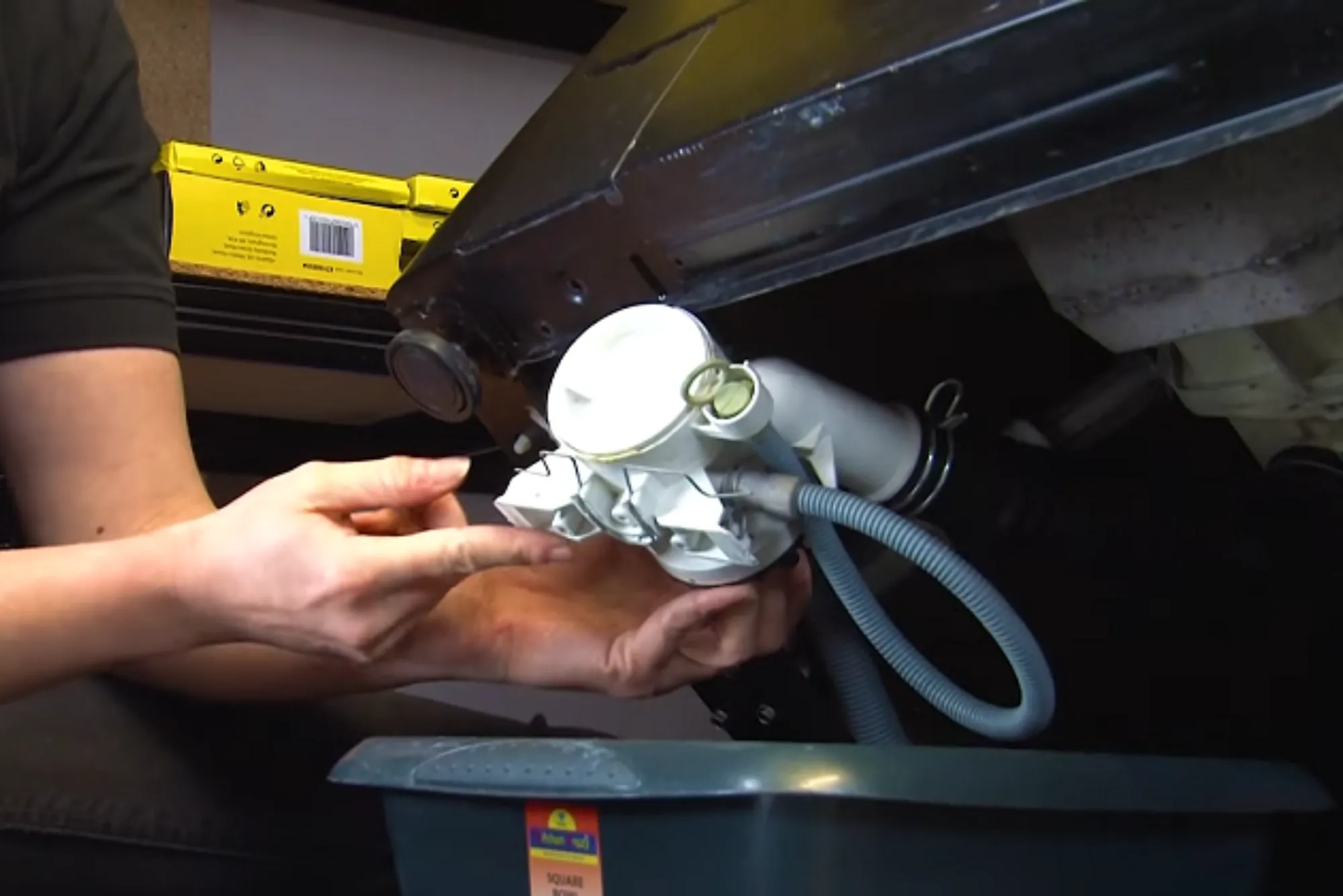
The drain pump in a washing machine is responsible for pushing out the used water after each wash and rinse cycle. It works together with hoses and valves that guide the water from the drum to the household drainage system. Modern machines use electric pumps that activate automatically, controlled by the system’s internal sensors and programs.
When this mechanism fails, the machine cannot remove the water efficiently. This leads to problems such as standing water, incomplete spin cycles, or error codes displayed on digital panels. These are the first signs that your washing machine’s drain pump may need attention or replacement.
Common Causes of Drain Pump Failure
Drain pump failure doesn’t usually happen suddenly. In most cases, it is the result of gradual wear and tear. Small foreign objects such as coins, lint, or fabric fibers often get lodged in the pump, causing blockages. Continuous operation under strain can damage the motor or impeller blades, reducing efficiency over time.
Another frequent cause is electrical malfunction. If the machine’s wiring or control board delivers irregular voltage, it may burn the pump motor. Regular maintenance, cleaning of filters, and ensuring that pockets are emptied before washing can help prevent early pump failure.

However, once a pump starts producing unusual noises, leaking water, or failing to drain altogether, replacement becomes the best option.
Signs You Need to Replace the Drain Pump
When your washing machine displays draining issues, you’ll usually notice certain warning signs. Water may remain in the drum after the cycle ends, or the machine may stop mid-cycle and display an error. A humming or grinding sound can indicate that the motor is struggling to spin or that debris is trapped inside the pump.
If you detect a faint burning smell, it could mean the pump motor is overheating. Additionally, visible leaks from the bottom of the machine often point to a damaged pump housing. Recognizing these symptoms early and seeking timely repair prevents further damage to the appliance.
Importance of Professional Handling
Replacing a washing machine drain pump is not as simple as changing a filter. It involves electrical disconnection, removal of panels, and sometimes access to water lines. Mishandling these components can lead to electrical hazards or water leakage.
This is why professional service is always recommended. Expert technicians understand the internal layout of different machine models and have the right tools to carry out the replacement safely. They can also test the new pump after installation to ensure proper functioning, which is something DIY attempts may overlook.
Professional repair ensures precision, safety, and long-term reliability. It also protects the warranty of the appliance, as unauthorized modifications can void coverage from manufacturers.
Step-by-Step Technical Overview
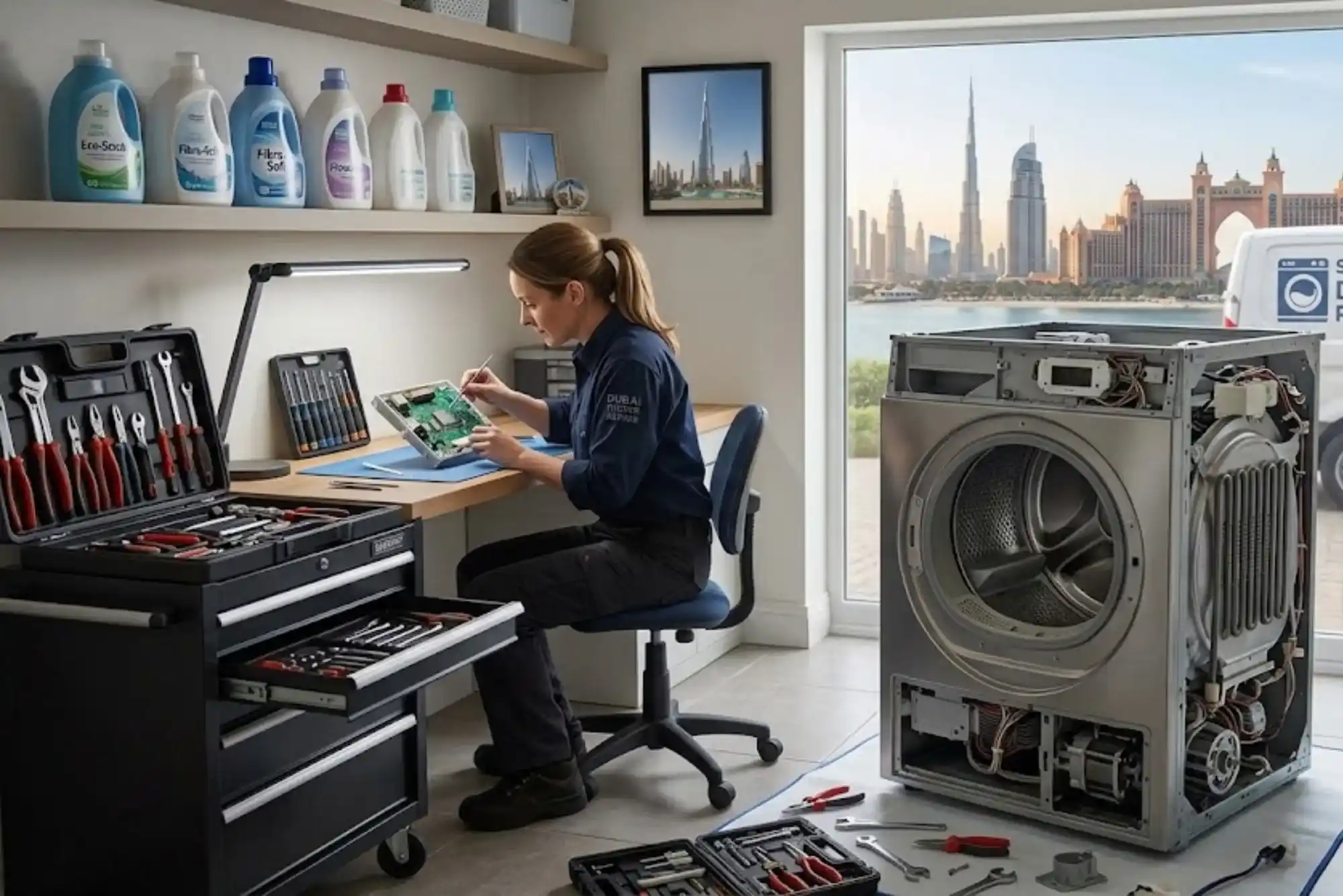
Though the process of replacing a drain pump varies slightly between brands, the basic concept remains the same. The power supply must be safely disconnected, water drained, and the rear or bottom panel removed to access the pump assembly.
The technician detaches the hoses connected to the pump, checks for debris, and then removes the old unit. After cleaning the surrounding area, the new pump is fitted into place and secured. The hoses and electrical connectors are reattached, ensuring no leaks or loose wiring.
Once the replacement is complete, a test cycle is run to verify drainage performance. This ensures the repair was successful and that the machine operates efficiently again.
While this explanation outlines the process, it’s crucial to remember that actual replacement should only be performed by trained professionals. Washing machines have complex wiring and water seals that must be handled with precision.
The Benefits of Replacing a Faulty Pump
A properly functioning drain pump restores efficiency to your washing machine. It ensures that all wash and rinse cycles complete successfully and that water is drained quickly. This also prevents bacterial buildup and mold, which often occur in machines that retain moisture.
Replacing a failing pump also improves energy efficiency. When the pump struggles, the motor consumes more power and increases wear on other parts. A new pump allows the machine to operate smoothly, reducing strain on both the drum and control system.
Timely replacement also saves money in the long term by preventing damage to critical components like the motor or electronic control board.
Preventing Future Drain Pump Problems
After replacing the pump, regular maintenance is essential. Cleaning the filter after every few washes, avoiding overloading the drum, and ensuring that small items like coins or hairpins are removed from clothing before washing can all help prevent new blockages.
Using high-quality detergents in proper quantities also prevents residue buildup in the drainage system. Running a maintenance cycle with hot water and cleaning agents occasionally helps remove detergent scum and lint from internal hoses.
While these steps can be managed by homeowners, scheduling periodic professional servicing ensures that all hidden areas of the machine are inspected and cleaned. This proactive approach minimizes future pump failures.
The Technical Perspective on Drain Pump Design
Modern washing machine drain pumps are designed with efficiency and durability in mind. Most pumps feature an impeller-driven design, where a small propeller pushes water through the drainage pipe. Some advanced machines now use inverter-driven pumps that consume less energy while providing more consistent flow.
Technicians trained in appliance maintenance can identify the correct replacement type based on the brand, model, and electrical requirements of your machine. Installing a compatible pump is critical for maintaining proper water pressure and flow during the drain cycle.
Even a small mismatch in specifications can lead to performance issues, underscoring the importance of professional assistance during replacement.
Understanding the Cost and Value of Replacement
The cost of replacing a washing machine drain pump varies depending on the model, brand, and the nature of the failure. However, it is generally more cost-effective than purchasing a new washing machine.
Professional services include not just the installation of a new pump but also testing, inspection, and warranty coverage on parts and labor. This ensures that the replacement provides lasting value and performance.
In many cases, a well-executed replacement restores the washing machine to near-new efficiency, extending its life by several years.
Safety Considerations During Replacement
Working with electrical appliances always carries some level of risk. The combination of electricity and water makes washing machine repair particularly sensitive. This is why safety precautions such as disconnecting power, wearing protective gloves, and ensuring proper grounding are essential during any technical work.
Professional technicians follow strict safety standards when performing repairs. They verify that the machine’s electrical components are isolated, use specialized tools to avoid damage, and test the unit thoroughly after reassembly. These safety protocols guarantee both technician and customer protection.
When Replacement Is Better Than Repair
Sometimes, a drain pump can be cleaned and repaired if the issue is minor. However, when the motor has burned out or the impeller is broken, replacement is the only practical solution.
Choosing replacement over temporary repair is often the smarter decision, as it ensures long-term performance and reduces the risk of future breakdowns. Professionals assess the condition of the pump carefully before recommending the best option, ensuring you invest wisely.
Final Thoughts on Washing Machine Maintenance
Replacing a washing machine drain pump is a technical process that restores the core functionality of your appliance. Understanding how the system works, recognizing warning signs, and seeking professional assistance are the keys to maintaining reliable performance.
A properly functioning drain pump ensures clean laundry, efficient energy usage, and peace of mind. Regular maintenance, combined with professional inspections, keeps your washing machine operating smoothly and prevents unexpected breakdowns.
The next time your washing machine fails to drain or leaves water in the drum, don’t ignore it. Addressing the issue promptly through proper repair or replacement ensures that your appliance continues to serve you effectively for years to come.