A stove is one of the most essential appliances in every home, and its proper functioning ensures convenience and safety during daily cooking. However, when the pilot light of your stove refuses to stay on, it can disrupt your kitchen routine and even create potential safety concerns. This issue is common but must be handled carefully and often requires professional stove repair services. Understanding the causes and the right solutions can help you maintain your appliance efficiently and avoid costly breakdowns in the future.
Understanding the Role of the Pilot Light
The pilot light is a small flame that continuously burns inside your stove to ignite the main burner whenever the stove is turned on. It acts as a bridge between the ignition system and the burner, ensuring quick and consistent lighting. When this small flame keeps going out, the stove cannot function correctly, leaving you with no flame to cook with.
This problem can arise from various mechanical or environmental reasons, including a weak flame, dirt buildup, faulty thermocouple, or poor gas flow. Knowing how the pilot light operates is the first step toward identifying what may be wrong with your stove and when to seek professional stove repair assistance.
Common Causes of a Pilot Light That Won’t Stay On
Several factors can lead to a pilot light that constantly goes out. In many cases, these issues are related to gas supply or safety components within the stove. One of the most frequent causes is a malfunctioning thermocouple—a safety device designed to detect whether the pilot light is burning. When it senses no flame, it cuts off the gas supply to prevent leaks. If the thermocouple becomes dirty or damaged, it may not sense the flame correctly and shut off the gas prematurely.
Another reason could be a weak or unsteady gas supply. Low gas pressure or a partially blocked line can prevent the pilot flame from staying stable. Dirt, grease, and carbon deposits can also clog the pilot orifice, affecting the quality of the flame. Additionally, drafts or strong airflow in the kitchen can blow out the flame easily, especially if the stove is placed near a window or ventilation outlet.
Diagnosing the Problem
Proper diagnosis is essential before attempting any repair. If you notice that the pilot light goes out repeatedly after relighting it, observe the flame’s color and strength. A healthy pilot light should produce a steady blue flame. If the flame appears yellow or flickers frequently, it indicates incomplete combustion or insufficient gas supply.

Inspecting the thermocouple’s position is another key step. The tip of the thermocouple should be in direct contact with the pilot flame. If it’s misaligned or covered in soot, the safety mechanism will misread the temperature and shut off the gas flow. While some homeowners attempt to clean or adjust these parts themselves, it’s always safer and more effective to hire a professional stove repair technician to handle such sensitive components.
Safe Solutions for Fixing the Issue
The first step in solving this problem is to ensure that the area around the pilot light is clean and free from debris. Turn off the gas supply before cleaning to prevent accidents. Using a soft brush or compressed air can remove dust and carbon buildup from the pilot opening. If the flame continues to go out even after cleaning, the issue likely lies with the thermocouple or gas valve.
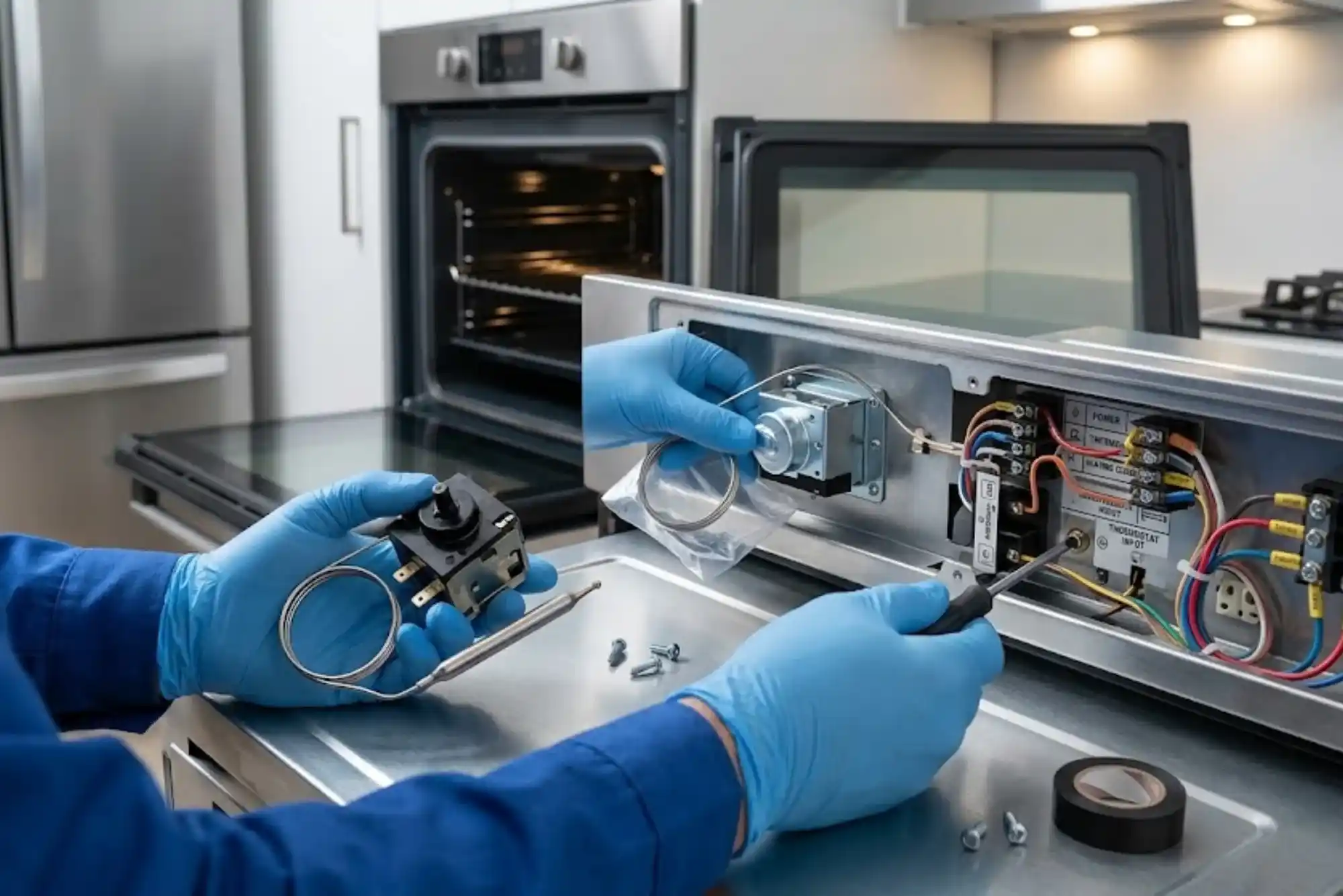
A professional technician can test the thermocouple using specialized tools to check its voltage output. If it’s defective, replacing it is usually the best option. In some cases, the problem may be with the gas regulator or control valve that manages the fuel supply to the pilot light. Replacing these parts requires technical expertise and should always be handled by certified stove repair specialists to ensure proper installation and safety compliance.
Importance of Professional Stove Repair
While some minor maintenance tasks can be done at home, persistent pilot light problems demand professional intervention. A trained technician can inspect your stove thoroughly, identify the root cause, and ensure that all gas connections are secure. Attempting to fix gas-related components without proper tools or knowledge can lead to dangerous gas leaks or fire hazards.
Professional stove repair services not only resolve the immediate issue but also extend the lifespan of your appliance. Experts use diagnostic equipment to check for hidden faults and clean internal parts that are often inaccessible to homeowners. Regular maintenance from a qualified technician helps improve efficiency, reduce energy consumption, and prevent sudden breakdowns.
How to Prevent Future Pilot Light Problems
Prevention is always better than repair. Keeping your stove clean is one of the simplest ways to avoid pilot light issues. Dust, grease, and food residue can accumulate around the pilot assembly, affecting flame quality. Regular cleaning using a soft brush or vacuum attachment helps maintain proper airflow and combustion.
Also, ensure adequate ventilation in your kitchen to prevent drafts from extinguishing the flame. Avoid placing fans or air conditioners directly facing your stove. Scheduling annual inspections with a professional stove repair company can also prevent small issues from escalating into expensive repairs. During these visits, technicians check gas lines, safety valves, burners, and ignition systems to ensure everything is working efficiently.
Safety Tips When Dealing with Gas Appliances
Gas appliances must be handled with care. If you smell gas or suspect a leak, turn off the stove immediately and open windows to ventilate the area. Never attempt to relight the pilot until you’re sure the gas smell has cleared completely. Avoid using electrical switches or open flames in such situations, as even a small spark can ignite the gas.
It’s also wise to install a carbon monoxide detector near your kitchen. A malfunctioning stove can produce harmful gases that are invisible and odorless but highly dangerous. Regular stove maintenance and professional repairs are the best defense against these risks, ensuring your appliance runs safely and efficiently.
The Long-Term Benefits of Timely Stove Repair
Timely repair and maintenance of your stove not only ensure uninterrupted performance but also help reduce utility costs. A properly functioning pilot light ensures efficient gas combustion, which in turn lowers energy consumption. Moreover, when your stove operates smoothly, it reduces wear on other internal parts, preventing frequent breakdowns.
Professional stove repair services can also identify early signs of corrosion, leakage, or component wear that may go unnoticed. Fixing these problems early prevents costly replacements and enhances overall kitchen safety. Maintaining your stove in top condition provides peace of mind, knowing that your cooking environment is safe and dependable.
When to Call a Professional Technician
If your stove’s pilot light refuses to stay on even after cleaning or adjusting, it’s time to call an expert. Professional technicians have the experience and tools to handle complex issues like faulty thermocouples, gas valve replacements, or regulator adjustments. They can also test for proper gas pressure and ventilation, ensuring that your stove operates within safety standards.
A reliable stove repair service will inspect every part of the appliance, from the burner assembly to the ignition system, providing a complete and lasting solution. With professional attention, your stove will not only work efficiently but also remain safe for everyday use.
A stove pilot light that won’t stay on is a frustrating yet common issue that should never be ignored. It often points to problems within the gas system or safety components, which can become hazardous if left unresolved. While minor cleaning may temporarily fix the problem, long-term reliability requires the expertise of a professional stove repair technician. Regular maintenance, proper cleaning, and timely repairs ensure your appliance remains efficient, safe, and ready for all your cooking needs.