A refrigerator is one of the most important appliances in every household. It keeps food fresh, beverages cool, and frozen items preserved. When you suddenly realize that your fridge doesn’t freeze at all, it becomes a major inconvenience that disrupts your daily life. The issue may appear simple at first, but behind a non-freezing fridge lies a complex system of mechanical, electrical, and temperature-control functions that must work perfectly together. Understanding why this problem occurs and how to handle it effectively is crucial for saving both your appliance and your stored food.
A refrigerator is designed with precision engineering to maintain specific temperatures across different compartments. The freezer section should ideally stay below zero degrees Celsius to keep ice solid and food items frozen for longer periods. When this function fails, you not only face food spoilage but also risk long-term damage to the compressor and other internal parts. Therefore, knowing what causes a fridge to stop freezing and how professional repair services can fix it is essential for every homeowner.
How the Freezing System Works
To understand why your fridge doesn’t freeze at all, you must first know how its freezing system functions. Every modern refrigerator uses a refrigerant gas that circulates through coils and absorbs heat from inside the compartments. This gas then releases the absorbed heat outside through condenser coils, creating a cooling cycle that lowers the temperature inside. The compressor acts as the heart of this system, constantly compressing and pushing the refrigerant through the circuit. The evaporator fan then distributes the cold air evenly throughout the freezer and fridge sections.
When any component in this cycle fails to perform correctly, the overall cooling efficiency drops. The compressor may stop running, the coils may get clogged with dust, or the thermostat might fail to detect the right temperature. In many cases, multiple small issues combine to prevent the refrigerator from freezing altogether.
Common Reasons Why a Fridge Doesn’t Freeze at All
There are several reasons why a fridge might completely lose its freezing ability. One of the most common is compressor failure. The compressor is the central unit responsible for circulating refrigerant and maintaining pressure within the cooling system. When the compressor becomes faulty, it cannot push the refrigerant through the coils, resulting in no cooling or freezing effect. Sometimes, you might hear the compressor making clicking or humming sounds before it stops entirely. Once the compressor fails, the fridge may still have power but will no longer cool or freeze properly.
Another possible cause is the accumulation of dust or grease on the condenser coils. These coils are located at the back or bottom of the refrigerator and are responsible for releasing heat. When they become covered with debris, the heat exchange process slows down significantly. This makes it difficult for the fridge to maintain a cold environment, and eventually, the freezer stops freezing altogether. Regular cleaning of condenser coils can prevent this problem, but many homeowners overlook this simple maintenance step.

A faulty evaporator fan motor can also lead to the same issue. The evaporator fan helps circulate cold air from the freezer throughout the refrigerator. When it stops working, the cold air remains trapped in one area, and the freezer temperature begins to rise. As a result, the fridge no longer maintains its freezing capacity, and food begins to thaw. This problem is often accompanied by strange noises or complete silence inside the freezer, which indicates that the fan blades are not spinning.
The defrost system is another critical component that ensures smooth performance. Modern refrigerators come with an automatic defrost system that prevents frost buildup on the coils. When this system fails, ice starts accumulating around the evaporator coils, blocking the flow of cold air. Eventually, the fridge temperature increases, and the freezer stops freezing entirely. Defrost system failures usually involve malfunctioning heaters, timers, or thermostats that need expert replacement.
Low refrigerant levels are also a significant cause of a fridge not freezing. The refrigerant is the chemical responsible for cooling, and when there’s a leak or insufficient gas in the system, the entire cooling process collapses. Refrigerant leaks are dangerous because they involve chemicals that should only be handled by licensed professionals. If your fridge doesn’t freeze and you suspect a leak, it’s crucial to contact a certified technician immediately rather than attempting any repair yourself.
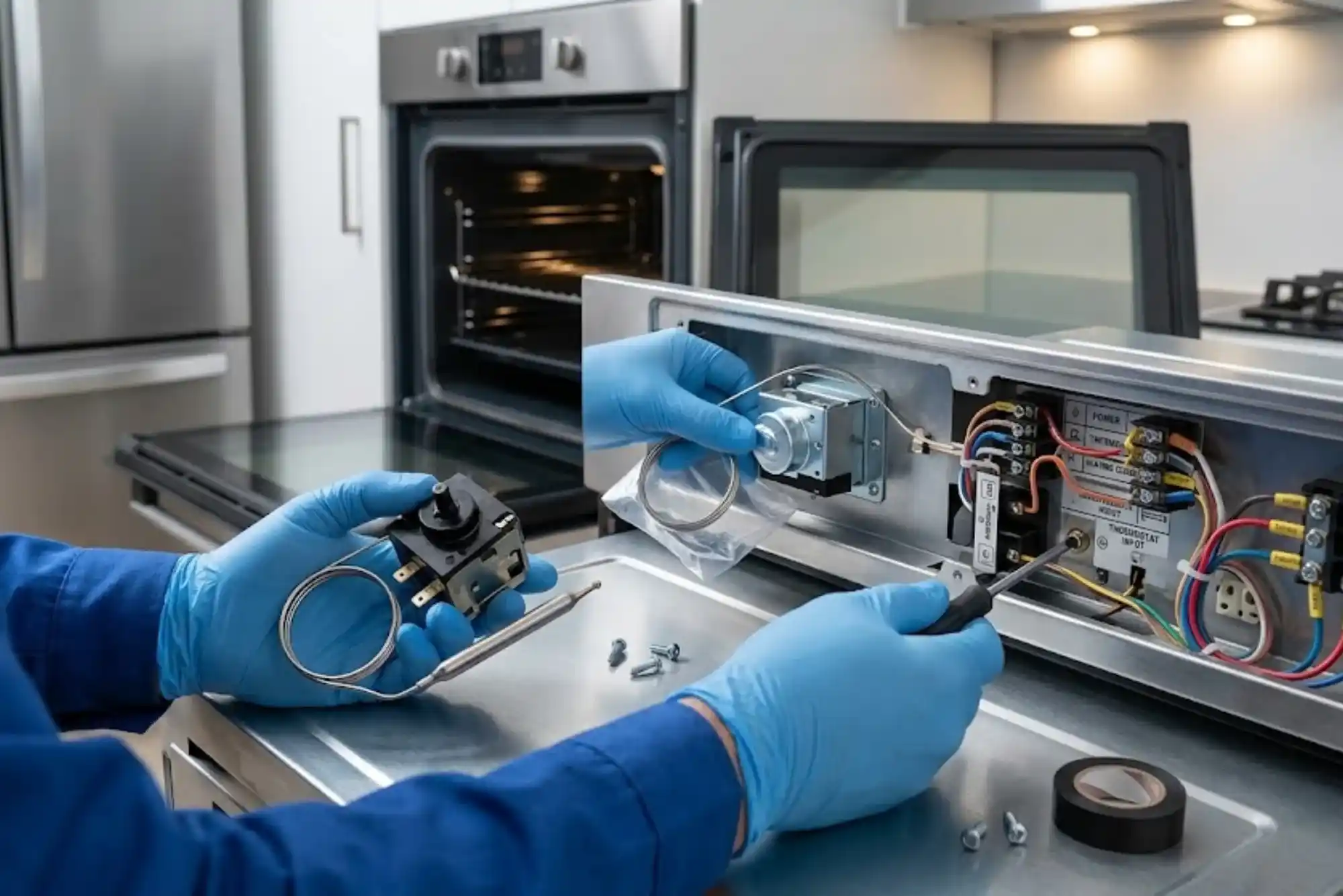
Temperature control issues are another possible reason. The thermostat regulates when the compressor should start or stop based on internal temperature readings. If the thermostat is defective, it may fail to signal the compressor to run even when the temperature inside is too high. In some cases, a simple adjustment can resolve the problem, but if the component itself is damaged, replacement becomes necessary.
A malfunctioning start relay can also lead to a similar issue. The start relay is a small part that helps the compressor start operating. When it fails, the compressor remains inactive, preventing the fridge from cooling. This issue can usually be diagnosed by a technician through resistance testing and can be fixed by replacing the relay.
The door gasket also plays an important role in maintaining freezing temperatures. A damaged or loose gasket allows warm air to enter the refrigerator and cold air to escape. This makes it nearly impossible for the fridge to stay cold enough for freezing. Over time, this issue can increase the workload on the compressor, leading to further damage. Inspecting and replacing worn door seals is one of the simplest yet most effective solutions to maintain efficiency.
Airflow blockage is another problem that often goes unnoticed. When food items are packed too tightly inside the freezer, air vents become blocked, and the cold air cannot circulate properly. This reduces the overall cooling performance and may eventually stop the freezer from functioning entirely. Maintaining sufficient space for air circulation helps keep the appliance running efficiently.
Lastly, electronic control board malfunctions are becoming increasingly common in modern refrigerators. The control board manages all internal functions, including the compressor, fans, and defrost cycles. If it fails, multiple components stop working at once, and the fridge loses its freezing ability. Diagnosing this issue requires technical expertise and advanced diagnostic tools, making it a job best left to professionals.
Diagnosing the Problem
When you discover that your fridge doesn’t freeze at all, the first step is to remain calm and methodical. Begin by checking whether the appliance is properly plugged in and receiving power. Sometimes, a tripped breaker or faulty outlet could be the real culprit. If power supply is fine, check the temperature settings on the control panel. Ensure they haven’t been accidentally adjusted to higher temperatures. You should also listen carefully for sounds coming from the compressor or fan motors, as these can provide valuable clues about which component has failed.
If you notice no sound or cooling, the issue is likely related to the compressor, thermostat, or control board. On the other hand, if the fridge is running but still not freezing, the cause could be dirty coils, blocked vents, or a refrigerant leak. While it may be tempting to open up the panels and attempt repairs yourself, refrigerators contain high-voltage electrical parts and pressurized gas lines that require professional handling.
Importance of Professional Repair Services
A refrigerator that fails to freeze is not just an inconvenience; it’s a sign that your appliance needs immediate attention from trained experts. Professional technicians have the knowledge, tools, and experience to identify the root cause of the issue accurately. They use diagnostic equipment to measure compressor voltage, check refrigerant pressure, and inspect circuit boards. Unlike do-it-yourself attempts, professional repairs are safe, reliable, and covered by service guarantees.
Professional repair ensures that your refrigerator regains its original freezing capacity without risking further damage. Technicians replace worn parts with genuine components, test the system thoroughly, and recalibrate the temperature settings to maintain consistent performance. This approach not only restores functionality but also improves energy efficiency, reducing your electricity bills over time.
Another key advantage of professional repair is preventive maintenance. During the inspection, technicians often identify early signs of potential problems such as weak capacitors, damaged seals, or minor gas leaks. Addressing these issues before they become major failures can save you significant repair costs in the future.
Preventing Future Freezing Problems
Prevention is always better than repair. Once your fridge is fixed, regular maintenance is the best way to ensure it continues to perform efficiently. Cleaning condenser coils every few months prevents overheating and improves airflow. Keeping the door seals clean and tightly closed helps maintain the right temperature. Avoiding overloading the compartments allows air to circulate freely inside, helping maintain uniform cooling. Setting the freezer to around minus eighteen degrees Celsius and the fridge to around four degrees provides optimal performance.
Scheduling a professional maintenance visit at least once a year can help detect hidden issues before they escalate. Technicians can check the compressor’s amperage, thermostat calibration, and refrigerant levels, ensuring your refrigerator remains in top condition. Such maintenance not only extends the appliance’s lifespan but also ensures food safety by keeping temperatures consistent.
When Replacement Might Be Necessary
Although most refrigerator issues can be repaired, there comes a time when replacement becomes more practical. If your fridge is over a decade old, consumes excessive electricity, or experiences repeated breakdowns, investing in a new model could be the wiser option. Modern refrigerators are far more energy-efficient and use eco-friendly refrigerants that are better for the environment.
A professional technician can help you assess whether repair or replacement makes more sense based on the current condition of your appliance. While repairs can restore functionality temporarily, an outdated model may continue to develop new problems over time, making replacement the more cost-effective solution in the long run.
When your fridge doesn’t freeze at all, it’s a clear indication that something has gone wrong within the cooling system. The causes can range from a simple thermostat issue to a serious compressor or refrigerant problem. Understanding how each component affects the freezing process helps you respond appropriately when your refrigerator stops performing as it should.
Acting quickly is essential to avoid food spoilage and costly damage. Cleaning coils, checking seals, and adjusting settings can sometimes resolve minor problems, but complex mechanical or electrical failures demand professional expertise. A skilled technician can diagnose the issue accurately, replace defective components, and restore your appliance to full working order.