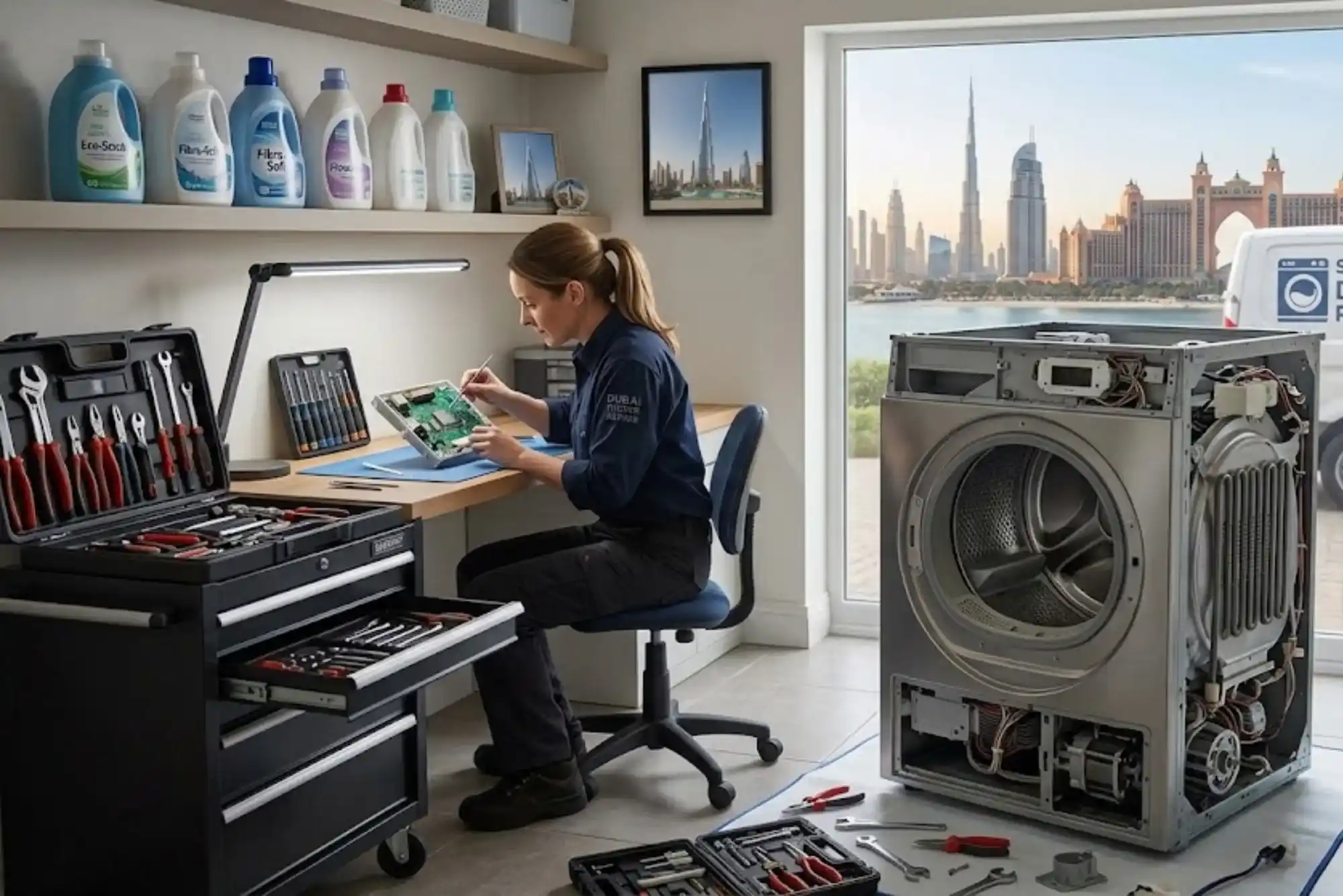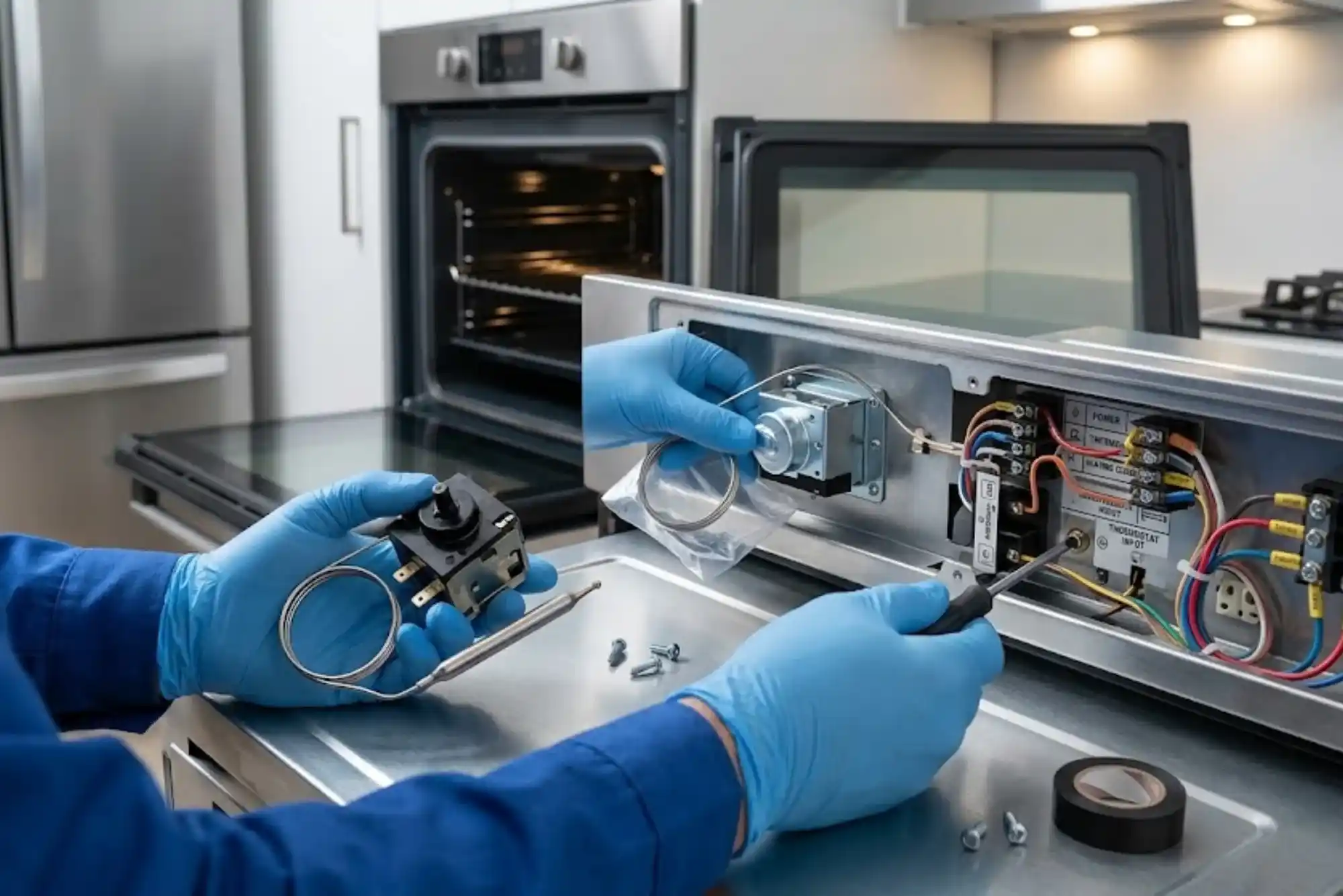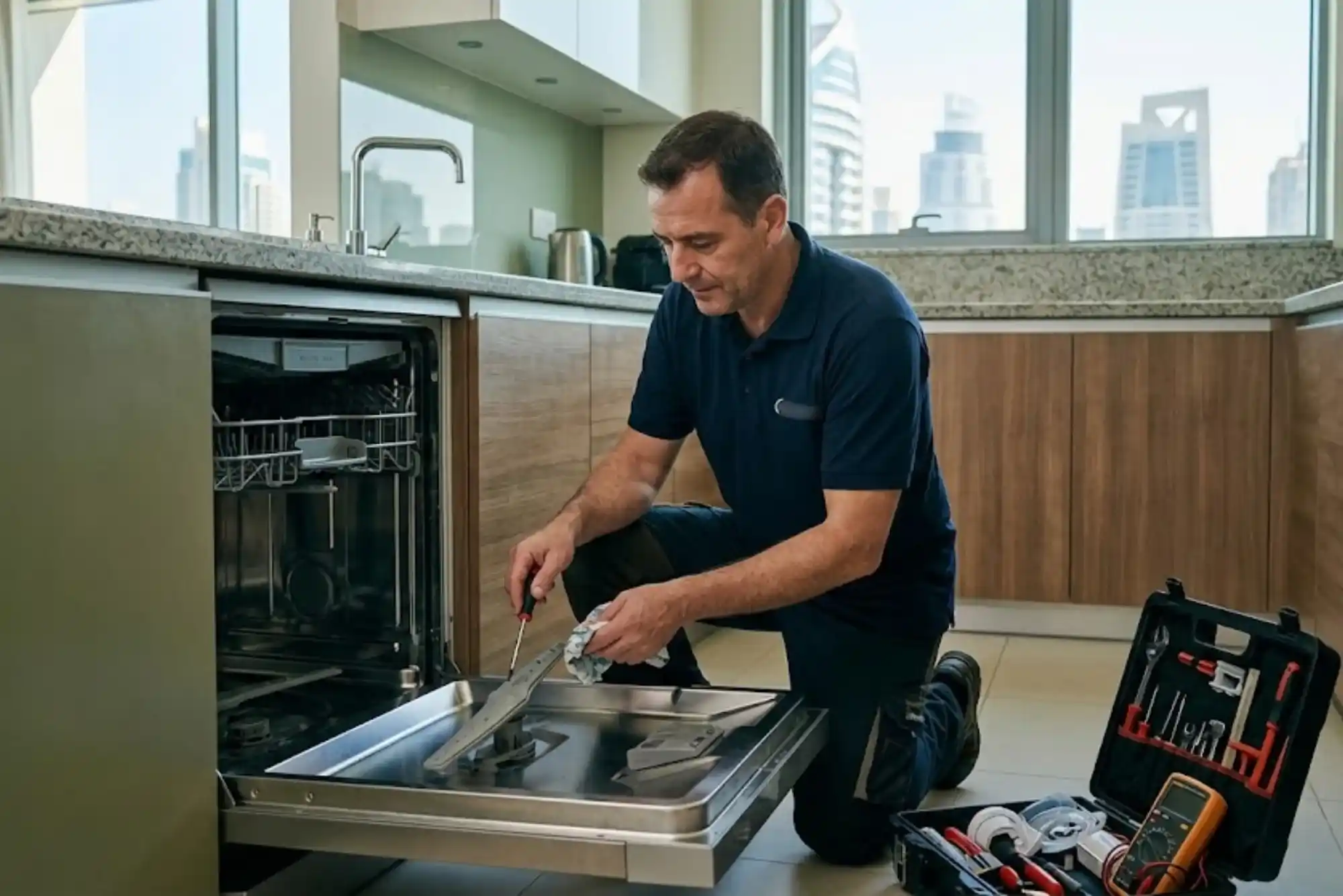
A refrigerator is one of the most essential appliances in any household, playing a critical role in preserving food, maintaining freshness, and supporting daily life. In modern homes, it runs continuously, handling hot climates, frequent door openings, and heavy storage loads. Because of this constant usage, long-term maintenance is crucial for keeping the appliance running efficiently, avoiding costly repairs, and extending its lifespan. Proper care can prevent common issues like inconsistent cooling, ice buildup, unpleasant odors, and increased energy consumption. This article explores practical approaches to refrigerator maintenance, explaining how homeowners can ensure their appliance remains reliable for years to come.
Understanding Your Refrigerator’s Components and Function
To maintain a refrigerator effectively, it is important to understand how it works. A typical refrigerator consists of a compressor, evaporator coils, condenser coils, fans, thermostats, and a door sealing system. The compressor circulates refrigerant, enabling heat exchange to keep the interior cool. The evaporator and condenser coils manage temperature control, while the thermostat monitors and regulates the cooling process. Fans help distribute cold air evenly, and door seals prevent warm air from entering. Neglecting any of these components can lead to reduced efficiency, increased electricity bills, or sudden breakdowns. By monitoring and maintaining each part carefully, homeowners can avoid unnecessary replacements and repair costs.
Keeping the Interior Clean and Organized
The interior cleanliness of a refrigerator significantly affects its performance. Over time, food particles, spills, and moisture can accumulate, creating an environment for bacteria and mold to grow. Regularly cleaning shelves, drawers, and door compartments prevents contamination and ensures optimal airflow. Additionally, arranging food items properly avoids blocking vents and helps cold air circulate evenly throughout the refrigerator. Even though cleaning may seem simple, it plays a critical role in long-term maintenance, reducing the risk of odors, uneven cooling, and premature wear on components.
Monitoring Temperature Settings
Maintaining the correct temperature is essential for both food safety and appliance efficiency. Most refrigerators operate best between 37 and 40 degrees Fahrenheit for the fresh food compartment and 0 degrees Fahrenheit for the freezer. Setting the temperature too low can cause freezing of fresh items, excessive frost buildup, and unnecessary compressor strain. On the other hand, higher temperatures may result in spoilage and bacterial growth. Regularly checking and adjusting the thermostat ensures consistent performance and reduces energy consumption, which is particularly important in areas with hot climates or fluctuating power supply.
Maintaining Door Seals and Hinges
The refrigerator door seals, or gaskets, play a crucial role in maintaining cold air inside. Damaged or misaligned seals allow warm air to enter, forcing the compressor to work harder and increasing electricity usage. Inspecting door seals periodically and cleaning them with a damp cloth prevents debris from compromising the seal. Additionally, lubricating hinges and ensuring doors close properly prevents uneven wear, maintaining efficiency and extending the overall lifespan of the appliance.
Cleaning Condenser and Evaporator Coils
The condenser and evaporator coils are responsible for heat exchange and cooling efficiency. Dust, dirt, and pet hair can accumulate on the condenser coils, reducing their ability to release heat and forcing the compressor to overwork. Cleaning coils regularly, either by gently vacuuming or wiping with a soft cloth, ensures efficient cooling. Evaporator coils inside the freezer should also be monitored for frost accumulation, which can interfere with airflow. Keeping these components clean is a key step in preventing energy waste and potential system failure.

Managing Frost and Ice Buildup
Ice accumulation in the freezer compartment can affect overall performance and reduce storage space. Modern refrigerators often have automatic defrost systems, but in older models, manual defrosting is necessary. Allowing frost to build up can hinder the movement of air and place additional stress on the compressor, potentially leading to breakdowns. Regularly checking the freezer and performing controlled defrosting when needed ensures the appliance operates efficiently and prevents long-term damage.
Avoiding Overloading the Refrigerator
Overloading the refrigerator or freezer can restrict airflow, causing uneven cooling and forcing the appliance to work harder. It is important to balance storage, avoid blocking vents, and distribute items evenly. While it may be tempting to fill every available space, maintaining proper airflow ensures the cooling system functions optimally, reduces wear and tear on the compressor, and prolongs the appliance’s life.
Ensuring Proper Ventilation Around the Refrigerator
Refrigerators require sufficient space around them for air circulation, particularly near the condenser coils at the back or underneath. Poor ventilation can cause overheating, increase energy consumption, and reduce cooling efficiency. Keeping a gap of a few inches between the refrigerator and surrounding walls, avoiding placing it in direct sunlight, and ensuring adequate airflow around the back allows the appliance to operate at its best. In hot climates, this step is especially important for maintaining long-term performance.
Regular Professional Inspections
While regular cleaning and monitoring help maintain the refrigerator, periodic professional inspections are essential for detecting early signs of malfunction. Trained technicians can check refrigerant levels, electrical connections, compressor performance, and other critical components. Timely intervention prevents small issues from developing into costly repairs. Engaging professional services for routine maintenance ensures that the refrigerator operates efficiently, even under heavy usage conditions.
Energy Efficiency Considerations
A well-maintained refrigerator consumes less electricity and reduces household energy bills. Components such as clean coils, functioning fans, tight door seals, and correctly set temperatures all contribute to energy efficiency. Monitoring usage and addressing minor issues early enhances the appliance’s performance and promotes long-term sustainability. By investing in preventive maintenance, homeowners enjoy reliable cooling while minimizing environmental impact and operational costs.
Handling Spills and Unpleasant Odors
Spills, leftovers, and expired food can lead to unpleasant odors, which may permeate other stored items. Cleaning spills promptly and using natural deodorizing methods, such as placing an open box of baking soda, helps maintain freshness. Addressing odors early also prevents mold growth, which can damage interior surfaces and compromise food safety. Regular attention to cleanliness and hygiene supports long-term appliance performance and user satisfaction.
Preparing the Refrigerator During Power Outages or Moving
In areas prone to power fluctuations or during relocation, proper precautions can prevent long-term damage. During power outages, minimizing door openings and maintaining a steady internal temperature reduces strain on the appliance. When moving, securing doors, draining water lines, and keeping the refrigerator upright prevents mechanical and cooling system issues. These steps are part of thoughtful maintenance practices that protect both efficiency and durability.
Preventing Wear on Electrical Components
Electrical issues, such as faulty wiring or overloaded circuits, can damage refrigerator components. Ensuring the appliance is plugged into a stable power supply, using surge protectors, and avoiding frequent unplugging can prevent premature failure. Professional technicians may also perform inspections to verify electrical safety, reducing the risk of malfunction and extending the life of the appliance.
Long-Term Benefits of Consistent Maintenance
Consistent attention to all aspects of refrigerator maintenance ensures reliability, energy efficiency, and food safety. Appliances that receive regular care operate longer, require fewer repairs, and provide optimal cooling performance. For families and businesses alike, this translates to savings on electricity, fewer replacement costs, and peace of mind knowing that the refrigerator remains dependable.
Conclusion
Long-term maintenance of a refrigerator is an ongoing process that requires attention to cleaning, temperature control, airflow, component condition, and professional inspections. By understanding the appliance’s function, monitoring performance, addressing small issues promptly, and ensuring proper usage, homeowners can extend the life of their refrigerator and avoid unnecessary expenses. Consistent care preserves energy efficiency, prevents food spoilage, and ensures reliable operation for years. A commitment to thoughtful maintenance is the key to safeguarding one of the most essential appliances in any household or business environment.