A refrigerator is one of the most essential appliances in every home, keeping food fresh and preserving ingredients for longer periods. When a refrigerator stops cooling properly, it can disrupt daily routines and even cause food spoilage. Understanding the possible causes and troubleshooting methods is crucial to maintaining the efficiency of this important appliance. A structured approach to diagnosing the problem helps prevent unnecessary repairs and ensures that the refrigerator continues to operate optimally.
Refrigerators are complex machines that combine electrical, mechanical, and cooling systems to maintain precise temperatures. When one part of the system fails, it can affect the overall performance. Homeowners often overlook minor signs of malfunction, which can lead to bigger problems over time. In Dubai and other regions with hot climates, refrigerators are subjected to constant use and higher ambient temperatures, which can increase the likelihood of malfunctions. Timely troubleshooting can save both time and money while ensuring the appliance operates efficiently.
Common Causes of Refrigerator Not Cooling
There are several reasons why a refrigerator may not be cooling as expected. One frequent cause is an obstruction in the airflow within the fridge. Blocked vents or excessive items stored in the fridge can prevent cold air from circulating properly, causing certain sections to remain warm. Another potential issue is a malfunctioning thermostat. The thermostat regulates temperature levels, and any faults can prevent the appliance from reaching the desired cooling levels. Electrical issues, such as faulty wiring or blown fuses, can also disrupt the system and stop the compressor from functioning correctly.
In addition, the condenser coils play a vital role in heat exchange. If these coils accumulate dust, dirt, or grease, the heat cannot dissipate efficiently, forcing the refrigerator to work harder while still failing to cool. Refrigerants, the chemicals responsible for cooling, may leak over time due to wear or physical damage. Without adequate refrigerant, the cooling process is compromised, and no matter how long the appliance runs, it will fail to reach the proper temperature. Recognizing these underlying causes is the first step in troubleshooting.
Understanding the Refrigerator Components
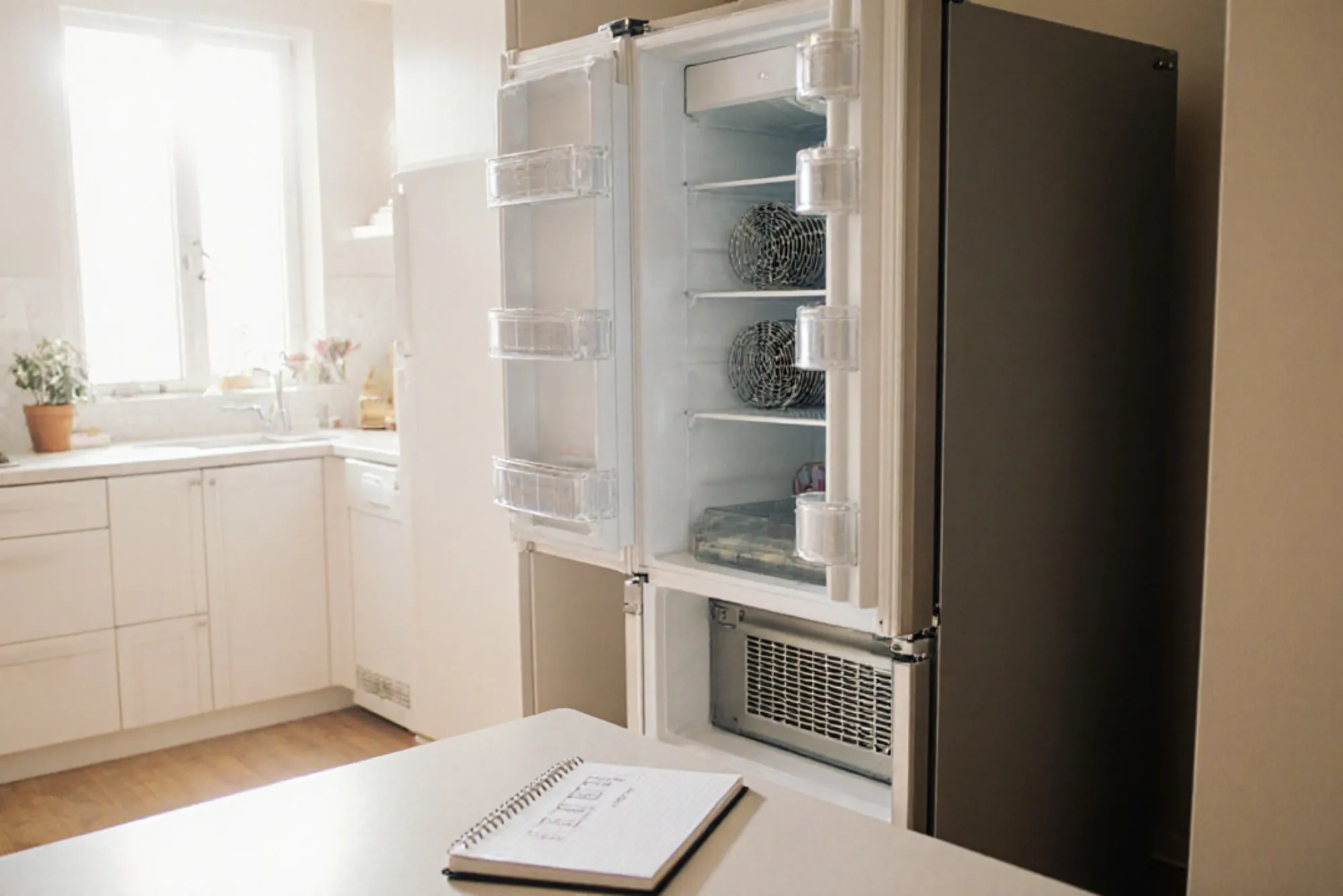
To effectively troubleshoot cooling problems, it is helpful to understand the main components of a refrigerator. The compressor acts as the heart of the cooling system, circulating refrigerant throughout the coils. If the compressor fails or operates intermittently, the refrigerator will not maintain the correct temperature. The condenser coils release heat from the refrigerant to the surrounding environment. If these coils are dirty or damaged, heat cannot escape, reducing cooling efficiency.
The evaporator coil absorbs heat from inside the refrigerator and freezer compartments. Frost or ice buildup around this coil can block proper cooling. The fans within the appliance ensure that cold air circulates evenly across compartments. Any obstruction or failure of these fans will result in uneven cooling, with certain areas remaining warm. Finally, the thermostat and control board manage temperature regulation. A faulty control board can miscommunicate with other components, creating problems even if all mechanical parts are functioning properly. Understanding these systems helps homeowners identify the exact point of failure.

Troubleshooting Steps for Homeowners
When a refrigerator is not cooling, there are several steps that can be taken to identify and sometimes resolve the problem before calling a professional. Start by checking the temperature settings to ensure the appliance is set correctly. Sometimes accidental adjustments can prevent the refrigerator from reaching the desired cooling levels. Next, examine the door seals. Worn or damaged seals allow warm air to enter, which affects internal temperatures. Cleaning the seals and ensuring they close properly can restore proper cooling.
Inspect the condenser coils for dust and dirt buildup. If necessary, turn off the refrigerator and clean the coils carefully. A vacuum or soft brush can remove accumulated debris without damaging the coils. Check the interior of the refrigerator for airflow obstructions, ensuring that vents are not blocked by containers or food items. Finally, listen for unusual sounds from the compressor or fans, which may indicate mechanical issues. If basic troubleshooting does not resolve the problem, professional assessment is recommended to handle more complex electrical or refrigerant-related issues.
The Role of Refrigerant in Cooling
Refrigerant is the chemical substance responsible for absorbing heat from the interior of the refrigerator and releasing it outside. A leak or depletion of refrigerant directly affects cooling efficiency. Signs of low refrigerant include unusually warm temperatures, frost buildup, or hissing noises from the coils. Refrigerant handling requires professional tools and expertise because it involves pressurized chemicals and environmental regulations. Attempting to refill or repair refrigerant systems without experience can be dangerous and may damage the appliance further,Refrigerator Not Cooling Troubleshooting Guide. Consulting a certified service provider ensures that refrigerant issues are addressed safely and effectively.
Electrical Issues Affecting Cooling
Many cooling problems stem from electrical failures. A malfunctioning thermostat may fail to signal the compressor to start, while faulty wiring or a blown fuse can interrupt the power supply. Modern refrigerators have electronic control boards that manage the appliance’s functions. Damage to these boards can create inconsistent cooling even if all mechanical components are in good condition. Checking the power supply, inspecting fuses, and listening for compressor activity are simple ways to identify electrical issues before seeking professional repair.
The Impact of Overloading and Usage Patterns
Refrigerators are designed to operate efficiently under normal usage conditions. Overloading the appliance with food or obstructing airflow can reduce cooling efficiency. Placing hot items directly into the fridge increases internal temperatures, forcing the compressor to work harder and sometimes fail to maintain a stable environment. Frequent opening of doors in hot climates also introduces warm air and reduces cooling performance. Adjusting usage patterns can help maintain proper temperatures and extend the lifespan of the appliance.
When to Call Professional Services
While some troubleshooting steps can be performed at home, professional intervention is often necessary when mechanical or refrigerant issues are suspected. Certified technicians have the knowledge and tools to diagnose compressor problems, electrical faults, and refrigerant leaks accurately. Attempting complex repairs without expertise can be dangerous and lead to further damage. Engaging a professional service ensures that the appliance is repaired safely, efficiently, and in compliance with warranty or safety standards.
Preventive Measures for Long-Term Efficiency
Maintaining proper cooling requires regular attention to the appliance. Cleaning condenser coils, inspecting door seals, and checking for airflow obstructions are essential preventive steps. Scheduling routine maintenance with a professional service provider helps detect minor issues before they escalate into major repairs. Preventive care ensures energy efficiency, reduces the risk of food spoilage, and prolongs the life of the refrigerator. Educating family members on proper usage also contributes to maintaining optimal performance.
Understanding Dubai’s Climate Influence
Dubai’s high ambient temperatures place additional stress on refrigeration systems. Appliances work harder to maintain desired temperatures, which can accelerate wear and tear. Dust and sand accumulation from the environment can affect condenser coils and fans. Being aware of these local conditions helps homeowners understand why timely maintenance and professional troubleshooting are essential. Using a certified service ensures that climate-related challenges are addressed effectively, keeping the refrigerator functioning efficiently throughout the year.
Benefits of Professional Refrigerator Troubleshooting
Professional troubleshooting goes beyond simple diagnosis. Technicians not only identify the root cause of cooling problems but also provide long-term solutions to prevent recurrence. They ensure that all components, from the compressor to the evaporator coil, are functioning properly. This approach reduces energy consumption, avoids repeated breakdowns, and ensures the appliance operates safely. Investing in professional services provides peace of mind and guarantees that repairs are carried out with precision.
Conclusion
A refrigerator that is not cooling properly can significantly disrupt daily life. By understanding common causes, recognizing warning signs, and performing basic troubleshooting, homeowners can address minor issues early. However, complex problems related to compressors, refrigerants, or electrical components require professional intervention. Preventive maintenance and regular professional inspections help maintain efficiency and extend the appliance’s lifespan. Timely and informed troubleshooting ensures that a refrigerator continues to perform reliably, keeping food safe and household routines uninterrupted.