A stove is the heart of every kitchen, providing the essential heat for cooking daily meals. When a stove burner fails to ignite, it can disrupt meal preparation, cause inconvenience, and even raise safety concerns. Both gas and electric stoves can experience this issue, and knowing how to address it efficiently is crucial for homeowners. Understanding the reasons behind a stove burner not igniting, following proper repair techniques, and adopting preventive measures can restore your stove’s performance and prevent future problems. This guide explores all these aspects in detail, helping you confidently tackle burner ignition issues.
Understanding the Problem: Why Burners Fail to Ignite
A stove burner not igniting can occur for multiple reasons. Gas stoves rely on a spark or pilot light to ignite gas, while electric stoves depend on electrical current heating the coils. In either case, any interruption in this process can prevent the burner from functioning.
In gas stoves, the gas flow must be uninterrupted, and the igniter must generate a spark at the right moment. Any blockage, malfunction, or failure in the ignition system can result in a burner that refuses to light. In electric stoves, a broken heating element, faulty wiring, or damaged socket can prevent electricity from reaching the burner. Identifying the underlying cause is the first and most important step in performing a successful stove burner not igniting fix.
Common Causes of a Stove Burner Not Igniting
There are several common reasons why a stove burner may fail to ignite. One of the most frequent causes in gas stoves is clogged or dirty burners. Food spills, grease, and residue can block gas outlets, making ignition impossible. Similarly, a faulty ignition switch or spark module can prevent a gas stove from lighting. This switch controls the spark, and any defect in the component may result in a non-igniting burner.
Gas supply issues, such as closed valves, low pressure, or blocked lines, also prevent ignition. On electric stoves, worn-out heating elements or damaged electrical connections are primary culprits. Corrosion in the socket or loose wires can also stop the burner from heating. Understanding these causes allows homeowners to implement the correct solution and successfully perform a stove burner not igniting fix.
Safety Precautions Before Repair
Safety is paramount when attempting any repair on a stove. For gas stoves, always turn off the gas supply to prevent leaks or accidental ignition. Ensure the kitchen is well-ventilated and avoid repairing a stove if you smell strong gas, as this may indicate a leak.

Electric stoves require unplugging the appliance before attempting any repair. Touching an electric burner while it is live can result in severe shocks or burns. Always wait for burners to cool completely before handling, and wearing protective gloves can prevent injuries. Following these precautions creates a safe environment for troubleshooting and repair.
Troubleshooting a Gas Stove Burner
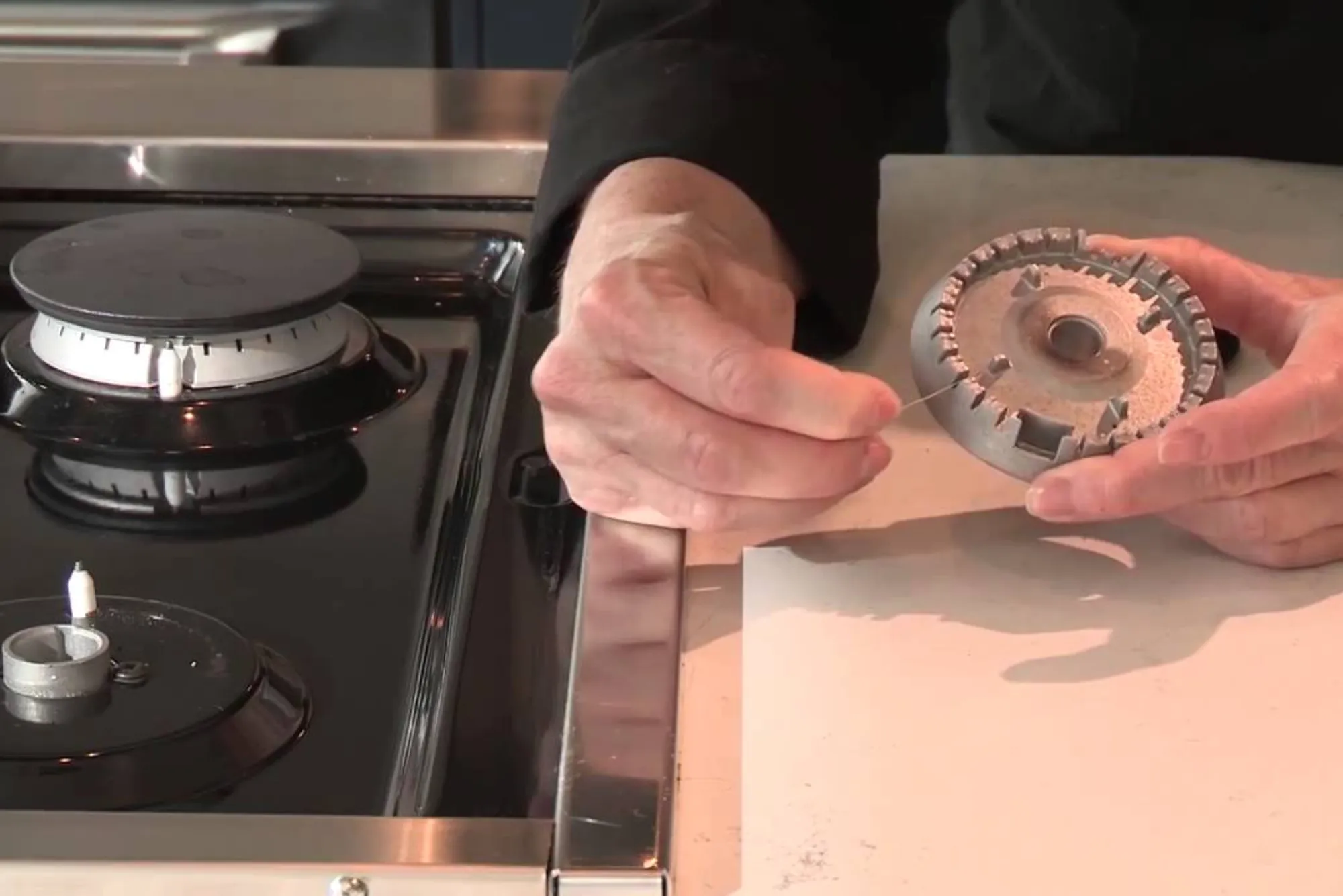
Fixing a gas stove burner involves a systematic approach. Start by inspecting the burner for visible dirt, debris, or residue. Removing the burner cap and cleaning it thoroughly ensures gas can flow freely. Small openings where gas exits are often obstructed by food spills, and using a soft brush or pin can help clear these passages.
The ignition system should be checked next. Gas burners rely on a spark to ignite the gas, and dirt or corrosion on the igniter may prevent it from functioning. Cleaning the igniter carefully or replacing a damaged one can restore proper ignition. Finally, ensure the gas supply is open and the pressure is adequate. Without sufficient gas, even a fully functional igniter will not light the burner. By following these steps, homeowners can perform an effective stove burner not igniting fix.
Electric Stove Burner Troubleshooting
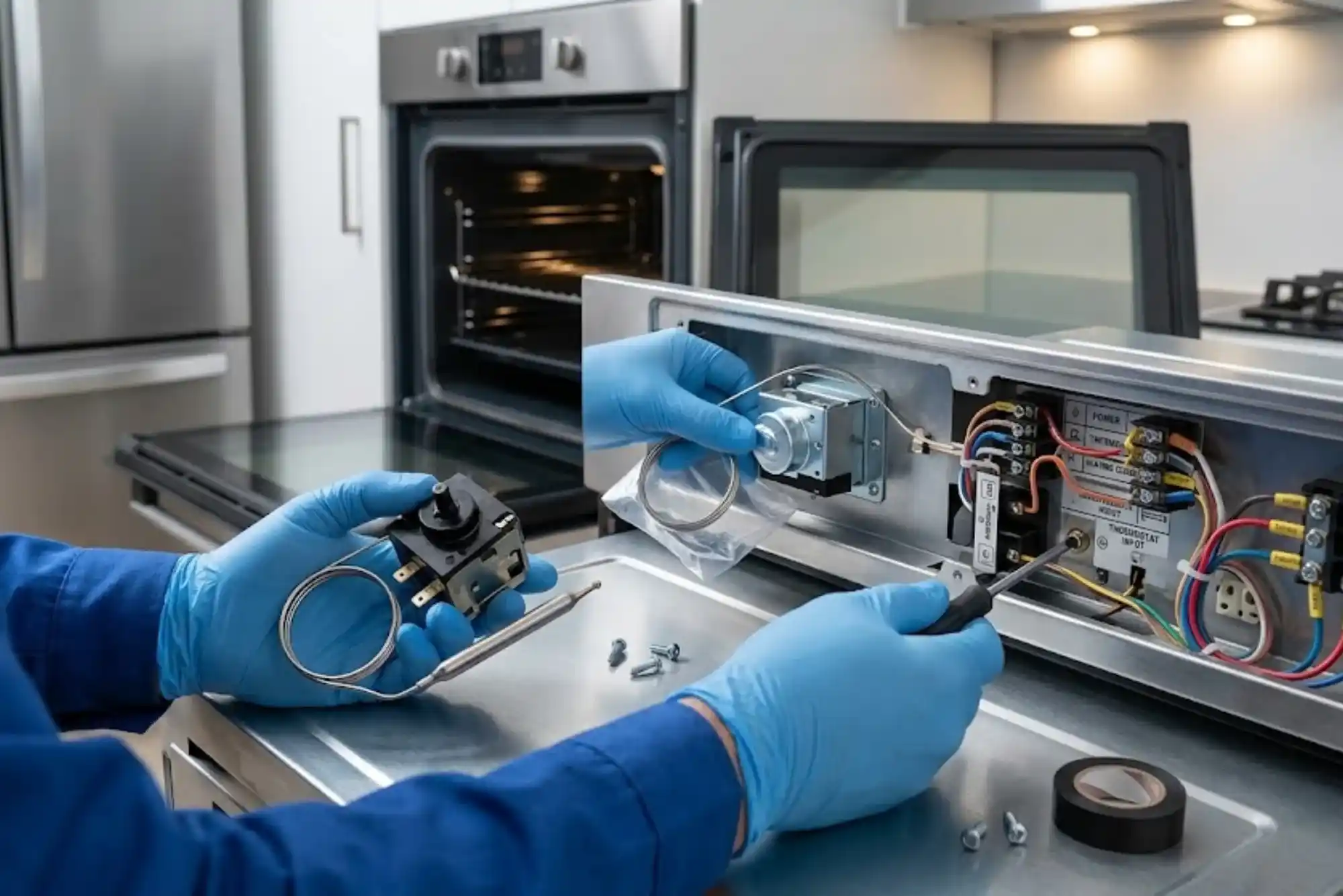
Electric stoves require different repair techniques. Begin by inspecting the heating element for visible damage such as cracks, burns, or discoloration. A damaged coil must be replaced with a compatible element to restore proper function.
Next, examine the socket where the burner connects. Corrosion or loose electrical connections can prevent the burner from heating. Ensure the burner sits correctly in the socket and that all contacts are clean. Using a multimeter to test for electrical continuity can confirm if the element is receiving power. Addressing these issues systematically ensures a successful stove burner not igniting fix on electric stoves.
Diagnosing Deeper Issues
Sometimes, persistent burner ignition problems point to underlying issues that require professional attention. In gas stoves, the problem may stem from a faulty regulator, a blocked gas line, or a malfunctioning control module. For electric stoves, wiring issues, defective switches, or control board malfunctions can cause repeated ignition failures. Diagnosing these problems often requires specialized tools and expertise. Identifying and resolving deeper issues ensures a long-lasting stove burner not igniting fix and prevents recurring malfunctions.
Step-by-Step Stove Burner Not Igniting Fix
A structured approach is essential for effective repair. Start by ensuring safety: turn off the gas supply or unplug the stove. Remove the burner to inspect for dirt, grease, or damage. Clean the burner thoroughly, paying attention to gas ports and ignition points.
Check the ignition system for functionality. In gas stoves, the igniter must produce a spark. If it does not, examine connections and replace faulty components if needed. In electric stoves, inspect the heating element and socket for damage or corrosion. Use a multimeter to ensure electricity reaches the burner. After completing these checks, restore the gas supply or reconnect electricity, and test the burner to confirm proper ignition.
Professional Help: When to Call a Technician
While many burner issues can be fixed at home, some situations require a professional. Persistent gas leaks, complex electrical failures, or recurring ignition issues should be handled by certified technicians. Attempting to repair complicated components without expertise can be dangerous and may result in further damage. Professional services ensure accurate diagnosis, safe handling, and long-lasting repair. Knowing when to call a technician is crucial for maintaining a safe and functional kitchen.
Preventive Measures to Avoid Future Ignition Problems
Preventive maintenance significantly reduces the risk of burner ignition issues. Regular cleaning of burners and ignition components prevents clogs caused by grease and food particles. Checking gas valves, supply lines, and connections ensures consistent operation. Electric stove users should inspect heating elements and sockets periodically to detect wear and corrosion early.
Minimizing spills, promptly cleaning residues, and ensuring burners are seated correctly further prevent ignition problems. These preventive measures not only reduce the need for repairs but also extend the lifespan of your stove, ensuring reliable performance over time.
Understanding the Importance of Timely Repairs
Ignoring a stove burner not igniting can lead to additional issues, including uneven cooking, wasted gas or electricity, and safety hazards. Timely repair prevents further damage and ensures optimal energy efficiency. Regular maintenance combined with prompt troubleshooting maintains a reliable kitchen environment and reduces emergency repair costs.
Tips for Maintaining Stove Performance
Beyond cleaning, adopting best practices helps maintain stove performance. Always use the correct cookware size to prevent stress on burners and elements. Avoid using excessive force when handling burners, as this can bend or break components. Monitor flame or heating behavior carefully; flickering flames, weak ignition, or inconsistent heating may indicate underlying problems.
Documenting repairs and maintenance activities helps track recurring issues and provides technicians with essential information when professional help is required. Following these tips ensures a fully functional stove for years to come.
Common Myths About Stove Burner Ignition
There are misconceptions about why burners fail to ignite. Some believe that older stoves cannot be repaired, which is untrue. Many ignition issues are caused by minor problems such as dirt, loose connections, or worn components. Others think using a higher gas flow or electricity will solve the problem, but this can be dangerous and cause further damage. Understanding the actual causes and relying on professional repair techniques ensures a safe and effective stove burner not igniting fix.
Restoring a Fully Functional Stove
A stove burner not igniting is a common but solvable problem. By understanding the causes, following safety precautions, troubleshooting systematically, and performing proper repairs, homeowners can restore their stove efficiently. Both gas and electric stoves require careful inspection, cleaning, and occasional component replacement to function optimally.