A washing machine is one of the most essential appliances in any home, making laundry easier and faster. When a washer fails to power on or behaves inconsistently, it can be more than a minor inconvenience. Understanding washer power issue diagnosis is crucial for homeowners and professional technicians alike, as it allows for effective identification of problems, safe repairs, and long-term solutions to prevent recurring issues.
Power problems in washing machines can present themselves in various ways. Some washers may not turn on at all, leaving users frustrated. Others might start intermittently, stop mid-cycle, or display flickering lights on the control panel. Each of these symptoms can provide valuable information about the underlying cause, making careful observation a critical first step in washer power issue diagnosis.
Understanding the Importance of Washer Power Issue Diagnosis
Diagnosing a washer with power problems is more than just a technical process; it is an essential aspect of appliance maintenance and household management. Washing machines are designed to handle electrical loads safely, but even the most well-built appliances are susceptible to wear and tear. When a washer fails to respond or functions unpredictably, ignoring the problem can lead to further damage to electrical components or even pose a safety hazard.
The process of washer power issue diagnosis involves identifying electrical, mechanical, or electronic faults that may prevent the washer from operating correctly. Accurate diagnosis helps avoid unnecessary replacement of parts and ensures that repairs are targeted and efficient. Whether the issue is a minor electrical disruption or a more complex failure of the control board, proper diagnostic techniques can save time, reduce costs, and extend the lifespan of the appliance.
Safety Precautions Before Starting Diagnosis
Before attempting any diagnosis, it is vital to prioritize safety. Washing machines operate using high-voltage electricity, and improper handling can result in injury or damage. Ensuring that the washer is disconnected from its power source is the first and most important precaution. Using insulated gloves and avoiding contact with water during electrical inspection further reduces the risk of accidents.
For those performing more advanced testing, using the correct tools, such as a multimeter, is essential. Multimeters allow technicians to check voltage, continuity, and current flow safely, providing accurate information about the electrical health of the washer. Without adhering to safety procedures, even a small diagnostic attempt could turn into a dangerous situation.

Common Causes of Washer Power Issues
Power problems in washing machines usually stem from a combination of electrical faults, worn components, or issues related to installation and usage. One of the most frequent causes is a disruption in the electrical supply. A washer may not turn on if the outlet it is connected to is malfunctioning or if a circuit breaker has tripped. Even when the power source appears to be fine, subtle issues in the wiring or electrical distribution in the home can affect the washer’s performance.
Another potential cause is the malfunction of safety mechanisms, such as door locks or lid switches. Modern washers are equipped with sensors that prevent operation if the door or lid is not securely closed. A defective door lock or lid switch can result in a washer that appears powerless, even though all other electrical systems are functioning correctly.
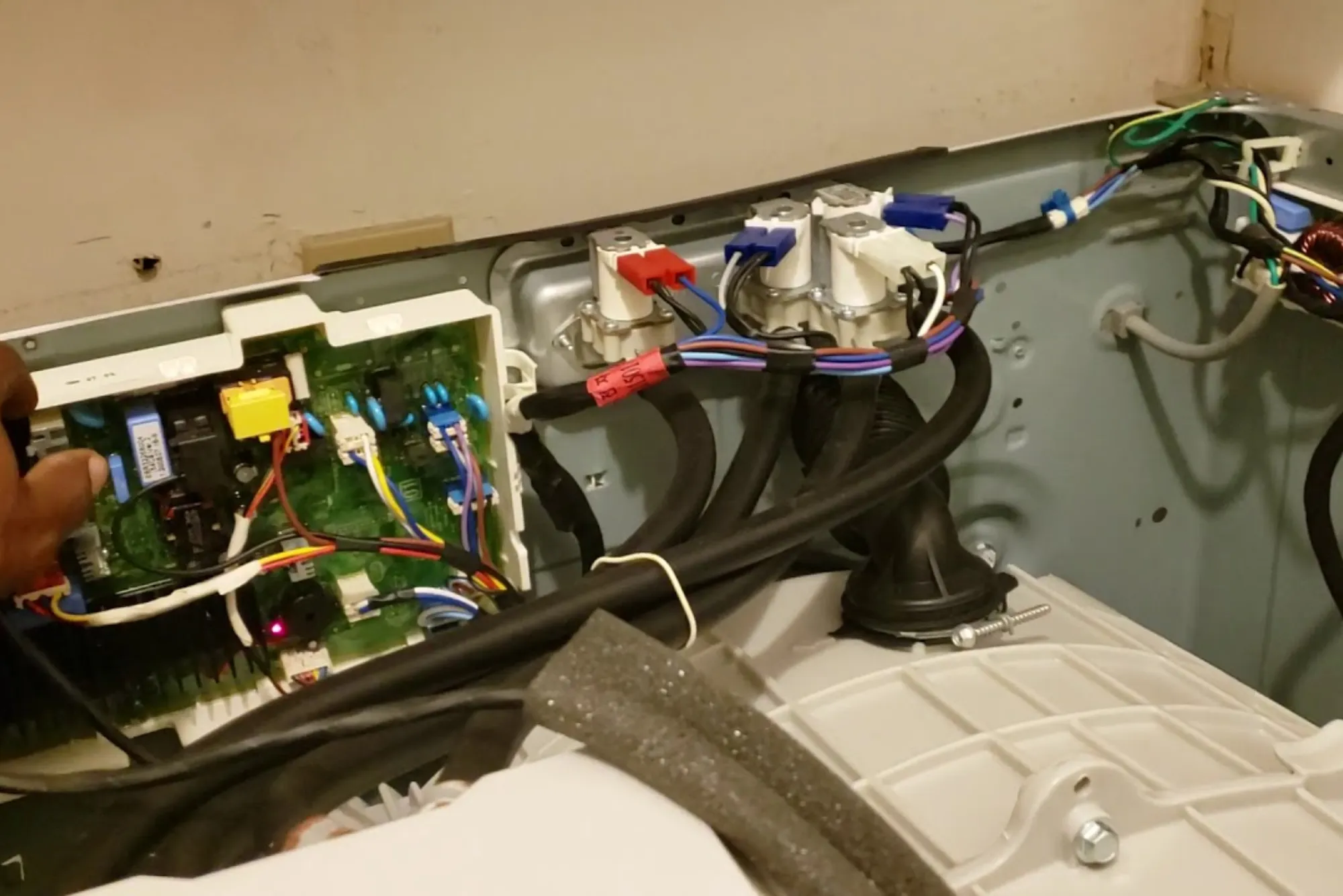
The control board, often considered the brain of the washing machine, can also contribute to power issues. A damaged control board, whether due to electrical surges, water exposure, or internal component failure, can prevent the washer from starting or completing cycles. Diagnosing control board problems requires careful inspection for burnt components, loose connections, or voltage irregularities.
Other internal components, such as fuses, capacitors, relays, or motors, may also wear out over time. These elements regulate the flow of electricity within the washer and ensure proper operation. When they fail, the washer may experience intermittent power issues or stop functioning entirely. Tracing wiring pathways and testing individual components is necessary to pinpoint the exact cause of the failure.
Step-by-Step Process for Washer Power Issue Diagnosis
The process of diagnosing washer power problems should follow a structured approach to ensure accuracy and efficiency. The first step is to verify that the washer is receiving electricity. Testing the wall outlet with a multimeter can reveal whether the problem lies with the power supply or within the washer itself. Checking the circuit breaker and ensuring it is functioning correctly is also crucial at this stage.
After confirming that power is available, the washer’s power cord and plug should be examined. Even minor damage, such as small cuts, frayed wires, or signs of overheating, can disrupt electrical flow. Any observed damage should be addressed immediately to prevent further complications.
Once the external power supply is verified, attention should shift to the washer’s safety mechanisms. The door lock or lid switch should be inspected for proper operation. Many modern washers will not start if these components fail, so confirming their functionality is a critical step in washer power issue diagnosis. Testing for continuity with a multimeter allows technicians to determine if the switch is operating correctly.
If the door lock and lid switch are functioning properly, the next focus is the control board. This component governs the washer’s entire electrical system. Visual inspection for burnt areas, corrosion, or loose connectors can reveal obvious signs of damage. Advanced diagnostic tools may also be used to check voltage outputs and ensure the board is sending power correctly to other components.
When control board problems are ruled out, internal wiring and the motor should be examined. Loose connections, burnt wires, or worn motor components can all contribute to power issues. Tracing the electrical path from the input plug to the motor and testing each component individually ensures that the root cause is identified accurately.
Advanced testing may be necessary if the problem remains unresolved. Professionals often use specialized tools to analyze voltage, continuity, and signal flow throughout the washer. These tests can detect subtle electrical issues that might not be visible during a simple visual inspection. Accurate washer power issue diagnosis requires both knowledge and precision to prevent unnecessary replacement of components.
Recognizing When Professional Help is Needed
While minor issues, such as a tripped breaker, can often be addressed by homeowners, some situations require professional intervention. A washer that does not respond to any power source, produces unusual smells or smoke, or displays repeated error codes is likely facing a complex electrical problem. Attempting to repair these issues without proper knowledge and tools can result in further damage or personal injury.
Professional technicians are equipped with specialized diagnostic equipment and possess the expertise to handle complex electrical and mechanical faults safely. They can replace damaged control boards, repair wiring issues, and ensure that the washer operates reliably. Timely professional intervention not only resolves immediate problems but also prevents future failures.
Long-Term Solutions and Maintenance
After a successful washer power issue diagnosis and repair, preventive measures are essential to maintain the washer’s performance. Regular inspection of power cords, outlets, and internal components helps detect minor issues before they escalate. Using the washer according to the manufacturer’s instructions, avoiding overloading, and ensuring a stable installation surface reduces stress on electrical and mechanical components.
Voltage surges can also damage sensitive electronic parts, so using surge protectors can protect the washer from unexpected electrical spikes. Routine maintenance, such as cleaning filters and checking connections, ensures that the appliance operates efficiently and reduces the likelihood of recurring power problems.
Investing in preventive care not only saves money on repairs but also prolongs the life of the washing machine. By addressing small issues early, homeowners can maintain optimal functionality and avoid inconvenient interruptions to their laundry routine.
Effective washer power issue diagnosis is essential for maintaining the reliability and longevity of a washing machine. By understanding the common causes of power problems, following safe diagnostic procedures, and addressing faults accurately, homeowners and technicians can ensure that washers remain functional and efficient.
From electrical supply disruptions to control board failures, recognizing and resolving power issues promptly prevents further damage and promotes safety. With proper care and maintenance, washing machines can continue to provide essential laundry services without interruption.