A well-functioning oven is a cornerstone of any kitchen. From baking bread and roasting vegetables to preparing family dinners, an oven that heats efficiently ensures consistent results. However, a common issue many homeowners face is oven preheat delay—the frustrating wait as the appliance struggles to reach the desired temperature. This delay can not only extend cooking times but also compromise the quality of your meals. Understanding the causes of this issue and implementing an effective oven preheat delay solution is essential for maintaining a smooth and stress-free cooking experience.
In this article, we will explore why ovens may preheat slowly, how to diagnose the problem, and what solutions—both DIY and professional—are available to restore optimal performance.
Understanding the Preheating Process
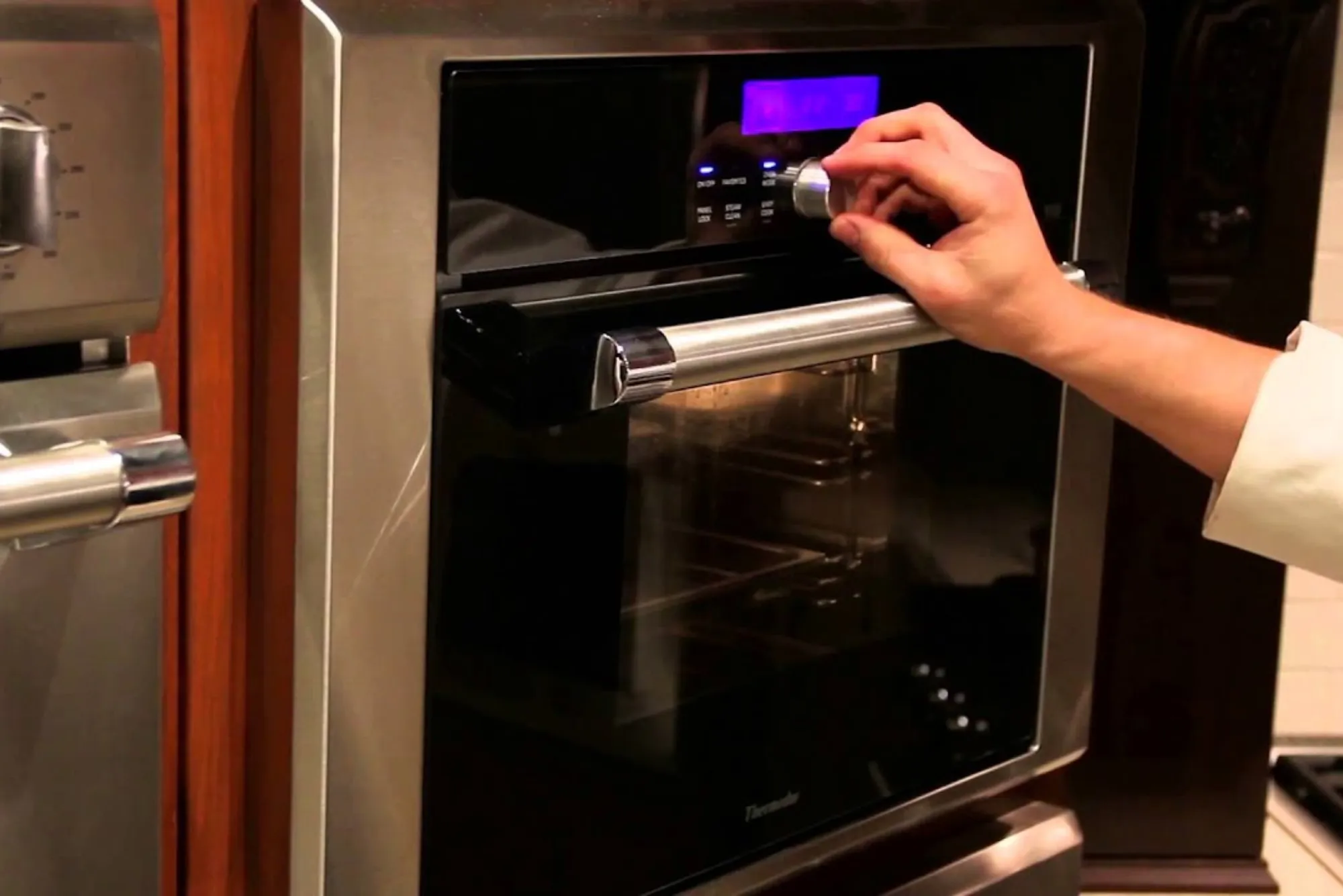
Preheating is the process of bringing an oven to a specific temperature before cooking. This step is critical because many recipes rely on precise heat to ensure proper cooking. Electric and gas ovens use different mechanisms to achieve this.
Electric ovens rely on heating elements, which glow red and radiate heat throughout the oven cavity. A thermostat monitors the internal temperature and cycles the elements on and off to maintain the set heat. Gas ovens, by contrast, use a burner fueled by natural gas or propane, ignited by a spark or pilot flame, to produce heat. A thermostat similarly regulates the flame to maintain the desired temperature.
When an oven experiences preheat delays, it is usually due to a malfunction in these components or related systems. Recognizing these causes is the first step in implementing a reliable oven preheat delay solution.
Common Causes of Oven Preheat Delays
Several factors can cause ovens to preheat slowly. In electric ovens, the most frequent culprits are defective heating elements, faulty thermostats, or issues with wiring and electrical connections. Over time, heating elements may wear out, develop hotspots, or even break entirely, leading to inefficient heating. Thermostats that fail to register temperatures correctly can prevent the oven from reaching the target heat promptly.

Gas ovens face their own set of challenges. Igniters that are weak or damaged may struggle to light the burners, and clogged gas ports can restrict fuel flow, delaying preheating. Safety mechanisms that monitor the flame may also cause delays if they detect irregularities. Environmental factors, such as a poorly ventilated kitchen or placing the oven in a confined space, can exacerbate preheat issues. Even simple miscalibration of temperature settings can cause delays in both gas and electric ovens.
Understanding these root causes is crucial for determining the correct oven preheat delay solution.
Diagnosing Oven Preheat Problems
Effective solutions start with accurate diagnosis. Homeowners should observe the oven closely during preheating. For electric ovens, check if the heating elements glow evenly. Uneven or dim elements may indicate wear or damage. Using an oven thermometer can help confirm whether the thermostat is accurate.
For gas ovens, watch for irregular flame ignition or fluctuating flame height. Listen for unusual clicking, buzzing, or hissing sounds, which may point to faulty igniters, gas flow issues, or electrical malfunctions. Ensuring the oven door seal is intact is also important, as heat loss can significantly delay preheating. Proper diagnosis is the first step toward applying an effective oven preheat delay solution.
Solutions for Electric Oven Preheat Delays
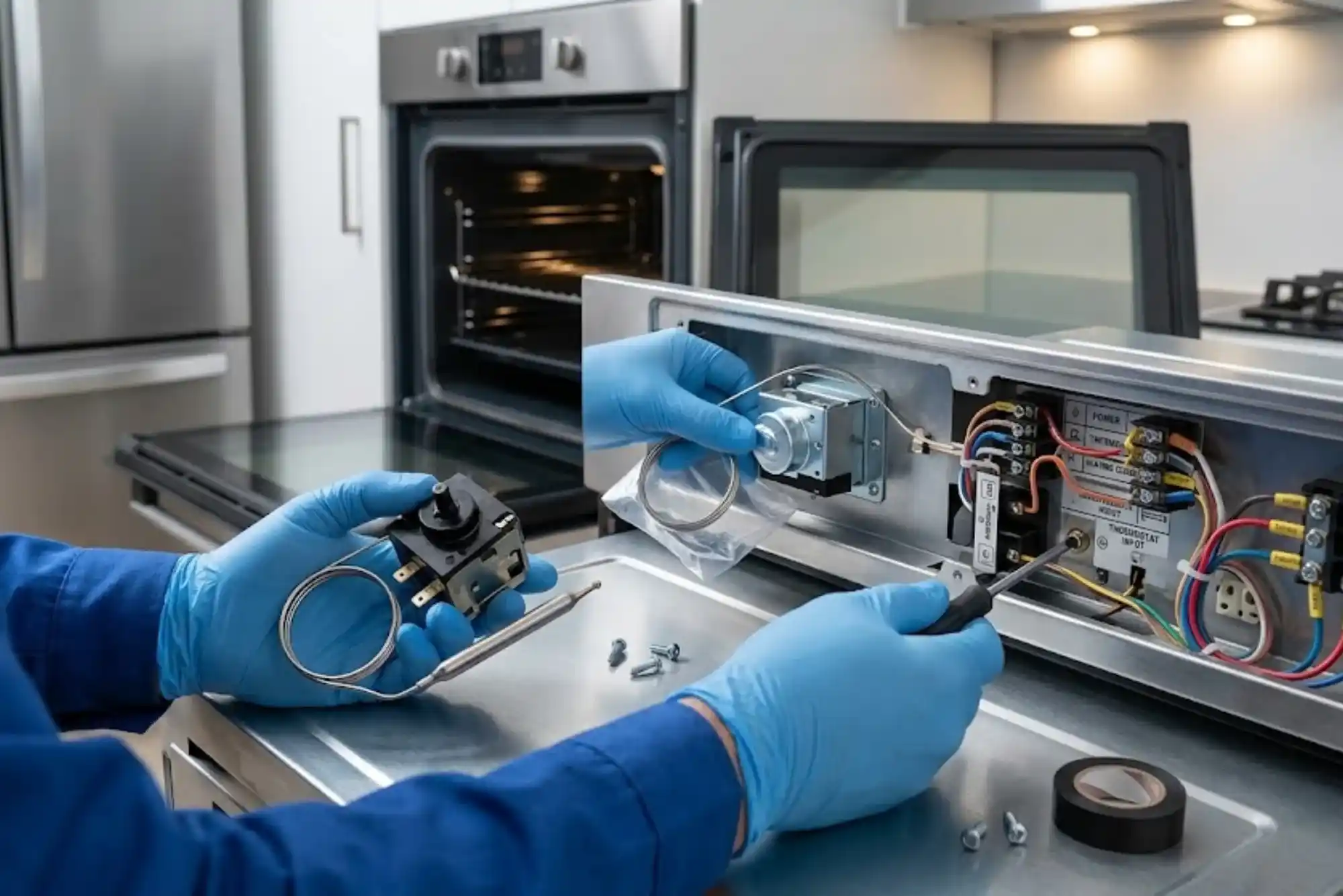
Electric ovens often require component inspection and replacement. Heating elements that are worn, cracked, or burned out should be replaced. Thermostats that fail to read temperatures accurately may also need recalibration or replacement. Wiring problems, such as frayed or loose connections, can interfere with energy flow, causing delays.
For homeowners comfortable with basic appliance repairs, replacing heating elements or calibrating thermostats can be done with safety precautions. However, consulting a professional technician ensures that repairs are precise and safe, minimizing the risk of electrical hazards.
Solutions for Gas Oven Preheat Delays
Gas ovens require careful attention due to the risks associated with fuel and ignition systems. Weak or failing igniters can significantly slow preheating. Cleaning or replacing the igniter often resolves this issue. Additionally, checking gas flow, burner ports, and valves is essential. Blocked or partially blocked gas lines can prevent the burner from reaching the desired temperature.
Safety mechanisms designed to prevent accidental gas leaks may also cause preheat delays if they detect inconsistencies. Only certified technicians should inspect these systems to avoid hazards. Addressing these components is a key part of an effective oven preheat delay solution for gas ovens.
Importance of Calibration and Temperature Accuracy
Even when all components are functioning, inaccurate temperature calibration can lead to preheating delays. Ovens may drift from the set temperature over time, meaning the actual internal heat does not match the selected setting.
Professional calibration using precision thermometers ensures that the oven reaches the desired temperature efficiently. Calibration improves cooking consistency, prevents extended preheating, and enhances energy efficiency. Accurate temperature control is an essential step in any oven preheat delay solution strategy.
Maintenance Tips to Prevent Delays
Preventative maintenance plays a major role in reducing preheating issues. Regular cleaning of the oven interior and heating elements prevents buildup that can obstruct heat. Checking the door seal ensures that heat remains trapped inside, improving efficiency. Gas ovens require periodic inspection of burners and igniters to prevent gradual degradation.
Scheduling professional maintenance once or twice a year can identify hidden problems before they cause preheating delays. Homeowners who follow maintenance best practices can enjoy faster preheating times and prolong the lifespan of their ovens, making this a sustainable oven preheat delay solution.
The Role of Energy Efficiency
Ovens that preheat efficiently are more energy-efficient. Delays not only extend cooking times but also consume extra electricity or gas. By addressing preheat delays through component replacement, calibration, and proper maintenance, homeowners reduce energy usage while ensuring consistent cooking results. Energy efficiency contributes to lower utility bills and a reduced environmental footprint.
Safety Considerations
Ovens involve electricity and, in the case of gas models, combustible fuel. Attempting repairs without proper knowledge can lead to electric shocks, gas leaks, or fire hazards. Always follow safety precautions, disconnect power before working on electric ovens, and never attempt gas repairs without professional certification. Hiring a certified appliance technician is often the safest and most reliable method to resolve persistent preheating delays.
When to Seek Professional Assistance
While minor issues can sometimes be resolved by homeowners, certain problems require professional intervention. Electrical component failures, thermostat malfunctions, gas line inspections, and calibration are complex tasks that demand technical expertise. Professional technicians provide accurate diagnosis, safe repairs, and long-term solutions that prevent future preheating delays. Investing in professional assistance is often more cost-effective than repeated DIY fixes and ensures the oven functions optimally.
Benefits of Fixing Preheat Delays
Resolving oven preheat delays provides multiple benefits. Faster preheating reduces overall cooking time, making meal preparation more convenient. Consistent temperature control ensures evenly cooked dishes, improving food quality. Energy consumption decreases, lowering utility costs and contributing to eco-friendly kitchen practices. Most importantly, a reliable oven enhances the overall cooking experience, reducing frustration and providing peace of mind. Implementing an effective oven preheat delay solution ultimately improves both the functionality and lifespan of the appliance.
Oven preheat delays are a common but manageable problem that can affect both convenience and meal quality. Understanding the causes—whether they are electrical, gas-related, calibration errors, or maintenance lapses—is essential for identifying the appropriate solution. Addressing the problem through careful diagnosis, component replacement, calibration, and routine maintenance ensures that ovens heat efficiently, saving time, energy, and frustration.