Refrigerators are an essential appliance in modern homes and businesses, ensuring that food remains fresh and safe for consumption. However, like any appliance, refrigerators can develop technical problems over time. One issue that many users encounter is the Midea fridge defrost problem. When a refrigerator fails to defrost properly, ice builds up inside the freezer and around the cooling components, which eventually affects the appliance’s performance.
A refrigerator’s defrost system plays a critical role in maintaining consistent cooling. If this system fails, the refrigerator may start forming excessive frost, block airflow, and cause temperature instability. Addressing this problem early through a professional fridge repair service can prevent more serious damage and keep the appliance running efficiently.
Understanding the causes, symptoms, and solutions of defrost issues in Midea refrigerators helps homeowners recognize the problem quickly and seek appropriate repair services.
Understanding the Defrost System in a Midea Refrigerator
Modern refrigerators, including Midea models, use an automatic defrost system designed to prevent frost buildup in the freezer compartment. This system periodically melts accumulated ice from the evaporator coils to ensure proper airflow and cooling efficiency.
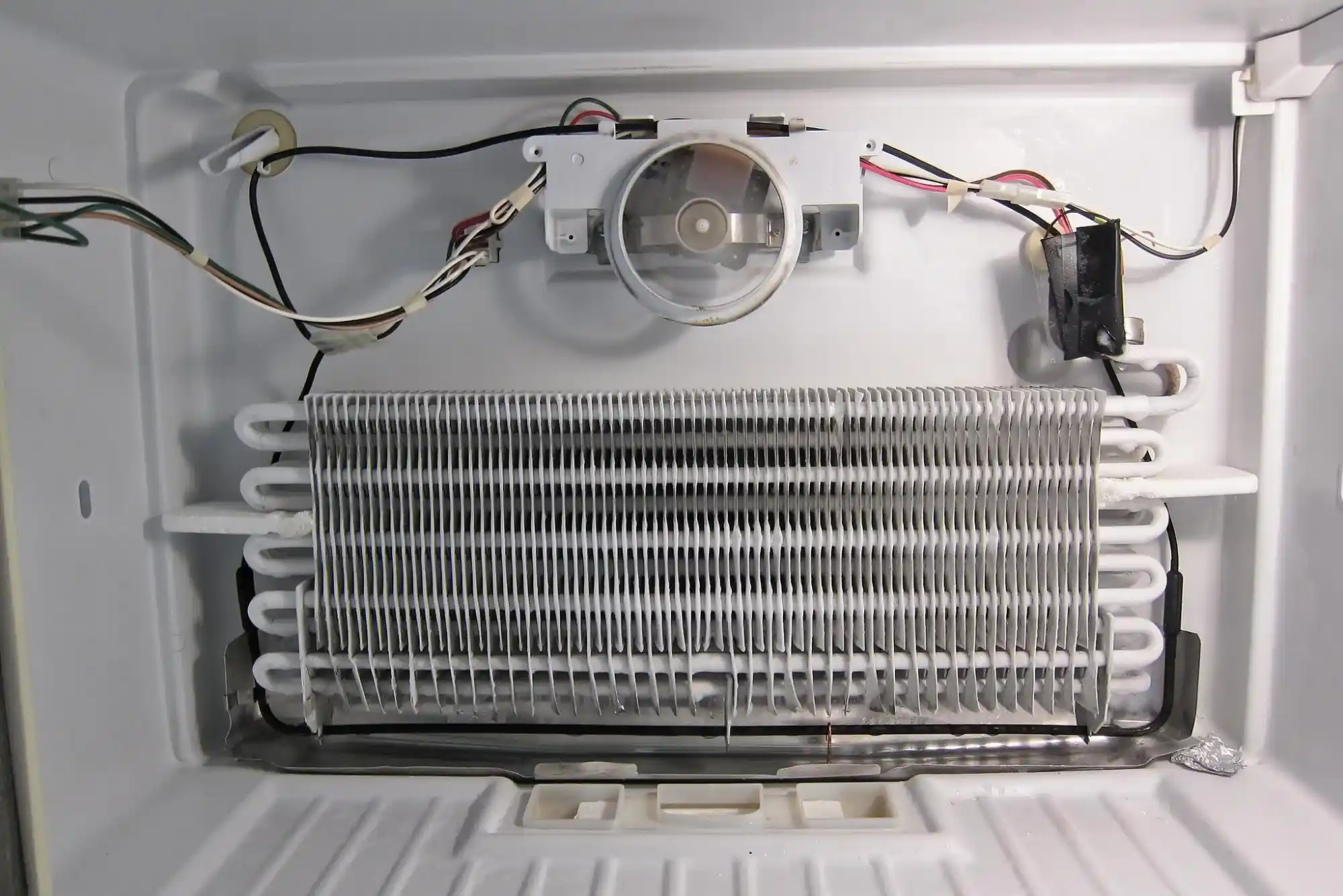
The defrost process works through several components operating together. The evaporator coils become cold as refrigerant flows through them, and moisture in the air freezes on these coils. The refrigerator’s defrost system then activates at regular intervals to melt the frost. Once the frost melts, the water drains away through a small drainage system.
When any part of this process fails, frost begins to accumulate excessively. Over time, this frost becomes thick ice that blocks airflow and interferes with the refrigerator’s cooling performance. The Midea fridge defrost problem often occurs when the automatic defrost cycle fails or when one of the internal components responsible for defrosting stops working correctly.

Common Signs of a Midea Fridge Defrost Problem
Recognizing the signs of a defrost issue early can help prevent more severe damage to the refrigerator. One of the most common indicators is excessive ice formation inside the freezer. Instead of a light frost layer, thick ice starts building around the evaporator cover or freezer walls.
Another noticeable sign is reduced cooling performance. When frost blocks the evaporator coils, the refrigerator struggles to circulate cold air throughout the compartments. As a result, the refrigerator section may become warmer even though the freezer appears extremely cold.
Unusual noise can also occur due to frost interfering with the internal fan. When ice forms around the fan blades, it may produce scraping or buzzing sounds as the fan tries to rotate.
Water leakage inside the refrigerator or around the floor area can sometimes occur as well. This happens when melted frost cannot properly drain due to blockages in the drainage channel.
When these symptoms appear, it is usually a clear indication that the refrigerator requires inspection from a professional fridge repair service to identify and resolve the underlying cause.
Causes of the Midea Fridge Defrost Problem
Several factors can lead to defrost problems in Midea refrigerators. One of the most common causes is a malfunctioning defrost heater. The heater is responsible for melting the frost that accumulates on the evaporator coils during the cooling cycle. If the heater fails, the ice remains on the coils and gradually builds into a thick layer.
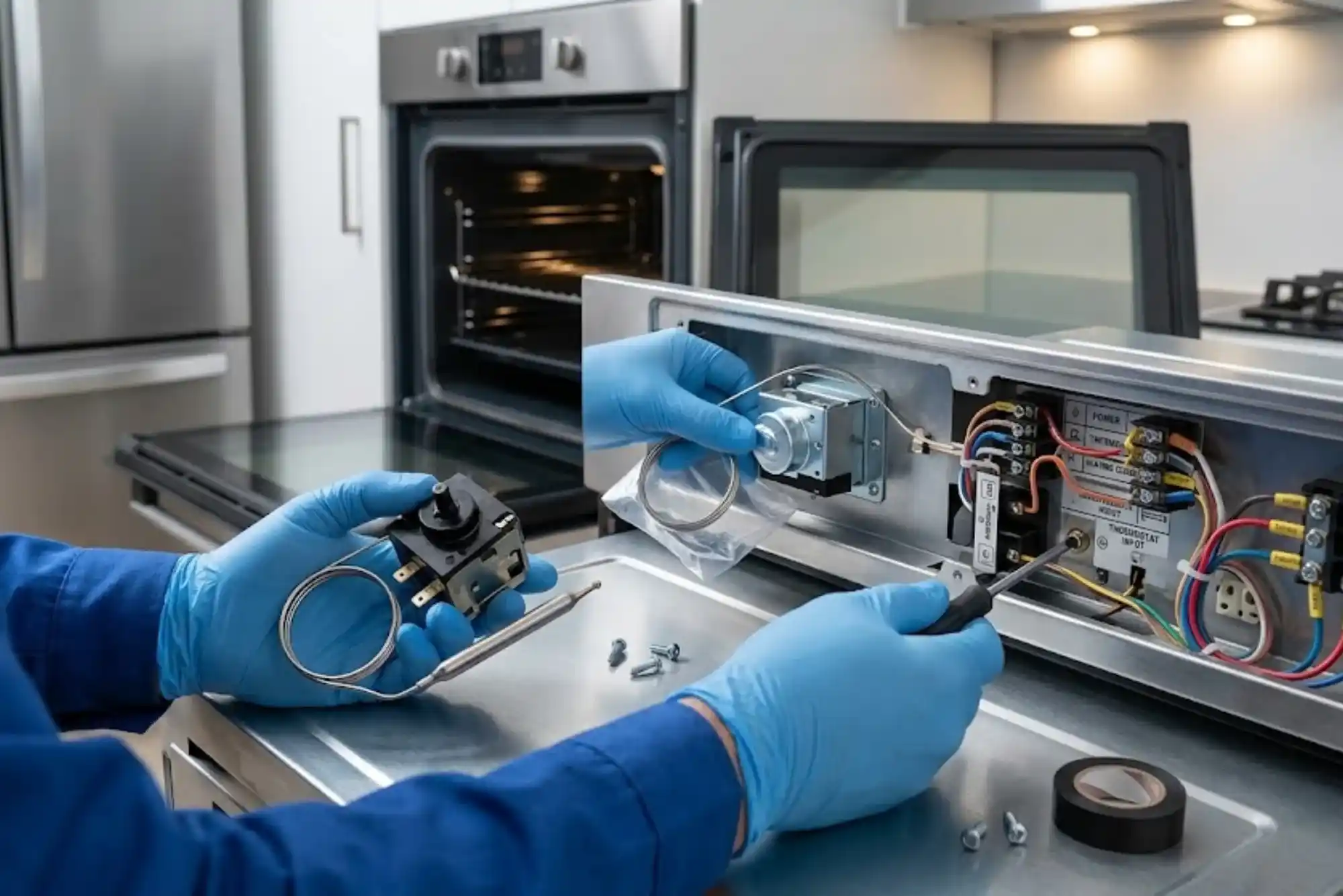
Another potential cause is a defective defrost thermostat. The thermostat monitors the temperature of the evaporator coils and signals when the heater should activate. When this component fails, the defrost system may not activate at the correct time, resulting in frost accumulation.
A faulty defrost timer or control board can also trigger defrost issues. These components regulate when the refrigerator switches from cooling mode to defrost mode. If the timing system becomes damaged or inaccurate, the refrigerator may skip defrost cycles entirely.
Blocked or frozen drain lines can also contribute to the problem. During the defrost cycle, melted frost flows through a drainage tube. If the tube becomes blocked with debris or ice, water cannot drain properly, which can lead to refreezing and additional frost buildup.
Door seal problems may also indirectly cause defrost issues. If the refrigerator door gasket is worn or damaged, warm air from outside enters the refrigerator. This moisture freezes on the evaporator coils, creating excessive frost and putting strain on the defrost system.
How Frost Buildup Affects Refrigerator Performance
When frost accumulates excessively inside the freezer, it can severely impact the overall efficiency of the refrigerator. The evaporator coils are responsible for absorbing heat from inside the appliance. However, when these coils become covered in ice, they cannot function properly.
As a result, the refrigerator’s compressor must work harder and longer to maintain the desired temperature. This not only increases energy consumption but also places extra stress on internal components.
Restricted airflow is another consequence of frost buildup. Refrigerators rely on internal fans to circulate cold air between the freezer and refrigerator compartments. Thick frost blocks this airflow, preventing even cooling distribution.
Over time, this condition can cause food spoilage in the refrigerator compartment while the freezer remains overly frozen. Continuous strain on the compressor may eventually shorten the lifespan of the appliance.
Addressing a Midea fridge defrost problem promptly helps restore airflow, stabilize internal temperatures, and protect the appliance from long-term damage.
Importance of Professional Fridge Repair Service
While some minor refrigerator issues may appear simple, defrost system problems typically involve electrical and mechanical components that require professional diagnosis. Attempting to repair these systems without proper knowledge can lead to further complications or safety risks.
A qualified fridge repair service technician uses specialized tools to test the defrost heater, thermostat, and control system. Through proper inspection, the technician can determine whether the issue is caused by a faulty component, wiring problem, or drainage blockage.
Professional repair also ensures that replacement parts are compatible with the specific Midea refrigerator model. Using the correct components helps restore the refrigerator’s performance and maintain its energy efficiency.
In addition, experienced technicians can check other related components such as fans, sensors, and seals to ensure the entire cooling system operates correctly.
Preventing Future Defrost Problems
Although mechanical failures cannot always be avoided, proper refrigerator maintenance can significantly reduce the risk of defrost problems. Maintaining a clean interior and ensuring proper airflow inside the refrigerator helps the cooling system operate efficiently.
Keeping the door closed as much as possible and ensuring that the door seal remains tight prevents warm air from entering the appliance. Excess moisture entering the refrigerator can quickly freeze and contribute to frost buildup.
Regular inspection of the freezer compartment also helps detect early frost formation. If frost begins to accumulate unusually fast, it may indicate that the defrost system is not functioning properly.
Periodic professional maintenance from a trusted fridge repair service can also help detect potential issues before they become major problems.
When to Seek Immediate Repair
Certain situations require immediate attention from a repair professional. If the refrigerator stops cooling properly or food begins spoiling, the problem should be addressed as soon as possible.
Heavy ice accumulation that continues to grow even after manual cleaning is another sign that the defrost system has failed. Ignoring this issue may eventually block airflow entirely and shut down the cooling process.
Unusual electrical smells, loud noises from the freezer fan, or repeated water leakage are also warning signs that the appliance needs professional inspection.
Seeking timely repair services helps prevent additional damage to the compressor and other vital components.
Long-Term Benefits of Timely Refrigerator Repair
Repairing a defrost issue quickly offers several long-term benefits. First, it restores proper cooling performance, ensuring that food remains fresh and safe for storage. A well-functioning refrigerator also consumes less energy, reducing electricity costs.
Timely repair also protects internal components from unnecessary strain. When frost buildup forces the compressor and fans to work harder, these parts may wear out faster. Fixing the problem early extends the overall lifespan of the appliance.
Another advantage is improved hygiene and convenience. Excess frost and water leakage can create unpleasant conditions inside the refrigerator. Proper repair restores a clean, stable environment for food storage.
The Midea fridge defrost problem is a common issue that can significantly affect refrigerator performance if left unresolved. Frost accumulation inside the freezer disrupts airflow, reduces cooling efficiency, and places unnecessary strain on internal components.
Understanding how the defrost system works and recognizing the early signs of malfunction helps homeowners take action before the problem worsens. Causes such as faulty heaters, damaged thermostats, malfunctioning control boards, or blocked drainage systems can all contribute to defrost failures.