Dryers are among the most important home appliances in modern households. They save time, improve convenience, and allow families to manage laundry efficiently regardless of weather conditions. However, like all mechanical and electrical appliances, dryers can sometimes develop faults that interrupt normal operation. One of the most commonly discussed issues in appliance maintenance is the concept of dryer thermostat bypass. Understanding how the thermostat works, why bypassing it is sometimes considered, and when professional dryer repair service becomes necessary is essential for maintaining a safe and functional appliance.
A thermostat inside a dryer plays a crucial role in regulating heat levels during the drying cycle. When this component fails or stops functioning properly, the dryer may stop heating, overheat, or fail to complete cycles efficiently. In some troubleshooting situations, technicians may temporarily consider a dryer thermostat bypass to determine whether the thermostat is the root cause of the problem. However, this is not a long-term solution and should only be used carefully during diagnostics.
This article explains the concept of dryer thermostat bypass, how thermostats function, why problems occur, and why professional dryer repair service is usually the safest solution for homeowners.
Understanding the Role of a Dryer Thermostat
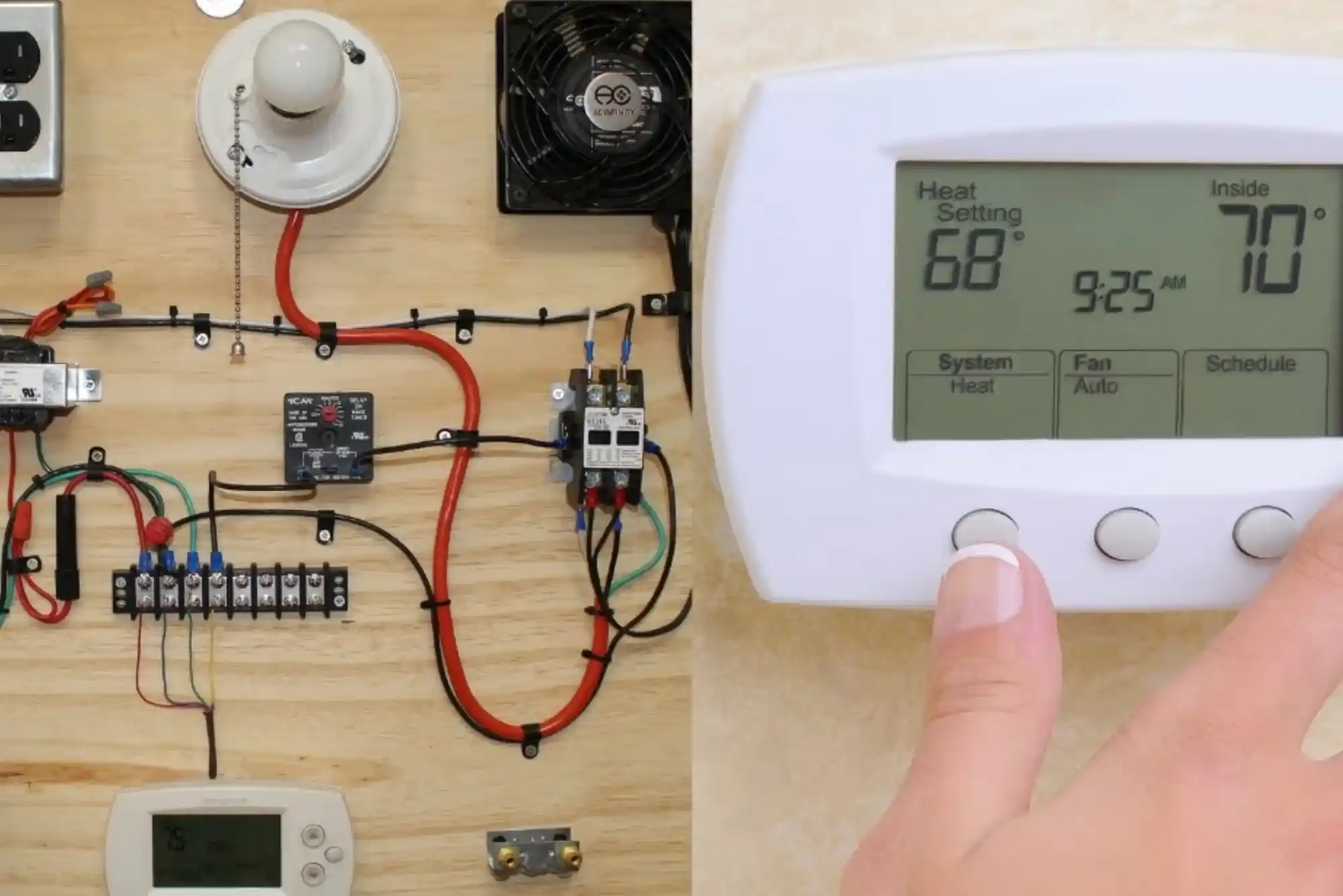
The thermostat in a dryer is designed to control the internal temperature of the appliance. During operation, the heating element generates heat that is circulated through the drum to dry clothes. Without proper regulation, the temperature inside the dryer could rise to unsafe levels. The thermostat continuously monitors temperature and turns the heating element on or off as needed to maintain a controlled environment.
This temperature regulation is important for both safety and efficiency. If the dryer becomes too hot, fabrics could become damaged or even catch fire in extreme cases. On the other hand, if the temperature remains too low, clothes may remain damp even after a full cycle. The thermostat ensures that the appliance operates within the optimal temperature range.
When the thermostat begins to malfunction, the dryer may display symptoms such as insufficient heat, excessive heat, long drying cycles, or sudden shutdowns. In these situations, technicians may investigate the thermostat and other related components as part of a dryer repair service.

What Is a Dryer Thermostat Bypass
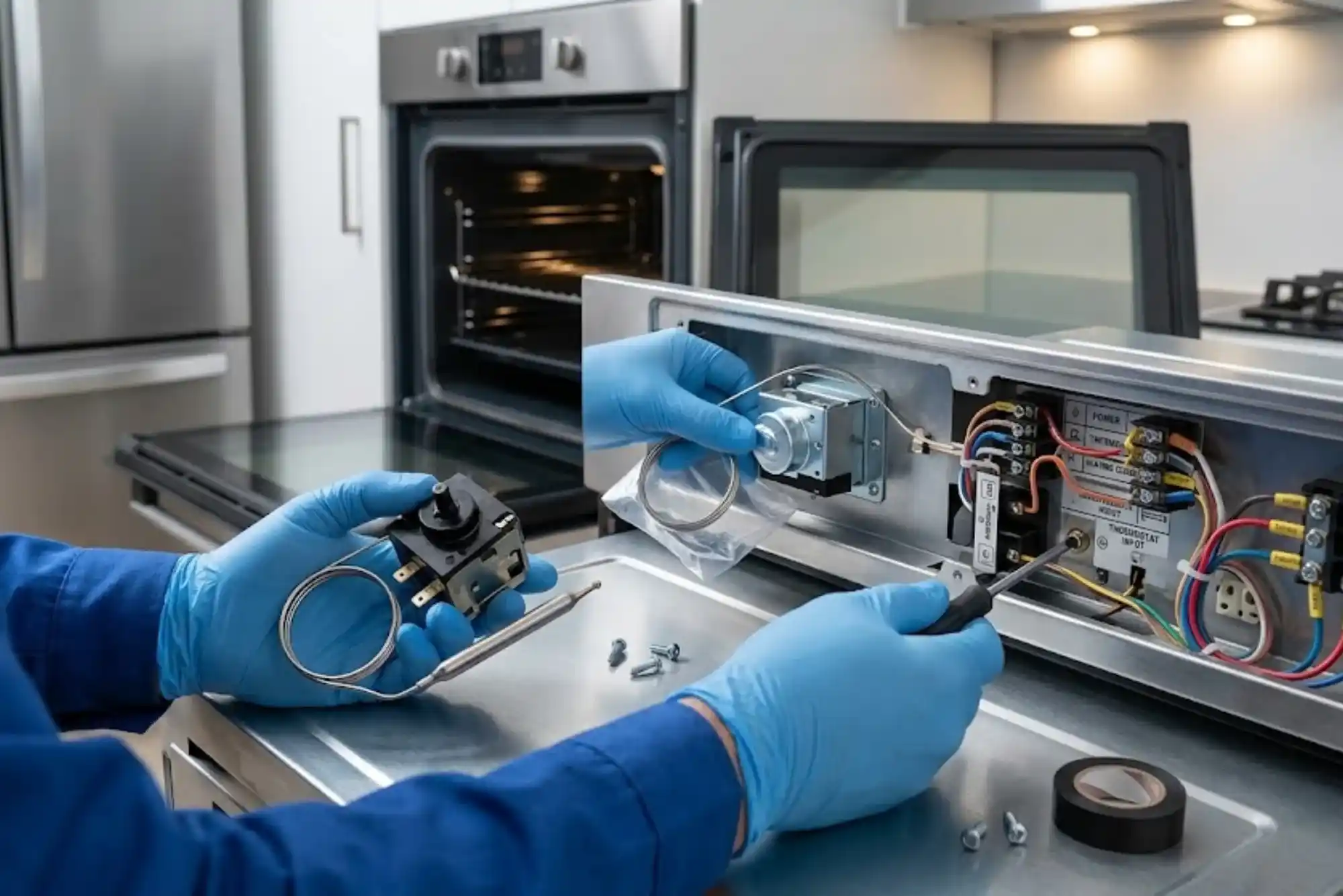
A dryer thermostat bypass refers to a temporary method used during troubleshooting where the thermostat is bypassed to test whether it is responsible for heating problems. In this condition, the electrical circuit that normally passes through the thermostat is briefly connected directly so technicians can determine if the thermostat is preventing the heating element from working.
The concept of bypassing the thermostat is purely diagnostic. If the dryer begins heating after the thermostat is bypassed, it indicates that the thermostat may be defective and needs replacement. However, operating a dryer permanently with a bypassed thermostat is extremely unsafe because the appliance would lose its primary temperature control mechanism.
Because of this risk, appliance experts strongly recommend replacing the thermostat rather than relying on a dryer thermostat bypass for continued operation. A professional dryer repair service typically performs this process safely and restores the appliance to proper working condition.
Common Signs of a Faulty Dryer Thermostat
Dryer thermostats can fail over time due to heat stress, electrical wear, or general aging of internal components. When the thermostat stops functioning properly, several noticeable symptoms may appear. One of the most common signs is that the dryer runs but produces no heat. In this case, the heating element may be working correctly, but the thermostat is preventing the flow of electricity.
Another common symptom involves overheating. If the thermostat fails to regulate temperature, the dryer may become excessively hot during operation. This situation not only damages clothing but can also pose serious safety risks.
Long drying times are another indicator that the thermostat may be malfunctioning. When temperature control becomes inconsistent, the appliance may struggle to maintain the heat required to dry clothes efficiently. In these cases, homeowners often seek professional dryer repair service to inspect and replace faulty components.
Why Dryer Thermostat Problems Occur
Dryer thermostats operate in high-temperature environments for extended periods, which can gradually weaken internal components. Over time, repeated heating and cooling cycles cause metal contacts inside the thermostat to wear out. Once these contacts degrade, the thermostat may no longer respond accurately to temperature changes.
Another common cause of thermostat issues is poor airflow within the dryer. When lint accumulates in vents or filters, it restricts air circulation. This causes heat to build up inside the appliance, placing extra strain on the thermostat. Continuous overheating can eventually damage the thermostat and other internal parts.
Electrical fluctuations can also contribute to thermostat failure. Sudden voltage changes or unstable power supply may damage sensitive components within the appliance. When this occurs, a technician may use a dryer thermostat bypass as part of the diagnostic process to confirm the faulty part before replacing it.
Safety Concerns Related to Dryer Thermostat Bypass
Although the concept of a dryer thermostat bypass may seem like a quick solution to heating issues, it introduces significant safety risks if misused. The thermostat is a critical safety device designed to prevent overheating. Removing it from the circuit eliminates the appliance’s ability to regulate temperature effectively.
Without proper temperature control, the heating element could remain active continuously, causing the dryer to reach dangerous heat levels. This not only damages clothing but can also create a fire hazard inside the appliance. For this reason, technicians use bypassing only briefly during diagnostics and never recommend operating the dryer permanently in this condition.
Homeowners who suspect thermostat problems should rely on experienced professionals who provide reliable dryer repair service rather than attempting unsafe modifications.
The Importance of Professional Dryer Repair Service
Modern dryers contain complex electrical systems and safety mechanisms that require specialized knowledge to diagnose and repair. A professional dryer repair service has the tools and expertise necessary to inspect thermostats, heating elements, sensors, and wiring components safely.
When technicians encounter heating problems, they perform systematic tests to identify the exact cause. These tests may involve checking electrical continuity, measuring temperature responses, and evaluating airflow conditions. In some cases, a dryer thermostat bypass may be used briefly to confirm a faulty thermostat before replacement.
Once the problem is identified, the technician installs a compatible replacement thermostat and ensures the dryer operates within proper temperature limits. This professional approach restores the appliance’s safety and efficiency while preventing further damage.
Preventing Future Thermostat Issues
Regular maintenance plays an important role in preventing thermostat problems. Keeping the dryer clean and ensuring proper airflow significantly reduces stress on internal components. One of the most effective maintenance steps is cleaning the lint filter after every drying cycle.
In addition to lint filter cleaning, homeowners should ensure that the dryer vent system remains clear of obstructions. A blocked vent restricts airflow and forces the appliance to operate at higher temperatures, increasing the risk of thermostat damage.
Routine inspections by a dryer repair service can also help detect minor issues before they become serious problems. Professional technicians can check ventilation systems, inspect heating elements, and verify thermostat performance to ensure the dryer remains safe and efficient.
How Thermostat Replacement Restores Dryer Performance
When a thermostat fails, replacing it with a new component is the most reliable solution. A properly functioning thermostat restores accurate temperature regulation and allows the dryer to operate as designed. Once the new thermostat is installed, the appliance can maintain consistent heat levels throughout the drying cycle.
Replacement also eliminates the need for a dryer thermostat bypass because the new component resumes its role in the electrical circuit. The heating element activates only when required, preventing overheating and ensuring clothes dry evenly.
Professional dryer repair service providers typically test the appliance after installing the replacement thermostat. This final inspection confirms that the heating system, airflow, and safety controls are working correctly.
Modern Dryer Technology and Temperature Control
Many modern dryers incorporate advanced temperature monitoring systems that go beyond traditional thermostats. These appliances may include electronic sensors that detect moisture levels and adjust drying times automatically. Such technology improves efficiency while protecting fabrics from excessive heat.
Despite these technological improvements, thermostats remain an essential part of the heating system. They serve as a backup safety control to prevent overheating even when electronic systems are present. Because of this critical role, maintaining a properly functioning thermostat is essential for safe appliance operation.
When problems occur, professional dryer repair service technicians understand how to diagnose both traditional thermostats and modern sensor-based systems.
The concept of dryer thermostat bypass is often discussed when diagnosing heating problems in dryers. While bypassing the thermostat can help technicians confirm whether it is faulty, it should only be used temporarily during troubleshooting. The thermostat is a vital safety component that regulates temperature and prevents overheating inside the appliance.
When dryers stop heating, overheat, or take too long to dry clothes, the thermostat may be one of the components requiring inspection. Attempting to operate the dryer with a bypassed thermostat can create serious safety risks, which is why professional repair is strongly recommended.
Related Reading: Dryer Lint Filter Housing
Related Reading: Dryer Idler Pulley Replacement