Regular oven care and maintenance directly affect cooking performance, energy efficiency, and appliance lifespan. A neglected oven can develop uneven heating, strange noises, faulty ignition, temperature inconsistencies, and excessive energy consumption over time. Small maintenance habits often prevent expensive repairs and improve cooking results.
Most ovens are designed to last for years, but heavy use, grease buildup, blocked vents, and worn components can gradually reduce performance. Preventive maintenance helps homeowners avoid sudden breakdowns while keeping the appliance safe for daily use.
A well-maintained oven also improves food quality. Stable temperatures and proper airflow ensure consistent baking, roasting, and grilling results without overcooking or undercooking meals.
Essential Oven Cleaning Habits
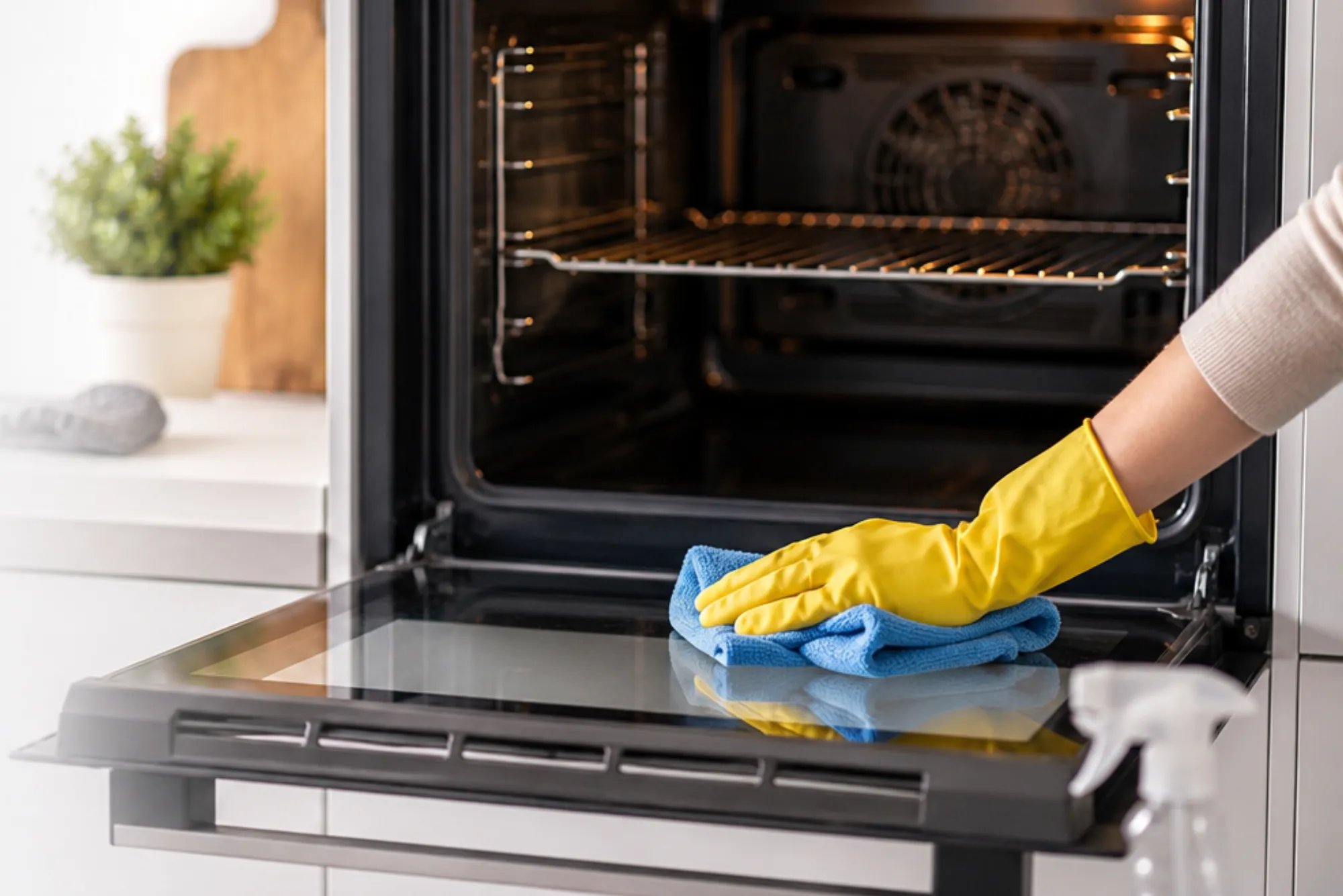
Cleaning is the foundation of proper oven maintenance. Grease, food spills, and carbon buildup can interfere with heating elements and airflow inside the appliance.
Basic cleaning should be done weekly for frequently used ovens, while deeper cleaning may only be necessary every few months depending on usage.
Daily and Weekly Cleaning Tasks
- Wipe interior spills after the oven cools
- Clean oven racks regularly to prevent grease accumulation
- Remove crumbs from door edges and seals
- Inspect burner areas for residue buildup
- Clean the oven glass for better visibility while cooking
Avoid using overly abrasive cleaning products that may damage enamel coatings or sensitive components.

Deep Cleaning Recommendations
| Component | Recommended Cleaning Frequency | Purpose |
|---|---|---|
| Interior cavity | Every 2 to 3 months | Prevents smoke and odor buildup |
| Oven racks | Monthly | Maintains airflow and cleanliness |
| Door gasket | Monthly inspection | Preserves heat retention |
| Control panel | Weekly | Prevents button and display issues |
| Vent openings | Every 2 months | Supports safe airflow circulation |
The Importance of Oven Door Seals and Gaskets
One commonly overlooked part of oven care is the door gasket. The gasket creates a tight seal that keeps heat inside the oven cavity. Damaged or worn seals can cause temperature fluctuations, longer cooking times, and wasted energy.
Heat escaping through weak seals forces the oven to work harder, increasing wear on internal components. Homeowners noticing uneven cooking or excess heat around the door should inspect the gasket carefully.
For a deeper understanding of how seals influence oven efficiency, this guide on oven gaskets and heat retention explains their role in maintaining stable cooking temperatures.
Checking Oven Temperature Accuracy
Incorrect temperatures are one of the most common oven complaints. Over time, calibration can shift due to sensor wear or electrical issues. Even minor temperature inconsistencies can affect baking quality.
Signs of inaccurate oven temperatures include:
- Food cooking faster than expected
- Uneven browning
- Burnt bottoms with uncooked centers
- Extended cooking times
- Frequent need to adjust recipes manually
An oven thermometer can help compare the displayed temperature with the actual internal heat level. Many modern ovens also allow calibration adjustments through the control settings.
Users experiencing recurring temperature inconsistencies may benefit from reviewing this helpful article on adjusting oven temperature offsets.
Maintaining Proper Airflow Inside the Oven
Air circulation is critical for consistent cooking performance, especially in convection ovens. Blocked vents or malfunctioning fans can create hot and cold spots inside the cavity.
Overloading the oven with trays or placing foil over vents restricts airflow and reduces cooking efficiency.
Modern convection systems rely heavily on internal fans for even heat distribution. Poor fan performance may lead to uneven baking results and increased cooking times.
Homeowners interested in understanding airflow mechanics can explore more about the role of oven fans in heat distribution.
Common Oven Problems That Preventive Maintenance Can Reduce
Routine maintenance helps identify small issues before they become major repairs. Many oven failures begin with warning signs that users often ignore.
| Problem | Possible Cause | Preventive Action |
|---|---|---|
| Uneven cooking | Faulty sensor or blocked airflow | Clean vents and test temperature accuracy |
| Loud noises | Loose fan or worn motor | Inspect moving components regularly |
| Weak heating | Damaged heating element | Monitor cooking performance changes |
| Smoke during use | Grease buildup | Perform regular interior cleaning |
| Door not sealing properly | Worn gasket | Inspect seals every month |
Persistent operational noise should never be ignored because it may indicate fan or motor problems. This detailed article about fixing noisy oven issues explains common causes and solutions.
Safe Oven Usage Practices
Maintenance is not limited to cleaning and inspections. Proper usage habits significantly reduce stress on internal components and improve safety.
Recommended Safety Practices
- Avoid slamming the oven door
- Do not place aluminum foil directly on the oven floor
- Allow proper ventilation around the appliance
- Keep control panels dry during cleaning
- Use cookware suitable for oven temperatures
- Inspect gas connections periodically for gas ovens
These simple practices help reduce wear while improving long-term reliability.
How Often Should an Oven Be Professionally Serviced?
Professional inspection intervals depend on usage frequency and appliance type. Homes that cook daily usually require more frequent servicing compared to occasional-use kitchens.
Professional servicing commonly includes:
- Heating element inspection
- Ignition system testing
- Temperature calibration
- Fan motor assessment
- Safety thermostat checks
- Electrical connection inspection
Gas ovens may require additional inspection for burners, regulators, and ignition systems.
For homeowners dealing with recurring performance issues, professional oven service can help identify hidden component wear before a complete failure occurs. Additional information about repair services is available through the oven repair service page.
Signs Your Oven Needs Immediate Attention
Some oven problems should not be delayed because they may pose safety risks or lead to larger repair costs.
Warning Signs to Watch For
- Gas smell during operation
- Sparking inside the oven
- Door failing to close properly
- Sudden power shutdowns
- Burning electrical odors
- Display panel malfunctions
- Excessive smoke without food spills
Electrical or gas-related issues should always be evaluated by qualified technicians rather than handled through DIY experimentation.
The Impact of Preventive Maintenance on Energy Efficiency
An inefficient oven consumes more electricity or gas while delivering weaker cooking performance. Poor heat retention, dirty heating elements, and blocked vents force the appliance to work harder during every cooking cycle.
Regular maintenance improves:
- Cooking consistency
- Preheating speed
- Energy consumption
- Component lifespan
- Kitchen safety
Efficient appliances also reduce monthly utility costs over time, particularly in households that cook frequently.
For additional appliance maintenance guidance and technical standards, readers may consult [Insert relevant reference link here].
DIY Maintenance vs Professional Repair
Basic maintenance tasks such as cleaning, gasket inspection, and rack maintenance are usually safe for homeowners. However, electrical diagnostics, ignition repairs, thermostat replacement, and internal wiring issues require professional expertise.
| Maintenance Task | DIY Suitable | Professional Recommended |
|---|---|---|
| Cleaning oven interior | Yes | No |
| Replacing light bulbs | Usually | Optional |
| Temperature calibration | Sometimes | Recommended for recurring issues |
| Igniter replacement | No | Yes |
| Electrical troubleshooting | No | Yes |
Frequently Asked Questions
How often should an oven be cleaned?
Light cleaning should be done weekly, while deep cleaning is generally recommended every two to three months depending on usage frequency.
Why does my oven cook unevenly?
Uneven cooking can result from blocked airflow, faulty heating elements, damaged fans, or incorrect temperature calibration.
Can oven maintenance improve energy efficiency?
Yes. Clean components, proper seals, and accurate temperature control reduce energy waste and improve cooking performance.
Is it safe to repair an oven without professional help?
Basic cleaning and inspections are safe, but gas, electrical, and ignition system repairs should be handled by qualified technicians.
What is the average lifespan of a properly maintained oven?
Most ovens can last 10 to 15 years or longer with regular cleaning, proper usage, and timely maintenance.
Conclusion
Consistent oven care and maintenance play a major role in preserving cooking performance, appliance safety, and long-term reliability. Small preventive measures such as regular cleaning, temperature checks, airflow maintenance, and gasket inspections can significantly reduce repair risks over time.
Homeowners who pay attention to early warning signs often avoid expensive breakdowns while maintaining better cooking efficiency. Whether dealing with convection airflow issues, worn door seals, or temperature inconsistencies, proactive maintenance remains the most effective approach for extending the life of an oven and ensuring dependable kitchen performance.
Related Reading: AC Air Handler Maintenance