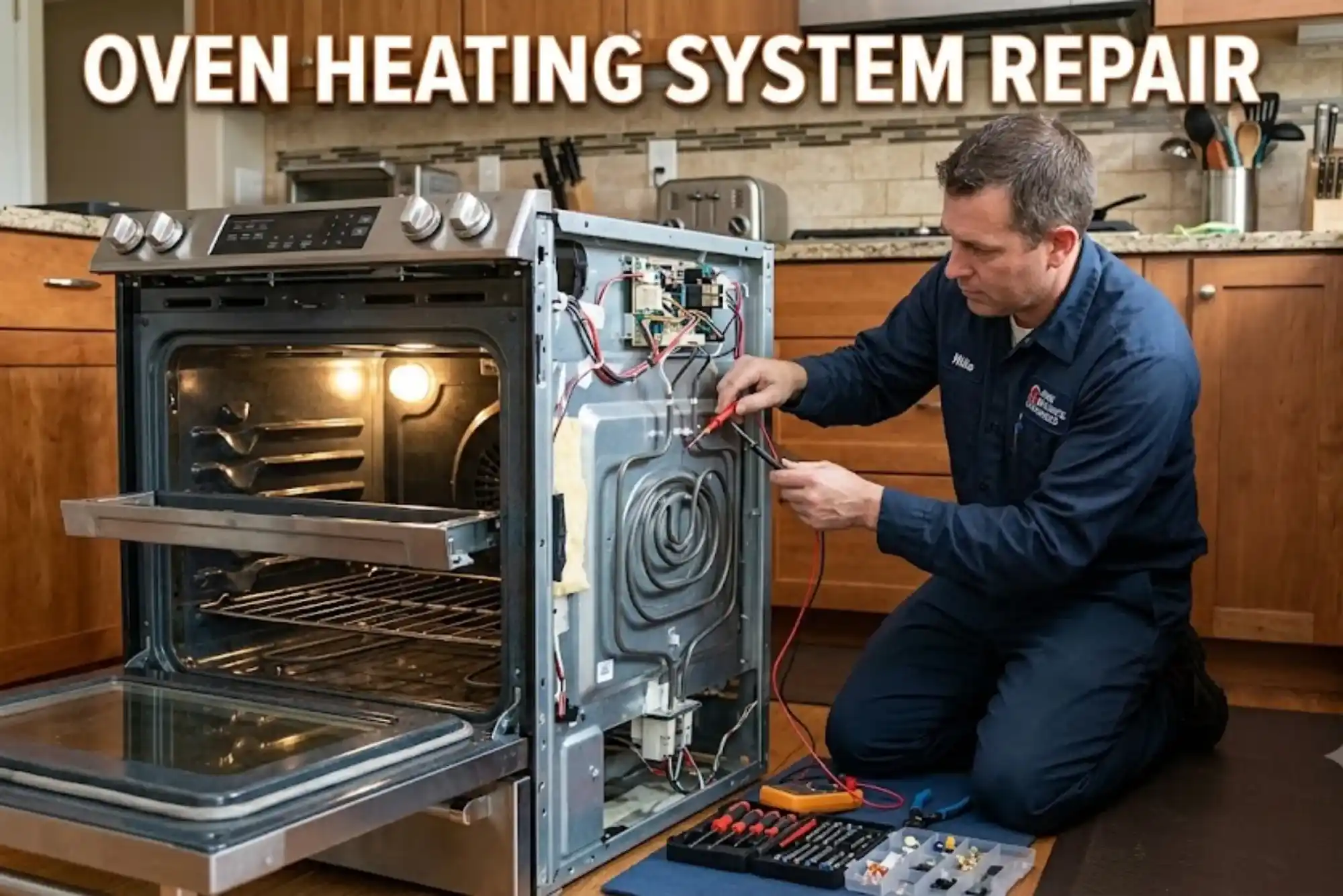
A properly functioning oven is one of the most important appliances in any modern kitchen. Whether you bake, roast, or grill regularly, consistent heating is essential for cooking food evenly and safely. When an oven begins to heat unevenly, takes too long to warm up, or fails to reach the desired temperature, professional Oven Heating System Repair becomes necessary to restore its performance.
Many heating issues develop gradually and are often ignored until the appliance stops working completely. Understanding the warning signs and knowing when professional assistance is required can prevent expensive repairs and extend the lifespan of your appliance.
If you’re looking for experienced appliance technicians, MH Hasnain Repair offers professional appliance repair solutions for a wide range of household appliances.
Why Oven Heating Systems Fail
An oven relies on several electrical or gas-powered components working together to generate and regulate heat. If just one part begins to malfunction, overall performance is affected.
Some failures happen naturally due to years of use, while others result from poor maintenance, electrical issues, or damaged internal components.
- Burned-out heating elements
- Faulty thermostats
- Damaged temperature sensors
- Broken igniters
- Loose electrical wiring
- Control board failures
- Door seal deterioration
Identifying these issues early helps prevent further damage and improves repair success.
Common Signs You Need Oven Heating System Repair
Most ovens provide early warning signs before a complete failure occurs.
Food Cooks Unevenly
If one side of your meal cooks faster than the other, heat distribution inside the oven may be compromised.
Oven Takes Too Long to Heat
Long preheating times usually indicate weakened heating elements or thermostat calibration problems.
Temperature Is Inconsistent
If recipes fail despite following instructions correctly, inaccurate temperature control may be responsible.
Heating Element Does Not Glow
Electric ovens should have visible glowing elements during operation. If the element stays dark, replacement may be necessary.
Burning Smell During Operation
A persistent burning odor can indicate electrical faults or damaged insulation that should be inspected immediately.
Main Components Involved in Oven Heating
Professional technicians inspect several components before recommending repairs.
| Component | Purpose | Common Failure |
|---|---|---|
| Heating Element | Produces cooking heat | Burns out over time |
| Thermostat | Controls temperature | Incorrect readings |
| Temperature Sensor | Monitors internal heat | Sensor malfunction |
| Igniter | Lights gas burner | Weak ignition |
| Control Board | Operates oven functions | Electrical damage |
Professional Diagnosis Makes a Difference
Modern ovens include advanced electronic controls that require accurate testing. Rather than replacing random parts, qualified technicians diagnose the actual source of the problem before beginning repairs.
For example, an oven that refuses to turn on may not always have a faulty heating element. Detailed troubleshooting like the process explained in oven not turning on solutions helps identify whether the issue involves electrical supply, control systems, or heating components.
Similarly, homeowners needing complete repair assistance can benefit from professional oven repair services that cover both electric and gas ovens.
Repair or Replace the Heating Components?
One of the most common questions homeowners ask is whether repairing the heating system is worth it. In many cases, replacing a faulty thermostat, heating element, or temperature sensor is significantly more affordable than purchasing a new appliance.
The decision depends on several factors, including the oven’s age, the availability of replacement parts, and the overall condition of the appliance. If the oven is otherwise functioning well, targeted repairs often restore full performance and extend its usable life for several more years.
Regular inspections also help identify worn components before they lead to complete heating failure, reducing the likelihood of unexpected breakdowns.
Simple Maintenance Practices That Prevent Heating Problems
Although some oven failures are unavoidable, routine maintenance can greatly reduce the chances of major heating system issues. Keeping your appliance clean and inspecting key components periodically helps maintain consistent cooking performance.
- Clean food spills after the oven cools.
- Avoid using harsh chemicals on heating elements.
- Inspect the oven door seal regularly.
- Do not block internal ventilation openings.
- Use the correct cookware size for even heat circulation.
- Schedule professional inspections if performance changes.
DIY Checks vs Professional Repair
Homeowners can safely perform a few basic inspections, such as checking the power supply, ensuring the oven settings are correct, and cleaning excessive grease buildup. However, internal electrical components and gas systems should always be handled by qualified technicians.
- Verify the appliance receives power.
- Check whether the heating element shows visible damage.
- Inspect the door gasket for air leaks.
- Reset the oven if recommended by the manufacturer.
- Contact a professional if heating problems continue.
Benefits of Professional Oven Heating System Repair
Hiring experienced technicians offers several long-term advantages beyond simply restoring heat.
- Accurate fault diagnosis
- Safe electrical and gas repairs
- Use of compatible replacement parts
- Improved cooking consistency
- Better energy efficiency
- Extended appliance lifespan
- Reduced risk of future breakdowns
When Should You Call an Expert?
Some warning signs should never be ignored. If your oven repeatedly trips the circuit breaker, produces unusual smells, fails to maintain temperature, or displays error codes, professional diagnosis is recommended. Delaying repairs may affect food safety and increase repair costs over time.
You can also learn more about preventive maintenance by reading oven care and maintenance, which explains practical ways to keep your appliance operating efficiently throughout the year.
Frequently Asked Questions
1. What causes an oven heating system to stop working?
The most common causes include damaged heating elements, faulty thermostats, defective temperature sensors, worn igniters, or electronic control board issues.
2. Can an oven heating element be repaired?
Heating elements are generally replaced rather than repaired because replacement provides a safer and more reliable solution.
3. How long does Oven Heating System Repair usually take?
Most standard repairs can be completed within one visit when replacement parts are readily available.
4. Is it safe to continue using an oven with heating problems?
No. Uneven heating, electrical faults, or gas ignition issues can create safety risks and should be inspected promptly.
5. How often should an oven be professionally serviced?
For households that use their oven frequently, an annual inspection helps maintain efficiency and detect worn components before they fail.
Conclusion
A dependable oven makes everyday cooking easier, safer, and more efficient. Addressing heating problems early helps prevent larger mechanical failures, improves cooking performance, and extends the appliance’s lifespan. Whether the issue involves a thermostat, heating element, sensor, or control board, timely Oven Heating System Repair is the most effective way to restore reliable operation.