Semi Automatic Washing Machine Repair: Common Problems and Practical Solutions
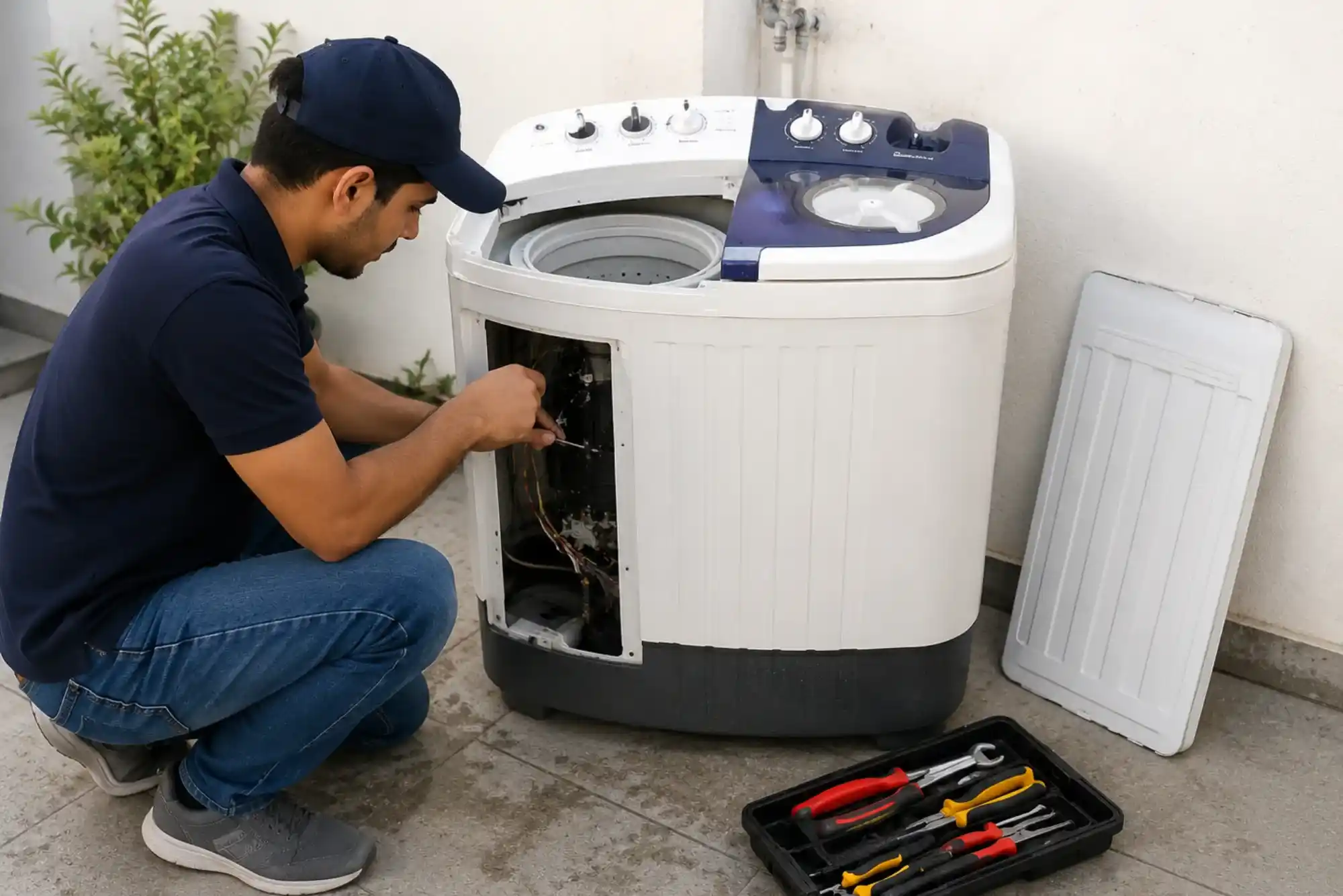
A semi automatic washing machine can make laundry easier while still requiring some manual involvement during washing and drying. Unlike fully automatic models, many semi automatic machines use separate wash and spin tubs, which means problems can affect one part of the appliance while the other continues working normally. Understanding the common causes can help homeowners identify problems early and decide when Semi Automatic Washing Machine Repair is needed.
Simple issues such as an overloaded tub, blocked drain hose, loose connection, or unbalanced clothes can sometimes be corrected without professional assistance. However, electrical faults, motor problems, damaged wiring, or mechanical failures require careful diagnosis. For broader appliance support, homeowners can also explore washing machine repair services and choose an appropriate repair solution based on the machine’s symptoms.
How a Semi Automatic Washing Machine Works
A typical semi automatic washing machine has separate compartments for washing and spinning. The wash tub agitates or rotates clothes with water and detergent, while the spin tub removes excess water after the washing cycle. The user usually transfers clothes between the two tubs manually.
This straightforward design can make troubleshooting easier because the wash and spin functions are often controlled by separate mechanical and electrical components. If the wash tub works but the spin tub does not, for example, the fault may be isolated to the spin motor, timer, lid mechanism, capacitor, wiring, or related components.
Common Problems That Need Semi Automatic Washing Machine Repair
Several symptoms can indicate that a semi automatic washer is developing a fault. Recognizing these signs early can help prevent a minor issue from becoming a more complicated repair.
- Washing tub does not rotate: A motor, capacitor, belt, timer, or wiring problem may prevent the wash mechanism from operating.
- Spin tub is not working: The spin motor, safety switch, brake mechanism, or electrical connections may require inspection.
- Machine does not drain: A blocked drain hose, damaged pump, or obstruction can prevent wastewater from leaving the tub.
- Unusual noise or vibration: Loose components, an uneven load, worn mechanical parts, or an unstable installation may cause excessive movement.
- Water leakage: Cracked hoses, loose connections, damaged seals, or tub-related problems can allow water to escape.
- Machine suddenly stops: Overheating, electrical faults, a faulty timer, or motor-related problems can interrupt operation.
Basic Checks Before Calling a Repair Technician
Before arranging professional service, a few safe checks may help identify whether the problem is caused by an easily correctable condition.

- Switch the washing machine off and disconnect it from the power supply.
- Check whether the drain hose is bent, blocked, or positioned incorrectly.
- Remove excess clothes if the tub is overloaded.
- Make sure the machine is standing on a stable and reasonably level surface.
- Inspect visible power connections for obvious damage without opening electrical components.
If these checks do not resolve the issue, repeatedly restarting the machine is not a good substitute for diagnosis. Electrical or motor-related problems should be assessed by a qualified technician, particularly when the appliance produces burning smells, sparks, unusual electrical sounds, or repeated tripping.
Repair or Replace: Which Option Makes Sense?
| Situation | Repair May Be Suitable | Replacement May Be Considered |
|---|---|---|
| Minor hose or connection issue | Usually practical | Rarely necessary |
| Motor or capacitor fault | Often repairable | Depends on machine condition |
| Repeated major breakdowns | May become less economical | Worth evaluating |
| Older machine with extensive damage | Depends on parts availability | May be more practical |
The right decision depends on the appliance’s age, condition, repair requirements, availability of suitable parts, and expected future reliability. A proper diagnosis is therefore more useful than replacing a machine based only on one symptom.
When Professional Repair Is the Better Choice
Some washing machine problems should not be handled through trial and error. If the appliance repeatedly trips the electrical supply, produces a burning smell, makes a loud mechanical noise, or shows signs of damaged wiring, stop using it until it has been inspected. Attempting to repair electrical components without the appropriate knowledge can create additional damage and safety risks.
Professional Semi Automatic Washing Machine Repair can also be useful when the machine has a complicated mechanical fault. A technician can examine the motor, capacitor, timer, belts, switches, hoses, and other relevant components to identify the actual source of the problem rather than simply treating the visible symptom.
For homeowners who need broader washer support, resources such as certified washing machine repair technicians and washing machine service checklists can help explain what should be considered during a professional inspection.
How to Maintain a Semi Automatic Washing Machine
Regular care can reduce unnecessary wear and help identify developing problems before they become serious. Semi automatic machines still contain motors, electrical controls, hoses, moving parts, and drainage components that benefit from proper maintenance.
- Do not consistently overload the wash or spin tub.
- Keep the machine on a firm, stable surface.
- Clean the tubs and lint-related areas regularly.
- Check hoses periodically for cracks, loose connections, or deterioration.
- Remove clothing items that may contain coins, keys, or other hard objects before washing.
- Avoid allowing water to remain around electrical connections.
- Pay attention to new noises, unusual smells, or changes in spinning performance.
Good maintenance is not a guarantee against breakdowns, but it can help preserve normal operation and make emerging problems easier to notice.
Expert Tip: Do not judge a washing machine problem only by its most obvious symptom. A spin tub that stops working, for example, may have an electrical, mechanical, or load-related cause. Proper diagnosis should come before replacing expensive components.
Why Early Diagnosis Matters
A washer that makes an unusual sound today may still complete a cycle, but continuing to use it without understanding the cause can sometimes increase mechanical wear. The same applies to drainage problems and intermittent electrical faults. Early inspection can help determine whether the issue is simple maintenance or requires a component-level repair.
For example, a drainage restriction may cause water to remain in the tub, while an overloaded machine may create excessive vibration during spinning. These situations are different and require different solutions. Accurate diagnosis therefore saves time and helps avoid unnecessary part replacement.
Choosing the Right Repair Service
When professional assistance is necessary, homeowners should look for a repair provider with experience handling washing machines and the type of fault involved. A useful service should begin with diagnosis rather than immediately recommending replacement.
Consider whether the technician can clearly explain the suspected fault, the repair process, and the parts that may be required. It is also useful to ask about the expected repair scope before authorizing work.
For additional repair options, affordable washing machine repair at home can be relevant for homeowners who prefer professional troubleshooting without transporting a bulky appliance.
Frequently Asked Questions
What are the most common semi automatic washing machine problems?
Common problems include failure to wash or spin, drainage difficulties, unusual noise, excessive vibration, water leakage, and unexpected stopping. The underlying cause can vary from a simple blockage to a motor or electrical fault.
Why is my semi automatic washing machine not spinning?
Possible causes include an overloaded spin tub, unbalanced clothing, a faulty capacitor, motor problem, timer fault, damaged wiring, or another mechanical issue. Safe basic checks can be performed first, but persistent problems require professional diagnosis.
Can I repair a semi automatic washer myself?
Simple tasks such as removing an obstruction from an accessible drain hose may be manageable if the appliance is disconnected from power. Electrical, motor, wiring, and internal mechanical repairs should generally be left to a qualified technician.
How can I reduce washing machine vibration?
Start by checking whether the machine is standing on a stable and level surface and whether the load is distributed reasonably. If vibration continues even with normal loads, worn or damaged internal components may need inspection.
When should I stop using my washing machine?
Stop using the appliance if you notice burning smells, sparks, exposed or damaged wiring, repeated electrical trips, severe leaks, or loud abnormal mechanical sounds. Professional inspection is safer than continuing to operate a machine showing these warning signs.
Conclusion
Reliable Semi Automatic Washing Machine Repair starts with identifying the actual cause of a problem rather than replacing parts unnecessarily. Common issues such as drainage trouble, spinning failure, vibration, leaks, and unusual noises can have several possible causes, making proper diagnosis important.
Regular maintenance, sensible loading, safe operation, and early attention to unusual symptoms can help keep a semi automatic washer working effectively. When a fault involves electrical components, the motor, internal wiring, or complicated mechanical parts, professional assistance is the safer and more practical approach.
Related Reading: Washing Machine Repair Guide
Related Reading: Inverter Washing Machine Repair
Related Reading: AC Duct Cleaning and Repair
Related Reading: Washing Machine Repair Specialist
Related Reading: Dryer Drum Glide Repair
Related Reading: Washing Machine Overload Protection Triggered