Air conditioning systems are a cornerstone of comfort, particularly in regions with extreme heat. Among the various components that ensure smooth operation, the compressor plays a pivotal role. It is responsible for compressing and circulating refrigerant throughout the system, which enables effective cooling. However, when the compressor is subjected to excessive stress, it can overheat and activate its built-in overload protection mechanism. Understanding the causes, symptoms, and solutions for this problem is essential for both homeowners and HVAC professionals. This guide focuses on the AC compressor overload protection fix, providing a detailed roadmap to restore system efficiency and prevent further damage.
Understanding AC Compressor Overload
The AC Compressor Overload Protection Fix is often referred to as the heart of an air conditioning system. Its proper function ensures the smooth flow of refrigerant, which directly affects cooling performance. Compressor overload occurs when the unit is forced to operate under conditions that exceed its designed capacity, leading to excessive heat generation and activation of overload protection. This protective mechanism is critical, as it prevents permanent damage to the compressor, which could otherwise result in costly replacements or a complete AC system failure.
Overload can be caused by a range of factors that involve electrical, mechanical, and environmental conditions. Electrical instability, such as voltage fluctuations or surges, places undue stress on the compressor motor, often causing it to shut down repeatedly. Mechanical factors, including dirty coils or restricted airflow, force the compressor to work harder than intended, increasing the risk of overheating. Even environmental conditions like extremely high ambient temperatures can exacerbate the problem, particularly if routine maintenance has been neglected.
Causes and Implications of Overload
A compressor under stress may exhibit reduced efficiency, which can significantly impact the overall performance of the AC system. When the compressor struggles to maintain the required cooling levels, energy consumption rises, and the risk of component failure grows. Electrical issues, such as unstable voltage or poor wiring connections, are particularly hazardous because they can lead to repeated overload trips. Without timely intervention, the compressor motor may sustain damage that is often irreversible.
Mechanical stress on the compressor is equally problematic. For example, when the condenser coils become dirty or blocked, heat exchange efficiency diminishes, forcing the compressor to run continuously. This constant operation elevates internal temperatures, which triggers the overload protection mechanism. Similarly, low refrigerant levels impair the compressor’s ability to circulate refrigerant effectively, leading to prolonged operation cycles that can result in overheating. Capacitors and relays also play a critical role in compressor operation. If these components fail, the compressor may struggle to start or run properly, further increasing the likelihood of overload.
Recognizing Compressor Overload
Identifying early signs of compressor overload is crucial to prevent long-term damage. Homeowners may notice the air conditioning system shutting down unexpectedly or failing to provide adequate cooling even when the thermostat is set correctly. Unusual sounds, such as humming or buzzing noises emanating from the compressor, are another clear indicator of stress. In some cases, electrical components like circuit breakers may trip frequently, signaling that the compressor is drawing excessive current due to overload. Timely recognition of these symptoms allows for preventive measures and targeted repairs before the problem escalates.

Diagnosing the Problem
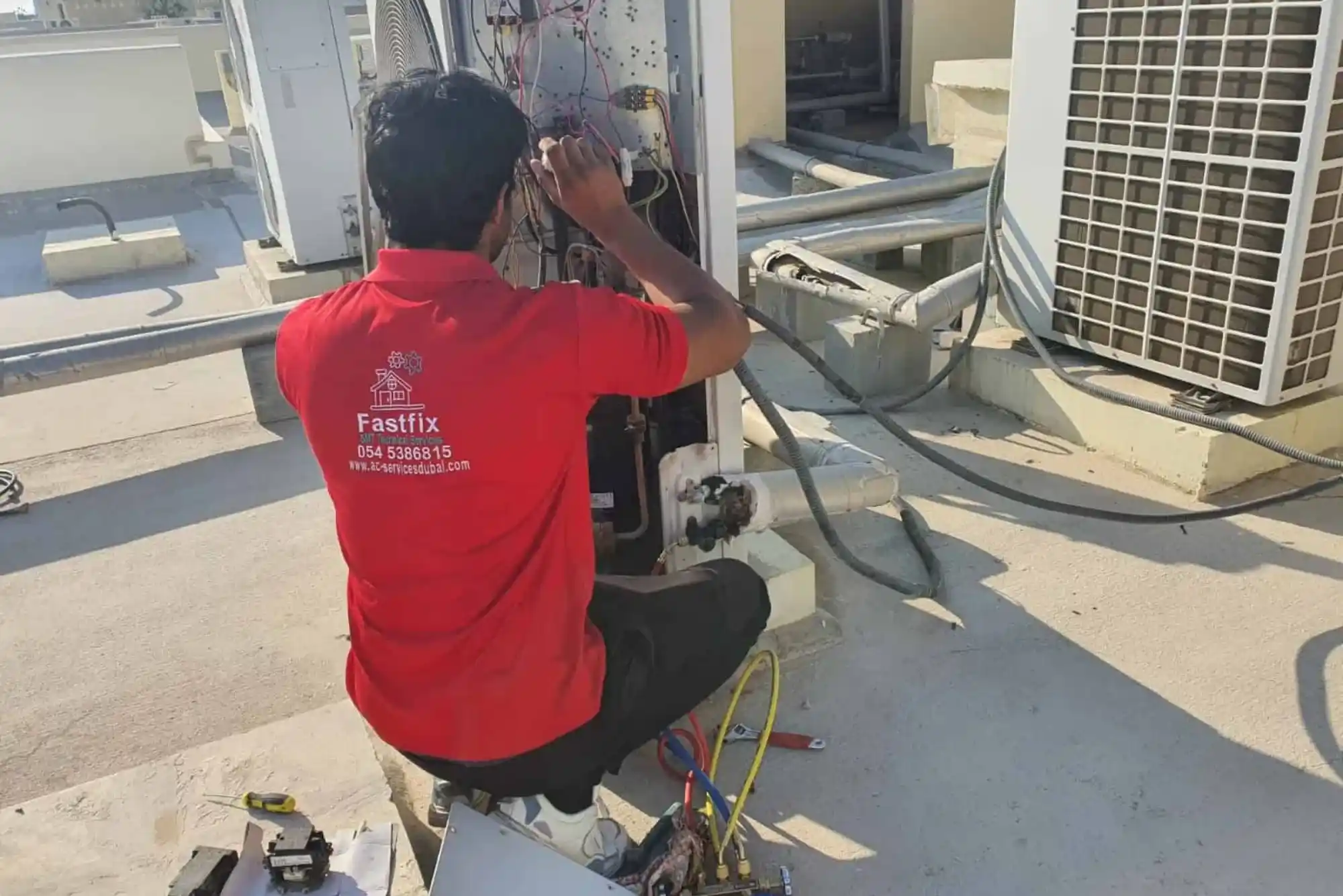
Professional diagnosis is essential when addressing compressor overload. Technicians typically begin by assessing the electrical supply to ensure voltage stability and proper wiring. Capacitors and relays are examined to confirm that the compressor receives the correct electrical support during startup and operation. Refrigerant levels are checked to guarantee efficient heat transfer and prevent continuous compressor operation. A physical inspection of system components, including coils, filters, and fan motors, helps identify any mechanical obstacles that could contribute to overload. By systematically evaluating these factors, technicians can determine the precise cause of compressor stress and plan an effective solution.
Effective AC Compressor Overload Protection Fix
Once the underlying cause of overload is identified, the next step is implementing a targeted fix. Electrical stability is often the first area addressed, as fluctuating or inadequate voltage can directly impact compressor performance. Ensuring proper circuit specifications, secure wiring connections, and the use of surge protection devices can prevent repeated overloads and extend the lifespan of the compressor.
Mechanical efficiency is another critical factor. Cleaning condenser coils restores heat transfer efficiency, reducing the workload on the compressor. Similarly, checking refrigerant levels and topping them up when necessary ensures that the system operates within designed parameters. A compressor that is not strained by insufficient refrigerant is less likely to overheat and trip its protective mechanism.
Faulty capacitors and relays are replaced to restore normal compressor operation. These components are crucial for providing the correct electrical support during startup and continuous operation. Any malfunction in these devices can prevent the compressor from functioning smoothly, triggering overload protection repeatedly. Additionally, ensuring that airflow is unobstructed and that fans operate correctly reduces the mechanical load on the compressor, further minimizing the risk of overheating.
Modern air conditioning systems are often equipped with thermal overload protectors or specialized circuit breakers. These devices are designed to prevent permanent damage by interrupting power to the compressor when temperatures rise beyond safe limits. Ensuring that these protective mechanisms are functional and correctly rated is an integral part of the overload protection fix.
Long-Term Preventive Strategies
Preventing future compressor overload is a matter of consistent maintenance and proactive care. Regular inspection of the AC system, including electrical components, refrigerant levels, coils, and fans, helps identify potential problems before they affect compressor performance. Protecting the system from voltage fluctuations, maintaining cleanliness of coils and filters, and ensuring unobstructed airflow are all key strategies for preserving compressor health. These measures not only prevent overload but also enhance energy efficiency and extend the lifespan of the AC system.
Professional Expertise and Safety
While certain maintenance tasks can be performed by homeowners, diagnosing and repairing compressor overload requires professional expertise. Handling electrical components, refrigerants, and internal compressor mechanisms involves risks that can exacerbate the problem if done incorrectly. Certified HVAC technicians use specialized tools and follow rigorous safety protocols to deliver a reliable AC compressor overload protection fix, ensuring both effective repairs and long-term system stability.
Compressor overload is a common challenge in air conditioning systems, but it is preventable with proper care and timely intervention. Understanding the causes, recognizing early signs, and employing professional fixes are essential to maintaining a fully functional system. The AC compressor overload protection fix involves a combination of electrical stabilization, mechanical efficiency improvements, component replacement, and preventive measures.
By investing in professional maintenance and targeted repairs, homeowners can ensure their air conditioning system operates efficiently, reliably, and without unnecessary strain on the compressor. Effective management of compressor health translates into a more comfortable indoor environment, lower energy costs, and a longer-lasting AC system.