Air conditioners have become an essential part of modern living, especially in regions where heat and humidity are intense. They provide comfort, improve indoor air quality, and maintain a suitable environment for both homes and offices. Despite their benefits, air conditioning systems can encounter technical problems that not only disrupt comfort but also pose risks to property and health. Among these issues, the AC indoor water dripping issue is one of the most common and concerning problems for homeowners. Water leakage from an indoor AC unit can signal blockages, component failures, or maintenance neglect. Understanding the causes, risks, and professional solutions for this problem is essential for maintaining an efficient and reliable air conditioning system.
How Air Conditioners Handle Moisture
Air conditioners work by cooling indoor air and removing humidity. During this process, the evaporator coil in the indoor unit condenses moisture from the warm air, producing water droplets. Normally, this condensation flows into a drain pan and exits through a dedicated drain line to the outside or a drainage system. When everything functions correctly, this process is invisible to the homeowner. However, when the drainage system is obstructed or any component malfunctions, water accumulates inside the unit and eventually leaks, creating the AC indoor water dripping issue. While some condensation is natural, persistent dripping indicates a malfunction that requires attention.
Common Causes of AC Indoor Water Dripping
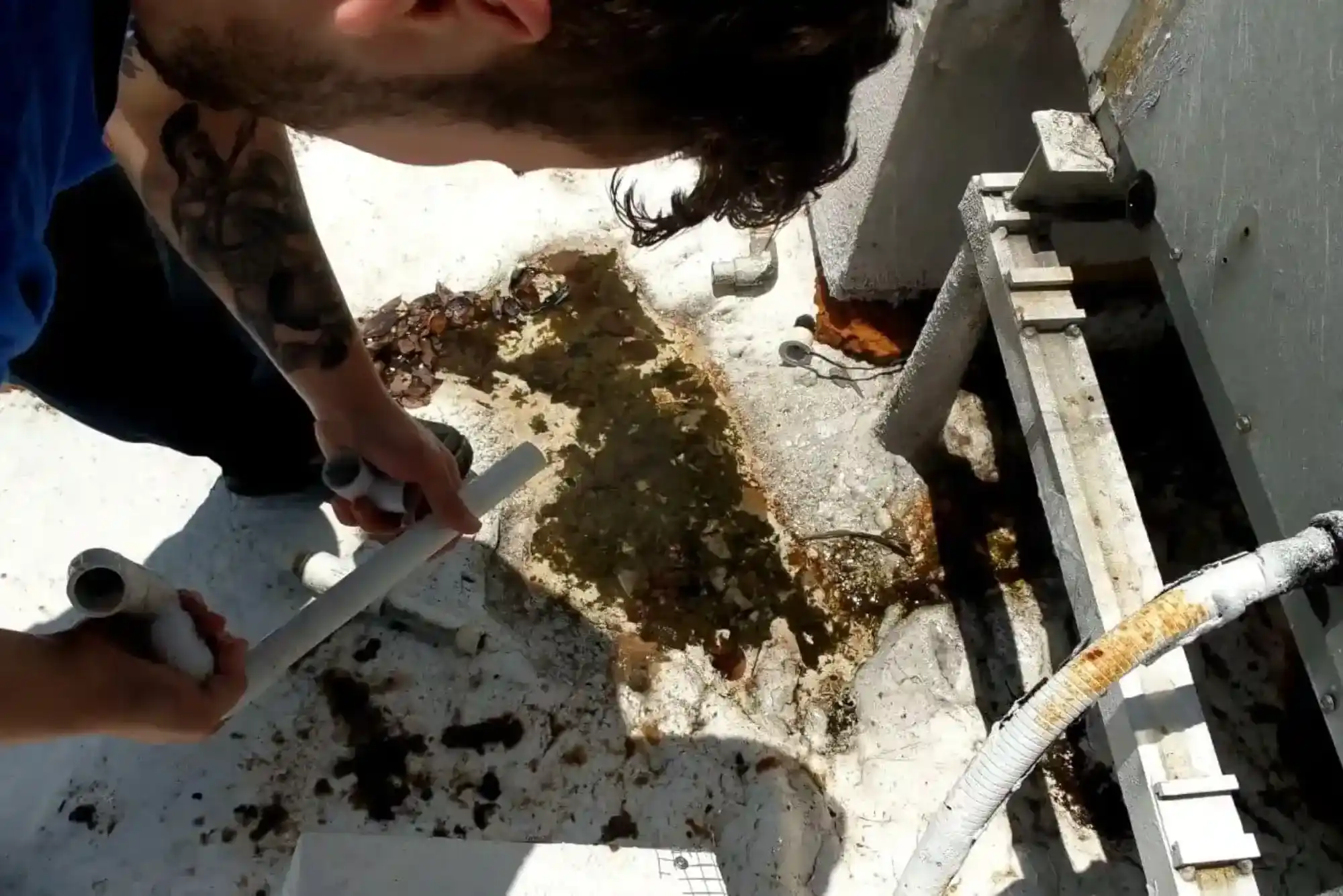
The causes of water leakage in an air conditioning system are diverse and often interconnected. One frequent cause of the AC indoor water dripping issue is a blocked or clogged drain line. Over time, dirt, dust, algae, and other debris accumulate inside the drainage pipe, preventing water from flowing freely. When the drain line becomes obstructed, water overflows from the drain pan and leaks from the indoor unit, often leaving noticeable puddles or stains.
Another significant cause is a dirty or clogged air filter. Air filters are essential for maintaining indoor air quality, but when they become loaded with dust and particles, airflow across the evaporator coil is restricted. This restricted airflow can cause the coil to freeze, and when the ice melts, the water produced can exceed the drainage capacity, resulting in indoor leakage. Poor maintenance of filters is a primary reason why many homeowners experience recurring AC indoor water dripping issues.
Low refrigerant levels in the AC system are also a potential contributor. Refrigerant plays a vital role in the cooling process by absorbing heat from indoor air. When refrigerant levels drop due to leaks or improper charging, it can lead to pressure imbalances within the system. These imbalances may cause the evaporator coil to freeze, and when the ice melts, it produces excessive water that the drain system cannot handle. Refrigerant-related issues not only lead to leaks but also compromise the cooling efficiency of the system.
The installation of the indoor unit can also impact drainage. If the AC unit is not installed at the correct angle or is mounted unevenly, water may not flow toward the drain pan properly. This improper alignment can cause water to pool inside the unit, eventually dripping into the room. Additionally, over time, drain pans themselves can become damaged or corroded. Rust, cracks, or other forms of wear can prevent the pan from holding condensation effectively, leading to water escaping into the surrounding area.

Environmental factors, such as high humidity, can exacerbate the AC indoor water dripping issue. In humid climates, air conditioners produce more condensation, which increases the likelihood of drainage problems if the system is not adequately maintained. Dusty urban environments can accelerate filter clogging and contribute to blockages in the drain line. Continuous operation during hot seasons further stresses the system, making leaks more likely.
Risks of Ignoring the AC Indoor Water Dripping Issue
Many homeowners may perceive water dripping as a minor inconvenience, but it can lead to serious consequences if ignored. Prolonged water exposure can damage ceilings, walls, and flooring. Moisture may cause paint to peel, plaster to deteriorate, and wood surfaces to warp. Leaks near furniture or electronics can damage these items and create costly replacements. Beyond physical damage, persistent water accumulation provides an ideal environment for mold and mildew growth. Mold can significantly affect indoor air quality and cause health problems, including respiratory issues and allergic reactions.
The air conditioning system itself is at risk when the AC indoor water dripping issue is ignored. Water accumulation can corrode internal components, impair sensors, and disrupt electrical connections, leading to a decline in system efficiency. Over time, this neglect can reduce the lifespan of the air conditioner and result in expensive repairs or replacement.
Signs You Need AC Repair Service
Recognizing the warning signs of the AC indoor water dripping issue is critical for timely intervention. Continuous dripping from the indoor unit is the most obvious sign, but other indicators may include water stains on walls or ceilings near the unit, musty odors suggesting mold growth, or decreased cooling efficiency despite normal operation. Homeowners may also notice unusual noises or vibrations when the unit operates, indicating potential internal problems. Observing these symptoms early and contacting professional AC repair service can prevent further damage and restore proper functioning to the system.
How Professional AC Repair Service Resolves the Problem
Professional AC repair service follows a thorough approach to diagnose and resolve indoor water leakage issues. Experienced technicians first inspect the indoor unit, evaporator coil, drain pan, and drainage system to identify blockages, damage, or misalignment. They clear clogged drain lines using specialized tools and techniques to ensure unobstructed water flow. Filters are checked and replaced if necessary to maintain proper airflow and prevent freezing of the evaporator coil.
In cases where refrigerant issues cause coil freezing, technicians check the system for leaks, recharge refrigerant, and ensure pressure levels are optimal for efficient cooling. Damaged or corroded drain pans are repaired or replaced to prevent future leaks. Additionally, technicians verify the installation and alignment of the indoor unit, ensuring that water drains correctly and does not accumulate inside the system.
By addressing the root causes, professional AC repair service provides a long-term solution rather than a temporary fix. Technicians also offer advice on preventive measures to reduce the risk of recurring leaks, such as regular cleaning and maintenance schedules.
Preventive Measures to Avoid Water Dripping
Routine maintenance is essential for preventing the AC indoor water dripping issue. Proper care includes ensuring that filters are clean, drainage systems are unobstructed, and refrigerant levels are optimal. Maintenance checks allow technicians to identify early signs of problems before they escalate. Preventive servicing improves energy efficiency by ensuring that the AC operates at peak performance while reducing electricity consumption. It also helps extend the life of the air conditioner by reducing wear and tear on its components.
Homeowners who schedule regular maintenance with a professional AC repair service benefit from consistent cooling performance and reduced risk of water-related damage. Timely inspections and cleaning prevent excessive condensation and ensure that the drainage system functions properly, maintaining a comfortable and safe indoor environment.
The Consequences of Temporary Fixes
Some homeowners attempt temporary solutions, such as manually wiping excess water or partially clearing the drain line. While these actions may provide short-term relief, they do not address the underlying causes of the AC indoor water dripping issue. Ignoring the root problems can lead to recurring leaks, increased damage to property, and more complex and expensive repairs in the long run. Professional AC repair service ensures that the problem is permanently resolved, using proper diagnostic tools and technical expertise to fix the system safely and effectively.
Long-Term Benefits of Professional AC Service
Investing in professional AC repair service offers long-term benefits for both homeowners and businesses. Repair and maintenance services prevent water damage, improve cooling efficiency, and maintain the overall performance of the system. Technicians address not only leaks but also issues such as refrigerant imbalances, airflow restrictions, and component wear. A well-maintained air conditioner operates more efficiently, consumes less energy, and has a longer operational lifespan. Additionally, professional service prevents mold growth, maintains indoor air quality, and ensures that the cooling system continues to function reliably throughout its lifetime.
The AC indoor water dripping issue is a common problem with serious consequences if left untreated. While condensation is a normal part of air conditioning, water leaking from the indoor unit signals underlying technical issues. Blocked drainage lines, dirty filters, refrigerant imbalances, improper installation, damaged drain pans, and environmental factors all contribute to this issue. Ignoring the problem can lead to property damage, mold growth, health hazards, and decreased AC efficiency.
Related Reading: Dishwasher Water Inlet Screen