Dishwashers have become an essential appliance in modern kitchens, providing convenience, efficiency, and improved hygiene in dish cleaning. However, like all household appliances, dishwashers rely on several small yet critical components to function properly. One of these components is the dishwasher water inlet screen, which plays a vital role in controlling the quality and flow of water entering the machine. Although it is a small part, its function directly affects the performance and longevity of the appliance.
When the dishwasher water inlet screen becomes clogged or damaged, the dishwasher may experience water flow issues, longer wash cycles, or incomplete cleaning results. In many cases, homeowners do not realize that this small filter is responsible for the problem. Understanding the role of the dishwasher water inlet screen and the importance of professional dishwasher repair service can help ensure that the appliance continues to operate efficiently for many years.
Understanding the Dishwasher Water Inlet Screen
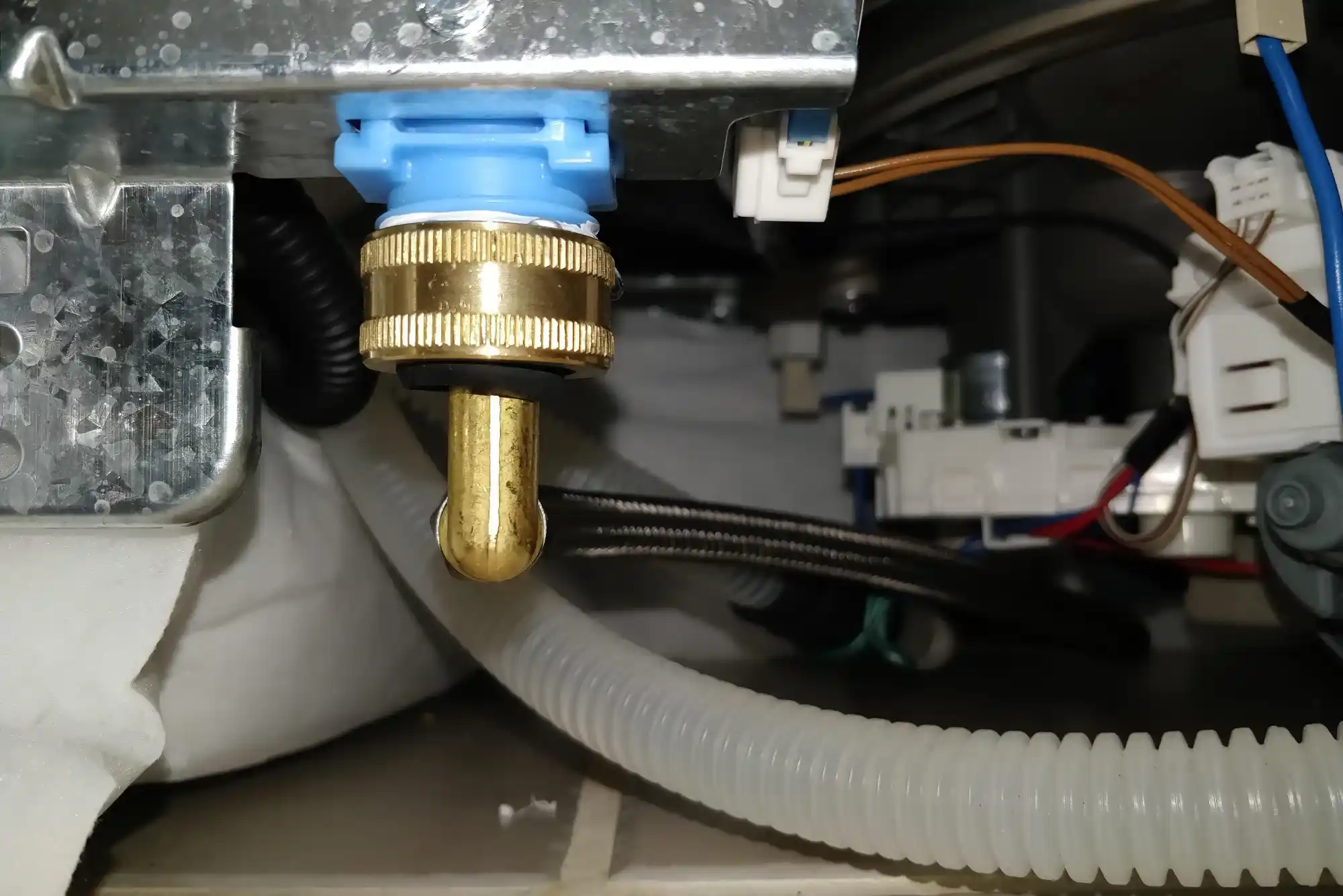
The dishwasher water inlet screen is a fine mesh filter located at the point where the water supply connects to the dishwasher’s inlet valve. Its primary function is to prevent debris, sediment, and mineral particles from entering the dishwasher’s internal system. Water supplied to homes may contain small particles such as sand, rust, or mineral deposits. If these particles enter the dishwasher’s internal valves and pumps, they can cause significant damage over time.
The inlet screen acts as the first line of defense for the appliance’s water system. It filters out contaminants before water enters the dishwasher. This helps maintain proper water pressure and protects internal components such as the inlet valve, spray arms, and circulation pump.
Because the dishwasher water inlet screen is responsible for filtering incoming water, it is continuously exposed to minerals and debris. Over time, these particles can accumulate on the mesh screen, restricting water flow. When the screen becomes heavily clogged, the dishwasher may struggle to fill with the required amount of water.
How the Dishwasher Water Inlet Screen Works
When a dishwasher cycle begins, the appliance activates the water inlet valve. This valve opens to allow water to flow from the household plumbing system into the dishwasher. Before water enters the valve and internal water lines, it passes through the dishwasher water inlet screen.

The screen filters out particles and sediment that could otherwise damage delicate internal components. Once the water passes through the screen and inlet valve, it flows into the dishwasher tub where it is heated and circulated through spray arms to clean the dishes.
The efficiency of this process depends on the condition of the water inlet screen. If the screen is clean and unobstructed, water flows smoothly into the dishwasher, ensuring optimal washing performance. However, if the screen becomes clogged, the dishwasher may receive insufficient water, which can negatively impact cleaning efficiency.
Professional dishwasher repair service technicians often inspect the inlet screen during routine maintenance or when diagnosing water flow problems.
Common Causes of Dishwasher Water Inlet Screen Blockage
One of the most common reasons for dishwasher performance issues is a clogged water inlet screen. Several factors contribute to the buildup of debris and mineral deposits on the screen.
Hard water is a major cause of inlet screen clogging. In regions where water contains high levels of calcium and magnesium, mineral deposits can gradually accumulate on the mesh filter. Over time, these deposits reduce the size of the openings in the screen, limiting water flow.
Another cause is sediment from old plumbing systems. Rust particles from aging pipes can enter the water supply and become trapped in the inlet screen. These particles can accumulate quickly and restrict water movement.
Construction debris and sand particles can also enter the plumbing system, especially after plumbing repairs or renovations. These materials are often trapped by the dishwasher water inlet screen, preventing them from entering the appliance.
Because the inlet screen continuously filters water, it naturally collects debris over time. Regular maintenance and professional inspection are necessary to ensure it remains clean and functional.
Signs of a Clogged Dishwasher Water Inlet Screen
A clogged dishwasher water inlet screen can cause several noticeable problems. One of the most common symptoms is insufficient water entering the dishwasher. When the appliance cannot fill with enough water, the wash cycle may not clean dishes properly.
Another sign is longer wash cycles. If the dishwasher struggles to receive enough water, it may attempt to compensate by extending the cycle time. This can increase energy consumption and reduce the overall efficiency of the appliance.
Users may also notice that dishes remain dirty after a wash cycle. Without sufficient water pressure and volume, the spray arms cannot effectively remove food residue and grease from dishes.
In some cases, the dishwasher may produce unusual noises as the pump attempts to operate with limited water. These sounds may indicate that the appliance is not receiving the proper water supply.
If any of these symptoms occur, contacting a professional dishwasher repair service is recommended to diagnose and resolve the issue safely.
Importance of Professional Dishwasher Repair Service
Although the dishwasher water inlet screen is a small component, accessing it requires careful handling of the appliance’s water supply and internal parts. Improper attempts to repair or clean the inlet screen can cause leaks, damage the inlet valve, or create electrical hazards.
Professional dishwasher repair service technicians have the training and tools necessary to inspect and service the inlet screen safely. They can disconnect the water supply, remove the inlet valve assembly, and thoroughly clean or replace the screen if necessary.
In addition to addressing the clogged screen, technicians also check for other potential issues within the dishwasher’s water system. These may include faulty inlet valves, damaged hoses, or malfunctioning pressure switches.
Professional repair services ensure that the dishwasher operates efficiently and safely after maintenance. This helps prevent recurring issues and extends the life of the appliance.
The Role of the Water Inlet Valve and Screen Together
The dishwasher water inlet screen works closely with the water inlet valve. The valve controls the flow of water entering the dishwasher, while the screen filters impurities before they reach the valve.
If the inlet screen becomes clogged, the valve may not receive enough water to operate properly. Over time, this can cause stress on the valve mechanism and lead to valve failure. A damaged inlet valve may prevent the dishwasher from filling with water altogether.
When technicians perform dishwasher repair service, they often inspect both the screen and the inlet valve simultaneously. Ensuring that both components are functioning correctly helps maintain proper water pressure and washing performance.
Maintaining these parts together is essential for reliable dishwasher operation.
How Regular Maintenance Improves Dishwasher Performance
Regular appliance maintenance plays a key role in preventing dishwasher problems. Even though the dishwasher water inlet screen is designed to filter debris, it should still be inspected periodically to ensure it remains clean.
Professional technicians often recommend scheduling routine dishwasher inspections as part of home appliance maintenance. During these inspections, technicians evaluate the condition of the inlet screen, inlet valve, spray arms, pumps, and drainage system.
Preventive maintenance helps identify minor issues before they develop into major repairs. Cleaning or replacing the inlet screen during routine service can restore proper water flow and improve washing efficiency.
Maintenance also helps protect the dishwasher’s internal components from damage caused by sediment buildup or restricted water flow.
Effects of Ignoring a Clogged Water Inlet Screen
Ignoring a clogged dishwasher water inlet screen can lead to more serious appliance problems. Restricted water flow forces the dishwasher pump to work harder, which can increase wear on the motor and circulation system.
Insufficient water supply also prevents dishes from being properly cleaned and rinsed. Food particles may remain on dishes, and detergent may not dissolve correctly. This can create hygiene concerns in the kitchen.
Over time, the lack of proper water flow may cause overheating in certain dishwasher components. The heating element may attempt to heat a smaller volume of water than intended, placing additional strain on the appliance.
Eventually, the dishwasher may stop functioning entirely if the water inlet system becomes severely blocked. At this stage, professional dishwasher repair service becomes necessary to restore the appliance to working condition.
Why the Dishwasher Water Inlet Screen Is a Critical Component
Although the dishwasher water inlet screen is small and often overlooked, it plays an essential role in the appliance’s overall functionality. By filtering incoming water, it protects the internal water system from contaminants that could damage valves, pumps, and spray arms.
A properly functioning inlet screen ensures that the dishwasher receives a steady flow of clean water during each cycle. This helps maintain consistent water pressure, efficient cleaning performance, and reliable appliance operation.
Homeowners often focus on visible components such as racks, spray arms, and detergent dispensers, but the water inlet system is equally important. Ensuring that the inlet screen remains clean and unobstructed is essential for maintaining the dishwasher’s efficiency and lifespan.
Professional dishwasher repair service providers understand the importance of this component and include it in routine inspections and repairs.
The dishwasher water inlet screen is a small yet critical component that protects the dishwasher’s internal system from debris, sediment, and mineral buildup. By filtering incoming water, it ensures that the appliance receives clean water at the correct pressure for effective dishwashing.
Over time, the inlet screen can become clogged due to hard water minerals, rust particles, and sediment from plumbing systems. When this occurs, the dishwasher may experience water flow issues, longer cycles, and reduced cleaning performance.
Related Reading: AC Indoor Water Dripping Issue
Related Reading: Dishwasher Sump Filter Cleaning