Air conditioning units have become an essential part of modern life, providing comfort and relief from heat. However, when an AC unit starts making a buzzing noise, it can be concerning for homeowners. The buzzing sound is often a sign that the system is experiencing mechanical, electrical, or operational issues that require attention. While some minor noises may be harmless, persistent buzzing can indicate a problem that affects performance, energy efficiency, and even safety. Understanding the causes, potential risks, and available solutions is important for maintaining a properly functioning air conditioning system.
A buzzing noise from an AC unit can manifest in different ways. It may be a low, continuous hum coming from the indoor unit, a rattling buzz from the outdoor condenser, or intermittent buzzing that changes with operational cycles. Each variation can point to specific underlying issues, and identifying the exact source is the first step toward an effective solution.
Electrical Issues as a Common Cause
One of the most frequent causes of buzzing in an AC unit is electrical problems. Components such as capacitors, contactors, and wiring can generate vibrations that produce audible buzzing sounds. Capacitors, which help start the compressor and fan motors, may wear out over time or become damaged due to power surges. When a capacitor fails, it may struggle to provide the necessary energy to start or run motors, leading to a humming or buzzing sound.
Contactors are another electrical component that can cause buzzing. They act as switches that control the flow of electricity to the compressor and fan. If a contactor is worn, dirty, or misaligned, it can produce a buzzing sound during operation. Additionally, loose or frayed wiring may vibrate or produce an audible hum, signaling that an inspection is necessary. Ignoring electrical issues can lead to more serious malfunctions or even pose a fire hazard.
Mechanical Causes of Buzzing Noise
In addition to electrical factors, mechanical issues are often responsible for buzzing sounds in AC units. Loose or worn-out components such as fan blades, motor mounts, or screws can vibrate when the system operates. Over time, these vibrations can amplify, creating a persistent buzzing noise that is noticeable in both indoor and outdoor units.
The compressor, which is the heart of the AC system, may also be a source of buzzing. If the compressor is failing, struggling to start, or under excessive load, it can generate a strong humming or buzzing noise. Similarly, the fan motor or blower assembly may produce buzzing if bearings are worn or the fan is misaligned. Regular maintenance and inspection are key to identifying mechanical causes before they escalate into larger problems.

Refrigerant-Related Causes
Refrigerant plays a crucial role in the cooling process of an AC unit. When there are issues with refrigerant flow, the system can produce unusual noises, including buzzing. For example, low refrigerant levels can cause the compressor to work harder than normal, creating vibrations and sounds that may be perceived as buzzing. Blocked or clogged refrigerant lines can also create pressure imbalances that lead to audible hums or buzzes.
Leaks in the refrigerant lines may additionally lead to reduced efficiency and temperature inconsistencies, which may make the unit appear to be struggling or buzzing more frequently. Addressing refrigerant-related issues typically requires professional expertise, as handling refrigerants safely involves specialized knowledge and equipment.
The Role of Debris and Obstructions
External factors, such as debris or obstructions in the outdoor condenser unit, can contribute to buzzing noises. Leaves, twigs, and dust can interfere with the operation of the fan or coil fins, creating vibrations that result in a buzzing sound. Similarly, indoor units can accumulate dust or small objects that affect the blower or fan assembly, generating audible noises.
Routine cleaning and inspection of both indoor and outdoor units can prevent buzzing caused by debris. However, if the noise persists even after cleaning, it may indicate an internal mechanical or electrical issue that requires professional evaluation.
Potential Risks of Ignoring Buzzing
Although buzzing noises may seem minor at first, ignoring them can lead to more serious consequences. Persistent buzzing often indicates that a component is under strain or failing, which can result in complete system breakdowns. Electrical problems left unaddressed can lead to short circuits or fire hazards. Mechanical failures, such as a damaged compressor or motor, may result in costly replacements if not repaired promptly.
Additionally, an AC unit that struggles to operate efficiently due to electrical or mechanical issues may consume more energy, leading to higher utility bills. Homeowners who delay inspection and repair risk not only discomfort but also unnecessary expenses and potential safety concerns.
Diagnosing the Source of Buzzing
Proper diagnosis is essential to resolve buzzing issues effectively. Determining whether the sound originates from the indoor unit, outdoor unit, electrical components, or mechanical parts helps technicians identify the root cause. Homeowners should take note of when the buzzing occurs, whether it is continuous or intermittent, and whether it coincides with specific operational stages such as startup or cooling cycles.
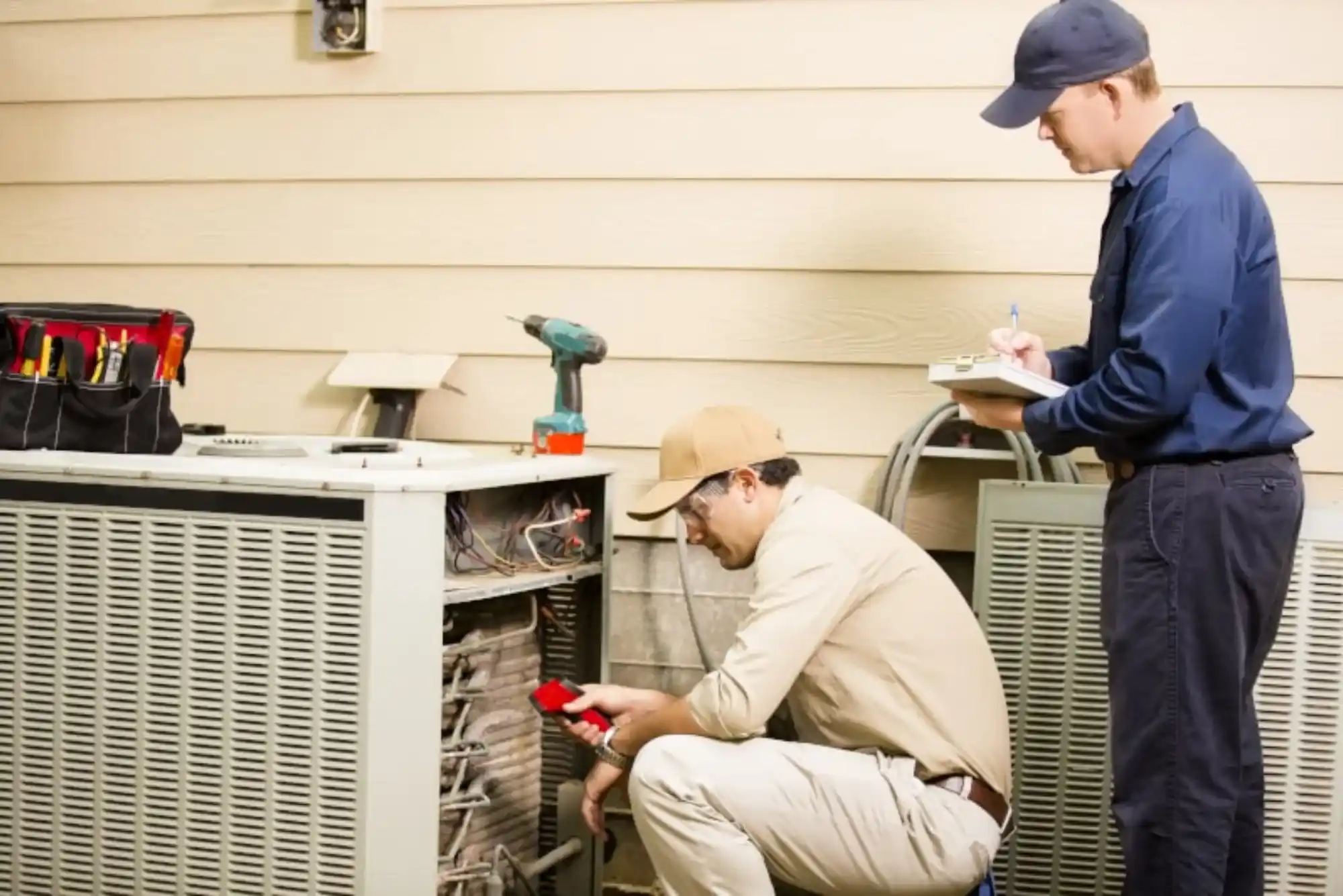
Professional technicians use diagnostic tools and experience to pinpoint the source accurately. They inspect electrical connections, capacitors, contactors, fan motors, compressors, and refrigerant lines to ensure a comprehensive evaluation. This approach prevents misdiagnosis and ensures that repairs are both safe and effective.
Professional Solutions for AC Buzzing
Addressing buzzing in an AC unit often requires professional services. Qualified technicians can safely repair or replace faulty capacitors, contactors, motors, or compressors. They can check refrigerant levels and resolve blockages, ensuring the system operates efficiently and quietly. Additionally, they can balance or realign mechanical components to reduce vibrations that contribute to buzzing sounds.
Professional services also include preventive measures to minimize future noise. Technicians can inspect and tighten electrical connections, lubricate moving parts, and ensure the overall system is operating optimally. Engaging professional technicians for repairs not only resolves the current issue but also extends the lifespan of the AC unit, providing long-term reliability and comfort.
Maintenance to Prevent Buzzing
Routine maintenance is key to preventing buzzing and other operational issues in AC units. Regular inspection, cleaning of filters, coils, and fans, and checking for loose or worn components can reduce the likelihood of unusual noises. Scheduled servicing by professional technicians ensures that electrical, mechanical, and refrigerant systems are in good condition.
Preventive maintenance allows homeowners to identify minor issues before they escalate into major problems. Addressing potential sources of buzzing proactively saves time, reduces repair costs, and maintains energy efficiency. It also provides peace of mind knowing that the AC system is operating safely.
Conclusion
A buzzing noise in an AC unit is a signal that something requires attention. Electrical issues, mechanical vibrations, refrigerant problems, and external debris can all contribute to audible buzzing. While some minor noises may be harmless, persistent buzzing often indicates components under stress or malfunction. Addressing the problem promptly through professional evaluation and repair ensures safety, efficiency, and long-term performance.
Homeowners should not ignore buzzing sounds, as delays can lead to costly repairs, energy inefficiency, and potential safety hazards. Routine maintenance and professional services are essential to keep AC units operating quietly and effectively, providing reliable comfort for any household. Understanding the causes and solutions of buzzing noises allows homeowners to make informed decisions and maintain the longevity of their air conditioning systems.